What Is a Filter Stove Hood and Why Does Your Kitchen Need One?
If you spend any real amount of time cooking, you already know what happens without proper ventilation. Grease settles on cabinet surfaces, smoke lingers longer than anyone wants, and odors have a way of spreading from the kitchen to basically everywhere else in the house. That is where the filter stove hood comes in. Also called a range hood or kitchen hood, this appliance sits above your cooktop or range and works to capture the byproducts of cooking before they become your problem. It is one of those kitchen components that tends to get overlooked until it stops working or until you move into a home that does not have one and you immediately notice the difference.
How a Filter Stove Hood Actually Works
The mechanics here are more straightforward than most people expect. A filter stove hood draws air upward through a fan or blower motor and passes that air through one or more filters designed to trap grease particles, smoke, and other airborne contaminants. Depending on the design, the filtered air is either vented outside through ductwork or recirculated back into the kitchen after passing through a secondary filter, typically made of activated carbon or charcoal. The vented version, often called a ducted hood, is generally more effective because it removes air from the space entirely. The recirculating or ductless version is more flexible in terms of installation but relies heavily on the quality and freshness of its filters to manage odors and airborne grease.
The Different Types of Filters You Will Encounter
Not all filter stove hoods are built the same, and a big part of that distinction comes down to the filter type. Understanding what is inside your hood helps you maintain it correctly and get the most out of it over time. There are a few filter varieties that show up most often in residential kitchens.
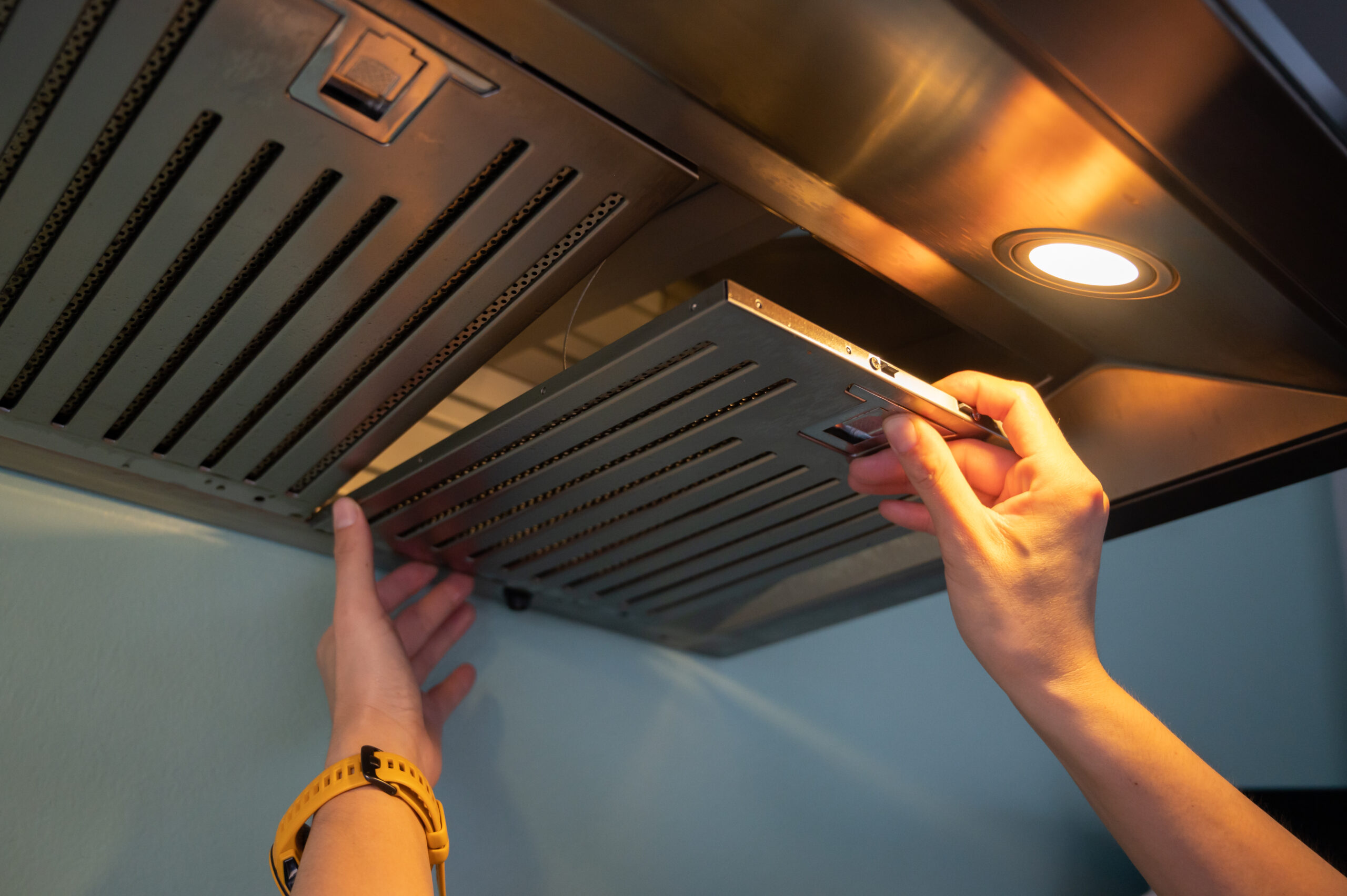
- Baffle filters are typically made of stainless steel or aluminum and use a series of interlocking panels to force air through sharp directional changes, which separates grease from the airflow. These are durable, dishwasher-safe in most cases, and common in higher-end hoods.
- Mesh or aluminum mesh filters use layers of metal mesh to catch grease particles. They are affordable and widely used but tend to clog faster and require more frequent cleaning.
- Charcoal or carbon filters are used in ductless hoods specifically to neutralize odors. They cannot be cleaned and must be replaced on a schedule, typically every three to six months depending on cooking frequency.
- Combination filters appear in some ductless models and layer grease-catching material with activated carbon for a two-stage approach to air cleaning.
Key Advantages of Having a Filter Stove Hood at Home
The case for owning and maintaining a quality filter stove hood is genuinely strong. Beyond the obvious comfort of a kitchen that does not smell like last Tuesday’s dinner, these appliances offer measurable benefits that protect both the people in your home and the home itself. Cooking releases particulate matter, carbon monoxide from gas burners, nitrogen dioxide, and volatile organic compounds that can accumulate in an unventilated space. A properly functioning hood significantly reduces these risks. On the structural side, grease accumulation on cabinet surfaces, walls, and ceilings leads to staining, material degradation, and in worst cases, fire hazards. Removing airborne grease at the source is a meaningful form of home maintenance. Hoods also reduce ambient heat during cooking sessions, which can take some load off your air conditioning system during warmer months.

Common Drawbacks and Limitations to Know
No appliance is without its trade-offs, and filter stove hoods are no exception. Ducted models, while more effective, require proper ductwork installation that can be disruptive and expensive to retrofit in an older home. Ductless models sidestep that challenge but demand consistent filter replacement to remain effective. Neglect the charcoal filter too long and the hood becomes more of a fan than a filtration system. Noise is another common complaint. Fan speed and motor quality vary widely across price points, and some homeowners find higher settings disruptively loud. Grease filters also need regular cleaning regardless of the type, and skipping that maintenance leads to reduced airflow, diminished performance, and an increased fire risk as grease accumulates near the heat source.
How to Keep Your Filter Stove Hood Running Well
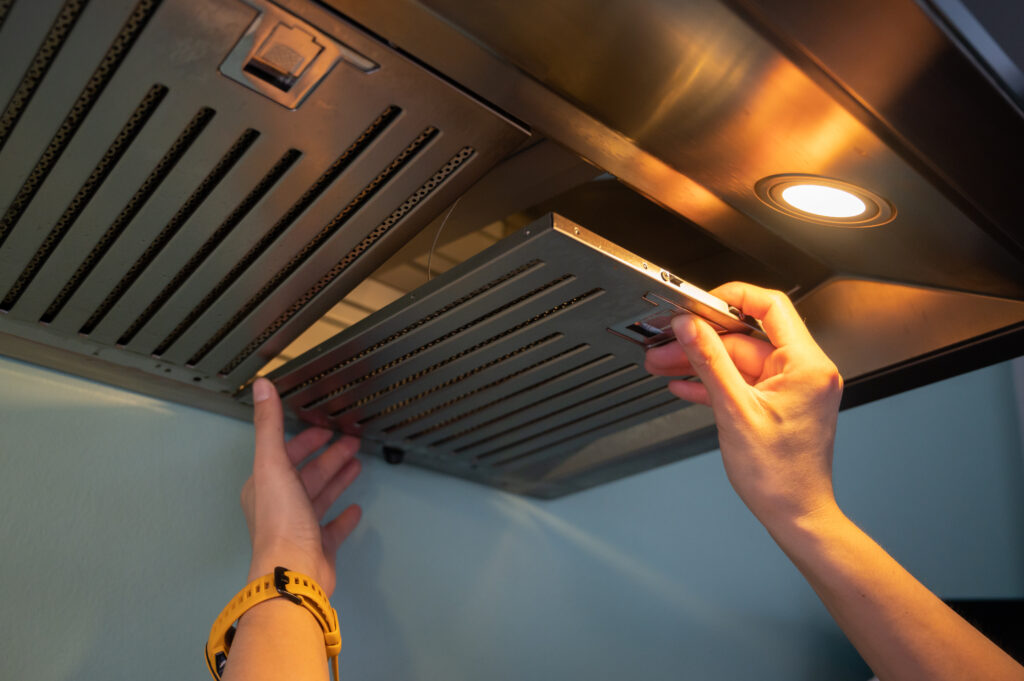
Maintenance on a filter stove hood is not complicated, but it does require consistency. For grease filters, a monthly cleaning is a reasonable baseline for average cooking frequency, though households that cook daily or use high-heat methods like frying should clean them more often. Most metal grease filters can be soaked in hot water with dish soap or run through the dishwasher. Charcoal filters have no cleaning solution and simply need to be swapped out on schedule. Beyond the filters, the interior surfaces of the hood canopy itself collect grease over time and should be wiped down regularly. The fan blades and blower motor area can also accumulate buildup and benefit from periodic inspection, particularly if you notice reduced suction or unusual noise coming from the unit.
Installation Considerations for Homeowners
If you are selecting a filter stove hood for the first time or replacing an existing unit, a few practical factors deserve attention before you commit. Capture area matters, meaning the hood should ideally extend at least as wide as your cooking surface. Mounting height affects performance significantly. Too high and the hood loses its ability to capture rising steam and smoke effectively. Most manufacturers recommend a distance of 24 to 30 inches above an electric cooktop and 27 to 36 inches above a gas range. Cubic feet per minute, or CFM, measures the volume of air the hood can move and should be matched to your cooktop output. A professional installation is worth the investment for ducted systems, particularly when new ductwork is involved, to ensure proper routing and avoid airflow problems down the line.
Filter Stove Hoods and Home Warranty Coverage
This is where things get interesting for homeowners who are thinking about long-term costs. A filter stove hood is a built-in appliance, and depending on your home warranty plan, it may fall under appliance coverage. Home warranty plans vary considerably in what they include, so it pays to review the specific terms around built-in or permanently installed kitchen appliances. When a hood motor fails, a fan stops functioning, or electrical components break down due to normal wear, a home warranty can cover the cost of repair or replacement rather than leaving you to absorb that expense out of pocket. Keeping up with routine filter maintenance on your end matters here too, because warranty claims are typically evaluated in the context of whether the appliance was reasonably maintained.
Why Armadillo Is the Right Home Warranty Partner for Appliance Protection
When a kitchen appliance like your filter stove hood breaks down unexpectedly, the last thing you want is a complicated claims process or a warranty plan full of exclusions written in language designed to confuse. That is where Armadillo takes a different approach. Armadillo offers straightforward home warranty coverage built around how real people actually live in their homes, with transparent terms and responsive service that does not disappear when you actually need it. Homeowners who want dependable protection for their kitchen appliances and major home systems can explore Armadillo home warranty plans for kitchen appliances and built-in systems to see exactly what is covered and how the process works. When you are ready to stop guessing what a breakdown might cost you, take a minute and get a free home warranty quote that covers your range hood and other essential appliances so you can move forward with a plan that actually fits your home.

Frequently Asked Questions About Filter Stove Hoods
What is the difference between a ducted and ductless filter stove hood?
A ducted hood vents air outside the home through a duct system, making it more effective at removing grease, smoke, and odors. A ductless hood recirculates filtered air back into the kitchen using charcoal or carbon filters and is easier to install where ductwork is not available.
How often should I clean the grease filter in my range hood?
For average cooking frequency, cleaning the grease filter once a month is a solid baseline. If you cook daily or use high-heat cooking methods regularly, every two to three weeks is more appropriate to maintain good airflow and reduce fire risk.
Can I put my range hood grease filter in the dishwasher?
Most metal mesh and baffle filters are dishwasher-safe, but you should confirm with the manufacturer’s instructions for your specific model. High-temperature wash cycles help cut through grease buildup effectively, though hand washing in hot soapy water works just as well.
How long do charcoal filters in a ductless hood last?
Charcoal or carbon filters typically last between three and six months depending on how frequently you cook. They cannot be cleaned or reactivated and must be replaced on schedule to keep the ductless hood functioning effectively.
What CFM rating do I need for my kitchen range hood?
A general guideline is 100 CFM per 10,000 BTUs for gas ranges and 1 CFM per 4 watts for electric cooktops. Higher-output gas ranges or heavy cooking habits warrant a higher CFM rating to ensure the hood captures contaminants effectively.
Is a filter stove hood covered under a home warranty?
Coverage depends on the specific home warranty plan. Many plans include built-in kitchen appliances, which can cover the motor, fan, and electrical components of a range hood. Reviewing your plan terms or speaking with your provider directly will clarify what is included.
What causes a range hood to stop working properly?
Common causes include clogged or saturated filters restricting airflow, a failed blower motor, damaged fan blades, electrical component failures, or issues with the control panel. Regular maintenance addresses most filter-related causes, while mechanical failures typically require professional repair.
At what height should a filter stove hood be installed?
Most manufacturers recommend installing a range hood 24 to 30 inches above an electric cooktop and 27 to 36 inches above a gas range. Installing too high reduces the hood’s ability to capture rising smoke and steam efficiently.
Can a filter stove hood reduce fire risk in the kitchen?
Yes, to a meaningful degree. By capturing airborne grease before it settles on surfaces near heat sources, a well-maintained range hood reduces the accumulation of flammable residue. However, the filters themselves must be kept clean, as a grease-saturated filter is itself a fire hazard.
Does a range hood help with indoor air quality?
Absolutely. Cooking releases particulate matter, carbon monoxide from gas burners, nitrogen dioxide, and volatile organic compounds. A functioning range hood removes or significantly reduces these contaminants from the kitchen air, contributing to better indoor air quality throughout the home.