What Is a Fireplace Insert and Why Are Homeowners Upgrading to Them?
If your traditional wood-burning fireplace has been sitting largely unused — or worse, quietly pulling warm air out of your home — you are not alone. A lot of homeowners find themselves in the same spot: a beautiful firebox taking up wall space but doing very little in the way of actual heating. That is where fireplace inserts come in. A fireplace insert is essentially a self-contained heating unit designed to fit directly into an existing masonry or factory-built fireplace opening. It upgrades what you already have rather than requiring a full tear-out and rebuild. Think of it as slipping a high-performance engine into an older car frame. The shell stays. The functionality gets completely transformed.
How a Fireplace Insert Actually Works
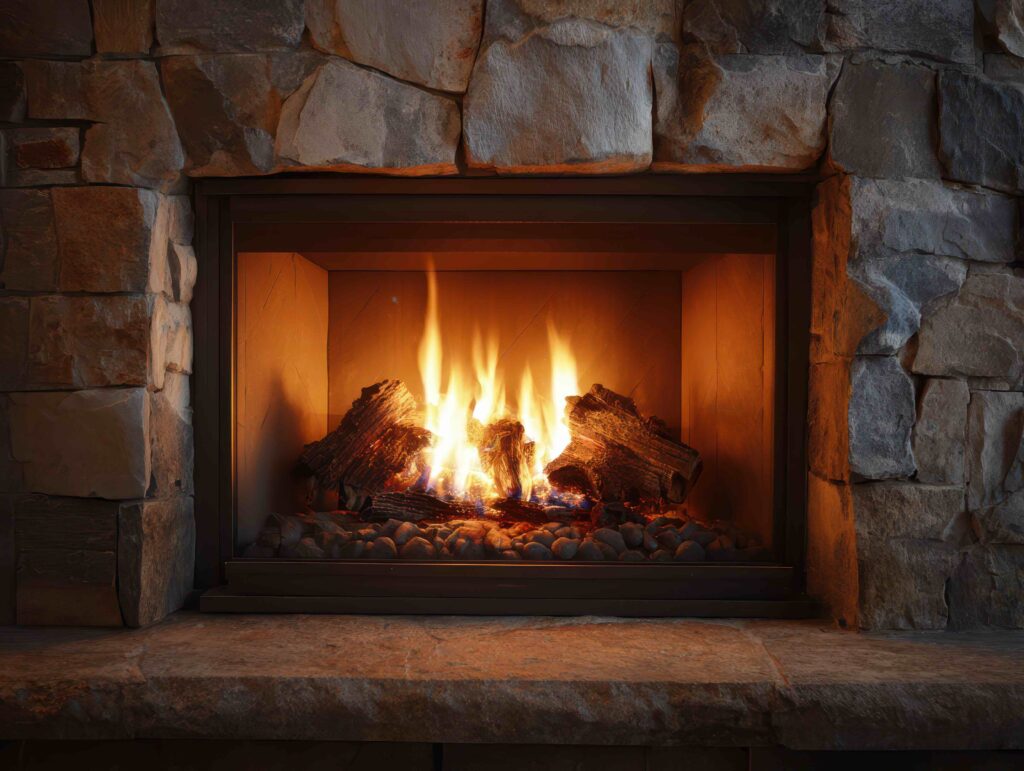
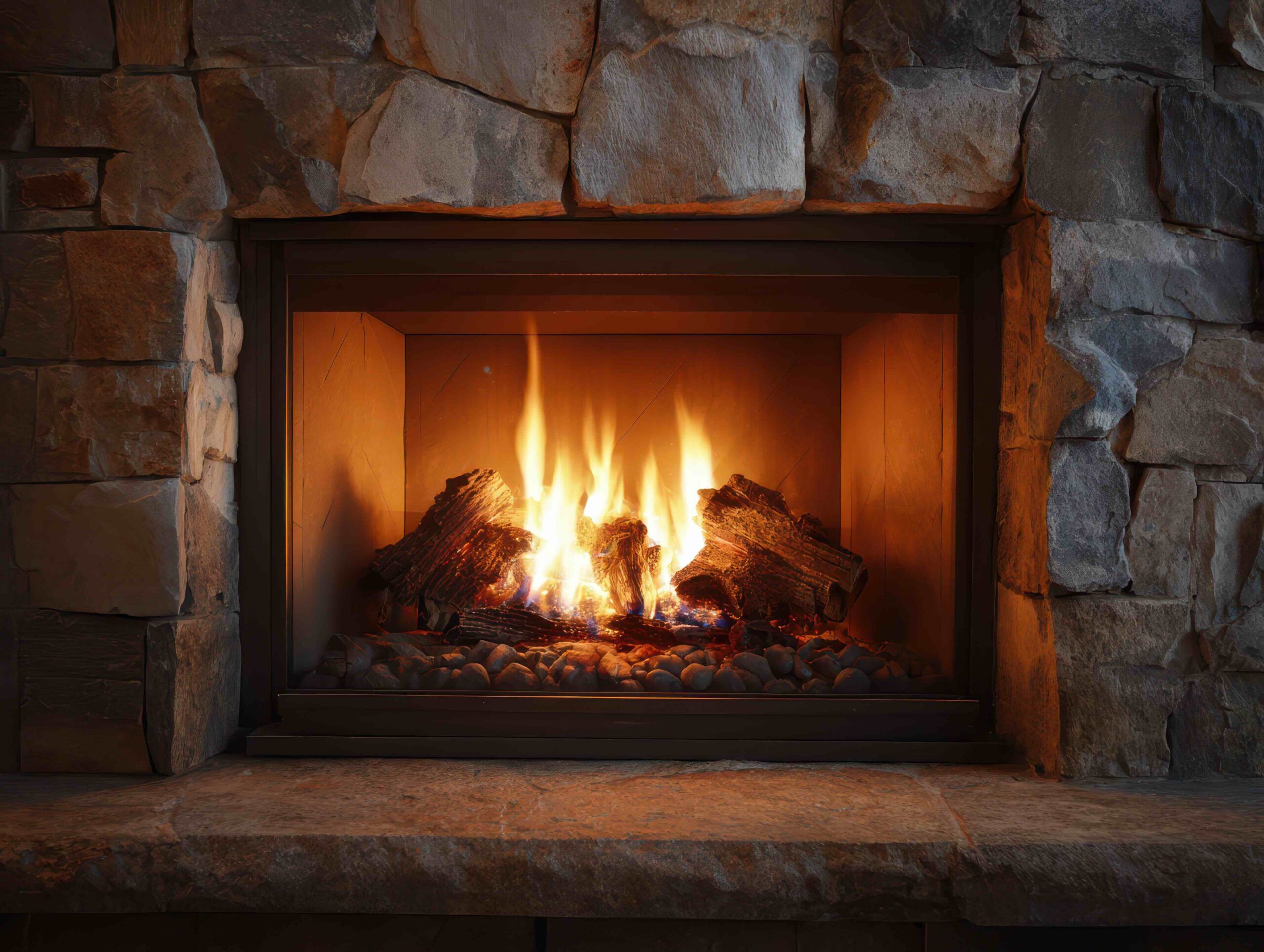
The mechanics are straightforward. The insert unit — which is an insulated, sealed firebox — slides into your existing fireplace cavity. A surround panel covers the gap between the insert and the original fireplace opening, giving it a clean, finished appearance. From there, a flexible liner is typically installed inside the existing chimney flue to properly vent combustion gases to the exterior. Depending on the fuel type, the insert will either burn wood, pellets, natural gas, propane, or use electric heating elements. Most modern inserts include a blower fan system that circulates heated air into the room rather than allowing it to escape straight up the chimney. This closed-combustion design is a significant departure from a traditional open-hearth fireplace, which notoriously loses the majority of its heat through the flue.
The Different Types of Fireplace Inserts Available
Choosing an insert starts with understanding what fuel types are available to you and what your priorities are. Each type has a distinct set of trade-offs worth knowing before you commit.
- Wood-burning inserts: Great for that authentic fire experience, but require regular maintenance, wood storage, and ash removal.
- Pellet inserts: Burn compressed wood pellets and are highly efficient, often featuring programmable thermostats and hoppers that feed fuel automatically.
- Gas inserts: The most popular choice for convenience — they ignite instantly, burn cleanly, and can operate with or without electricity depending on the model.
- Electric inserts: No venting required, easy installation, and ideal for decorative use or supplemental heat in mild climates.
- Propane inserts: Similar to gas, but useful in areas where natural gas lines are not available.
Key Advantages of Installing a Fireplace Insert
The benefits of upgrading to a fireplace insert go beyond aesthetics. The most immediate gain is efficiency. A traditional open fireplace operates at roughly 10 to 20 percent efficiency — the rest of that heat disappears up the chimney. A modern insert, by contrast, can achieve efficiencies ranging from 70 to over 80 percent, depending on the fuel type and model. That is a dramatic difference when you start looking at your heating bills during colder months. Beyond efficiency, inserts significantly reduce heat loss when the fireplace is not in use. Because the unit seals off the firebox, cold drafts that commonly sneak into homes through open dampers become far less of a problem. There is also a safety dimension — the enclosed combustion chamber reduces the risk of sparks and embers escaping into the living space, which is a genuine concern with open-hearth fireplaces.

Common Drawbacks to Keep in Mind
No home improvement comes without its complications, and fireplace inserts are no exception. Installation costs can be substantial. Depending on the insert type and whether a new liner is required, homeowners can expect to spend anywhere from $1,500 to upward of $5,000 or more when professional installation is factored in. Gas and pellet inserts also introduce mechanical components — blowers, igniters, thermostats, and fuel feed systems — that can develop issues over time. Wood-burning inserts demand more hands-on upkeep, including annual chimney cleaning and ash management. Electric inserts sidestep most of these headaches but are generally less powerful as a heat source. It is also worth noting that some inserts require a specific chimney liner size, which can add unexpected costs if your existing flue does not meet the requirements.
Installation: What to Expect From the Process
Most fireplace insert installations are completed in a single day by a qualified hearth professional. The process involves measuring the firebox opening, selecting an appropriately sized unit, installing the liner through the chimney, and seating the insert into the cavity. The surrounding facade is then fitted and sealed. Gas inserts will require a licensed gas technician to handle the fuel line connection. Permits may also be required depending on your municipality, so it is worth checking local codes before scheduling the installation. While some particularly handy homeowners attempt to install electric inserts themselves, professional installation is strongly recommended for anything involving gas lines, combustion venting, or chimney liner work.
Maintenance Tips to Keep Your Insert Running Well
Routine maintenance is the difference between an insert that runs efficiently for decades and one that causes headaches after just a few seasons. Regardless of fuel type, an annual inspection of the insert, liner, and chimney is considered best practice by the Chimney Safety Institute of America. For wood and pellet inserts, regular cleaning of the glass, ash pan, and burn chamber is necessary to maintain performance. Gas inserts benefit from annual servicing of the ignition system and blower. Pellet inserts in particular should have their exhaust venting and auger system checked for blockages, as pellet ash can accumulate faster than many homeowners anticipate. Keeping up with these tasks not only extends the life of the appliance but also ensures it continues operating safely.
How a Fireplace Insert Affects Your Home’s Value
From a resale perspective, a well-chosen fireplace insert can be a genuine selling point. Buyers in colder climates particularly appreciate a fireplace that actually functions as a heat source rather than just a decorative feature. Gas inserts tend to command the most interest in the resale market because of their convenience and low maintenance profile. However, the return on investment varies considerably by region and buyer preference. In areas where fireplaces are more of a lifestyle feature than a heating necessity, the financial return may be more modest. Either way, updating an outdated or non-functional fireplace with a quality insert is widely considered a worthwhile home improvement — both for current enjoyment and long-term property appeal.
Is a Fireplace Insert Covered by a Home Warranty?
This is one of the more overlooked questions homeowners ask, and it is a genuinely important one. Coverage for fireplace inserts under a home warranty depends heavily on the provider and the specific plan selected. Some home warranty plans cover built-in gas fireplaces and certain insert components, while others exclude them entirely or treat them as optional add-ons. As with most home systems, the mechanical components — blower motors, igniters, gas valves — tend to be the items most commonly addressed under warranty coverage. The firebox structure itself, the chimney, and cosmetic components are typically excluded. Reading the fine print of any warranty policy carefully is essential, especially if a fireplace insert represents a meaningful part of your home heating strategy.
Why Armadillo Is the Right Partner for Fireplace Insert Homeowners
When you invest in a fireplace insert, you are adding a mechanical system to your home — one with moving parts, fuel connections, and components that can and do wear out over time. Having the right protection in place before something goes wrong is simply smart homeownership. Armadillo home warranty plans built for modern homeowners are designed with exactly this kind of real-world coverage in mind — plans that make sense for homes where heating systems and appliances are actually being used. Armadillo offers transparent coverage, straightforward claims, and none of the fine-print runaround that makes traditional home warranty companies frustrating to deal with. Whether your insert is gas-powered, pellet-fed, or anything in between, knowing you have backup when a component fails is worth a serious look. If you are ready to explore what coverage looks like for your specific home setup, you can get a personalized home warranty quote for fireplace and home system coverage in just a few minutes.

Frequently Asked Questions About Fireplace Inserts
Here are answers to the questions homeowners ask most often when researching fireplace inserts.
What is the difference between a fireplace insert and a fireplace replacement?
A fireplace insert fits into your existing firebox opening without removing the surrounding masonry or structure. A full replacement involves removing the existing fireplace entirely and installing a new unit from scratch, which is significantly more invasive and expensive.
Can any fireplace accept an insert?
Most standard masonry and factory-built fireplaces can accommodate an insert, but the dimensions of the firebox opening must match the insert’s specifications. A professional measurement and site assessment is recommended before purchasing any unit.
How long does a fireplace insert typically last?
With proper maintenance, most quality fireplace inserts last between 20 and 30 years. Gas and pellet inserts may require more frequent component replacements, such as ignition modules or blower motors, throughout their lifespan.
Do fireplace inserts require a chimney liner?
In most cases, yes. Wood-burning and gas inserts typically require a properly sized chimney liner to safely direct combustion gases out of the home. Electric inserts are the exception, as they produce no exhaust and require no venting.
Are fireplace inserts energy efficient?
Yes, significantly more so than traditional open-hearth fireplaces. Modern inserts can achieve heating efficiencies of 70 to 85 percent or higher, compared to the 10 to 20 percent efficiency typical of an open masonry fireplace.
Can a fireplace insert serve as a primary heat source?
Some high-output inserts, particularly pellet and wood-burning models, can heat a significant portion of a home effectively. However, most inserts are best used as a supplemental heating source rather than a sole replacement for a central heating system.
What maintenance does a gas fireplace insert require?
Annual servicing is recommended and should include inspection of the gas line connections, ignition system, blower assembly, and venting. Cleaning the glass and interior components periodically also helps maintain performance and appearance.
Is a permit required to install a fireplace insert?
Permit requirements vary by location. Gas inserts almost universally require permits and must be connected by a licensed gas technician. It is always advisable to check with your local building authority before beginning installation.
Does a home warranty cover a fireplace insert?
Coverage depends on the home warranty provider and the plan chosen. Some plans cover mechanical components of built-in gas fireplaces, while others exclude fireplaces entirely or offer them as optional add-on coverage. Reviewing policy details carefully is essential.
What is the average cost to install a fireplace insert?
Total installation costs, including the unit and professional labor, typically range from $1,500 to $5,000 or more depending on the insert type, whether a chimney liner is needed, and local labor rates. Gas and pellet inserts generally fall on the higher end of that range.