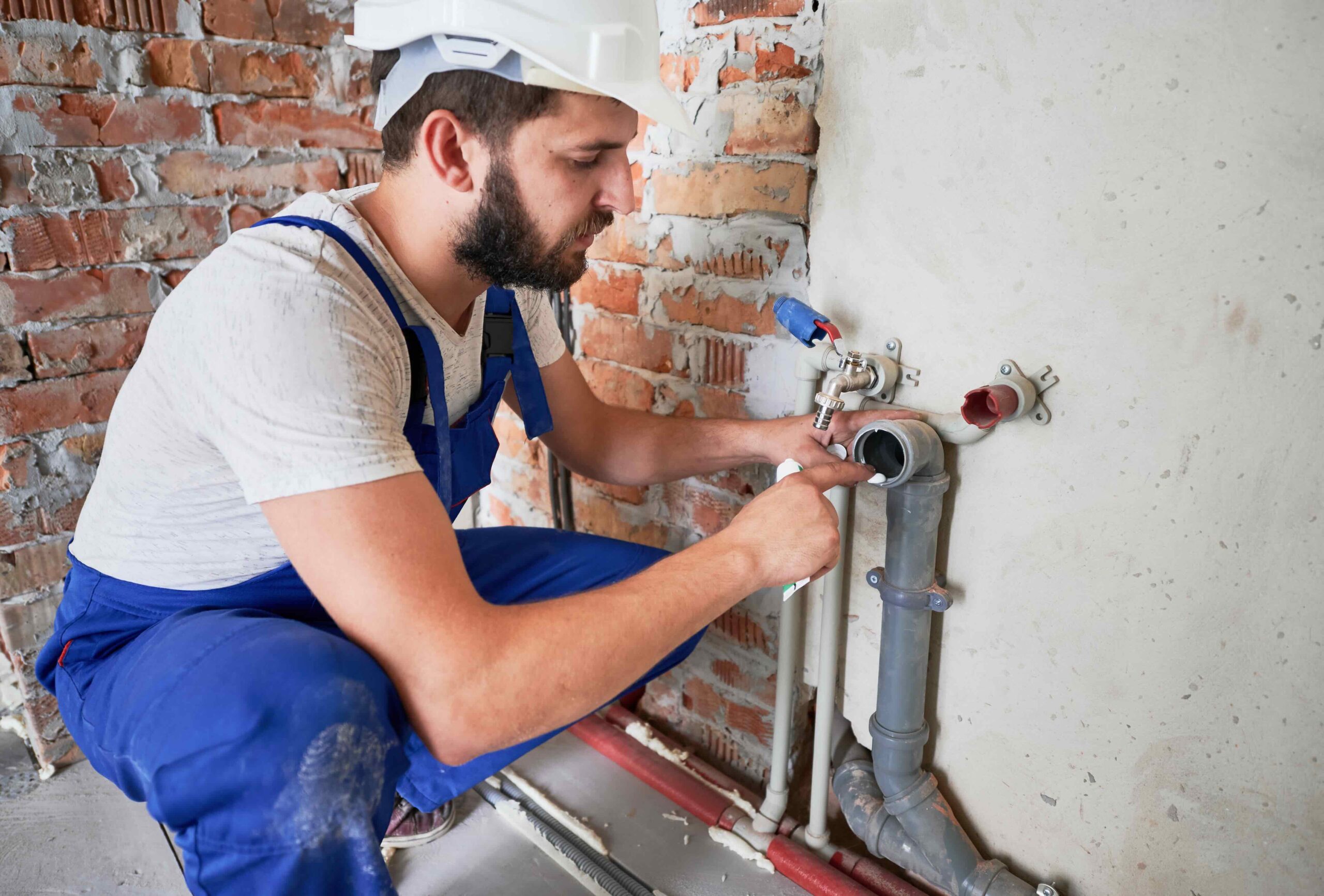
What Is a Fix Sewer Line and Why Should Every Homeowner Know About It
Your home’s sewer line is one of those systems that works completely out of sight — buried underground, doing its job quietly — right up until it doesn’t. When a sewer line fails, it fails loudly. We’re talking slow drains throughout the house, gurgling noises from toilets, sewage smells in the yard, or worse, a full backup. Fixing a sewer line is one of the more expensive and disruptive repairs a homeowner can face, which is exactly why understanding how the system works, what causes it to break down, and what your repair options look like puts you in a significantly stronger position. Let’s walk through all of it.
How Your Home’s Sewer Line Actually Works
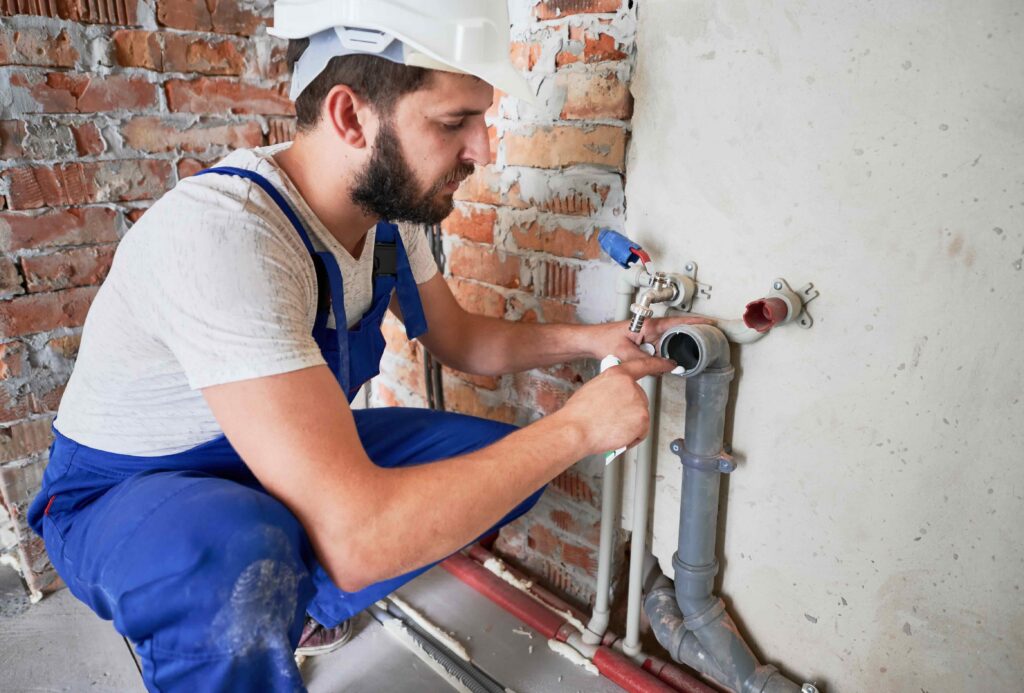
Every sink, toilet, shower, and appliance that uses water in your home connects to a network of drain pipes that eventually merge into one main sewer line. That line runs from your home’s foundation to the municipal sewer system at the street, or to a private septic tank if you’re outside city limits. Gravity does most of the heavy lifting — waste flows downhill through the pipe until it exits your property. The pipe itself is typically made from PVC plastic in newer homes, cast iron in mid-century construction, or clay tile in older properties. Each material ages differently, and that aging process is usually what leads to the need for a repair in the first place.
Common Causes of Sewer Line Damage
Sewer line problems don’t usually happen overnight. Most failures build over time, and knowing what causes them helps you catch warning signs earlier. A few of the most frequent culprits include the following.
- Tree root intrusion is probably the most common cause — roots naturally seek moisture, and a sewer line full of water and organic material is practically an invitation
- Ground shifting or soil settlement can crack or misalign pipe sections, especially in areas with freeze-thaw cycles or expansive clay soil
- Corrosion affects older cast iron and clay pipes as decades of use wear them down from the inside out
- Grease buildup and debris accumulation narrow the pipe’s interior over time until flow is restricted or blocked entirely
- Poor original installation, including inadequate slope or cheap materials, can accelerate failure timelines significantly
Signs Your Sewer Line Needs Attention
The body of your home usually gives you signals before a sewer problem becomes a full emergency. Multiple slow drains happening at the same time is a strong indicator that something is affecting the main line rather than just a single fixture. A gurgling toilet — particularly one that reacts when you run a sink or washing machine — is another classic red flag. Sewage odors near floor drains or in the yard point to a potential breach. Patches of unusually lush, green grass in your yard directly above where the sewer line runs can indicate a slow leak that’s been fertilizing the soil. And if you’ve had recurring backups that require professional snaking every few months, that’s not a plumbing quirk — that’s a symptom of a larger structural problem.

The Sewer Camera Inspection: Your First Step
Before any repair work begins, a reputable plumber will almost always recommend a sewer camera inspection. A small, waterproof camera is fed through a cleanout access point and travels the length of the line, transmitting live video so the technician can identify exactly what’s wrong and where. This step matters more than most homeowners realize. Without it, you’re guessing — and guessing wrong on a sewer repair is an expensive mistake. A camera inspection typically costs between $150 and $400 and gives you documented evidence of the problem, which also helps when filing a home warranty claim or negotiating a repair quote.
Sewer Line Repair Options Explained
Once the problem is identified, there are generally two broad approaches to fixing a sewer line: traditional excavation and trenchless repair. Traditional excavation involves digging up the ground above the damaged section and physically replacing the pipe. It is effective and straightforward, but it disrupts landscaping, driveways, and sometimes even interior flooring. Trenchless methods have become increasingly popular because they minimize surface disruption. Pipe lining, also called cured-in-place pipe lining, involves inserting a flexible tube coated in resin into the existing pipe, then inflating and curing it to create a new pipe inside the old one. Pipe bursting is another trenchless technique where a bursting head fractures the old pipe outward while simultaneously pulling a new pipe into place. Each approach has a different cost profile and suitability depending on the pipe’s condition, material, depth, and location.
What Sewer Line Repairs Typically Cost
Costs vary considerably based on repair method, pipe depth, accessibility, and regional labor rates. Spot repairs on a small section of damaged pipe can run anywhere from $500 to $1,500. A full trenchless lining job typically falls between $3,000 and $8,000 depending on pipe length. Traditional full-line replacement with excavation can range from $4,000 to $15,000 or more, especially if the line runs under a driveway or requires significant landscaping restoration afterward. These are not small numbers, and most homeowners have no financial preparation for a repair of this scale when it arrives unexpectedly. That reality is exactly why coverage matters.
Advantages of Addressing Sewer Problems Early
There is a strong case for not waiting on sewer line issues once you spot warning signs. A minor root intrusion caught early might require a simple clearing and a trenchless liner applied to a short section of pipe — a manageable repair. Left alone, that same intrusion can completely collapse the pipe or cause sewage to back up into the home, turning a moderate repair into a catastrophic one. Early intervention also preserves your options. You’re more likely to be eligible for trenchless methods when the pipe is structurally compromised but still intact. Once a pipe collapses entirely, excavation becomes unavoidable. Beyond cost, early action protects your home’s foundation, prevents potential health hazards from sewage exposure, and keeps your home insurable and marketable.
Maintenance Habits That Protect Your Sewer Line
A few consistent habits go a long way toward extending the life of your sewer line. Never flush anything other than toilet paper — wipes marketed as flushable are not actually drain-safe at scale. Avoid pouring grease or cooking oils down kitchen drains. Schedule a professional sewer inspection every three to five years, especially in older homes. If you have mature trees near your sewer line’s path, consider a periodic root-clearing treatment to stay ahead of intrusion. And if your home is more than 30 years old and has never had a sewer inspection, consider scheduling one soon — the age of the pipe alone makes it worth knowing what you’re working with.
How Armadillo Helps When Your Sewer Line Needs a Fix
Sewer repairs are unpredictable, expensive, and almost always poorly timed. That’s not a scare tactic — it’s just the reality of owning a home. Having a solid home warranty in place before something goes wrong is one of the most practical financial decisions a homeowner can make, and Armadillo’s home warranty plans built to protect your plumbing and sewer systems are designed with exactly this kind of situation in mind. Coverage for sewer line repairs means that when the camera goes down the pipe and reveals a problem, you’re not facing a five-figure repair with no support. You have a plan. If you want to know exactly what’s covered and what it costs to protect your home today, you can get a personalized home warranty quote that covers sewer line repairs and more in just a few minutes. Armadillo keeps things transparent, straightforward, and genuinely useful — because coverage that confuses you isn’t really coverage at all.

Frequently Asked Questions About Fixing a Sewer Line
These are the questions homeowners ask most often when dealing with sewer line issues, answered clearly and directly.
How do I know if my main sewer line is clogged or broken?
Multiple slow drains throughout the home, gurgling sounds from toilets, recurring backups, and sewage odors in the yard or near floor drains are the most common indicators that the main sewer line has a serious issue rather than a localized clog.
What is the difference between a sewer line clog and a sewer line collapse?
A clog is a blockage caused by debris, grease, or roots that can often be cleared. A collapse means the pipe has physically failed and cannot carry flow — this typically requires partial or full replacement and cannot be resolved by snaking or hydro-jetting alone.
How long does a sewer line repair take?
A trenchless pipe lining job on a standard residential line typically takes one to two days. Traditional excavation repairs vary based on the length of pipe being replaced and site conditions, but most jobs are completed within two to four days.
Is trenchless sewer repair as durable as traditional pipe replacement?
Yes, in most cases. Cured-in-place liners are rated to last 50 years or more under normal conditions and are resistant to root intrusion and corrosion. The method is widely accepted by plumbing professionals and municipal inspectors.
Does homeowners insurance cover sewer line repairs?
Standard homeowners insurance typically does not cover sewer line damage resulting from normal wear, aging, or tree roots. Coverage may apply if a sudden, covered peril like a vehicle accident or specific natural event causes the damage, but most sewer repairs fall outside standard policy terms.
Can a home warranty cover sewer line repairs?
Yes, many home warranty plans include coverage for the main sewer line as part of a plumbing system benefit. Coverage terms vary by provider, so reviewing what is and is not included before a problem occurs is important.
How much does it cost to replace an entire sewer line?
Full sewer line replacement using traditional excavation generally costs between $4,000 and $15,000, depending on pipe length, depth, accessibility, and regional labor rates. Trenchless replacement can reduce costs and disruption in eligible situations.
How often should a sewer line be inspected?
Most plumbers recommend a camera inspection every three to five years for homes over 20 years old. If you have large trees near the sewer path or a history of backups, annual inspections may be warranted.
What materials are residential sewer lines made from?
Modern homes typically use PVC, which is durable and resistant to corrosion. Homes built between the 1950s and 1980s often have cast iron, and older homes may have clay tile or Orangeburg pipe — a fiber material that degrades over time and is prone to collapse.
Can I use my home while a sewer repair is being done?
During most trenchless repairs, water use is restricted for the curing period, which is usually several hours to half a day. For excavation-based repairs, plumbers typically restore basic water service as quickly as possible, but you should discuss expectations with your contractor before work begins.