What Is a Fixed AC System and Why Does It Matter for Your Home?
Central air conditioning is one of those home systems that most people take for granted until something goes wrong — and then suddenly it is all anyone can think about. A fixed AC system, meaning a permanently installed central air conditioning unit as opposed to portable or window units, is the backbone of comfort for millions of homes across the country. Understanding how it actually works, what it costs to maintain, and when it tends to fail is genuinely useful information whether you are buying a home, living in one, or trying to figure out why your energy bill keeps climbing every August.
How a Central Air Conditioning System Actually Works
Here is the simplified version without losing any of the important detail. A central AC system works by pulling warm air from inside your home, passing it over a set of refrigerant-filled coils that absorb the heat, and then circulating the now-cooled air back through your ductwork. The heat that was absorbed gets expelled outside through the condenser unit — that boxy thing sitting on a concrete pad beside your house. The refrigerant cycles continuously between the indoor evaporator coil and the outdoor condenser, shifting from liquid to gas and back again as part of the heat exchange process. The thermostat acts as the brain of the whole operation, telling the system when to kick on and when to shut off based on your target temperature. It is a pretty elegant loop when it is working correctly.
The Key Components You Should Know About
A fixed central AC system is not just one unit — it is a collection of parts that all have to work together. Knowing the major components helps you have smarter conversations with technicians and make better decisions about repairs versus replacements.
- Compressor: The heart of the system. It pressurizes the refrigerant and keeps the cycle moving. When this fails, the repair bill tends to be significant.
- Evaporator Coil: Located inside your air handler or furnace. This is where the actual cooling of the air takes place.
- Condenser Coil: The outdoor counterpart. Releases the absorbed heat into the outside air.
- Air Handler and Blower Motor: Moves air through the ductwork and into your living spaces.
- Thermostat: Controls the entire system and increasingly comes in smart, programmable versions.
- Refrigerant Lines: Insulated copper tubes connecting the indoor and outdoor components.
- Ductwork: The delivery system for conditioned air throughout the home.

The Advantages of a Fixed Central AC System
There is a reason central air conditioning is standard in most new construction homes. It offers whole-home cooling from a single system, which means consistent temperatures across every room rather than the hot-and-cold patchwork you get from portable units. The air quality piece matters too — central systems pull air through filters that trap dust, pollen, and other particles, which is a meaningful benefit for anyone dealing with allergies. From a noise standpoint, central AC runs quietly compared to window units, and aesthetically it keeps windows clear and rooms looking clean. When properly sized for the home, a central system is also more energy-efficient per square foot than running multiple standalone units.
The Common Drawbacks and Real Costs to Plan For
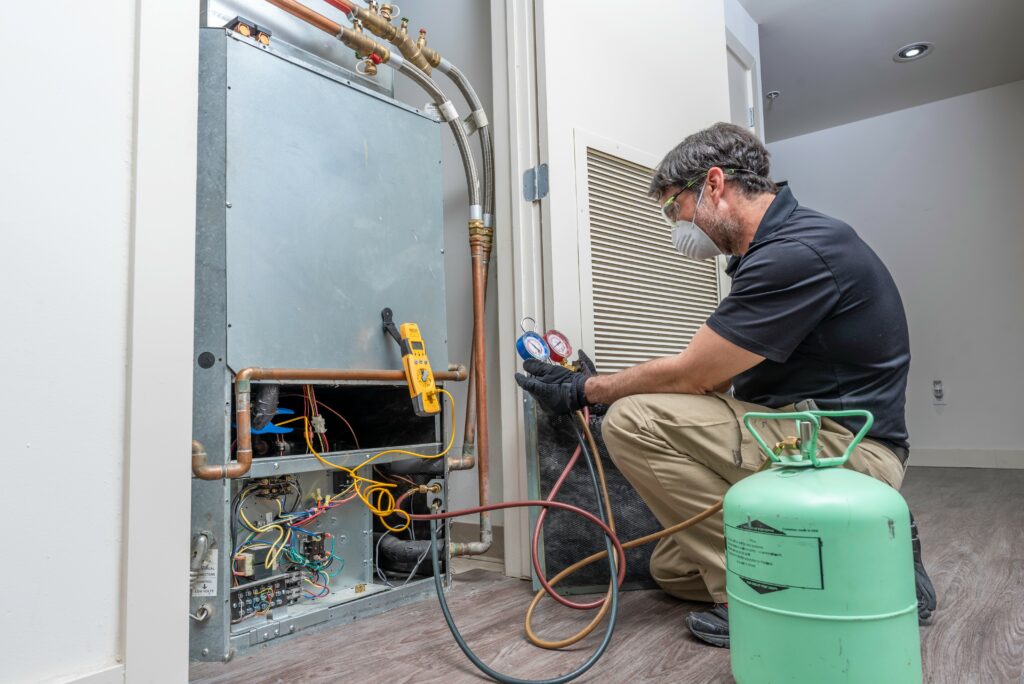
No system is without its downsides, and central AC is no exception. The upfront installation cost is the first hurdle — a new system with installation typically runs between four thousand and twelve thousand dollars depending on the size of the home, the efficiency rating of the unit, and whether existing ductwork needs to be replaced or modified. Ongoing maintenance is not optional either. Annual professional tune-ups, regular filter changes, and periodic coil cleanings are necessary to keep the system running efficiently and to avoid premature breakdowns. Refrigerant leaks, frozen coils, failing capacitors, and blower motor issues are among the most common repair scenarios, and none of them are inexpensive. Ductwork that is old, leaky, or poorly designed can also undermine efficiency in ways that are surprisingly hard to diagnose without a professional assessment.
How Long Should a Central AC System Last?
The average central air conditioning system has a lifespan of roughly fifteen to twenty years, though that range has a lot of variables attached to it. Systems in climates that demand heavy use over long seasons will age faster than those in milder regions. Maintenance history matters enormously — a system that has been serviced annually and had filters changed consistently will almost always outlast one that has been ignored. Brand and build quality play a role, as does proper installation. An undersized or oversized system cycles on and off more frequently than it should, which accelerates wear on the compressor and other components. Knowing the age of your system when you buy a home is important information to have, particularly when evaluating your repair and replacement exposure going forward.
Maintenance Tips That Actually Make a Difference
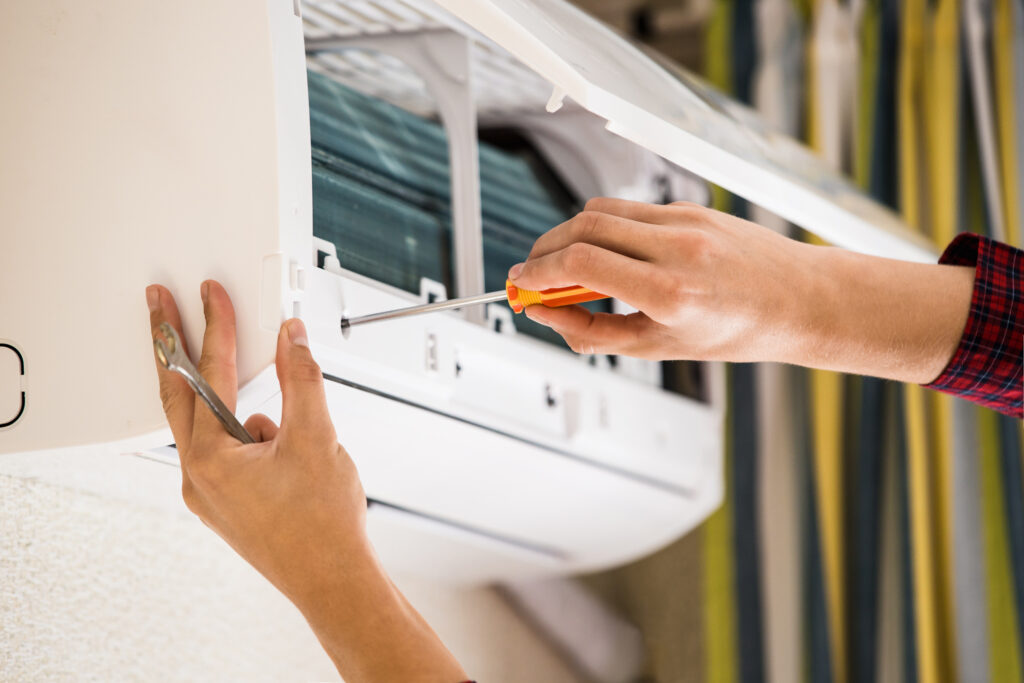
Staying ahead of AC problems is almost always cheaper than reacting to them. The fundamentals are not complicated, but consistency is what makes them effective.
- Change air filters every one to three months, depending on usage and household conditions like pets or allergies.
- Schedule a professional tune-up once a year, ideally in the spring before cooling season begins.
- Keep the outdoor condenser unit clear of debris, plants, and obstructions on all sides.
- Check refrigerant levels and inspect for leaks during annual service visits.
- Make sure your thermostat is calibrated correctly and consider upgrading to a programmable or smart model.
- Inspect visible ductwork for gaps, disconnections, or signs of deterioration.
- Listen for unusual sounds — rattling, grinding, or hissing are early warning signs that something needs attention.
When to Repair Versus When to Replace
This is the question most homeowners dread, and there is a practical way to think through it. A commonly used guideline in the HVAC industry is the five thousand dollar rule: multiply the age of the system in years by the estimated repair cost. If that number exceeds five thousand dollars, replacement is generally the more financially sound decision. A fifteen-year-old system facing a two-thousand-dollar compressor repair clears that threshold. Efficiency is another factor — older systems carry lower SEER ratings than modern units, which means replacing an aging system with a high-efficiency model can meaningfully reduce monthly energy costs. If your system is under ten years old and the repair is straightforward, fixing it is usually the right call. Beyond that, the math tends to shift.
Why Home Warranty Coverage Makes Sense for Your AC System
A central air conditioning system is one of the most expensive mechanical components in any home, and it is also one of the most likely to need significant repair at some point during your ownership. That combination is exactly why home warranty coverage is worth serious consideration. Armadillo home warranty plans built for modern homeowners are designed with real systems in mind — including the kind of central AC failures that tend to surface at the worst possible time, like the first genuinely hot week of summer. Rather than absorbing a four-figure repair bill out of pocket, a home warranty plan shifts that financial exposure in exchange for a predictable annual cost. If you have been thinking about this kind of protection for your cooling system, now is a smart time to act — you can get a free home warranty quote that covers your central AC system in just a few minutes and know exactly what you are looking at before the next repair need surfaces.

Frequently Asked Questions About Central Air Conditioning Systems
Here are answers to the questions homeowners most commonly ask about fixed central AC systems, how they work, and how to keep them running well.
How often should a central air conditioning system be serviced?
A central AC system should be professionally serviced once per year. The best time is spring, before the cooling season begins, so any issues can be identified and addressed before demand peaks.
What is the average lifespan of a central air conditioner?
Most central air conditioning systems last between fifteen and twenty years. Consistent maintenance, climate conditions, and system sizing all affect how long a unit will perform reliably.
Why is my central AC running but not cooling the house?
This is often caused by a dirty air filter, low refrigerant levels, a frozen evaporator coil, or a failing compressor. A professional diagnostic visit is the most effective way to identify the root cause.
How do I know if my AC system is the right size for my home?
An HVAC professional can perform a load calculation based on your home’s square footage, insulation, window placement, and climate zone. An oversized or undersized system creates efficiency and comfort problems over time.
What does SEER rating mean and why does it matter?
SEER stands for Seasonal Energy Efficiency Ratio. It measures how efficiently an AC system converts electricity into cooling output over a season. Higher SEER ratings mean lower energy consumption and typically lower monthly utility costs.
Is it worth repairing an older central AC system or should I replace it?
A practical guideline is to multiply the system’s age by the repair cost. If the result exceeds five thousand dollars, replacement is generally the smarter financial decision. Systems older than fifteen years facing major repairs typically fall into this category.
What causes a central AC system to freeze up?
Frozen coils are commonly caused by restricted airflow from a clogged filter, low refrigerant, or a malfunctioning blower motor. Turning the system off and allowing it to thaw is the first step, followed by identifying and correcting the underlying cause.
Does a home warranty cover central air conditioning systems?
Many home warranty plans include coverage for central AC systems, though the specific terms, coverage limits, and exclusions vary by provider and plan. Reviewing what is covered before a breakdown occurs is always the smarter approach.
How much does it cost to replace a central air conditioning system?
Replacement costs typically range from four thousand to twelve thousand dollars depending on system size, efficiency rating, brand, and whether ductwork modifications are needed. Labor and local market rates also factor into the final number.
What is the best thermostat setting for energy efficiency in summer?
The U.S. Department of Energy recommends setting your thermostat to 78 degrees Fahrenheit when you are home and higher when you are away. Programmable and smart thermostats make it easier to automate these adjustments without sacrificing comfort.