The Flexible Air Conditioner: A Smart Cooling Solution for Modern Homes
Heating and cooling consumes nearly half the energy use in a typical American home, making HVAC efficiency a top concern for homeowners seeking comfort without overspending. Among the emerging solutions gaining popularity is the flexible air conditioner. Whether you’re upgrading your system or managing an older home’s limitations, flexible air conditioning offers a unique blend of efficiency, adaptability, and cost-effectiveness. For homeowners navigating warranties and long-term maintenance, knowing how systems like these work—and what risks they carry—matters more than ever.
What Is a Flexible Air Conditioner?
A flexible air conditioner is a cooling system designed to adapt to a range of spaces and environments. Unlike traditional central air setups that require extensive ductwork, flexible systems include ductless mini-splits, portable air conditioners, and hybrid systems that combine ducted and ductless elements. These units provide cooling where and when it’s needed, giving homeowners more nuanced control over their comfort.
At its core, a flexible air conditioner operates on the same basic refrigeration principles as any air conditioning system: it removes heat from indoor air and expels it outside using a refrigerant cycle. However, the way flexible systems deliver cooled air makes them particularly well-suited for homes with space constraints, historic architecture, or areas without existing ductwork. They’re scalable, customizable, and—when installed correctly—highly energy-efficient.
How Flexible Air Conditioners Work
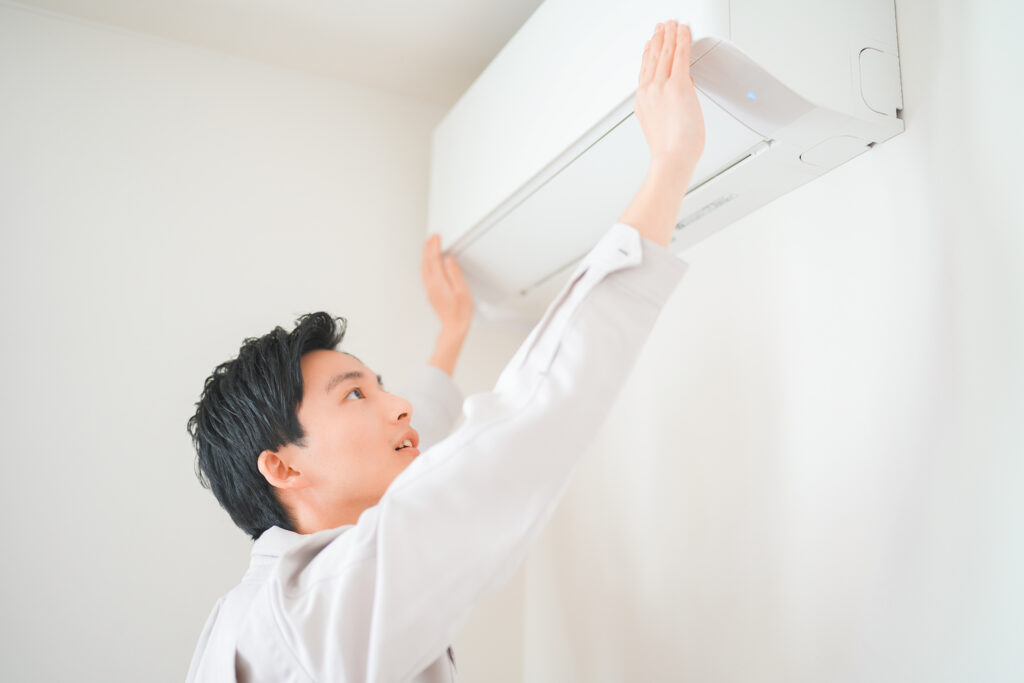
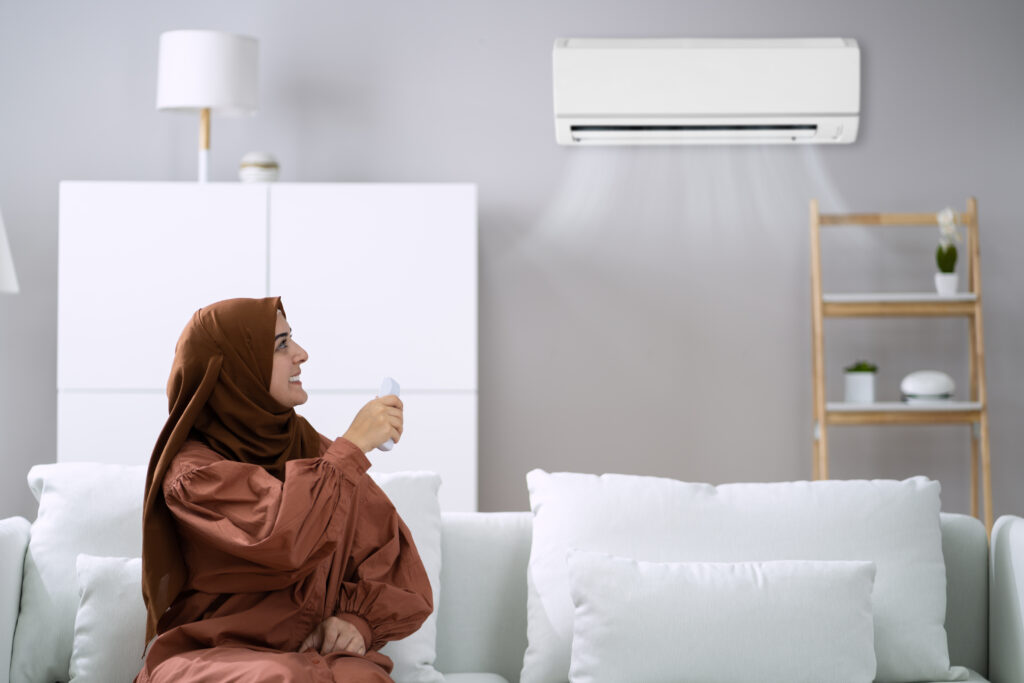
Most flexible air conditioners function through either direct or indirect airflow delivery. In a ductless mini-split, for example, compact indoor units mount on walls and connect to an outdoor compressor via refrigerant lines. Each indoor unit cools a specific zone. The homeowner or system controller manages temperature settings by zone, allowing for targeted comfort throughout the home.
In a portable or window unit model, the apparatus is self-contained. You plug it in, route the exhaust hose or vent outside, and control it directly using a remote or integrated thermostat. Though less optimized for multi-room cooling, these temporary setups offer supplementary relief and are popular in rental properties or guest rooms that require less frequent climate control.
Hybrid options take it further: A single outdoor condenser might support both ducted infrastructure in shared living areas and ductless handlers in home offices or additions. Flexible systems thus suit older homes that can’t accommodate full duct installations or modern renovations that need selective temperature regulation.
Key Advantages for Homeowners
Flexible air conditioners present several meaningful benefits for today’s homeowner. First is installation ease. Because many flexible models don’t require ducts, retrofitting an older home with modern cooling becomes significantly easier and more affordable. Wall-mounted indoor units connect to exterior condensers through minimal penetrations—no attic access or extensive routing needed.
Next is zoning control. Flexible AC allows homeowners to fine-tune the temperature in individual rooms or zones. This leads to reduced energy use, especially in homes where not every space is occupied full-time. Instead of cooling an entire second floor, for instance, you might run the unit only in the bedrooms at night. The long-term energy savings can be substantial.
Lastly, flexible units offer aesthetic minimalism without sacrificing performance. With sleek indoor units and quiet operation, they blend into modern interiors without bulky vents or noisy airflow. Their performance efficiency often qualifies homeowners for local or federal energy rebates, potentially offsetting upfront costs.
Common Drawbacks and Considerations
No system is perfect, and flexible air conditioners come with trade-offs. Installation cost, while often lower than central AC in retrofit scenarios, can still be substantial—particularly with multi-zone ductless systems. Homeowners may spend more per indoor unit compared to expanding a ducted system, although this depends heavily on the home’s existing infrastructure.
Maintenance is another point to manage. Filters need regular cleaning, more frequently than central systems due to reduced capacity. Outdoor condensers in split systems can be sensitive to weather exposure if not properly sheltered. Portable units, while affordable, typically underperform in terms of energy efficiency and noise when compared to split systems.
The visual presence of indoor units on walls or ceilings can be off-putting to homeowners focused on décor. While the aesthetics have improved, not everyone wants visible HVAC equipment in every room. There’s also a learning curve in zones and remotes that may deter some users initially.
Do Flexible AC Units Affect Your Home Warranty?
Any time a homeowner invests in new mechanical equipment, home warranty coverage becomes part of the conversation. Flexible air conditioning systems, particularly ductless mini-splits, fall into an evolving category for many home warranty providers. While standard warranties may cover traditional HVAC components, they often exclude newer or hybrid setups unless explicitly included in the policy.
If you’re adding a flexible AC unit, it’s critical to verify with your home warranty provider whether the system—and each component—is protected. Uncovered compressors, electronic controls, or failing wiring can result in high out-of-pocket expenses. Make sure the coverage adapts alongside your home’s evolving HVAC landscape. Better yet, consider a provider that understands modern equipment and offers transparent terms on what’s protected.
Flexible AC Maintenance Tips to Maximize Lifespan
To keep flexible air conditioners functioning at peak efficiency, consistent maintenance is key. Start by cleaning filters every one to two months, or more frequently if you have pets or allergy concerns. Outdoor units should be inspected seasonally to remove debris and check refrigerant lines for signs of wear.
For ductless systems, ensure internal components—including fan coils and drainage solutions—receive professional inspection at least once per year. Many performance failures stem from clogged components or undetected refrigerant leaks. Smart homeowners often schedule a seasonal HVAC service visit in spring or early summer to catch potential issues before peak use.
Owners of portable models should check exhaust vent seals and condensation drainage to prevent mold or leakage. Don’t store portable ACs with moisture inside their tanks—always empty and dry them before storage once cooling season ends.
Choose Flexible Cooling with a Warranty Partner That Keeps Up
Investing in a flexible air conditioning system can dramatically transform your home’s comfort—especially if your layout or infrastructure limits the capabilities of a traditional system. But protecting that investment matters just as much as choosing the right model. Your cooling system won’t last forever, which means repairs are a question of when, not if.
That’s where Armadillo comes in. As a modern home warranty provider, Armadillo understands the shifting landscape of household technology, including flexible cooling systems. Their coverage solutions are crafted to adapt, just like your home. Flexible doesn’t have to mean unprotected.
Before installing a new ductless or portable system, explore how Armadillo can help support your home with real coverage plans and straightforward service. Visit Armadillo’s homepage to learn more, or jump right in with their quick and easy plan builder to find coverage tailored for your zip code. Your home’s future is flexible—it’s time your warranty was too.