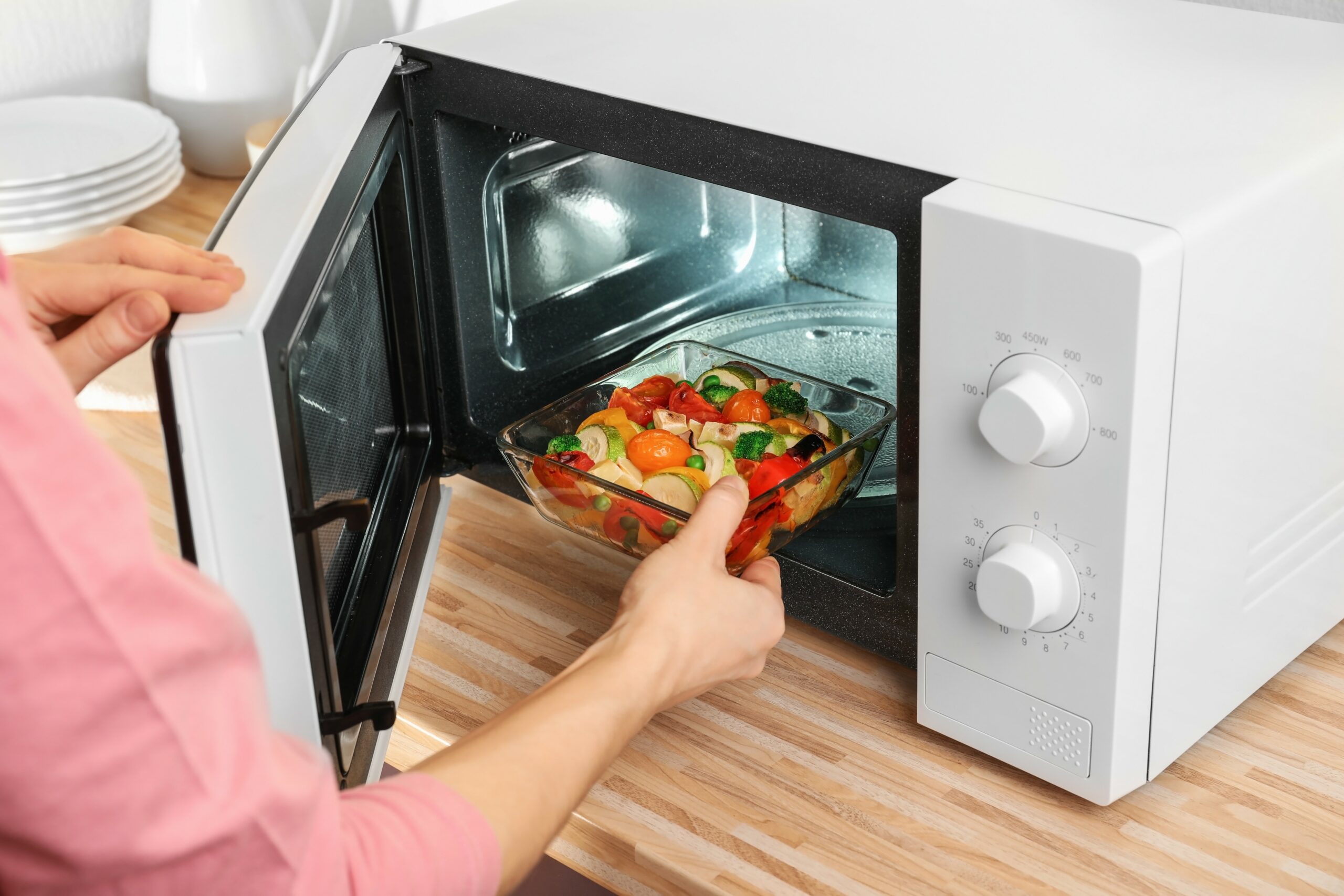
What Happens When You Put Foil in a Microwave — And What It Tells You About Your Appliance
Most homeowners have heard the warning at least once: never put aluminum foil in the microwave. It is one of those kitchen rules that gets passed down without much explanation. But the science behind it is actually fascinating, and understanding it opens up a much bigger conversation about how microwave ovens work, how they fit into your home, and what it means when they stop working right. Whether you are troubleshooting a strange spark or just curious about that humming box on your counter, this breakdown will walk you through everything you need to know.
How Microwave Ovens Actually Work
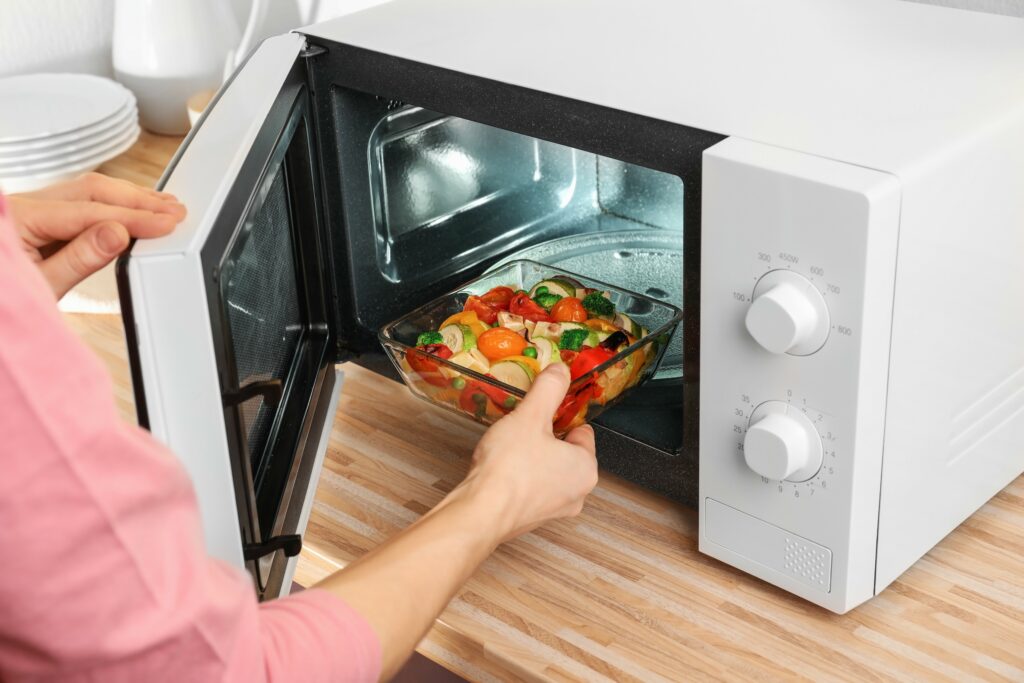
A microwave oven heats food using electromagnetic radiation — specifically, microwave-frequency waves generated by a component called a magnetron. These waves penetrate food and cause water molecules inside to vibrate rapidly, which produces heat from the inside out. That is why a microwave can warm a bowl of soup in two minutes while the bowl itself stays relatively cool. The waves pass through certain materials, like glass, ceramic, and most plastics, but they interact very differently with metal. And that interaction is exactly where aluminum foil becomes a problem.
Why Foil Causes Sparks in a Microwave
When microwave radiation hits a thin, conductive metal like aluminum foil, the electrons in the metal react. The waves cause those electrons to move rapidly, and when there are sharp edges or crinkles in the foil, the electric charge concentrates at those points. The result is what physicists call arcing — essentially a miniature lightning bolt jumping between surfaces inside the oven cavity. That is the spark you see. Arcing can damage the interior walls, burn the waveguide cover, and in serious cases, cause a fire or permanently damage the magnetron. This is not just a scare story. It is basic electromagnetic physics playing out in your kitchen.

Is Any Metal Ever Safe in a Microwave
This is where things get a little more nuanced. Not all metal is equally dangerous in a microwave. Manufacturers sometimes include metal racks in microwave ovens specifically designed to hold certain cookware at an elevated height. These racks are engineered with the right geometry and grounding to prevent arcing. Similarly, small amounts of smooth, flat foil used intentionally — like shielding a chicken wing tip to prevent overcooking — can be done carefully in some microwaves. The key variables are shape, thickness, and proximity to the oven walls. Crinkled, thin foil with sharp points near metal walls is a recipe for damage. Smooth, flat metal placed deliberately and sparingly is a different scenario, though it is always best to consult your appliance manual before experimenting.
Common Signs Your Microwave Has Sustained Damage
If foil or another metal object has been accidentally microwaved in your home, the damage is not always immediately obvious. Here are the most common signs that something went wrong internally:
- Visible burn marks or black scorch marks on the interior walls or ceiling
- A burning or electrical smell during or after use
- The microwave runs but no longer heats food effectively
- Unusual buzzing, clicking, or humming sounds during operation
- The light inside flickers or the turntable stops rotating
- Sparking that occurs even without metal objects present
Any of these symptoms warrant either a professional inspection or, depending on the age of the unit, a full replacement. Microwaves are generally not worth repairing if the magnetron has failed, since the component cost often exceeds the value of the appliance.
Microwave Lifespan and What Affects It
The average microwave oven lasts between seven and ten years with regular use. That number drops significantly if the appliance is subjected to misuse — including repeated arcing events. Countertop models tend to have shorter lifespans than over-the-range or built-in models, primarily because they see heavier daily use in most homes. Factors like ventilation, cleaning habits, and power surges also play a role. A microwave that is never cleaned, frequently overheated, or poorly ventilated will degrade faster. Keeping the interior clean, avoiding metal cookware, and ensuring the unit has adequate clearance for ventilation are some of the simplest ways to extend its life.
Practical Tips for Safe and Effective Microwave Use
Getting the most out of your microwave without risking damage comes down to a few consistent habits. The foil issue is just one piece of the puzzle. Here are some practical guidelines every homeowner should follow:
- Always use microwave-safe containers labeled as such
- Avoid sealing containers or covering food with non-vented lids, which can cause pressure buildup
- Clean spills immediately to prevent buildup that can absorb microwaves and create hot spots
- Never run the microwave empty, as this can damage the magnetron
- Check that the door seals properly before each use
- Use lower power settings for delicate foods to reduce the risk of uneven heating
When Microwave Repairs Become a Financial Burden
Microwave repairs can range from simple fixes — a blown fuse, a burned door switch — to expensive component replacements. A magnetron replacement, for example, can cost anywhere from one hundred to two hundred dollars in parts alone, before labor is factored in. For a countertop unit that retails for under one hundred and fifty dollars, that math simply does not work out. Over-the-range models are a different situation because they are integrated into the kitchen and involve more complex installation costs. Understanding the repair-versus-replace calculus for your specific microwave type is important, and having a plan in place before something breaks is even better. This is where home warranty coverage becomes worth examining more closely.
How a Home Warranty Connects to Your Microwave and Kitchen Appliances
A home warranty is a service contract that helps cover the cost of repairs or replacements for major home systems and appliances when they fail due to normal wear and tear. Depending on the plan, this can include built-in microwaves, dishwashers, refrigerators, ovens, and more. The distinction matters: home warranties are not the same as homeowners insurance, which covers damage from external events like fire or flooding. A home warranty steps in when a system or appliance simply wears out — which is exactly what happens to most kitchen appliances over time. For homeowners who have invested in mid-range or premium appliances, having that financial backstop can make a significant difference when something breaks unexpectedly.
Why Armadillo Is the Right Partner for Protecting Your Home Appliances
When a microwave arcs, a fuse blows, or a kitchen appliance fails at the worst possible time, the last thing you want to deal with is a complicated claims process or surprise out-of-pocket costs. That is exactly the kind of headache Armadillo was built to eliminate. As a modern home warranty provider designed for today’s homeowners, Armadillo offers straightforward coverage with transparent terms, so you actually understand what is protected before you ever need to make a call. Whether it is a built-in microwave that sparked one too many times or a refrigerator that stopped cooling without warning, Armadillo’s plans are built to provide real relief when real things break. If you are ready to stop guessing about what your appliances are actually worth protecting, take a moment to get a personalized home warranty quote for kitchen appliance coverage and see what a plan that actually makes sense looks like for your home.
Frequently Asked Questions About Microwaves, Foil, and Home Appliance Coverage
Here are answers to the questions homeowners ask most often about microwave safety, damage, and appliance protection.
Why does aluminum foil spark in the microwave?
Aluminum foil is a thin conductive metal that causes electrons to react intensely when exposed to microwave radiation. The electrical charge concentrates at sharp edges or crinkled points, resulting in arcing — visible sparks — that can damage the appliance interior and potentially start a fire.
Can using foil once actually damage my microwave permanently?
It depends on the duration and severity of the arcing event. A brief spark may cause minor cosmetic damage, while prolonged arcing can burn the waveguide cover or damage the magnetron, which is expensive to replace and often makes repair impractical.
Are there any situations where foil is safe to use in a microwave?
Some manufacturers allow small, smooth pieces of foil to shield specific food areas from overcooking. However, this should only be attempted when the owner’s manual explicitly permits it, and foil must never touch the microwave walls or contain sharp, crinkled edges.
What materials are actually safe to use in a microwave?
Glass, ceramic, and microwave-safe plastics are generally safe. Always look for the microwave-safe label on containers. Avoid metal cookware, containers with metallic glazes, and styrofoam that is not specifically labeled as microwave-safe.
How long do microwave ovens typically last?
Most microwave ovens last between seven and ten years under normal use. Over-the-range and built-in models may last slightly longer due to more robust construction, while countertop models often face heavier daily use and may wear out sooner.
Is it worth repairing a microwave or should I replace it?
If the repair cost exceeds fifty percent of the appliance’s replacement value, replacement is generally the more practical choice. Magnetron failures in particular are costly and often make older microwaves uneconomical to repair.
Does a home warranty cover microwave damage caused by putting foil in it?
Home warranties typically cover mechanical failures due to normal wear and tear, not damage resulting from misuse or operator error. Accidental foil-induced arcing damage would generally fall outside standard warranty coverage, so it is important to review your specific plan terms.
What does a home warranty actually cover when it comes to kitchen appliances?
Coverage varies by plan, but most home warranties cover built-in kitchen appliances including microwaves, dishwashers, refrigerators, and ranges when they fail due to normal wear and tear. Countertop appliances are less commonly covered and should be verified in the policy details.
How is a home warranty different from homeowners insurance for appliance issues?
Homeowners insurance covers damage caused by external events like fire, theft, or water damage from a burst pipe. A home warranty covers the mechanical breakdown of systems and appliances from everyday use and age. The two products serve different but complementary purposes.
What should I do immediately after my microwave sparks or arcs?
Stop the microwave immediately, remove the metal object causing the arcing, and inspect the interior for scorch marks or burn damage. If the appliance smells like burning, produces ongoing sparks without a metal source, or fails to heat properly afterward, discontinue use and consult a professional technician.