What Is a Forced Air Heating System and Why Do So Many Homes Have One?
If you have a furnace in your home, there is a good chance you are already living with a forced air heating system — you just might not have known what to call it. Forced air heating is the most common method used to heat homes across the United States, and for good reason. It is efficient, relatively affordable, and works with the ductwork that most homes already have installed. Understanding how this system works, what it costs to maintain, and what can go wrong helps you stay ahead of problems before they become expensive surprises.
How a Forced Air Heating System Actually Works
The concept is straightforward. A furnace — typically powered by natural gas, propane, oil, or electricity — generates heat. A blower motor then pushes that heated air through a network of ducts and out through vents located throughout your home. Cold air is pulled back through return vents, reheated, and the cycle continues until your thermostat registers the target temperature and signals the system to rest. The whole process moves quickly, which is part of the appeal. Forced air systems heat a space noticeably faster than many alternatives, making them especially practical in colder climates where you need results and you need them now.
The Main Components You Should Know About
A forced air system is not just a furnace. It is a collection of parts that all need to function together properly. When one component fails, the whole system can underperform or shut down entirely. Here are the primary components homeowners should be familiar with:
- The furnace or air handler, which generates and manages heat
- The blower motor, which circulates air through the duct system
- The heat exchanger, which transfers heat without mixing combustion gases into your living air
- The ductwork, which carries conditioned air to every room
- The thermostat, which controls when and how the system operates
- The air filter, which captures dust, debris, and allergens before they circulate
Each of these components has a lifespan, and each one will eventually need maintenance or replacement. That is not a flaw in the design — it is just the reality of any mechanical system that works hard every single winter.
Key Advantages of Forced Air Heating
There are real reasons why forced air heating became the dominant system in American homes. The infrastructure — meaning the ductwork — is already in place in most houses, which makes installation or replacement significantly less disruptive and less expensive compared to systems that require new piping or radiant panels. Forced air systems also double as a cooling delivery method in the summer. If your home has central air conditioning, it uses the same ducts. That dual-purpose functionality adds meaningful value. Additionally, modern furnaces have become remarkably efficient. High-efficiency gas furnaces now achieve Annual Fuel Utilization Efficiency ratings above 95 percent, meaning very little of the fuel you pay for goes to waste.

Common Drawbacks Worth Understanding
No heating system is without its limitations, and forced air is no exception. One of the most common complaints is uneven heating. Because air travels through ducts and exits through specific vents, some rooms may feel warmer or cooler than others depending on duct layout, insulation quality, and vent placement. Ductwork can also develop leaks over time, which reduces efficiency and drives up energy costs. Forced air systems move air, which means they can also move dust, pet dander, and airborne allergens if the filter is not maintained properly. For households with allergy sensitivities, that is worth factoring in. Finally, the blower motor and other mechanical components generate noise. It is not disruptive for most people, but it is something first-time homeowners sometimes notice.
How Long Does a Forced Air Furnace Last?
A well-maintained gas furnace typically lasts between 15 and 20 years. Some push past that range, and others fall short depending on usage patterns, maintenance history, and the quality of the original installation. Electric furnaces tend to outlast gas units, sometimes reaching 20 to 30 years of service. The blower motor, heat exchanger, and ignitor are the components most likely to need attention before the system reaches the end of its life. Annual inspections by a licensed HVAC technician significantly extend system longevity and reduce the likelihood of mid-winter failures — which, in colder climates, can shift quickly from an inconvenience to a genuine safety concern.
Maintenance Tips Every Homeowner Should Follow
Keeping a forced air system running well does not require a technical background. Most of the routine maintenance is simple and consistent. Change the air filter every one to three months depending on filter type and household conditions — more often if you have pets or anyone in the home with respiratory sensitivities. Keep supply and return vents clear of furniture and obstructions. Schedule a professional HVAC tune-up once a year, ideally before heating season begins. Have the ductwork inspected periodically for leaks, especially in older homes. And keep the area around the furnace clean and unobstructed. These are not complicated tasks, but skipping them compounds over time into bigger, more expensive problems.
What Repairs Cost and Why They Matter for Your Budget
Furnace repairs range widely in cost depending on the component involved. A basic ignitor replacement might run a couple hundred dollars. A blower motor failure can cost significantly more once parts and labor are factored in. A cracked heat exchanger — which is both a performance issue and a safety concern given the risk of carbon monoxide — can make replacement of the entire unit the more economical path forward. A new furnace installation typically runs between $2,500 and $7,500 or more depending on unit type, efficiency rating, and installation complexity. Those are not small numbers, and they have a way of arriving at the worst possible time. Understanding the potential cost exposure is the first step toward managing it intelligently.
Forced Air Heating and Home Warranty Coverage
This is where things get genuinely practical. A home warranty plan that includes heating system coverage can absorb the cost of many of the repairs described above. When your furnace blower motor quits in January, or the ignitor fails on a cold night, having a warranty in place means you call a service line rather than scrambling to find an HVAC contractor and negotiate pricing from a position of urgency. Coverage varies by provider and plan, so understanding what is and is not included matters. Forced air systems — including the furnace, blower, and key internal components — are commonly covered by comprehensive home warranty plans. Ductwork coverage can vary, so it is worth reviewing the specifics when selecting a plan.
Why Armadillo Is Worth Considering for Your Heating System Protection
When your forced air heating system is what stands between your family and a freezing January night, you want coverage you can actually count on. Armadillo was built around the idea that home warranty protection should be straightforward, honest, and genuinely useful — not buried in exclusions and fine print. If you are looking for home warranty coverage that includes forced air heating systems and furnace repair protection, Armadillo offers plans designed to cover the components that actually fail. The claims process is clear, the network of service professionals is vetted, and the plans are built for real homeowners with real budgets. You can get a personalized home warranty quote for your heating system in minutes and see exactly what protection looks like for your specific home. No guesswork, no pressure — just practical coverage for the systems you depend on most.

Frequently Asked Questions About Forced Air Heating Systems
Below are answers to the questions homeowners ask most often about forced air heating, how it works, and how to protect it.
What is the difference between forced air heating and central heating?
Central heating is a broad term that describes any system that heats a home from a single source. Forced air heating is a specific type of central heating that uses a blower to push heated air through ducts. All forced air systems are central heating systems, but not all central heating systems use forced air.
How do I know if my home has a forced air heating system?
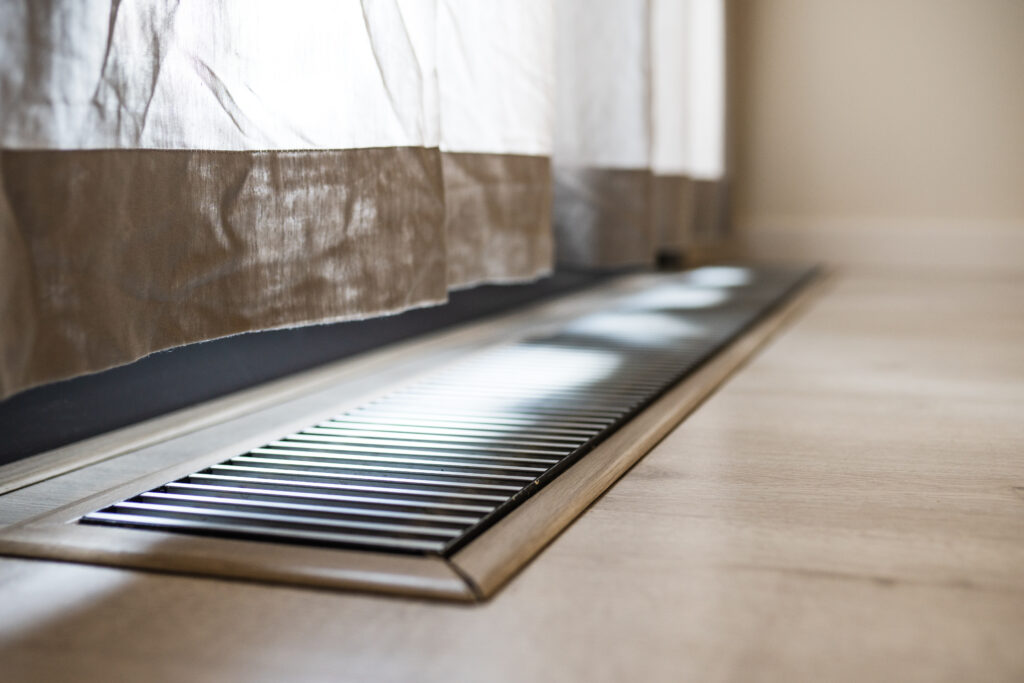
If your home has a furnace and visible vents on the walls, floors, or ceilings that blow warm air when the heat is running, you have a forced air system. Homes with radiators, radiant floor heating, or baseboard heaters use different systems entirely.
How often should I replace the air filter in a forced air system?
Most standard filters should be replaced every one to three months. Thicker, high-efficiency filters can sometimes last longer. Homes with pets, smokers, or allergy-sensitive occupants should lean toward more frequent changes.
Why is my forced air heating system blowing cold air?
This is usually caused by a faulty ignitor, a malfunctioning thermostat, a tripped limit switch, or a problem with the pilot light in older systems. A licensed HVAC technician should diagnose the issue rather than attempting self-repair on gas-powered components.
Can a home warranty cover a forced air furnace?
Yes. Most comprehensive home warranty plans include coverage for heating systems, which typically encompasses the furnace, blower motor, and key internal components. Coverage details vary by provider, so reviewing the plan terms before purchasing is important.
What is the average lifespan of a forced air furnace?
A gas furnace typically lasts 15 to 20 years with proper maintenance. Electric furnaces can last 20 to 30 years. Regular annual tune-ups and filter changes are the most effective way to reach the upper end of that range.
Is a forced air heating system energy efficient?
Modern high-efficiency gas furnaces achieve AFUE ratings of 90 percent or higher, meaning very little fuel is wasted. Older systems may operate at 60 to 70 percent efficiency. Upgrading an aging furnace can meaningfully reduce monthly heating costs.
What causes uneven heating in a forced air system?
Uneven heating is typically caused by duct leaks, poor duct design, blocked vents, an undersized furnace, or inadequate insulation in certain areas of the home. A professional HVAC assessment can identify the specific cause and recommend solutions.
How much does it cost to repair a forced air furnace?
Repair costs vary significantly by component. Minor repairs such as ignitor replacement may cost a few hundred dollars, while major repairs involving the blower motor or heat exchanger can run into the thousands. A full furnace replacement typically costs between $2,500 and $7,500 or more depending on the unit and installation requirements.
Should I repair or replace an aging forced air furnace?
A common guideline is to multiply the age of the furnace by the estimated repair cost. If that number exceeds the cost of a new unit, replacement is generally the wiser investment. Furnaces older than 15 years that require major repairs are often better candidates for replacement than continued repair.