When the Freezer Stops Cooling But the Fridge Feels Fine
You open the freezer expecting your ice cream to be solid, and instead you find a soft, melting mess. The refrigerator section below? Perfectly cold. Drinks are chilled, leftovers are fine, everything seems normal down there. But the freezer is clearly not doing its job. This is one of the more confusing appliance situations a homeowner can run into, and it happens more often than you might expect. Understanding why this specific failure occurs — and what it actually means for your home — can save you time, money, and a lot of spoiled food.
How a Refrigerator and Freezer Actually Work Together
Most modern refrigerators are designed as a single connected cooling system. The freezer and refrigerator compartments do not operate independently — they share a compressor, a refrigerant loop, and in most cases, a single evaporator coil located in the freezer section. Cold air generated in the freezer is then circulated into the refrigerator compartment using a small fan. This means the refrigerator stays cold by borrowing cold air from the freezer. When the freezer is not cooling, you might assume the fridge would fail too. But the refrigerator often holds its temperature longer because residual cold air continues to circulate for a period of time before the problem becomes obvious in both compartments.
The Most Common Reason the Freezer Stops Cooling
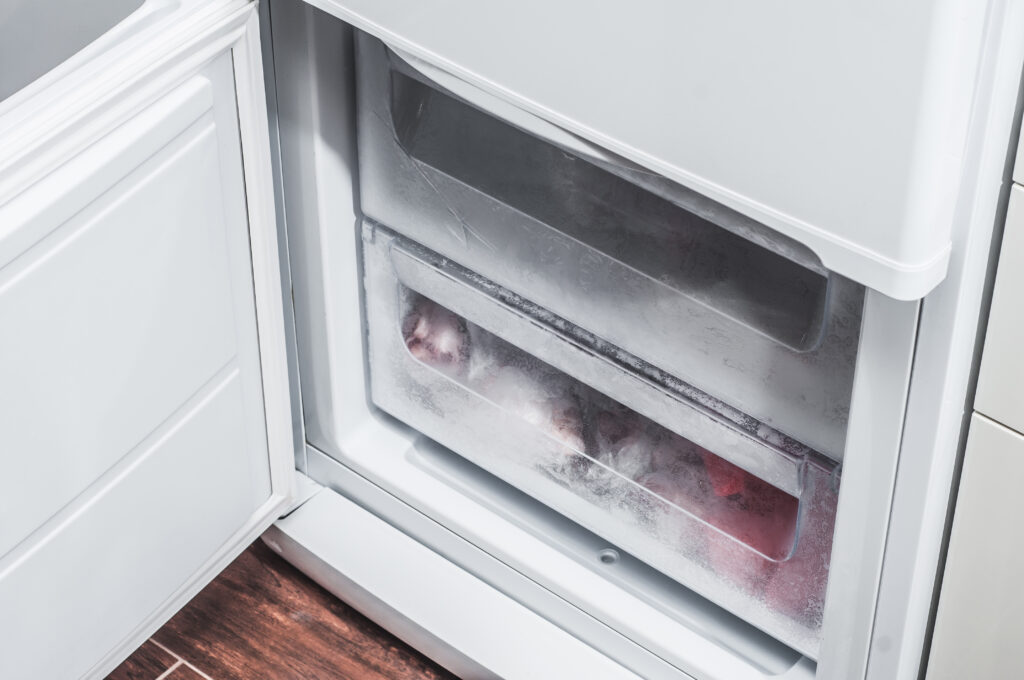
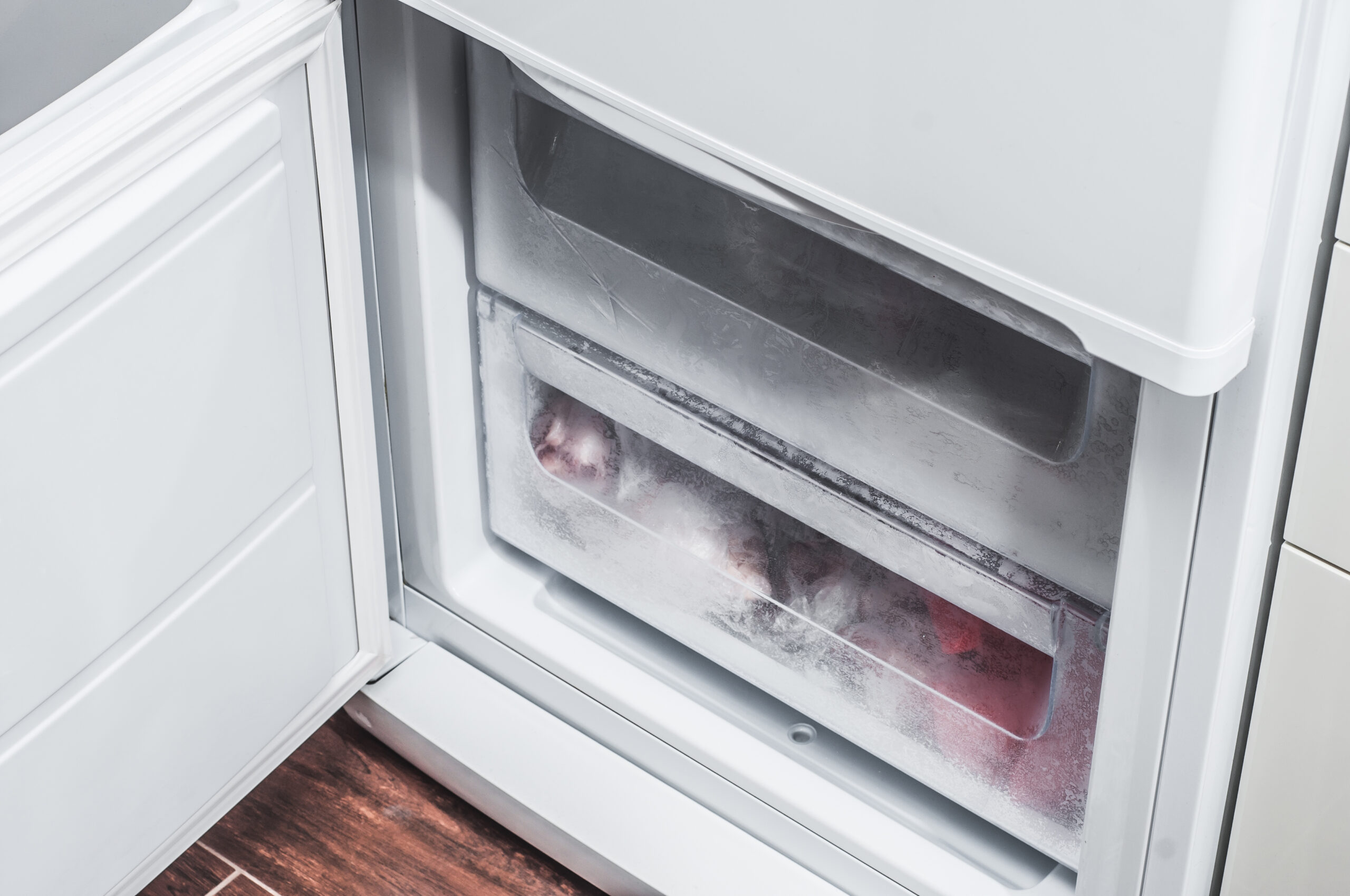
The leading cause of a freezer not cooling while the refrigerator still feels fine is a failed evaporator fan or a frost buildup problem around the evaporator coil. In frost-free refrigerators, a defrost heater periodically melts any accumulated frost on the coil. If that defrost system fails — whether the heater, the defrost thermostat, or the defrost timer — ice builds up on the coil and blocks airflow entirely. The freezer loses its ability to generate and circulate cold air. The fridge may still feel okay for a while because some air movement continues, but eventually, both compartments will warm up if the issue is not addressed.
Other Possible Causes Worth Knowing About
Frost buildup is the most common culprit, but it is not the only one. There are several other reasons a freezer might stop cooling that homeowners should be aware of:
- A failing evaporator fan motor that no longer circulates air properly between compartments
- A refrigerant leak that reduces the system’s ability to produce cold air efficiently
- A malfunctioning compressor that cannot maintain the pressure needed for proper cooling
- A damaged or faulty start relay, which is a small component that helps the compressor start up
- A condenser that is dirty or blocked, reducing heat exchange efficiency
- A faulty temperature control board sending incorrect signals to the cooling system
Each of these issues carries a different repair cost and level of complexity. Some are relatively minor fixes, while others — like a compressor replacement — can be expensive enough to prompt a conversation about whether repair or replacement makes more financial sense.

What You Can Check Before Calling a Technician
Before scheduling a service call, there are a few things you can reasonably investigate on your own. First, listen carefully near the freezer. You should hear the evaporator fan running when the door is closed. If you open the freezer and hear the fan kick off but notice nothing blowing, that is a signal. Second, check for excessive frost or ice buildup along the back wall of the freezer interior — that is where the evaporator coil typically sits behind a panel. Third, make sure the condenser coils located underneath or at the back of the refrigerator are not caked in dust, as restricted airflow there affects overall cooling performance. These are not guaranteed fixes, but they are useful data points before a technician arrives.
The Temporary Fix That Sometimes Helps
If frost buildup around the evaporator coil is suspected, some homeowners perform a manual defrost as a short-term measure. This involves unplugging the refrigerator, removing all food, leaving both doors open, and allowing the ice to melt completely over the course of 24 to 48 hours. If the freezer resumes cooling normally after this process, it confirms that the defrost system has failed and the manual defrost was only a temporary workaround. The underlying cause still needs to be addressed professionally. Do not rely on this approach indefinitely — it is a diagnostic tool, not a solution.
How Much Repairs Typically Cost
Repair costs for a freezer not cooling can vary significantly depending on the root cause. Replacing a defrost thermostat or heater might run between $100 and $200 including labor. A new evaporator fan motor typically falls in a similar range. A refrigerant recharge or repair of a refrigerant leak can climb to $200 to $400 depending on accessibility. Compressor replacement is the most expensive scenario, often ranging from $300 to $600 or more, and on older units, that cost may exceed the value of the appliance itself. Knowing these numbers helps you make a more grounded decision when a technician presents your options.
When It Makes More Sense to Replace Than Repair
There is a general guideline in the appliance repair world that if a repair costs more than 50 percent of the appliance’s current replacement value, replacement is the smarter move. For a refrigerator that is already 10 to 15 years old and facing a compressor replacement, the math often tips toward buying new. Newer models are also considerably more energy efficient, so the long-term savings on electricity bills can factor into that calculation. A technician’s honest assessment combined with the appliance’s age and repair history should inform that decision.
Key Advantages of Understanding This Issue Early
Catching a freezer cooling problem early has real, practical benefits. You have more time to safely move or consume perishable food before it reaches unsafe temperatures. You reduce the risk of a complete system failure that could also compromise the refrigerator compartment. Early diagnosis can also mean simpler, less expensive repairs — a defrost heater caught early is a far cheaper fix than a compressor that burned out because of prolonged strain from an unresolved airflow problem. Paying attention to subtle changes, like frost patterns or unusual sounds, gives you the advantage of time.
Why a Home Warranty Can Be a Smart Safety Net for Appliance Failures
Appliance failures rarely happen at a convenient time, and repair costs have a way of showing up when budgets are already stretched. This is exactly where having a reliable home warranty makes a real difference for homeowners dealing with issues like a freezer not cooling. Armadillo home warranty coverage for kitchen appliances and refrigerator systems is built to handle the kinds of unexpected breakdowns that catch homeowners off guard. Instead of scrambling to find a qualified technician and negotiating repair costs on your own, a home warranty connects you to vetted professionals and absorbs a significant portion of the financial burden. If you want straightforward protection that actually covers the appliances your household depends on daily, you can get a free home warranty quote that covers freezer and refrigerator repairs in just a few minutes. The goal is simple — less stress, fewer surprises, and a clear plan when something goes wrong.

Frequently Asked Questions About a Freezer Not Cooling
Homeowners dealing with a freezer that has stopped cooling often have the same core questions. Here are straightforward answers to the most common ones.
Why is my freezer not cooling but my refrigerator is still cold?
This typically happens because the evaporator fan or defrost system has failed, disrupting cold air production in the freezer while the refrigerator temporarily retains its temperature from residual airflow.
How long can a refrigerator stay cold if the freezer stops working?
The refrigerator section may stay adequately cool for several hours to a day depending on how full it is and how often the door is opened, but it will eventually warm up if the underlying problem is not resolved.
Can I fix a freezer that is not cooling on my own?
A manual defrost can confirm whether frost buildup is the issue, but actual component repairs — such as replacing the defrost heater, fan motor, or thermostat — should be handled by a qualified appliance technician.
Is a freezer not cooling covered by a home warranty?
Many home warranty plans cover refrigerator and freezer mechanical failures, including issues with the compressor, evaporator fan, and defrost system, though coverage terms vary by provider and plan.
How do I know if my evaporator fan has failed?
If you open the freezer door and do not hear or feel any airflow from the back panel, and the freezer is warm despite the compressor running, a failed evaporator fan motor is a likely cause.
What does excessive frost in the freezer mean?
Heavy frost buildup on the back wall or evaporator coil area typically indicates that the automatic defrost system is not functioning properly and ice is accumulating where it should be periodically melted away.
How much does it cost to fix a freezer that stopped cooling?
Repair costs range from roughly $100 for simple component replacements like a defrost thermostat up to $600 or more for compressor-related issues, depending on the diagnosis and your appliance’s age.
Should I repair or replace a freezer that is not cooling?
If the appliance is more than 10 years old and the repair cost exceeds half the price of a replacement unit, purchasing a new refrigerator is often the more financially sound decision.
Can dirty condenser coils cause a freezer to stop cooling?
Yes. When condenser coils are heavily coated with dust and debris, heat exchange efficiency drops, which forces the entire system to work harder and can result in inadequate cooling in the freezer compartment.
How can a home warranty protect me from unexpected freezer repair costs?
A home warranty plan covers the cost of parts and labor for covered mechanical failures, meaning you pay a predictable service fee rather than absorbing the full cost of a repair or replacement out of pocket.