When Your Freezer Stops Freezing at the Bottom: What It Means and What to Do
You open the freezer expecting solid, frozen everything, and instead you find soft ice cream, slightly thawed meat, and a drawer full of question marks. The top of the freezer seems fine, but the bottom? Not freezing. This is one of those appliance issues that sneaks up on homeowners, and it is more common than most people realize. Understanding why this happens, how your freezer actually works, and what your options are can save you a lot of frustration, and potentially a lot of money.
How a Freezer Actually Works
Before diagnosing the problem, it helps to understand the basics. A freezer operates using a refrigeration cycle that circulates refrigerant through a series of components: a compressor, a condenser coil, an evaporator coil, and an expansion device. The evaporator coil is responsible for absorbing heat from inside the freezer, which is what creates the cold environment. A fan then distributes that cold air throughout the compartment. In most modern freezers, that cold air enters from the top or back and flows downward. When something disrupts that airflow or compromises the cooling components, the bottom of the freezer is usually the first place to warm up. It is the farthest point from the cold air source, which makes it the most vulnerable.
Common Reasons the Bottom of Your Freezer Is Not Freezing
There is rarely just one culprit when a freezer loses its chill in specific zones. Several issues can create this pattern, and identifying the right one matters before you call anyone or spend a dollar.
- Evaporator fan failure: If the fan that circulates cold air stops working, cold air does not move properly, leaving the bottom warmer than the top.
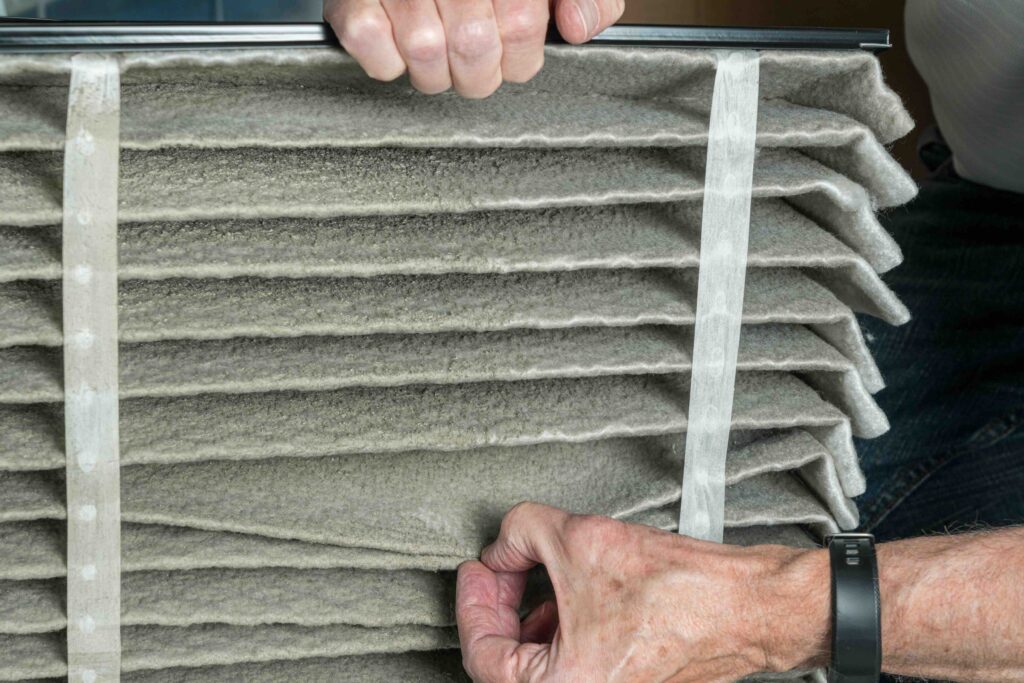
- Frost buildup on the evaporator coil: When the defrost system fails, ice accumulates on the coil and blocks airflow entirely.
- Dirty or blocked condenser coils: Coils clogged with dust reduce the system’s efficiency, making it harder to maintain consistent temperatures throughout.
- Faulty door gasket: A worn or damaged seal allows warm air to enter. Warm air sinks, so the bottom suffers first.
- Low refrigerant: While less common, a refrigerant leak reduces the system’s ability to cool, and lower sections of the freezer feel it first.
- Overloaded freezer: Blocking vents with too many items prevents airflow from reaching the bottom shelves and drawers.
The Defrost System and Why It Matters More Than You Think
A failed defrost system is one of the most frequent causes of uneven freezer temperatures, and it catches homeowners completely off guard because it develops slowly. Most freezers have an automatic defrost cycle that runs periodically to melt any frost that accumulates on the evaporator coil. This cycle involves a defrost heater, a defrost thermostat, and a defrost timer or control board. If any one of these components fails, frost builds up layer by layer on the coil until it essentially becomes an insulating block of ice. Cold air cannot pass through it, the fan runs but moves nothing useful, and the bottom of the freezer gradually warms. By the time most people notice the problem, there is already a significant frost blockage inside the unit.

Simple Checks You Can Do Before Calling a Technician
Not every freezer problem requires an immediate service call. There are a few quick checks any homeowner can do before escalating the situation. Start by checking the door gasket: close the door on a piece of paper and pull it out. If it slides easily, the seal is not tight enough. Next, check whether vents inside the freezer are blocked by food items, especially at the back panel where air usually enters. Pull the freezer away from the wall and inspect the condenser coils if they are accessible. If they are coated in dust and debris, a thorough cleaning can sometimes restore efficiency on its own. Listen for the evaporator fan. When you open the freezer door, you should hear a fan running. If you do not, that is a strong signal the fan motor has failed. If you suspect frost buildup on the evaporator coil, a manual defrost cycle, which involves unplugging the unit for 24 to 48 hours with the doors open, can sometimes restore function temporarily and confirm the diagnosis.
When the Problem Goes Beyond DIY
Some repairs genuinely require a trained appliance technician. Replacing an evaporator fan motor, repairing a defrost control board, recharging refrigerant, or diagnosing a faulty compressor are not weekend projects for most homeowners. These repairs involve specialized tools, technical knowledge, and in the case of refrigerant, EPA certification. Beyond the technical barrier, there is the cost barrier. Appliance repair bills can escalate quickly, particularly when a compressor or sealed system component is involved. A compressor replacement alone can cost several hundred dollars in parts before labor is even factored in. This is where the appliance repair conversation starts overlapping with a much larger question about how homeowners protect themselves financially against unexpected breakdowns.
Freezer Repair Costs: What to Expect
Understanding the general cost range for common freezer repairs helps homeowners make better decisions about whether to repair or replace.
- Evaporator fan motor replacement: roughly $100 to $250 including parts and labor
- Defrost heater or thermostat replacement: typically $100 to $200
- Defrost control board: $150 to $300 depending on the model
- Door gasket replacement: $75 to $150
- Condenser coil cleaning: $75 to $150 if done professionally
- Compressor replacement: $300 to $600 or more, sometimes approaching the value of the appliance itself
Repair Versus Replace: Making the Right Call
The general rule of thumb in the appliance industry is that if a repair costs more than 50 percent of the replacement value of the unit, replacement is often the smarter financial move. That said, this calculation shifts depending on the age of the appliance, its energy efficiency compared to current models, and whether the unit has sentimental or functional value that is hard to replace quickly. A relatively new freezer with a failed fan motor is almost always worth repairing. A 15-year-old unit with a failing compressor sitting on top of other aging components is a different conversation entirely. The goal is to think past the immediate repair and consider what is likely coming next.
How to Prevent Freezer Problems Before They Start
Preventive maintenance extends appliance lifespan and reduces the likelihood of sudden failures. Keeping condenser coils clean, ensuring proper door seals, avoiding overloading the unit, and giving the freezer adequate ventilation on all sides are foundational habits. Many appliance professionals recommend inspecting door gaskets annually and cleaning condenser coils at least once a year, more often in homes with pets. It is also worth checking the freezer’s temperature setting periodically. The recommended temperature for a freezer is zero degrees Fahrenheit. Small fluctuations in temperature you might not notice immediately can signal that something in the system is beginning to fail, and catching those early signs leads to smaller, less expensive repairs.
Why Armadillo Home Warranty Is Worth Considering for Appliance Protection
A freezer that stops freezing at the bottom is exactly the kind of unexpected, inconvenient, and potentially costly problem that homeowners rarely budget for. When it happens, you are not just dealing with the repair cost. You are dealing with spoiled food, disrupted routines, and the stress of figuring out who to call and how much it is going to cost. A home warranty designed for real life changes that experience entirely. Armadillo home warranty coverage for kitchen appliances and freezer repairs means that when something like a failed evaporator fan or a defrost system breakdown happens, you are not starting from zero. Armadillo connects homeowners with qualified technicians, manages the service process, and covers eligible repairs so the financial burden does not land entirely on your shoulders. If protecting your appliances and your budget from the kinds of failures described throughout this article sounds like the right move, get a free home warranty quote for freezer and appliance coverage today and see what a plan actually costs for your home.

Frequently Asked Questions About Freezers Not Freezing at the Bottom
Why is my freezer cold at the top but not at the bottom?
Cold air in a freezer enters from the top or back and flows downward. When airflow is disrupted by a failed fan, blocked vents, or frost buildup on the evaporator coil, the bottom of the freezer loses cold air first since it is the farthest point from the source.
Can a bad door seal cause the bottom of a freezer to stop freezing?
Yes. A damaged or worn door gasket allows warm air to seep into the freezer. Because warm air is heavier than cold air, it settles at the bottom of the compartment, which causes temperature inconsistencies in the lower section of the unit.
How do I know if my freezer’s defrost system has failed?
Signs of a failed defrost system include uneven temperatures, frost buildup visible on the back wall or behind the rear panel, and a freezer that gradually warms over days or weeks. Manually defrosting the unit and observing whether it returns to normal function is a useful diagnostic step.
Is it worth repairing a freezer that is not freezing at the bottom?
It depends on the age and overall condition of the appliance. If the repair cost is less than half the replacement cost and the unit is relatively new, repair is typically the better option. For older units with multiple failing components, replacement may offer better long-term value.
How much does it cost to fix a freezer that is not freezing?
Repair costs vary based on the cause. Fan motor replacements typically run between $100 and $250. Defrost system repairs fall in the $100 to $300 range. Compressor replacements are the most expensive, often costing $300 to $600 or more, which sometimes approaches the value of the unit itself.
Can I manually defrost my freezer to fix the problem temporarily?
Yes, and it is often a useful diagnostic tool. Unplugging the freezer and leaving the doors open for 24 to 48 hours allows accumulated frost on the evaporator coil to melt. If the freezer returns to normal function afterward but the problem recurs within weeks, a component in the defrost system has likely failed and needs professional repair.
What temperature should my freezer be set to?
The recommended freezer temperature is zero degrees Fahrenheit, or negative 18 degrees Celsius. Temperatures above this range, especially in the lower sections of the unit, can indicate a cooling or airflow problem that warrants further inspection.
Does a home warranty cover freezer repairs?
Many home warranty plans include coverage for built-in and freestanding freezers, covering components like the compressor, evaporator, fan motors, and defrost systems. Coverage specifics vary by provider and plan, so reviewing what is included before a problem occurs is important for homeowners who want reliable protection.
How often should I clean my freezer’s condenser coils?
Condenser coils should be cleaned at least once a year under normal conditions. In homes with pets or dusty environments, cleaning every six months is a reasonable practice. Dirty coils reduce cooling efficiency and can contribute to uneven temperatures throughout the unit over time.
Can overfilling a freezer cause it to stop freezing at the bottom?
Overfilling a freezer can block the air vents responsible for circulating cold air throughout the compartment. When items are packed too tightly, especially near the back vents, air cannot reach the lower shelves and drawers, causing the bottom of the freezer to warm up even when the rest of the unit is functioning normally.