Why Is My Freezer Not Freezing? A Homeowner’s Guide to Freezer Function, Fixes, and Home Warranty Value
You open the freezer expecting frosty air and rock-solid frozen goods—but instead you’re greeted by softened ice cream and veggies gone limp. A freezer that’s not freezing is more than just inconvenient. It’s a potential appliance malfunction with implications for your food safety, bill costs, and peace of mind. For homeowners, understanding why a freezer might stop working properly—and how a home warranty can protect you—is essential for proactive home care.
How Your Freezer Works: The Basics
Your freezer may seem like a straightforward appliance—it keeps things cold. But the system behind that simple result is a complex interplay of thermodynamics and mechanical components. At its core, your freezer runs on a refrigeration cycle involving four main parts: the compressor, condenser coils, expansion valve, and evaporator coils. The compressor pumps refrigerant through the system, changing states to absorb and release heat. Inside the freezer, evaporator coils remove heat from the compartment, thereby lowering the temperature to freezing levels. A fan circulates this chilled air to ensure uniform cooling.
Modern freezers often operate as part of a combination refrigerator-freezer unit, meaning shared components can affect both compartments. If either the compressor or the control board malfunctions, it may disrupt freezing without affecting refrigeration—or vice versa. Given the intricacy, even minor disruptions in airflow, heat exchange, or electrical supply can generate much larger effects down the line.
Common Reasons Your Freezer Isn’t Freezing
Let’s get to the root of the issue. A failure to freeze may stem from several possible causes, ranging from mechanical failure to environmental factors. One of the most common culprits is a faulty thermostat. If it doesn’t detect the correct interior temperature, it won’t signal the compressor to turn on. Additionally, clogged or dirty condenser coils can limit heat dispersion, making it hard for the freezer to reach freezing temperatures. A defective door seal may also compromise your freezer’s ability to retain cold air, allowing warm air to enter and disrupt the cooling cycle.
Sometimes the issue comes down to user error, such as overloading the freezer with too many unfrozen items at once or setting the temperature improperly. Other times, the problem lies in failing electrical components like the compressor or evaporator fan motor. If you’re not hearing the usual hum or clicking sounds, a broken relay switch might be to blame. Identifying the true issue usually requires a visual inspection and possibly professional diagnostic work—both of which home warranties can help cover.
When Homeowners Should Call for Help
There are a few simple troubleshooting steps you can take on your own. First, check the thermostat setting—is it below zero degrees Fahrenheit? If not, that’s a quick fix. Next, inspect the gasket seal for cracks or looseness. Clean condenser coils if they’re covered in dust. But if the freezer is still failing to chill after these basic adjustments, it may be time to bring in a professional. Signs that suggest deeper mechanical issues include clicking noises without cooling, warm interior temperatures despite fan noise, or water pooling inside the unit.
Homeowners should also be cautious about attempting more complicated fixes on their own. Opening sealed system components, replacing sensors, or handling refrigerant can all void a manufacturer’s warranty and lead to safety hazards. That said, home warranty coverage can offset the cost and stress of scheduling service and repair, particularly when unexpected issues arise.
The Role of a Home Warranty in Appliance Repairs
A home warranty acts as a financial buffer against the costs of repairing or replacing home systems and appliances due to normal wear and tear. Freezers are typically included or optionally covered in kitchen appliance protection plans. This means that if your unit stops freezing due to a failed compressor, electrical failure, or another internal mechanical issue, those diagnostic evaluations and repair costs may be included under your plan.
It’s important to read the fine print. Not all warranty providers treat freezer coverage the same. Some only cover standalone freezers; others require you to opt into broader kitchen appliance coverage. A well-structured home warranty ensures that, should your freezer malfunction due to a covered issue, you aren’t footing the entire repair bill alone. This can be particularly valuable for homeowners with older appliances or limited budgeting capacity for surprise breakdowns.
When a Repair Becomes a Replacement
Not all freezers can—or should—be repaired. If the unit is over ten years old and requiring repairs beyond the value of replacement, warranty providers may opt to provide a replacement subsidy or new unit, depending on the plan. Commonly, compressor failure in aging models becomes a tipping point. Home warranty companies typically weigh the cost-benefit analysis just like a homeowner would: if the price of repair exceeds the depreciated value of the appliance, replacement becomes the recommended course of action.
Additionally, some problems, such as sealed system failures or refrigerant leakage, may be prohibitively expensive to repair without triggering additional complications. In these scenarios, working with a reputable warranty provider can ease the burden of determining what’s salvageable and what needs replacing.
Preventive Measures for a Reliable Freezer
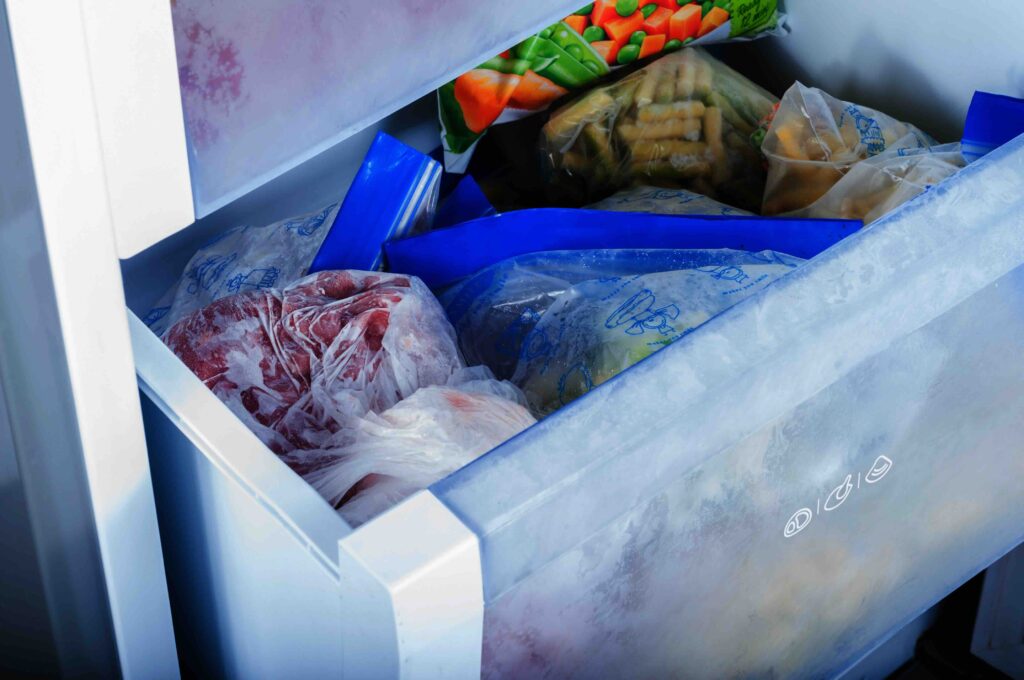
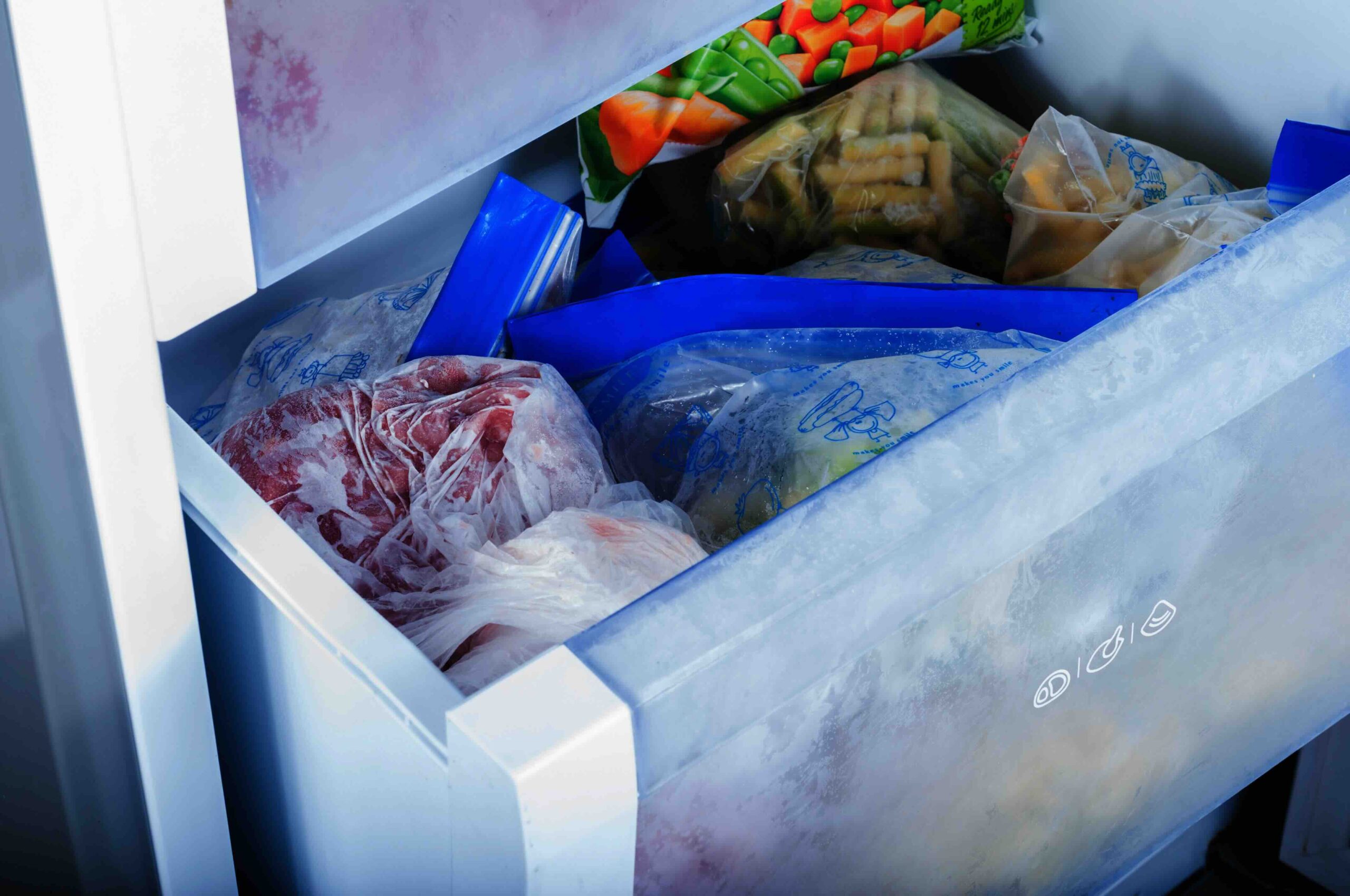
While home warranties provide valuable support after breakdowns occur, consistent maintenance strategies help keep your freezer running efficiently in the first place. Always keep the door gasket clean and tightly sealed. Avoid overloading the appliance or cramming unfrozen foods in without spacing. Periodically vacuum behind the unit to remove dust from condenser coils. And don’t forget to defrost when necessary—ice buildup can impede airflow and efficiency.
Additionally, plug your appliance into a dedicated outlet to avoid fluctuating power supply. Place a thermometer inside the freezer to independently verify interior temperature; this helps catch minor declines before they become major issues. Routine maintenance complements warranty protection and strengthens the case for a smooth claim process should the need arise.
Is It Time to Upgrade Your Freezer?
If your freezer stops working repeatedly, makes excess noise, uses more energy, or creates frost buildup regularly, it might be time to consider upgrading. Today’s energy-efficient models come with smart features like temperature monitoring, alarms, and improved insulation—all designed to reduce energy bills and improve performance. A failing freezer is more than an annoyance; it’s a potential energy sink that could cost as much to run as it does to replace.
Warranty providers often provide insights during service calls that help you decide. If a technician indicates that parts are unavailable or the unit is no longer efficient, that’s valuable information. This kind of decision doesn’t need to be rushed—especially if a home warranty softens the cost of unexpected service appointments and helps manage the timeline of replacement on your terms.
Protect Your Freezer with Confidence Through Armadillo
When your freezer stops freezing, you’re not just facing an appliance issue—you’re facing lost groceries, interrupted routines, and unexpected expenses. Armadillo home warranty plans offer fast, reliable support for your essential appliances, including freezers, helping you get back to normal quickly. Whether it’s a covered repair or guiding you through a replacement solution, we’re here to make sure surprises don’t derail your progress at home.
Learn more about home warranty protection built for modern homeowners at Armadillo’s homepage, or start building your personalized plan today at our Plan Builder. Your freezer might be down for now—but your protection doesn’t have to be.