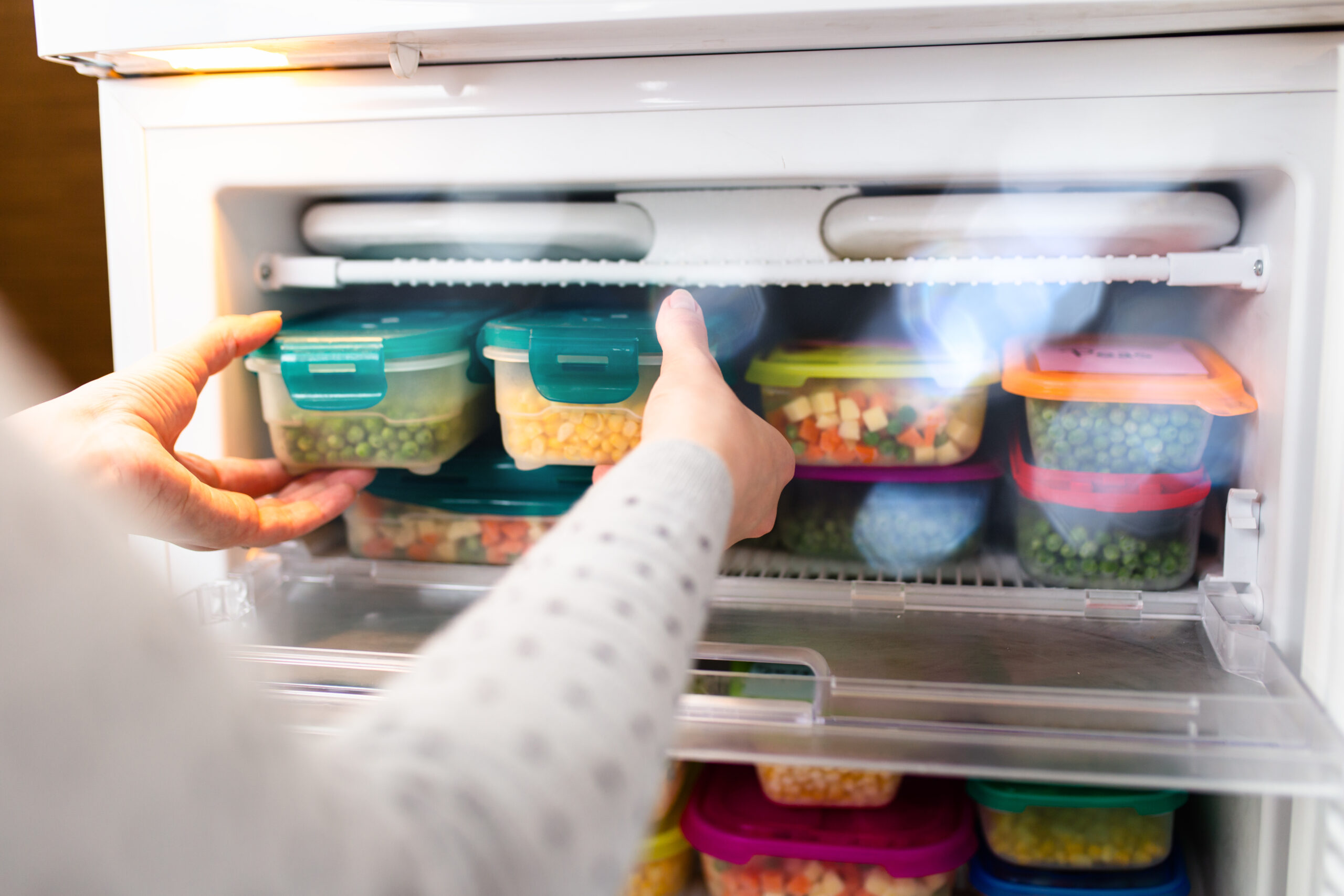
Why Is My Freezer Not Getting Cold Enough? A Homeowner’s Guide to Understanding the Problem
You open the freezer expecting solid, properly frozen food — and instead, you find soft ice cream, slightly thawed meat, and that general sense that something is very wrong. A freezer that is not getting cold enough is more than an inconvenience. It is a signal that something inside your appliance has shifted, worn out, or broken down. The good news is that many of the causes behind this problem are well understood, and knowing what to look for puts you in a much stronger position — whether you end up handling a simple fix yourself or calling in a professional.
How Your Freezer Actually Works
Before getting into what goes wrong, it helps to understand what is supposed to go right. Your freezer operates using a refrigeration cycle — a continuous loop that moves heat out of the freezer compartment and releases it into the surrounding air. The key players in this system are the compressor, the condenser coils, the evaporator coils, and the refrigerant that circulates through all of them. The compressor pressurizes the refrigerant, the condenser releases heat, the evaporator absorbs heat from inside the compartment, and the refrigerant carries that heat away. When every component is doing its job, your freezer maintains a consistent temperature around zero degrees Fahrenheit. When even one component underperforms, the entire cycle gets disrupted — and temperatures start to climb.
The Most Common Reasons a Freezer Stops Cooling Properly
There is rarely just one culprit, but certain issues come up far more often than others. Understanding the typical causes helps you have a more productive conversation with a technician and gives you a realistic sense of what the repair might involve.
- Dirty or blocked condenser coils that cannot release heat efficiently
- A faulty evaporator fan motor that stops circulating cold air through the compartment
- Frost buildup on the evaporator coils caused by a failed defrost system
- A worn or damaged door gasket allowing warm air to seep in continuously
- A malfunctioning thermostat that is not reading or regulating temperature correctly
- Low refrigerant levels due to a leak in the sealed system
- A failing compressor that can no longer pressurize the refrigerant properly
Each of these issues produces slightly different symptoms, but the result is consistently the same — a freezer that cannot hold temperature and food that is at risk of spoiling.
Simple Checks You Can Do Before Calling Anyone
Not every temperature problem requires a service call. Before reaching out to a technician, walk through a few basic checks. Make sure the freezer is not overpacked, since blocking airflow inside the unit is a surprisingly common cause of uneven cooling. Check that the door seal is making full contact around the entire perimeter — a dollar bill pulled through the closed door should offer some resistance. Verify that the temperature setting has not been accidentally adjusted, especially if other household members use the appliance frequently. Pull the unit away from the wall and inspect the condenser coils; if they are covered in dust and debris, a careful cleaning might be all that is needed. These quick steps take maybe fifteen minutes and could save you a service call.

When the Defrost System Is the Real Problem
This one catches a lot of homeowners off guard. Modern freezers have an automatic defrost system designed to periodically melt any frost that accumulates on the evaporator coils. If the defrost heater, defrost thermostat, or defrost timer fails, frost builds up unchecked on those coils. A thick layer of frost acts as insulation, blocking the coils from absorbing heat out of the freezer compartment. The freezer runs constantly, the compressor works overtime, and yet temperatures still climb. If you pull back the interior panel in your freezer and find a solid wall of frost on the evaporator coils, a defrost system failure is very likely the diagnosis. This is a repair best left to a technician, but it is generally not the most expensive fix on the list.
Understanding Sealed System Failures and What They Mean
The sealed system — which includes the compressor, condenser, evaporator, and the refrigerant lines connecting them — is the heart of your freezer. When a refrigerant leak develops, the system loses the medium it needs to transfer heat. The freezer runs but cannot cool because there simply is not enough refrigerant circulating. Sealed system repairs are specialized, require EPA certification to handle refrigerant, and tend to be among the more costly freezer repairs. In some cases, depending on the age and value of the appliance, a sealed system failure can shift the math toward replacement rather than repair. That said, newer or higher-end freezers are often worth repairing, and having a home warranty in place can make a significant financial difference in that decision.
The Real Cost of Ignoring a Freezer That Is Not Cooling
A freezer running warm is not just an appliance problem — it is a food safety issue. The USDA recommends keeping freezers at zero degrees Fahrenheit or below. Once temperatures rise above that threshold, the clock starts on food safety. Meat, seafood, and dairy products are particularly vulnerable. Beyond food loss, a struggling freezer often runs its compressor harder and longer than it should, which accelerates wear and drives up energy costs. Catching and addressing the problem early is almost always less expensive than waiting for a complete breakdown.
Key Advantages of Addressing Freezer Cooling Issues Early
Homeowners who act quickly when a freezer starts losing temperature tend to come out ahead in almost every way. Early intervention limits food spoilage, which can easily reach hundreds of dollars in a single event. It also gives technicians a better chance of addressing the root cause before secondary damage develops — a freezer running warm stresses multiple components simultaneously. There is also the energy efficiency angle worth mentioning; an underperforming freezer can draw significantly more power while delivering less cooling, which adds up on monthly utility bills without being immediately obvious.
What a Home Warranty Covers When Your Freezer Fails
This is where things get genuinely useful for homeowners. A quality home warranty plan typically covers the mechanical and electrical components that cause a freezer to stop working correctly. That includes the compressor, evaporator fan motor, defrost system components, thermostats, and in many cases, refrigerant recharging related to a covered failure. What it generally does not cover includes cosmetic damage, food loss due to the breakdown, or failures caused by improper installation or misuse. Reading the coverage terms carefully before you need to use them is important — the time to understand your plan is not during a repair emergency. Knowing exactly what your warranty covers gives you a clear picture of your financial exposure before a technician even arrives.
Why Armadillo Is the Right Home Warranty Partner for Appliance Breakdowns Like This
When a freezer stops cooling, the last thing a homeowner needs is a complicated claims process or a warranty company that suddenly becomes difficult to reach. Armadillo home warranty plans built for real appliance protection are designed around exactly this kind of scenario — a covered system fails, a homeowner needs help fast, and the process should be straightforward from the first call to the completed repair. Armadillo covers the components that actually break, works with qualified technicians, and keeps the experience as simple as possible for the homeowner. If your freezer has been running warm and you do not currently have a home warranty, now is the time to look at your options — because the next repair is never as far away as it feels. You can get a home warranty quote that covers freezer and appliance repairs in just a couple of minutes, with no obligation attached.

Frequently Asked Questions About Freezers Not Getting Cold Enough
Here are answers to the questions homeowners ask most often when their freezer stops holding temperature.
What temperature should a freezer be set to?
A freezer should be set to zero degrees Fahrenheit, which is the temperature recommended by the USDA for safe long-term food storage. Anything consistently above this threshold puts frozen food at risk.
Why is my freezer running but not freezing?
If the compressor is running but the freezer is not reaching proper temperatures, common causes include frost-blocked evaporator coils, a failed evaporator fan, a refrigerant leak, or a malfunctioning thermostat.
How do I know if my freezer’s door seal is bad?
Close the freezer door on a piece of paper or a dollar bill. If you can pull it out without resistance, the gasket is not sealing properly and warm air is likely entering the compartment consistently.
Can a dirty condenser coil cause a freezer to stop cooling?
Yes. Condenser coils release heat from the refrigeration cycle. When they are coated in dust and debris, they cannot transfer heat efficiently, which causes the entire cooling cycle to underperform.
Is it worth repairing a freezer, or should I replace it?
The general rule is that if the repair cost exceeds fifty percent of the cost of a comparable replacement unit, replacement is worth considering. For sealed system failures on older units, replacement often makes more financial sense.
Does a home warranty cover freezer repairs?
Most home warranty plans do cover freezer repairs, including mechanical and electrical component failures such as compressor issues, fan motor failures, and defrost system problems. Coverage terms vary, so reviewing your specific plan is important.
How long does a freezer typically last?
Most freezers have a lifespan of twelve to twenty years depending on the brand, usage, and maintenance history. Units that receive regular cleaning and attention tend to reach the higher end of that range.
Why does my freezer work fine but the refrigerator section is warm?
In combination refrigerator-freezer units, cold air flows from the freezer compartment into the refrigerator section. If that airflow is blocked by frost or a failed fan, the fridge warms up while the freezer may still appear to function normally.
What should I do immediately if my freezer stops cooling?
Avoid opening the freezer door unnecessarily to preserve cold air as long as possible. Move critical items to a secondary freezer or packed cooler if available, and contact a technician or file a home warranty claim as soon as possible.
Can I recharge my freezer’s refrigerant myself?
No. Handling refrigerant requires EPA Section 608 certification and specialized equipment. Attempting to recharge a sealed refrigeration system without proper credentials is illegal and potentially dangerous.