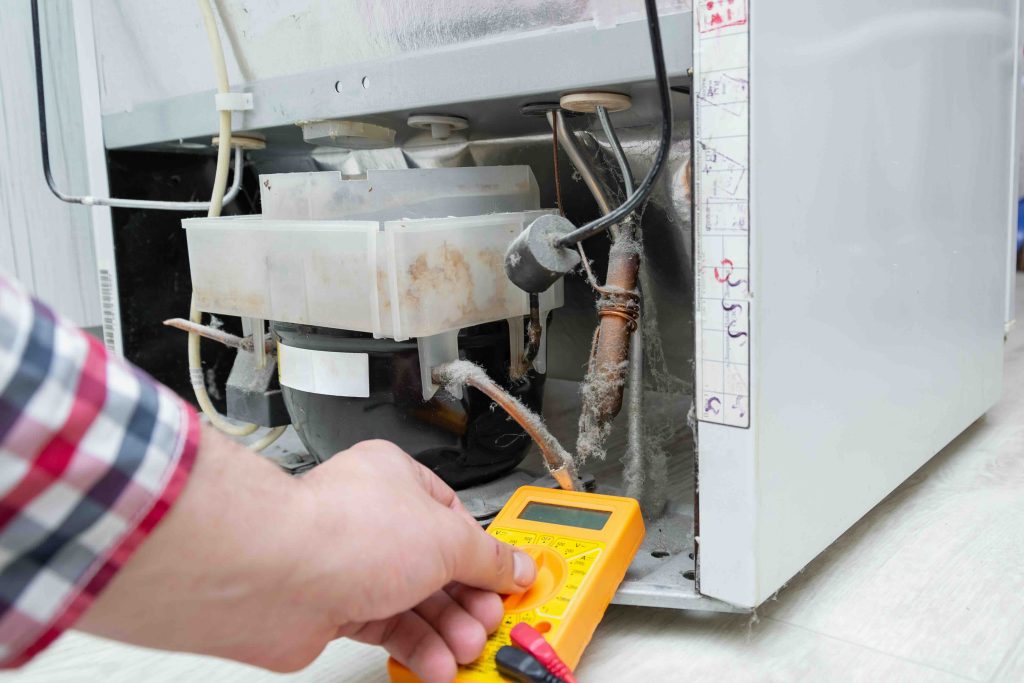

When Your Freezer Stops Freezing: What Every Homeowner Should Know
You open the freezer, reach for something, and notice things feel a little too soft. Then you check the ice cream. Definitely too soft. That sinking feeling is real, and unfortunately, a freezer that stops freezing is one of those appliance failures that tends to sneak up on you right before it becomes a full-blown problem. Understanding what is actually happening inside your freezer, why it fails, and what your options are for protecting against the cost of those failures can save you a lot of stress and money down the line.
How a Freezer Actually Works
Before jumping into what goes wrong, it helps to understand what is supposed to go right. A freezer works by moving heat out, not by pumping cold in. It uses a refrigerant that cycles through a compressor, condenser coils, and evaporator coils. The compressor pressurizes the refrigerant, which causes it to release heat as it moves through the condenser. Then it expands through the evaporator coils inside the freezer, absorbing heat from the interior air. That process repeats continuously to keep temperatures at or below zero degrees Fahrenheit. It is a closed-loop mechanical and chemical system, and when any part of that loop breaks down, freezing stops.
Common Reasons a Freezer Stops Freezing
There is rarely just one culprit when a freezer fails, but some causes show up far more often than others. Knowing what to look for can help you have a more productive conversation with a technician and avoid being caught completely off guard.
- Faulty or worn-out compressor, which is the heart of the entire cooling system
- Dirty or blocked condenser coils that prevent proper heat release
- A malfunctioning evaporator fan that stops circulating cold air
- Low refrigerant levels due to a slow leak in the sealed system
- A defrost system failure that allows ice to build up and block airflow
- A broken door gasket letting warm air seep in constantly
- A failing thermostat or temperature control board sending the wrong signals
Some of these issues are relatively minor fixes. Others, like a compressor replacement or a sealed system repair, can cost several hundred dollars or more. That gap in repair cost is exactly where homeowners start to feel the financial pressure.
The Immediate Steps to Take When Your Freezer Stops Freezing
When you first notice the problem, time matters. Food safety is the immediate concern. If the freezer interior temperature has risen above 40 degrees Fahrenheit, perishables need to be moved or discarded quickly. Check whether the freezer has power, whether the thermostat is set correctly, and whether the condenser coils on the back or bottom of the unit are visibly dirty. Sometimes the fix is as simple as cleaning those coils or repositioning the appliance away from a heat source. If none of those quick checks solve it, the next step is getting a qualified appliance repair technician on-site to diagnose the issue properly. Attempting to self-diagnose deeper mechanical or refrigerant issues without training can void warranties and create additional damage.

Repair vs. Replace: How to Make the Right Call
This is the question every homeowner eventually faces. A common rule of thumb in the appliance industry is the 50 percent rule. If the cost of the repair exceeds 50 percent of the cost of a new unit, replacement tends to make more financial sense. But context matters too. If the freezer is relatively new, a significant repair might still be worth it. If it is more than ten years old and has already had multiple issues, you are probably pouring money into a unit that is approaching the end of its useful life. The national average lifespan for a standalone freezer is between 12 and 20 years, depending on the type and brand. Refrigerator-freezer combos tend to fall on the shorter end of that range.
Understanding the Real Cost of a Freezer Repair
Repair costs vary widely based on the component involved and your local labor market. A basic thermostat replacement might run between 75 and 150 dollars. A compressor repair or replacement can land anywhere from 300 to 600 dollars or higher when parts and labor are both factored in. Sealed system repairs involving refrigerant often carry similar costs and require EPA-certified technicians. Most homeowners are not budgeting for these kinds of expenses in any given month, which is part of why unexpected appliance breakdowns feel so disruptive. It is not just the inconvenience. It is the unplanned financial hit.
Preventive Maintenance Habits That Help Extend Freezer Life
Routine care goes a long way toward delaying major failures. These habits do not require special skills or tools, and they genuinely make a difference over the life of the appliance.
- Clean the condenser coils every six to twelve months using a vacuum or brush
- Check and replace the door gasket if it shows signs of cracking or looseness
- Keep the freezer at least two-thirds full to help maintain stable temperatures
- Defrost manual-defrost units before ice exceeds one quarter inch of thickness
- Leave adequate clearance around the unit for proper ventilation
- Inspect the drain pan and defrost drain periodically for buildup or blockages
None of these steps are complicated, but they collectively reduce the strain on components that are expensive to replace. Maintenance is always cheaper than repair.
Where Home Warranties Enter the Picture
This is where a lot of homeowners start paying closer attention. A home warranty is a service contract that covers the repair or replacement of major home systems and appliances when they fail due to normal wear and tear. It is distinct from homeowners insurance, which covers sudden damage from events like fires or storms. A home warranty is specifically designed for mechanical and functional breakdowns, which is exactly what a freezer that stops freezing represents. For homeowners who want predictable monthly costs and protection against out-of-pocket appliance repair bills, a home warranty can provide meaningful financial relief. Coverage details vary by provider, so understanding what is and is not included in your specific plan is essential before a problem arises.
What to Look for in a Home Warranty That Covers Appliances
Not all home warranty plans are created equally when it comes to appliance coverage. Some plans cover only built-in appliances, while others extend to freestanding units like chest freezers or standalone upright freezers. When evaluating a plan, look closely at whether the freezer is listed explicitly, what the per-claim service fee looks like, and whether there are caps on the dollar amount the provider will pay toward a repair or replacement. Transparent pricing, responsive customer service, and a clear claims process are equally important. A plan that is technically affordable but takes weeks to send a technician does not solve the actual problem when your freezer full of food is at risk.
Why Armadillo Is Worth Considering When Your Freezer Fails
When an appliance like your freezer breaks down, the last thing you want is a complicated process standing between you and a resolution. Armadillo was built with that exact frustration in mind. As a modern home warranty provider designed to protect your home appliances and systems from unexpected repair costs, Armadillo keeps things straightforward. No confusing fine print. No runaround when you file a claim. Just coverage that actually works when something goes wrong. If you want to know what protecting your freezer and other major appliances could cost you each month, you can get a personalized home warranty quote for freezer and appliance coverage in seconds. The process takes less time than waiting on hold with a repair company, and it gives you real numbers to work with.

Frequently Asked Questions About Freezers and Home Warranty Coverage
These are some of the most common questions homeowners ask when their freezer stops working and they start exploring their options.
Why is my freezer running but not freezing?
If the freezer is running but not freezing, the most likely causes are dirty condenser coils, a failing evaporator fan, a defrost system problem, or a compressor issue. A technician can diagnose the specific cause with a proper inspection.
How long should a freezer last?
Most standalone freezers last between 12 and 20 years with proper maintenance. Freezer compartments in refrigerator-freezer combinations often have shorter lifespans, typically in the 10 to 15 year range.
Does a home warranty cover a freezer that stops freezing?
Many home warranty plans do cover freezers, but coverage depends on the specific plan and whether the unit is listed as an included appliance. Always review the terms of your plan to confirm freezer coverage before assuming it is included.
Is it worth repairing a freezer or should I just replace it?
If the repair cost exceeds 50 percent of the price of a comparable new unit, replacement is usually the more economical long-term choice. Age, prior repair history, and energy efficiency of the existing unit should also factor into the decision.
Can a home warranty be used for an existing appliance problem?
Home warranties typically do not cover pre-existing conditions. Coverage applies to failures that occur after the plan goes into effect and result from normal wear and tear during the coverage period.
What causes a freezer to stop working suddenly?
Sudden freezer failures are often caused by compressor breakdown, a tripped circuit breaker, a failed start relay, or a power supply issue. Gradual failures tend to point toward sealed system problems, clogged coils, or a slow refrigerant leak.
How do I know if my freezer compressor is bad?
Signs of a failing compressor include the freezer running constantly without reaching temperature, unusual clicking or humming sounds, or complete silence when the unit should be cycling. A technician can confirm compressor failure with proper diagnostic tools.
What temperature should a freezer maintain?
A properly functioning freezer should maintain a temperature of zero degrees Fahrenheit or below. Temperatures above 10 degrees Fahrenheit indicate a performance issue that warrants investigation.
Can dirty condenser coils really stop a freezer from freezing?
Yes. When condenser coils are coated in dust and debris, the appliance cannot release heat efficiently. This forces the compressor to overwork, reduces cooling capacity, and can eventually lead to complete freezer failure if left unaddressed.
How quickly should I contact a repair service after my freezer stops freezing?
Contact a repair service as soon as possible, ideally within 24 hours. Food safety becomes a concern quickly once internal temperatures rise above 40 degrees Fahrenheit, so the sooner a technician can assess the issue, the better.