What Is a Freon Recharging Kit and Why Does Your AC System Need It?
If your air conditioner has been blowing warm air, taking longer to cool your home, or your energy bills have been creeping up without explanation, there is a reasonable chance your system is low on refrigerant. Refrigerant, commonly referred to as Freon, is the substance that makes cooling possible in the first place. It absorbs heat from inside your home and releases it outside, cycling continuously through your AC system. When levels drop, that cycle gets disrupted, and the whole system struggles. Enter the freon recharging kit, a product marketed to homeowners as a potential DIY fix for low refrigerant levels. It sounds simple enough, and in some cases, it can be a useful tool. But there is quite a bit more to understand before you grab one off a shelf.
How Refrigerant Works Inside Your Air Conditioning System
Your central air conditioner or heat pump relies on a closed-loop refrigerant system. The refrigerant travels between two coils, the evaporator coil inside and the condenser coil outside, changing states between liquid and gas as it moves. This phase change is what pulls heat from the air inside your home and dumps it outside. The system is designed to be sealed indefinitely. Unlike gasoline in a car, refrigerant does not get used up over time under normal operation. So when levels are low, it almost always means there is a leak somewhere in the system. That detail is important and often overlooked when homeowners consider a DIY recharge approach.
What a Freon Recharging Kit Actually Contains
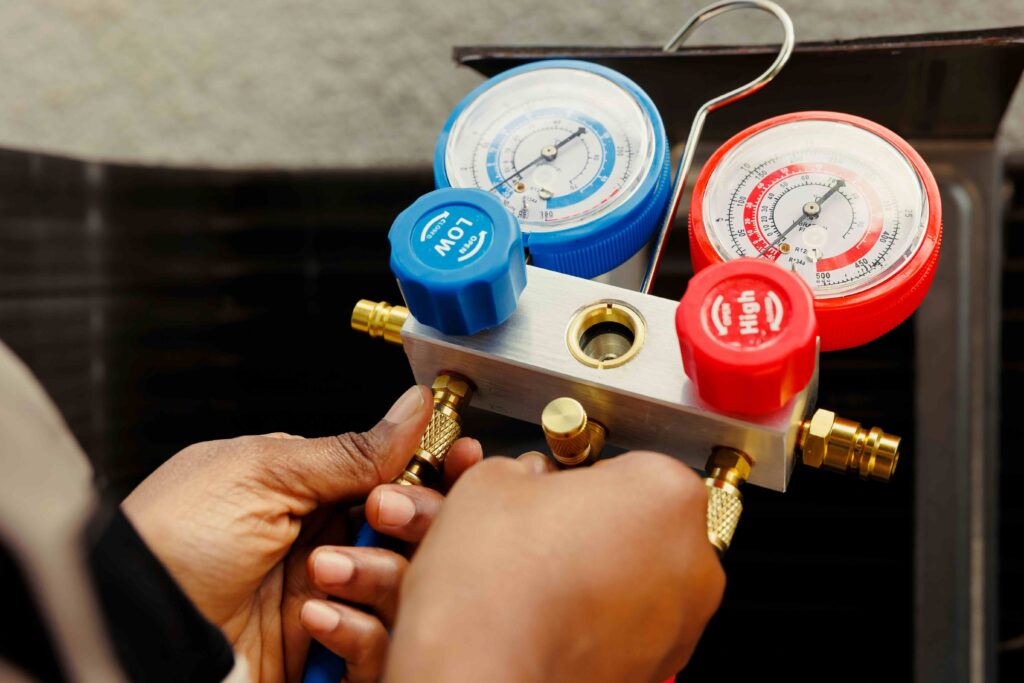
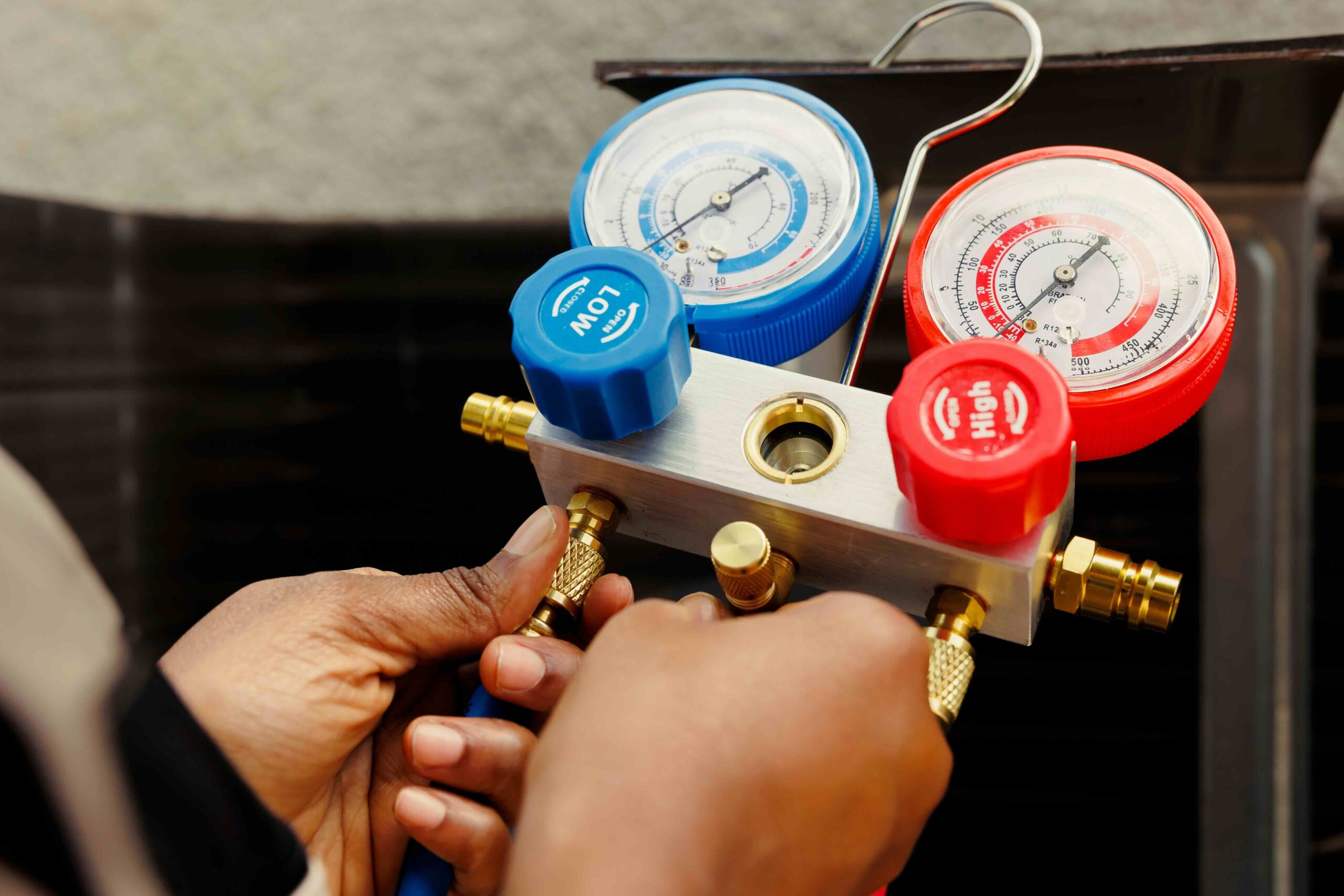
A typical freon recharging kit sold for residential use includes a can or canister of refrigerant, a pressure gauge, and a hose with a connector that attaches to your system’s service port. Some kits include a thermometer or leak sealant additive. The refrigerant type in most consumer kits is R-410A, which replaced the older R-22 (commonly called Freon) as the standard for modern residential systems. Some newer systems use R-32 or R-454B as the industry continues to phase in more environmentally friendly options. It is worth knowing that the original Freon, R-22, has been phased out under EPA regulations, meaning recharging an older R-22 system is a more complicated process than a simple kit can address.
The Case for Using a Recharging Kit: Key Advantages
There are legitimate reasons why freon recharging kits exist and why some homeowners find them useful. The most obvious benefit is cost. Calling out an HVAC technician for a refrigerant recharge can run anywhere from $150 to $400 or more depending on your region and the refrigerant type. A consumer kit runs a fraction of that. For a homeowner dealing with a minor, slow leak who needs a temporary solution before a full service visit, a kit can buy some relief during a heat wave. There is also the appeal of speed. Scheduling an HVAC appointment can take days, and when temperatures climb, waiting is not always comfortable.
- Lower upfront cost compared to professional service calls
- Immediate availability at most hardware and home improvement stores
- Useful as a short-term solution while awaiting professional repair
- Includes a pressure gauge that can help diagnose low refrigerant levels
The Drawbacks You Need to Know Before You Buy
This is where things get more nuanced, and honestly, more important. The biggest drawback of a DIY recharging kit is that it treats a symptom rather than the cause. If refrigerant is low, something caused it to escape the system. Adding more refrigerant without addressing the leak means you are likely to be in the same situation again within a season, maybe sooner. Worse, ongoing leaks can damage the compressor, which is one of the most expensive components in your entire HVAC system. Compressor replacement can run into the thousands. There are also handling and legal considerations. Refrigerants are regulated substances, and improper use or venting can carry legal consequences. Overcharging a system is also a real risk with DIY kits, and too much refrigerant causes just as many problems as too little.
Identifying Whether Your AC System Actually Needs a Recharge
Before purchasing anything, it helps to confirm that low refrigerant is actually the issue. Warm air blowing from vents is a common symptom, but it can also point to a dirty filter, a frozen evaporator coil, or a failing compressor. Ice forming on the refrigerant line or the outdoor unit is a more specific indicator of low refrigerant levels. Hissing or bubbling sounds near the unit can suggest an active leak. The pressure gauge included in most kits can provide a basic reading, but interpreting it accurately requires knowing the correct pressure range for your specific system and refrigerant type, information that is not always obvious to a first-time user.

When to Call a Professional Instead
There are situations where a DIY kit is simply not the right tool for the job. If your system is more than ten years old, if you are dealing with an R-22 system, or if you have already recharged it once without resolution, professional service is the appropriate next step. A licensed HVAC technician can locate and repair the leak, verify proper refrigerant levels using calibrated equipment, and ensure the system is running safely and efficiently. Some states and municipalities also restrict the purchase and use of certain refrigerants to certified technicians, so checking local regulations before purchasing a kit is a smart move.
How a Home Warranty Connects to Your HVAC and Refrigerant Issues
Here is something that does not always get discussed in the context of refrigerant and recharging kits. A home warranty plan can cover the cost of HVAC repairs, including refrigerant-related issues, when they stem from normal wear and tear. That means if your system develops a refrigerant leak due to age or mechanical failure rather than misuse or neglect, a solid home warranty plan may cover the diagnosis, the repair, and the refrigerant recharge performed by a licensed technician. That is a meaningful financial protection, especially when compressor repairs or full system replacements are on the table.
Practical Tips for Homeowners Dealing With Refrigerant Issues
- Change your air filter every 30 to 90 days to prevent unnecessary strain on the system
- Schedule annual HVAC maintenance to catch refrigerant leaks before they become costly
- Check for ice buildup on the refrigerant line as an early warning sign
- Know your system’s refrigerant type before purchasing any recharging kit
- Document any symptoms and their frequency before calling a technician
- Avoid running a system you suspect has a significant refrigerant leak, as it can accelerate compressor damage
Why Armadillo Is the Smart Choice for Protecting Your HVAC Investment
Refrigerant issues have a way of surfacing at the worst possible time, mid-summer, during a heat wave, on a weekend. The cost of an emergency HVAC service call, especially when it involves refrigerant diagnosis and repair, can catch homeowners completely off guard. That is exactly the kind of scenario a home warranty is designed to handle. Armadillo offers straightforward, homeowner-friendly coverage that includes HVAC systems, giving you real financial protection when your air conditioner starts acting up. If you have been patching together DIY fixes and wondering whether there is a smarter approach to protecting your home systems, Armadillo home warranty coverage for HVAC systems and appliances is worth a serious look. When refrigerant problems turn into compressor failures, the repair bills can be staggering, and having coverage in place before that happens is the kind of decision that pays for itself. Take two minutes to get a free home warranty quote for AC repair and refrigerant coverage and see exactly what protection looks like for your home and budget.

Frequently Asked Questions About Freon Recharging Kits and Home AC Systems
These are the questions homeowners ask most often when dealing with refrigerant issues and AC performance problems.
Can I recharge my home AC with a freon kit by myself?
Yes, consumer freon recharging kits are available for DIY use, but they come with important limitations. They work best as a short-term fix for minor low refrigerant situations and do not address the underlying leak that caused the problem. Improper use can overcharge the system or cause compressor damage.
How do I know if my AC is low on refrigerant?
Common signs include warm air blowing from vents, ice forming on the refrigerant line or outdoor unit, longer cooling cycles, hissing or bubbling sounds near the unit, and higher than normal energy bills. A pressure gauge reading can also indicate low refrigerant levels.
Is Freon the same as R-410A?
No. Freon is a brand name historically associated with R-22 refrigerant, which has been phased out under EPA regulations due to its environmental impact. Most modern residential AC systems use R-410A, and newer systems are transitioning to R-32 or R-454B.
How much does it cost to recharge AC refrigerant professionally?
Professional refrigerant recharge services typically range from $150 to $400 or more, depending on your location, the type of refrigerant required, and the amount needed. If a leak repair is also required, costs can increase significantly.
Does a freon recharging kit fix a refrigerant leak?
Not permanently. Some kits include a sealant additive that may temporarily address minor leaks, but it is not a reliable long-term solution. The only proper fix for a refrigerant leak is professional diagnosis and repair of the leak source.
Will adding too much refrigerant damage my AC system?
Yes. Overcharging a system with excess refrigerant increases pressure inside the system and can damage the compressor, one of the most expensive components to replace. Accurate refrigerant charging requires calibrated equipment and knowledge of the system’s specifications.
Does a home warranty cover refrigerant recharges?
Many home warranty plans cover HVAC repairs that result from normal wear and tear, which can include refrigerant-related issues and recharges performed by a licensed technician. Coverage specifics vary by plan, so reviewing the terms before you need service is always recommended.
How often does a home AC system need to be recharged?
A properly sealed and functioning AC system should never need a refrigerant recharge. If your system requires repeated recharging, it has a leak that needs to be professionally located and repaired.
Can I buy R-410A refrigerant without a license?
As of recent EPA regulations, purchasing R-410A in containers larger than two pounds requires EPA Section 608 certification. Consumer recharging kits sold at retail stores are typically compliant with small-container exemptions, but regulations vary and are subject to change.
What happens if I ignore low refrigerant levels in my AC?
Running an air conditioner with low refrigerant causes the compressor to work harder than it should, leading to overheating and potential compressor failure. Compressor replacement is one of the most expensive HVAC repairs, often costing more than the unit itself in older systems.