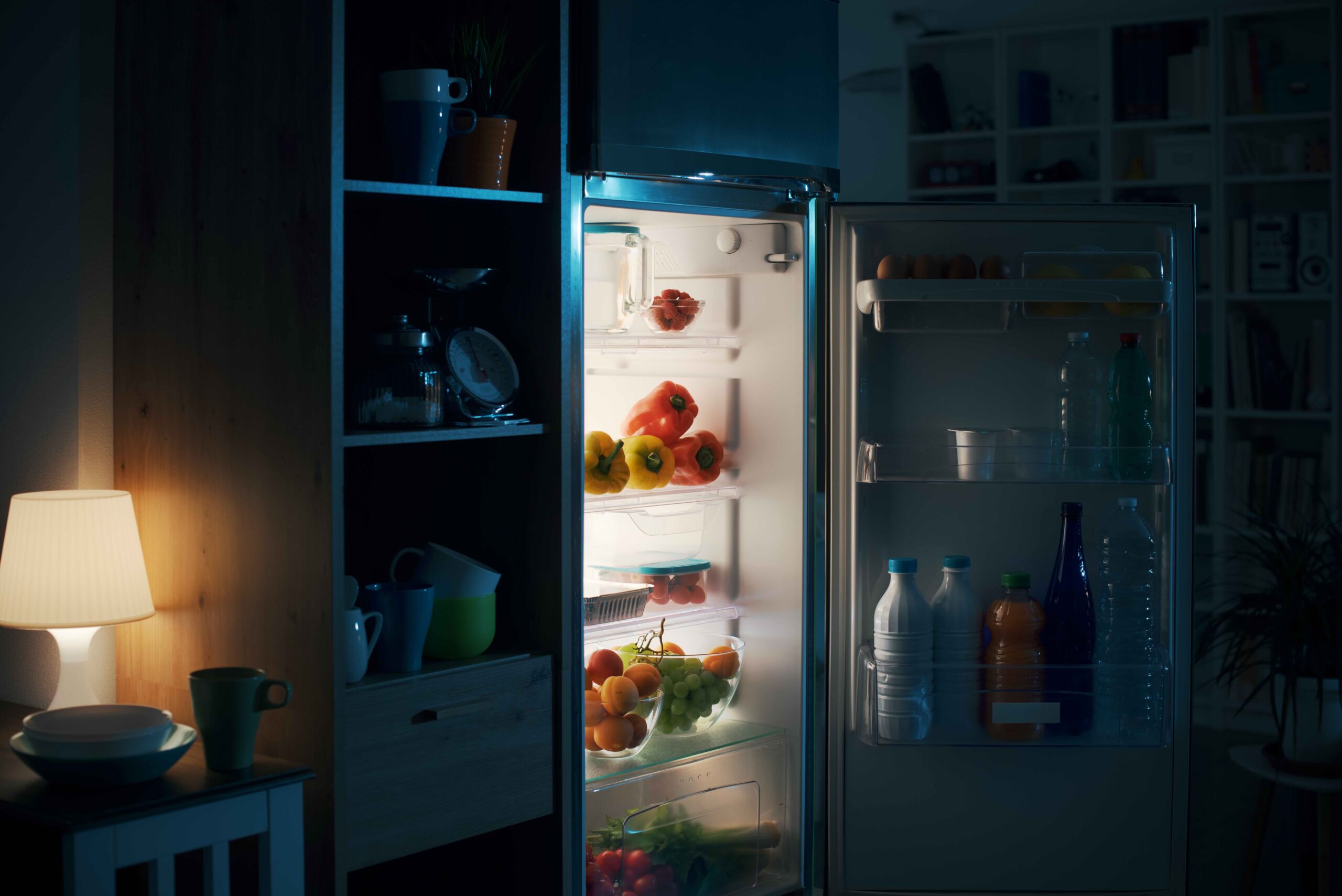
Your Fridge Light Is Out — Here Is What You Need to Know
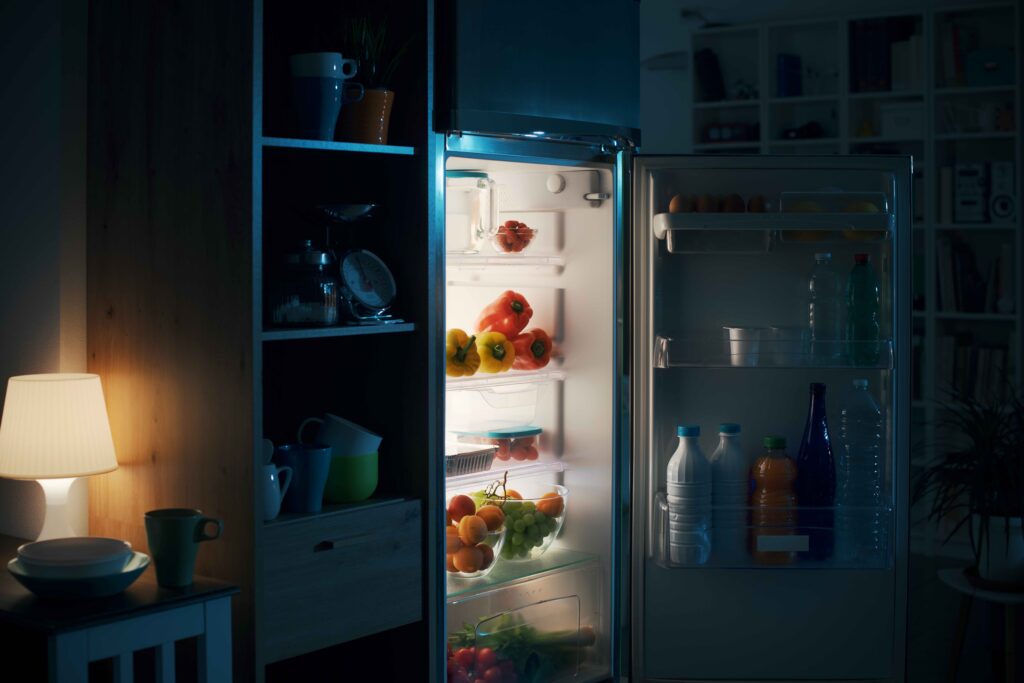
You open the refrigerator, reach for something in the back, and notice the inside is darker than usual. That little light that normally flicks on the second the door swings open — it is just not doing its job anymore. It sounds minor, and honestly, most of the time it is. But a burnt-out fridge lamp is one of those small appliance issues that can quietly tell you something bigger is going on if you know what to look for. This guide walks you through everything related to refrigerator light replacement, from how the system actually works to what it might cost, and why your home warranty coverage matters more than you think in moments like these.
How the Refrigerator Interior Lamp Actually Works
The fridge lamp is wired into the appliance’s electrical system and controlled by a small door switch — sometimes called a door jamb switch or a light actuator. When the door is closed, the switch is depressed, cutting power to the light. When you open the door, the switch releases and completes the circuit, turning the light on. Most modern refrigerators use LED bulbs for this purpose, though older models still rely on incandescent bulbs. The switch itself, the bulb socket, and the wiring harness all play a role in whether that light comes on as expected. If any one of those components fails, the light goes out — even if the bulb itself is perfectly fine.
Common Reasons a Fridge Lamp Stops Working
Before assuming you just need a new bulb, it helps to understand the full picture. There are several reasons a refrigerator interior light might fail, and not all of them require the same fix.
- The bulb has simply burned out from normal use over time
- The door switch is stuck, broken, or worn down from repeated use
- The bulb socket has corrosion or a loose connection
- There is a wiring issue within the refrigerator’s electrical system
- The control board has a fault that is interrupting power to the light circuit
Starting with the simplest explanation — the bulb — is usually the right move. But if a new bulb does not fix the problem, the door switch is the next most likely culprit. A broken door switch can also cause the light to stay on continuously, which generates heat inside the fridge and can affect food temperature. That is when a small cosmetic issue starts to become a functional one.
How to Replace a Refrigerator Bulb Yourself
For many homeowners, replacing the fridge light is a quick do-it-yourself task. Start by unplugging the refrigerator or switching off the circuit breaker for safety. Locate the bulb — it is usually under a plastic cover inside the fridge compartment, near the top or along the side wall. Remove the cover by either snapping it off or unscrewing it, depending on the model. Unscrew the old bulb, note its type and wattage, then take it to a hardware store or look it up online to find the correct replacement. Reinstall, replace the cover, restore power, and test. The whole process often takes less than fifteen minutes. The important caveat here is to always use the manufacturer-recommended bulb type. Using a wattage that is too high can overheat the socket or even damage the wiring over time.

When the Problem Goes Beyond the Bulb
If swapping out the bulb does not restore the light, the diagnosis gets a little more involved. Testing the door switch is the next logical step. Press and release the switch manually while someone watches the light — or use a multimeter to check for continuity. A faulty switch is usually inexpensive to source, but depending on the refrigerator model, accessing it can require removing trim panels or interior components. At that point, the repair starts to feel a lot less like a weekend DIY project and a lot more like something worth handing off to a technician. Wiring issues or control board faults sit at the more complex end of the spectrum entirely. Those repairs require diagnostic tools, appliance expertise, and in some cases, manufacturer-specific parts that are not easy to find off the shelf.
What Fridge Lamp Repairs Typically Cost
On the low end, a replacement bulb runs anywhere from a few dollars to around fifteen dollars, depending on the type. LED replacements tend to cost a bit more upfront but last significantly longer. If the door switch needs replacing, parts typically range from ten to forty dollars, but labor from a qualified appliance technician can add anywhere from seventy-five to one hundred fifty dollars or more to the total. Control board repairs or replacements, when they are the root cause, can push the cost considerably higher — sometimes into the several hundred dollar range depending on the appliance brand and model. None of these costs are enormous in isolation, but they have a way of compounding when you are already dealing with other home repair expenses at the same time.
Key Advantages of Addressing This Repair Promptly
It might be tempting to just leave the light out and move on. But addressing the issue promptly has real advantages for the appliance and your household.
- A stuck-on light generates heat that forces the compressor to work harder
- Early diagnosis can catch a failing door switch before it affects the fridge’s cooling cycle
- A properly functioning light reduces the chance of overlooking spoiled food or spills
- Timely repairs help preserve the overall lifespan of the appliance
A refrigerator that is working harder than it needs to burns more energy and wears out faster. That is a real cost over time, even if it is invisible on the surface.
Common Drawbacks and Limitations to Watch For
Not every fridge lamp situation is straightforward. One limitation homeowners often encounter is parts availability. Older refrigerator models sometimes use bulbs or switches that are discontinued or difficult to source. In those cases, an appliance technician may need to find a compatible alternative, which can extend the repair timeline. Another common frustration is that the root cause of a non-functioning light is not always immediately obvious. A homeowner might replace the bulb, then the switch, only to discover the issue was a wiring fault the whole time. Without the right tools and experience, that diagnostic process can become time-consuming and costly. This is one of the reasons why having a home warranty in place changes the equation significantly — it removes the guesswork around who pays and who handles the repair.
What Home Warranties Typically Cover for Refrigerator Repairs
Home warranties are service agreements that cover the cost of repairing or replacing home systems and appliances when they fail due to normal wear and tear. For refrigerators, a strong home warranty plan will generally cover mechanical and electrical components — including internal wiring, the door switch mechanism, and in many cases, the bulb socket and associated components. The specific scope of coverage varies by provider and plan, so reading your contract carefully matters. What home warranties do not typically cover is cosmetic damage or issues caused by misuse or improper installation. A burnt-out bulb on its own may be considered routine maintenance by some providers, but a failed door switch or wiring fault tied to the lamp circuit would typically fall under covered appliance repair territory. Knowing where that line sits helps you plan accordingly.
Why Armadillo Is the Right Home Warranty Partner for Appliance Coverage
When something as simple as a fridge light points to a deeper appliance issue, having a reliable home warranty already in place makes a meaningful difference. Armadillo was built specifically for homeowners who want straightforward, honest coverage without the fine print surprises. If you are looking for a home warranty plan that covers refrigerator repairs and appliance breakdowns, Armadillo offers clear terms, fast service coordination, and coverage designed around how real home systems actually fail. You do not have to wait until something bigger breaks to get protected. In fact, right now is a good time to get a free home warranty quote for refrigerator and appliance coverage and see exactly what a plan would look like for your home. Small repairs have a way of revealing bigger vulnerabilities — and that is precisely when having Armadillo in your corner matters most.

Frequently Asked Questions About Fridge Lamp Replacement and Home Warranty Coverage
These are the questions homeowners ask most often when dealing with refrigerator light issues and understanding whether their coverage applies.
Why is my refrigerator light not turning on even after I replaced the bulb?
If a new bulb did not fix the problem, the issue is likely with the door switch, the bulb socket, or the internal wiring. A malfunctioning door switch is the most common secondary cause and should be tested next.
Can a broken fridge light affect the refrigerator’s cooling performance?
Yes, if the light stays on continuously due to a faulty door switch, it generates heat inside the compartment. This forces the compressor to run more frequently, which can affect temperature consistency and increase energy use over time.
What type of bulb does my refrigerator use?
Most modern refrigerators use LED bulbs, while older models use appliance-rated incandescent bulbs. The correct type and wattage are listed in your owner’s manual or printed near the bulb socket inside the fridge.
Is replacing a refrigerator light bulb something I can do myself?
In most cases, yes. Unplugging the appliance, removing the light cover, swapping the bulb, and restoring power is a manageable DIY task. However, if the root issue involves the door switch or wiring, a qualified technician should handle the repair.
Does a home warranty cover refrigerator light repairs?
Coverage depends on the provider and plan. A failed door switch or wiring fault tied to the light circuit is typically covered under appliance repair provisions. A routine bulb replacement may be considered normal maintenance and excluded. Always review your specific contract terms.
How much does it cost to repair a refrigerator door switch?
Parts for a door switch typically cost between ten and forty dollars. With professional labor factored in, the total repair cost generally ranges from eighty-five to one hundred ninety dollars depending on the refrigerator model and technician rates in your area.
How long do refrigerator LED bulbs typically last?
LED appliance bulbs are rated to last significantly longer than incandescent alternatives, often between fifteen thousand and twenty-five thousand hours of use. In a refrigerator that is opened many times per day, that can still translate to several years of reliable performance.
What happens if I use a higher wattage bulb than recommended in my fridge?
Using a bulb with a higher wattage than specified can overheat the socket and surrounding components, potentially causing damage to the wiring or even posing a safety risk. Always use the manufacturer-recommended replacement to avoid voiding your warranty or causing further issues.
Can a faulty refrigerator control board cause the interior light to stop working?
Yes. In some refrigerator models, the control board manages power distribution to the light circuit. A board fault can interrupt power to the lamp even when the bulb and switch are both functioning correctly. This type of repair typically requires professional diagnosis.
When should I stop repairing my refrigerator and consider replacing it instead?
If your refrigerator is more than ten to fifteen years old and requires repeated repairs across multiple systems, replacement may be the more cost-effective long-term decision. A home warranty can help offset the cost of covered repairs while you evaluate your options.