Why Your Fridge Light Matters More Than You Think—and How to Replace It
When something’s not working right in your refrigerator, it’s easy to assume it’s a major issue. But what if it’s just the light? That small bulb tucked away in the back of your fridge’s ceiling is a surprisingly critical part of your everyday kitchen experience. It quietly does its job so well that you barely notice it—until it doesn’t. Suddenly your whole fridge feels off. The simple act of seeing what’s inside becomes a hassle, and before long, the absence of that one tiny light becomes a daily inconvenience. Fortunately, replacing a fridge lamp is one of the most straightforward and inexpensive maintenance tasks a homeowner can take on. And while it seems minor, keeping your fridge functioning perfectly—light and all—is part of a bigger story about smart home system upkeep and the true value of modern home warranty coverage.
Understanding the Refrigerator Light System
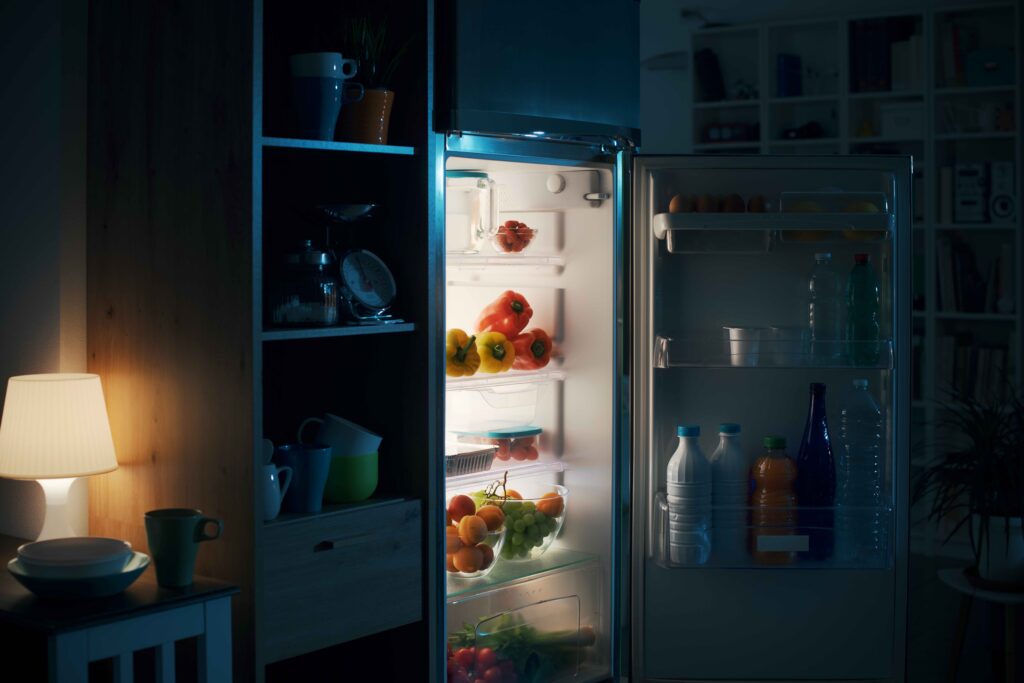
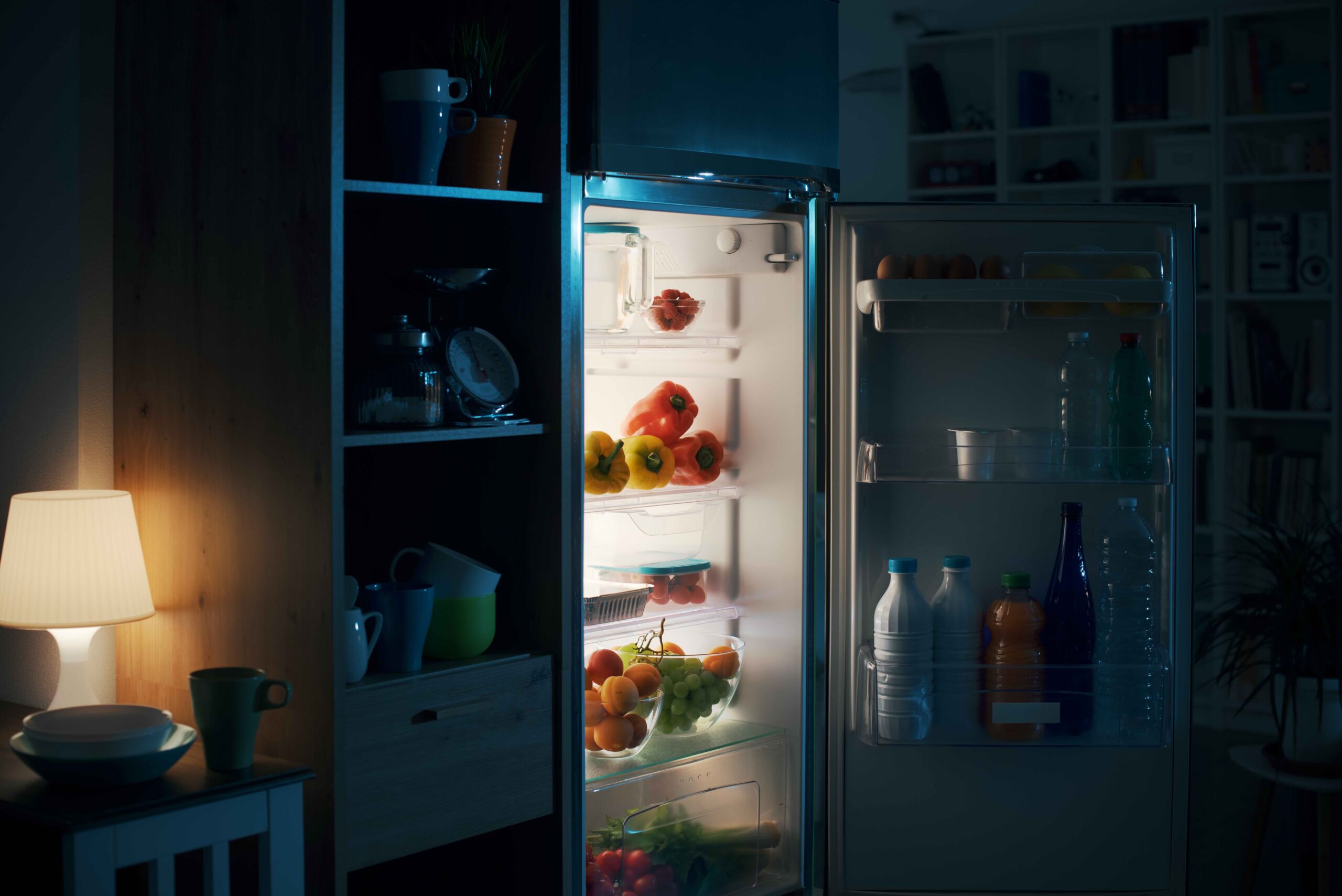
At its core, a refrigerator light system is remarkably uncomplicated. A small bulb—typically an appliance-grade LED or incandescent light—activates whenever you open the refrigerator door. This action is triggered by a tiny spring-loaded door switch, usually located near the door hinge. When the door closes, it presses the switch and the circuit breaks, turning the light off. Open the door, the switch releases, and the circuit activates the bulb. As low-voltage as it sounds, the whole system is hardwired into your appliance’s internal circuitry.
Unlike decorative lighting in fixtures or accent lamps, refrigerator lights must handle extreme conditions. Think cold temperatures, moisture from condensation, and dramatic swings in power consumption. That’s why it’s not just any light bulb—it’s a specifically rated, appliance-certified part designed to do one thing in a very specific environment. Most modern bulbs last years, but eventually they fail. And when they do, replacement isn’t as automatic as changing out a living room lamp. But it isn’t complicated either, and understanding how your fridge’s lighting system works makes it easier to spot genuine issues versus simple maintenance tasks.
How to Replace a Refrigerator Light Bulb
Replacing your refrigerator’s light bulb is usually a quick task, but it pays to approach it with deliberate care. First, make sure the fridge is unplugged or that power to it is turned off at the circuit breaker—this is a safety standard, not a suggestion. Next, locate the bulb. It’s most often found at the top rear of the fridge cavity, sometimes covered by a snap-on or screw-on plastic dome. Once removed, you’ll see the base of the bulb, which usually unscrews just like a standard bulb. Take it out, check its wattage and base type, and head to the nearest appliance supply or hardware store—or online retailer—with that information in hand.
When inserting the new bulb, don’t force it. Gently screw it in, reattach any covering, and restore power before opening the fridge again. If the light still doesn’t come on, the issue may lie with the door switch or internal wiring—not the bulb. In those cases, seek professional service or consult a home warranty provider for guidance. This is exactly the kind of issue that can indicate deeper appliance system wear, and the right support plan can help resolve it quickly.
Benefits of a Functional Fridge Light
At first glance, the advantages of a working fridge light seem obvious. You can see your leftovers. You can find that almond butter hiding behind the milk. But there’s real operational value here, too. A properly functioning light helps you minimize how long the fridge door stays open. Less searching means less cold air escapes, which conserves energy and reduces strain on the compressor. Over time, that kind of efficiency adds up—not just in cost savings, but in slowing wear and tear on internal parts.
Moreover, when your fridge light works as expected, it’s usually a sign that other vital electrical components are functioning properly. On the other hand, recurrent bulb issues or darkness that persists after bulb replacement could be a warning sign of a more significant electrical malfunction. Like most things in homeownership, seemingly small issues can reveal much larger ones brewing quietly behind the scenes.
Drawbacks and When to Call for Backup
In truth, the biggest drawback of replacing a fridge light is misdiagnosing the problem. Buying a new bulb when the issue lies in the door switch, wiring, or control board can waste time and money. Worse, repeated attempts at fixing what appears to be a small lighting problem can result in electrical damage or voiding of product warranties, especially when done without unplugging the appliance or using incompatible parts.
And there’s time. For those balancing jobs, children, and endless to-do lists, something as routine as dealing with a broken light may get pushed aside. That delay can spiral into bigger functional inconveniences, especially if food spoilage or improper cooling creeps in unnoticed. That’s where understanding how small tasks play into the overall function of your appliance—and being covered in case of complications—is essential.
The Role of Home Warranties in Appliance Light Repairs
You might not think to consult your home warranty provider when a fridge light goes out, but here’s where the approach matters. A home warranty—especially a modern, tech-enabled model like Armadillo—focuses not just on fixing what’s broken, but helping you understand how one failure might signal something more. If the light issue leads back to a faulty circuit board or electrical controls, the right warranty plan can cover costly parts or service calls. It becomes less about the bulb and more about having peace of mind when things escalate.
Home warranties bridge gaps between routine maintenance, emergency service calls, and long-term appliance health. They help preserve the investment you made in your fridge, and also streamline the troubleshooting process across all household systems—especially when you’re unsure whether it’s a DIY fix or a professional job. That uncertainty is what great warranty coverage exists to eliminate.
Tips to Extend the Life of Fridge Light Components
While the bulb itself will inevitably need replacement every few years, there are simple ways to prevent premature failure. Avoid slamming the fridge door, which can jar delicate internal components over time. When cleaning, pay attention to moisture buildup around the bulb socket—a dry and secure seal minimizes corrosion. And perhaps most effectively, only handle replacement bulbs with clean hands or gloves to prevent oils from your skin shortening the life of certain bulbs, particularly those still using incandescent models.
Routine inspection is also key. A five-minute monthly check of all your appliance lights—not just the refrigerator—can alert you to hidden electrical issues you might otherwise miss. These proactive methods don’t just protect the light; they help defend the overall performance of your appliances.
Costs, Considerations, and the Bigger Picture
Generally, a new refrigerator light bulb costs under $10, though some high-end or smart fridge models can carry specialized LEDs priced higher. If your fridge is still under a manufacturer’s warranty, replacements may be covered—first step is always to check your documentation. In cases where internal components (beyond the bulb) are failing, the cost jumps fast and can require a service technician, especially for proprietary parts or advanced electronic systems.
That’s where a home warranty becomes not just cost-effective, but crucial. It protects from unpredictable expenses related to everyday appliance breakdowns—lights included. The right plan transforms your ability to manage repairs efficiently, and minimizes the stress that small issues can cause when they turn into larger, systemic failures.
Let Armadillo Light the Way Forward
When it comes to protecting your home appliances, every component counts—even the fridge light. What starts as a simple bulb replacement can reveal broader concerns about wiring, cooling, or electrical balance. With Armadillo, you get more than a warranty—you gain a reliable partner equipped to handle both the ordinary and the unexpected. Our transparent coverage options make it easy to tailor protection to your fridge and every other system that keeps your home running smoothly.
If you’re ready to elevate your approach to home system maintenance, visit armadillo.one to explore how our plans work. When you’re ready to get started, you can build your personalized protection with just a few clicks at our sign-up page. Because in homeownership, no detail is too small to protect—with Armadillo, you’re covered, right down to the light bulb.