When Your Fridge Works But the Freezer Doesn’t: What’s Really Going On
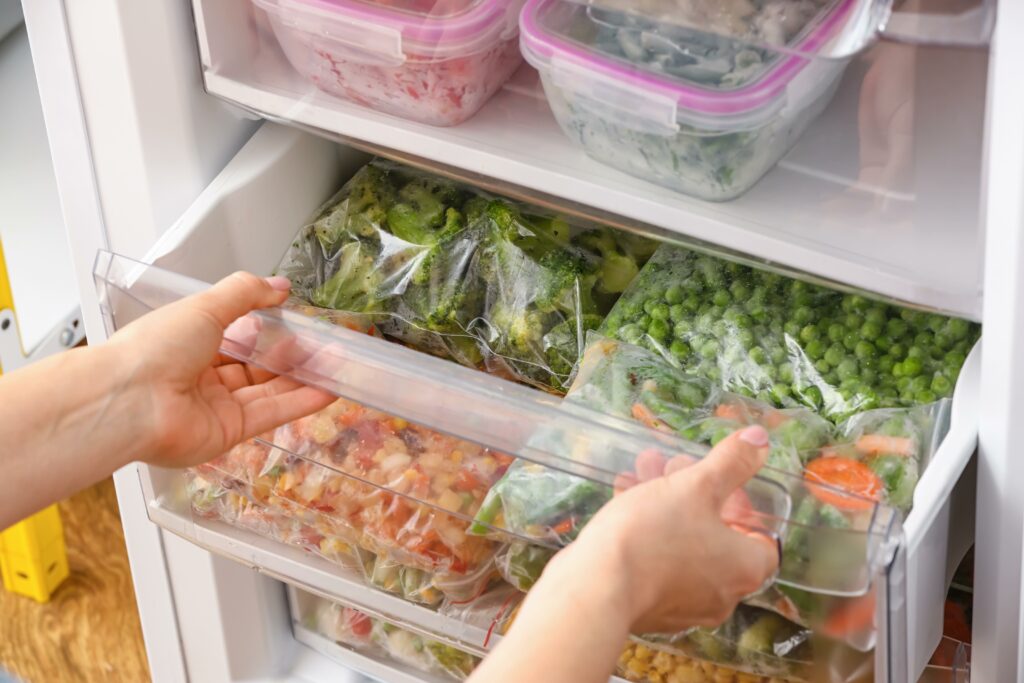
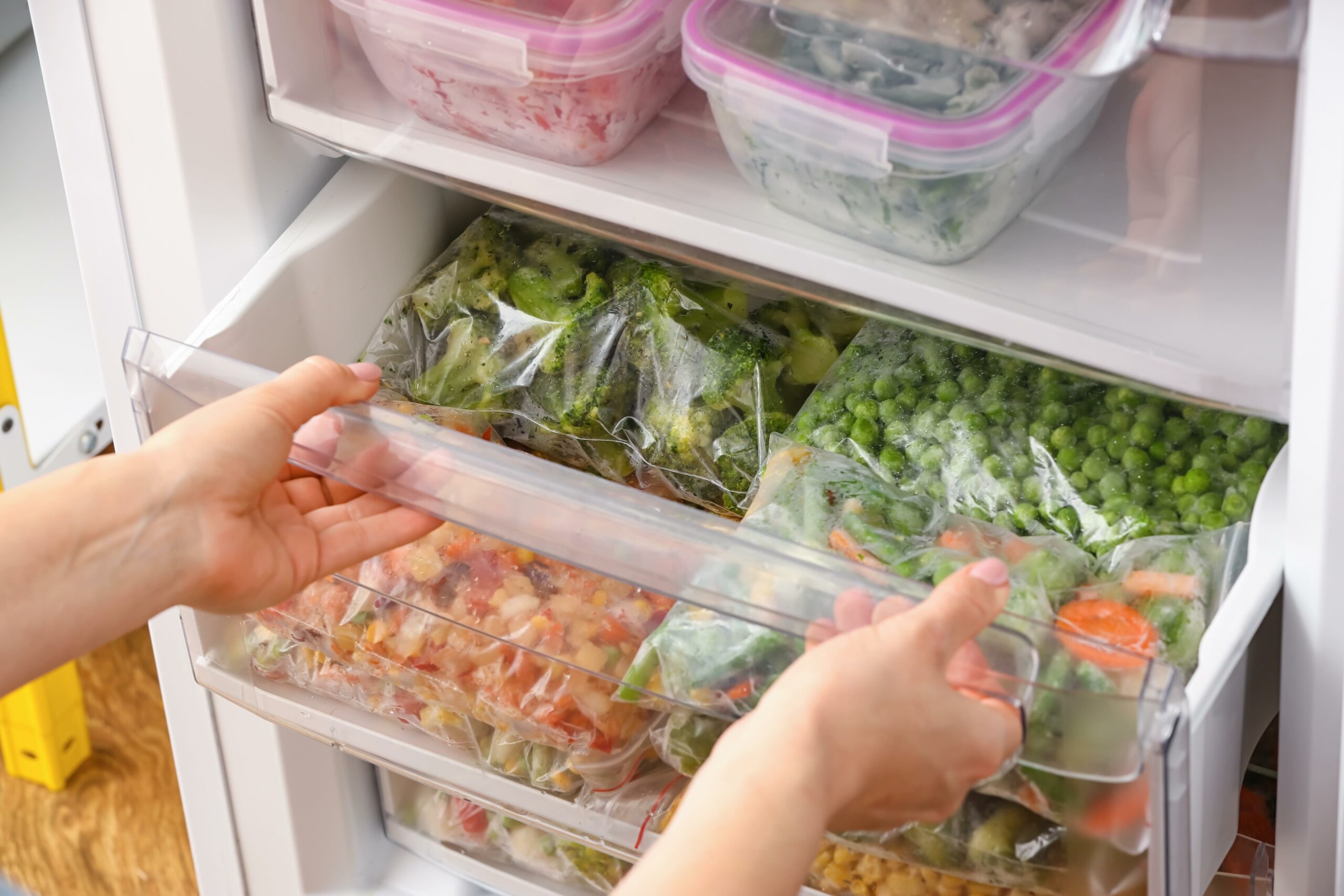
You reach into the freezer expecting a solid block of ice cream and find something closer to a milkshake. The fridge side? Perfectly cold. The freezer? Barely keeping things cool. It is one of those maddening appliance problems that feels random but is almost always rooted in something specific and diagnosable. This situation is more common than most homeowners realize, and understanding what causes it can save you time, money, and a lot of thawed food. Let’s walk through what is actually happening inside your refrigerator when the freezer stops doing its job.
How Your Refrigerator and Freezer Actually Work Together
Most people do not realize that in a standard frost-free refrigerator, the fridge and freezer sections share a single cooling system. There is one compressor, one set of refrigerant lines, and typically one evaporator coil located in the freezer compartment. Cold air is generated in the freezer and then pushed by a fan into the fresh food section. So when the freezer stops getting cold but the fridge still feels okay, something is disrupting that airflow or the cooling process before the air even makes it to the freezer side. It is not two separate systems breaking down independently. It is usually one failing component affecting both spaces in different ways.
The Most Common Culprits Behind a Warm Freezer
When the freezer stops cooling while the fridge holds temperature, the problem usually comes down to a handful of components. Knowing which ones are most likely to fail can help you have a smarter conversation with a technician and avoid being caught off guard by the diagnosis.
- Defrost system failure: Ice builds up on the evaporator coil and blocks airflow entirely, which is one of the most frequent causes of this exact symptom pattern
- Evaporator fan motor failure: If the fan that circulates cold air through the freezer stops working, cold air never gets distributed properly
- Damper control issues: The damper regulates how much cold air flows between the freezer and fridge compartments and can get stuck open or closed
- Dirty or failing condenser coils: When condenser coils are coated in dust and debris, the compressor has to work harder and overall cooling efficiency drops
- Low refrigerant or a refrigerant leak: Less common but serious, a leak means the system cannot generate adequate cold regardless of how hard it tries
The Defrost System Deserves Special Attention
Out of all the potential causes, defrost system failure is arguably the most overlooked and the most misunderstood. Frost-free refrigerators run a defrost cycle several times a day to melt any ice accumulation on the evaporator coil. If the defrost heater, defrost thermostat, or defrost timer fails, ice builds up unchecked. Over time, that ice completely encases the evaporator coil and blocks the evaporator fan from circulating air through the freezer. Here is what is counterintuitive about this: because the fridge gets its cold air from the freezer, the fridge compartment often stays cooler longer because residual cold air still seeps through. So the fridge feels fine while the freezer is essentially suffocating under a layer of ice. If you unplug the refrigerator for 24 to 48 hours and the freezer works again temporarily, defrost system failure is almost certainly the cause.

What the Evaporator Fan Does and Why It Matters
The evaporator fan sits inside the freezer compartment, usually behind a panel at the back wall, and its entire job is to pull air across the cold evaporator coil and push it throughout the freezer. When this fan motor fails, the coil might still be cold, but that cold air just sits there. The freezer warms up. The fridge may stay cooler temporarily because of its own thermal mass, but it will eventually warm up too if the fan is completely dead. A quick diagnostic trick: open the freezer door, manually press the door switch to simulate a closed door, and listen for the fan. If you hear nothing, that fan motor likely needs to be replaced. This is generally a straightforward repair for an experienced appliance technician.
Could It Be the Condenser Coils?
Condenser coils release heat from the refrigerant into the surrounding air, and when they get clogged with dust, pet hair, and household debris, that heat has nowhere to go. The compressor strains, efficiency drops, and the freezer often suffers first because it requires the coldest temperatures. Most refrigerators have condenser coils located either underneath the unit behind a kick plate or on the back of the appliance. Cleaning them once or twice a year with a coil brush or vacuum is one of the simplest and most impactful maintenance tasks a homeowner can do. If you have never cleaned yours, do it before calling a technician. Sometimes that alone resolves marginal cooling performance in the freezer.
When to Repair Versus When to Replace
This is the question every homeowner eventually faces. As a general rule, if your refrigerator is less than ten years old and the repair cost is less than half the cost of a comparable replacement unit, repair is usually the smarter financial decision. Components like the evaporator fan motor, defrost heater, and even the defrost thermostat are relatively affordable parts with reasonable labor costs. A refrigerant leak repair or compressor replacement is a different story. Compressor work can easily run several hundred dollars, and on an older unit, that investment may not make sense. Always get a diagnostic estimate from a licensed technician before deciding. Knowing the specific failed component matters more than guessing based on symptoms alone.
Practical Steps You Can Take Right Now
Before calling anyone or spending any money, there are a few things worth trying on your own. These steps will not fix serious mechanical failures, but they can rule out simple causes and save you an unnecessary service call.
- Check the freezer temperature setting to confirm it has not been accidentally adjusted
- Make sure the freezer is not overpacked, which can restrict airflow around the evaporator fan
- Listen for the evaporator fan running when the freezer door is closed
- Inspect door gaskets for tears or gaps that allow warm air to infiltrate the compartment
- Clean the condenser coils if they have not been serviced recently
- Try manually defrosting the unit by unplugging it for 24 to 48 hours to see if performance returns
How Home Warranties Factor Into Refrigerator Repairs
Refrigerator repairs are not cheap, and they almost always come without warning. A service call alone can cost between seventy-five and one hundred fifty dollars before any parts or labor are added. When you factor in component costs and technician time, a single repair visit can easily reach three hundred dollars or more. This is exactly the kind of unexpected expense that a home warranty is designed to absorb. A home warranty plan that covers built-in appliances will typically cover the mechanical and electrical failures that cause issues like a freezer not cooling, including failed evaporator fan motors, defrost system components, and in many cases, compressor failures. The key is understanding what your plan covers and what conditions apply.
Why Armadillo Is Worth Considering for Appliance Coverage
When your freezer stops working, the last thing you want is to navigate a complicated claims process or argue over whether a component is covered. Armadillo was built with exactly that frustration in mind. As a home warranty provider focused on transparent refrigerator and appliance coverage, Armadillo offers straightforward plans that cover the kinds of mechanical failures described throughout this article, without the fine print runaround that has given the home warranty industry a complicated reputation. You get real coverage for real breakdowns. If you have been thinking about protecting your home appliances before the next surprise repair bill lands, now is a good time to get a free home warranty quote for refrigerator and freezer protection and see what a plan actually costs. It takes about two minutes, and the peace of mind is worth far more than that.

Frequently Asked Questions About a Fridge That Works But a Freezer That Does Not
These are the questions homeowners ask most often when facing this exact problem, answered directly and without unnecessary complexity.
Why is my fridge cold but my freezer warm?
This almost always indicates a problem with airflow or the defrost system. The most common causes are a failed evaporator fan motor, ice buildup on the evaporator coil due to a defrost system failure, or a stuck damper control. Since both compartments share one cooling system, a single failed component can affect them differently.
Can I fix a freezer that is not cooling on my own?
Some basic steps like cleaning condenser coils, checking door seals, and manually defrosting the unit can be done by a homeowner. However, replacing internal components like the evaporator fan motor, defrost heater, or thermostat typically requires a licensed appliance technician to diagnose and repair safely.
How do I know if my defrost system has failed?
If manually unplugging your refrigerator for 24 to 48 hours and allowing it to fully thaw restores freezer function temporarily, the defrost system is almost certainly the cause. A technician can test the defrost heater, thermostat, and timer individually to identify which component has failed.
Is it worth repairing a freezer that is not cooling, or should I replace the refrigerator?
If the refrigerator is under ten years old and the repair cost is less than half the price of a replacement unit, repair is generally the better value. Compressor failures on older units may tip the calculation toward replacement. Always get a diagnostic estimate first.
How much does it cost to repair a freezer that is not getting cold?
Repair costs vary depending on the failed component. Evaporator fan motor replacements typically run between one hundred fifty and three hundred dollars including labor. Defrost system repairs fall in a similar range. Compressor replacement can exceed four hundred to six hundred dollars and may not be cost-effective on an older unit.
Does a home warranty cover a freezer that stopped working?
Most home warranty plans that include appliance coverage will cover mechanical and electrical failures in refrigerators and freezers, including components like the evaporator fan motor, defrost system parts, and compressor. Coverage specifics vary by plan, so reviewing your contract terms before filing a claim is important.
How often should I clean my refrigerator condenser coils?
Cleaning condenser coils once or twice per year is a reasonable maintenance schedule for most households. Homes with pets may need to clean them more frequently due to pet hair accumulation. Regular cleaning improves efficiency and can extend the lifespan of the compressor.
What is an evaporator fan and where is it located?
The evaporator fan is a small motor-driven fan located inside the freezer compartment, typically behind a back panel. It circulates air across the evaporator coil and distributes cold air throughout both the freezer and refrigerator sections. When it fails, cooling distribution is disrupted significantly.
Can a bad door seal cause the freezer to stop cooling?
Yes. A torn or warped door gasket allows warm, humid air to enter the freezer continuously. This forces the compressor to work harder, can accelerate frost buildup on the evaporator coil, and reduces overall cooling efficiency. Inspecting and replacing door seals is a low-cost maintenance step with meaningful impact.
How long should a refrigerator last before needing major repairs?
Most refrigerators are designed to last between 10 and 20 years depending on the brand, model, and how well they are maintained. Major component failures like compressor or sealed system issues are more likely after the ten-year mark. Regular maintenance, including coil cleaning and door seal inspection, supports a longer operational lifespan.