What Is a Fume Hood Filter and Why Does It Matter in Your Home?
If you have a range hood above your stove, there is a decent chance you have thought about it maybe twice — once when you moved in and once when the smoke alarm went off during a Sunday roast. But the filter inside that hood is doing real, consistent work every time you cook. It traps grease, absorbs odors, and keeps airborne particles from cycling back into your kitchen air. Understanding how fume hood filters work, when to maintain them, and what type you actually need is one of those homeowner basics that tends to get overlooked until something goes wrong. So let us walk through it properly.
How a Fume Hood Filter Actually Works
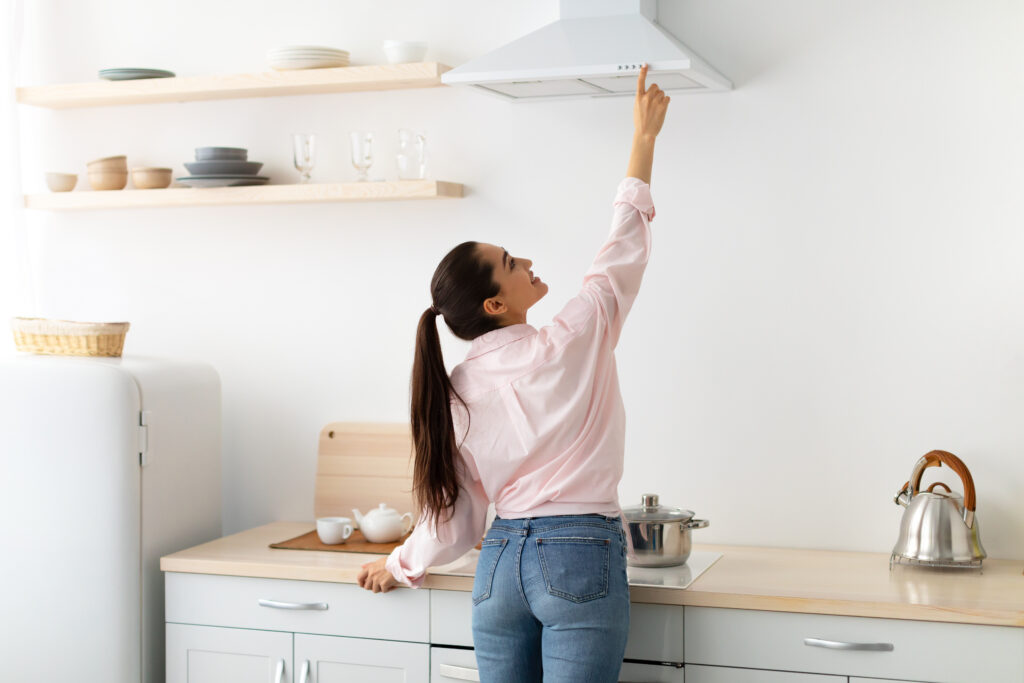
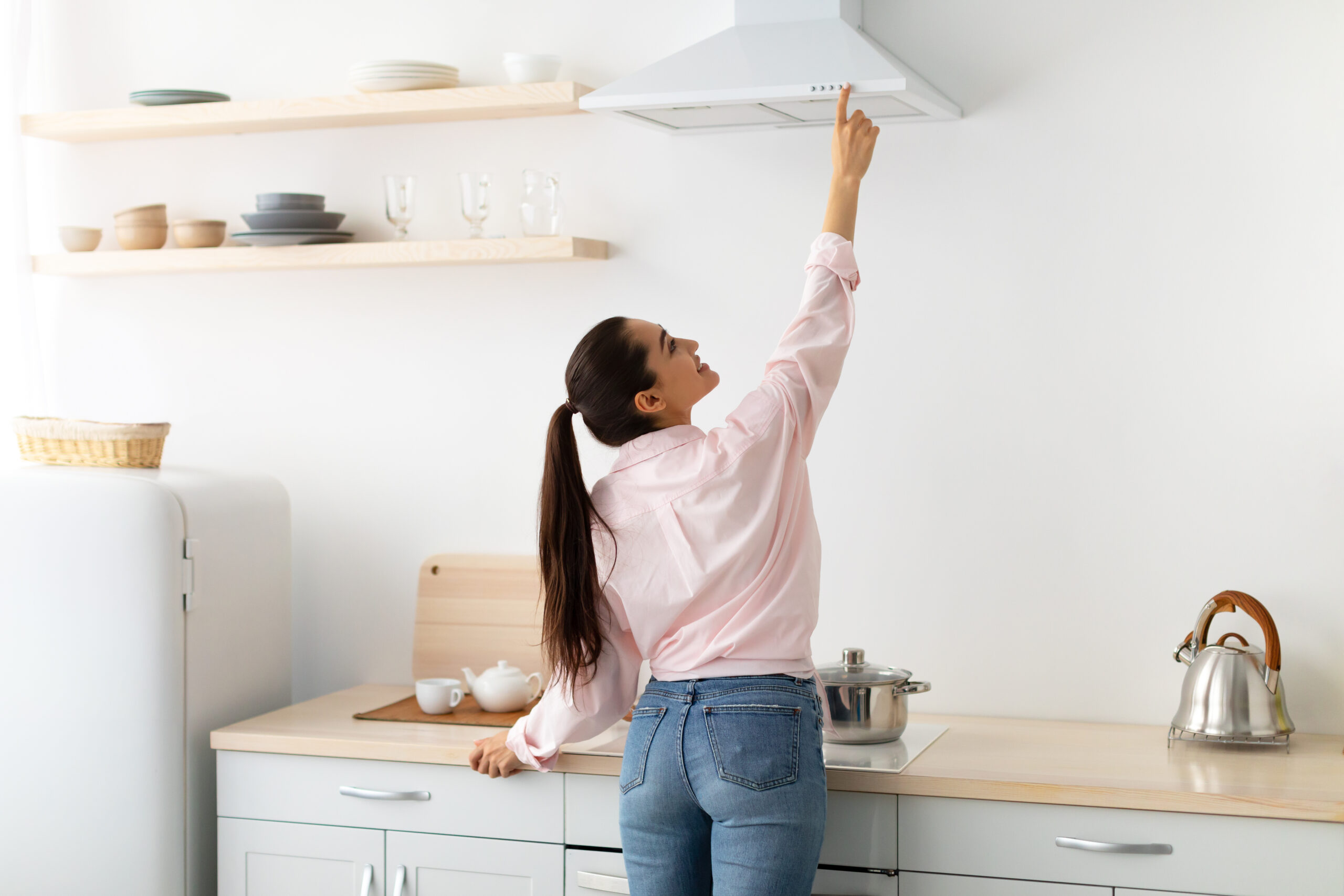
A fume hood, more commonly called a range hood or kitchen exhaust hood, is the ventilation unit mounted above your cooktop. Its job is to capture steam, smoke, grease, and cooking odors before they spread through your home. The filter is the component doing most of that work. When you cook, rising air carries with it tiny grease droplets and combustion byproducts. The filter intercepts that air and either traps the particles physically or neutralizes odors chemically, depending on the filter type. Some hoods vent the captured air outside through a duct. Others recirculate filtered air back into the kitchen. Both systems rely entirely on the filter being functional. A clogged or degraded filter does not just underperform — it can become a genuine fire hazard, since accumulated grease is highly flammable.
The Different Types of Fume Hood Filters
Not all filters are created equal, and knowing the difference matters when you are buying replacements or troubleshooting performance issues. There are three main categories homeowners typically encounter.
- Baffle filters are made from stainless steel or aluminum and use a series of layered channels to redirect airflow and trap grease. They are durable, dishwasher-safe, and built for heavy cooking use. Most professional-grade range hoods use baffle filters.
- Mesh or aluminum mesh filters are the most common in standard residential hoods. They layer fine aluminum mesh to catch grease particles. They work well for light to moderate cooking and are easy to clean, though they can clog faster with frequent high-heat cooking.
- Charcoal or carbon filters are used exclusively in ductless, recirculating hoods. They do not trap grease — they absorb odors. These filters cannot be cleaned and must be replaced on a schedule, typically every three to six months depending on how often you cook.
Key Advantages of Maintaining Your Fume Hood Filter
Regular filter maintenance delivers benefits that extend well beyond a cleaner-smelling kitchen. From a home systems perspective, a well-maintained range hood filter contributes to indoor air quality, appliance longevity, and even household safety. Grease that bypasses a saturated filter coats the internal components of your hood, reducing motor efficiency over time and creating mechanical strain. Clean filters help the fan motor run at its intended capacity without overworking. There is also the fire risk factor — grease buildup in and around exhaust systems is a leading contributor to kitchen fires. Staying on top of filter cleaning or replacement is one of the lower-effort maintenance tasks with one of the higher potential payoffs when it comes to home safety.

Common Drawbacks and Limitations to Know
Fume hood filters are not a perfect solution, and it helps to go in with realistic expectations. Charcoal filters, for example, have a fixed lifespan and no amount of cleaning will restore their absorption capacity — they simply need to be replaced. Mesh filters, while cleanable, can warp or lose structural integrity after repeated high-temperature cleaning cycles. Even the best baffle filter has a threshold beyond which it can no longer keep up with heavy grease output. Ductless recirculating hoods, regardless of filter quality, are inherently less effective than ducted systems because they are returning filtered air to the same space rather than exhausting it entirely. If your kitchen produces significant smoke or strong cooking odors regularly, a ductless setup with even a premium carbon filter may still leave you wanting better ventilation.
How Often Should You Clean or Replace Your Filter?
This is where a lot of homeowners fall behind, and it is understandable — there is no dashboard alert, no notification, no visible indicator that screams maintenance required. A general guideline for mesh and baffle filters is cleaning every one to three months, with more frequent attention if you cook daily or use high-heat methods like frying or searing regularly. Charcoal filters should be replaced every three to six months regardless of visible condition, since their degradation happens chemically rather than physically. If your hood starts running louder than usual, if you notice grease residue on surfaces near the stove, or if cooking odors linger longer than they used to, those are reliable signals that your filter needs attention immediately.
Cleaning Your Fume Hood Filter Step by Step
For mesh and baffle filters, the process is manageable and does not require professional help. Remove the filter by sliding or unlatching it from the hood — most residential filters pop out without tools. Soak the filter in hot water mixed with a degreasing dish soap or a dedicated kitchen degreaser for at least fifteen minutes. For stubborn grease, a paste of baking soda applied before soaking can help loosen buildup. Scrub gently with a non-abrasive brush, rinse thoroughly, and allow the filter to dry completely before reinstalling. Many baffle and mesh filters are also dishwasher-safe on the top rack using a heated dry cycle. Always check your hood manufacturer’s documentation before putting any filter component through the dishwasher.
When Filter Maintenance Points to a Bigger Problem
Sometimes a struggling fume hood is not about the filter at all. If cleaning or replacing the filter does not restore normal performance, the issue may lie in the fan motor, the ductwork, or the hood’s internal wiring. A motor that hums but does not spin efficiently, ductwork that has become partially blocked, or a damaged control board can all mimic the symptoms of a dirty filter. These are the kinds of repairs that move beyond basic maintenance and into home systems territory — which is exactly where a home warranty becomes relevant. Appliance-level issues that stem from mechanical or electrical failure rather than owner neglect are often covered under a comprehensive warranty plan, which can make a significant difference when a repair estimate comes in higher than expected.
Fume Hood Filters and Your Home Warranty Coverage
Here is where it gets practical for homeowners thinking about long-term cost management. Home warranties typically cover the mechanical and electrical components of built-in kitchen appliances, which can include range hoods depending on the plan. The filter itself, being a consumable maintenance item, generally falls outside warranty coverage — that is expected and appropriate. But if your range hood fan motor fails, a relay malfunctions, or internal wiring causes the unit to stop working entirely, those are exactly the kinds of breakdowns a strong home warranty is designed to address. Knowing the boundary between routine maintenance and covered mechanical failure helps you use your warranty intelligently rather than being caught off guard at claim time.
Why Armadillo Is the Right Home Warranty Partner for Kitchen Appliance Protection
Keeping up with filter maintenance is your part of the deal — and now you know how to do it well. But when something goes mechanically wrong with your range hood or any other kitchen appliance, having the right protection in place changes everything. Armadillo home warranty coverage for kitchen appliances and home systems is built around transparency, straightforward pricing, and claims that do not come with a wall of fine print to decipher. There are no confusing tiers designed to bury the coverage you actually need. If you want to know what your home is covered for before something breaks — which is always the better time to find out — you can get a free home warranty quote for range hood and appliance protection in just a few minutes. Proactive homeowners tend to make better decisions, and Armadillo is built for exactly that kind of homeowner.

Frequently Asked Questions About Fume Hood Filters
Answers to the most common questions homeowners have about range hood filters, maintenance schedules, and related home warranty considerations.
What is the difference between a ducted and ductless range hood filter?
A ducted range hood vents captured air outside the home through a duct system and typically uses a grease-trapping mesh or baffle filter. A ductless range hood recirculates air back into the kitchen and requires a charcoal or carbon filter to absorb odors in addition to a grease filter. Ducted systems are generally more effective at removing smoke and heat.
How do I know if my fume hood filter needs cleaning?
Common signs include visible grease buildup on the filter surface, reduced suction or airflow, persistent cooking odors that linger after meals, and a louder-than-normal fan motor. As a general rule, inspect your filter monthly and clean it every one to three months based on how frequently you cook.
Can I run my range hood filter through the dishwasher?
Many aluminum mesh and stainless steel baffle filters are dishwasher-safe and can be cleaned on the top rack using a heated dry setting. However, you should always confirm this with your range hood’s manufacturer documentation, as some filters may warp or degrade under dishwasher conditions.
How long does a charcoal range hood filter last?
Charcoal filters used in ductless recirculating hoods typically last between three and six months under normal cooking frequency. They cannot be cleaned or recharged — once the activated carbon is saturated, the filter must be replaced entirely.
Is a fume hood filter covered under a home warranty?
The filter itself is considered a consumable maintenance item and is not typically covered under a home warranty plan. However, the mechanical and electrical components of the range hood — such as the fan motor, wiring, or internal controls — may be covered if they fail due to normal wear and not owner neglect.
What happens if I never clean my range hood filter?
An uncleaned filter becomes saturated with grease, which reduces airflow, forces the fan motor to work harder, and creates a significant fire hazard. Grease accumulated in and around exhaust components is a leading cause of kitchen fires. Regular cleaning is both a maintenance and a safety priority.
Are baffle filters better than mesh filters?
Baffle filters are generally considered more durable and effective for heavy cooking use. They are easier to clean and tend to last longer than aluminum mesh filters. Mesh filters are adequate for light to moderate cooking and are more affordable, making them a common choice in standard residential range hoods.
Can a dirty filter damage my range hood motor?
Yes. When a filter is heavily clogged, the fan motor must work against restricted airflow, which increases strain and heat buildup over time. This kind of prolonged mechanical stress can shorten the motor’s lifespan and eventually lead to premature failure.
What size replacement filter do I need for my range hood?
Filter sizes vary by hood model and manufacturer. The easiest way to find the correct replacement is to remove your existing filter and check for a model number printed on the frame, then cross-reference with your range hood’s manual or the manufacturer’s website. Many replacement filters are also available through standard home improvement retailers.
Does a range hood filter improve indoor air quality?
Yes, within the scope of cooking-generated pollutants. A functioning range hood filter captures grease particles, smoke, steam, and odors that would otherwise disperse into your living space. For broader indoor air quality concerns, a range hood filter works best as part of a home ventilation strategy rather than as a standalone solution.