What Is a Furnace and AC Tune-Up and Why Does It Actually Matter?
Most homeowners think about their HVAC system twice a year — when summer hits and the air conditioning struggles to keep up, or when winter rolls in and the furnace seems to be working harder than it should. That reaction-based approach to home comfort is understandable, but it comes with a cost. A furnace and AC tune-up is a scheduled, professional inspection and maintenance service designed to keep your heating and cooling systems running at peak efficiency before problems develop. It is not a repair visit. It is a preventive one. And the difference between those two things — financially and practically — is significant.
How a Furnace Tune-Up Works From Start to Finish
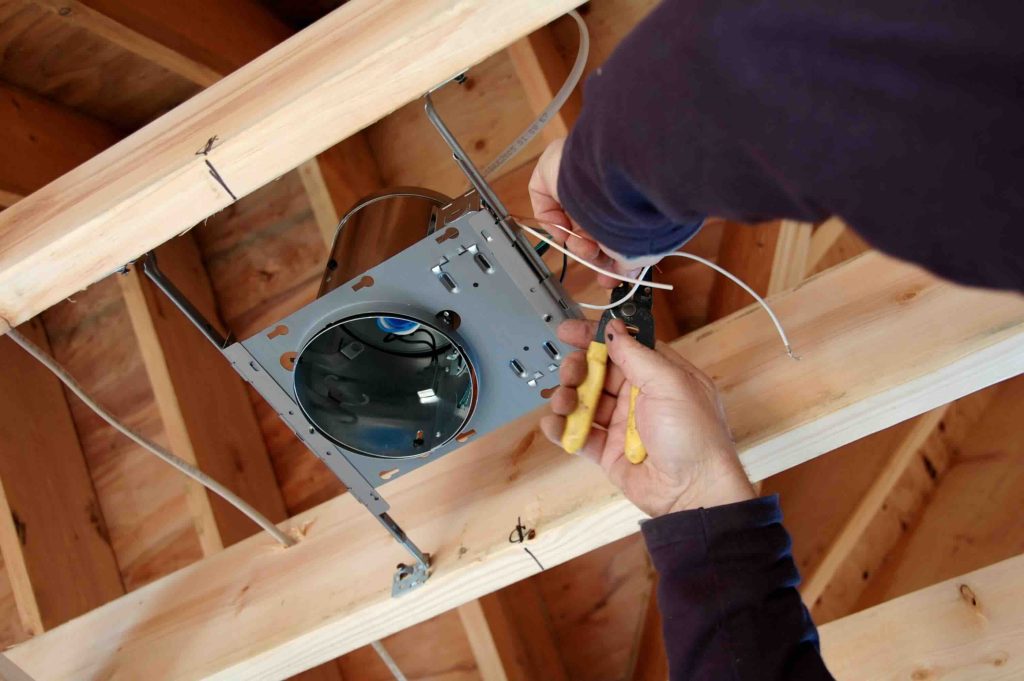
When a technician performs a furnace tune-up, they are doing a thorough walkthrough of your entire heating system. This typically includes inspecting the heat exchanger for cracks, cleaning the burners, checking the igniter and flame sensor, testing the blower motor, measuring airflow, inspecting the flue for blockages or carbon monoxide risks, and verifying that all electrical connections are tight and safe. They will also replace or inspect the air filter, calibrate the thermostat if needed, and run the system through a full cycle to confirm normal operation. The whole process usually takes between one and two hours. It is detail-oriented work, and when done correctly, it catches issues that a homeowner simply cannot see without the right tools or training.
How an AC Tune-Up Works and What Gets Checked
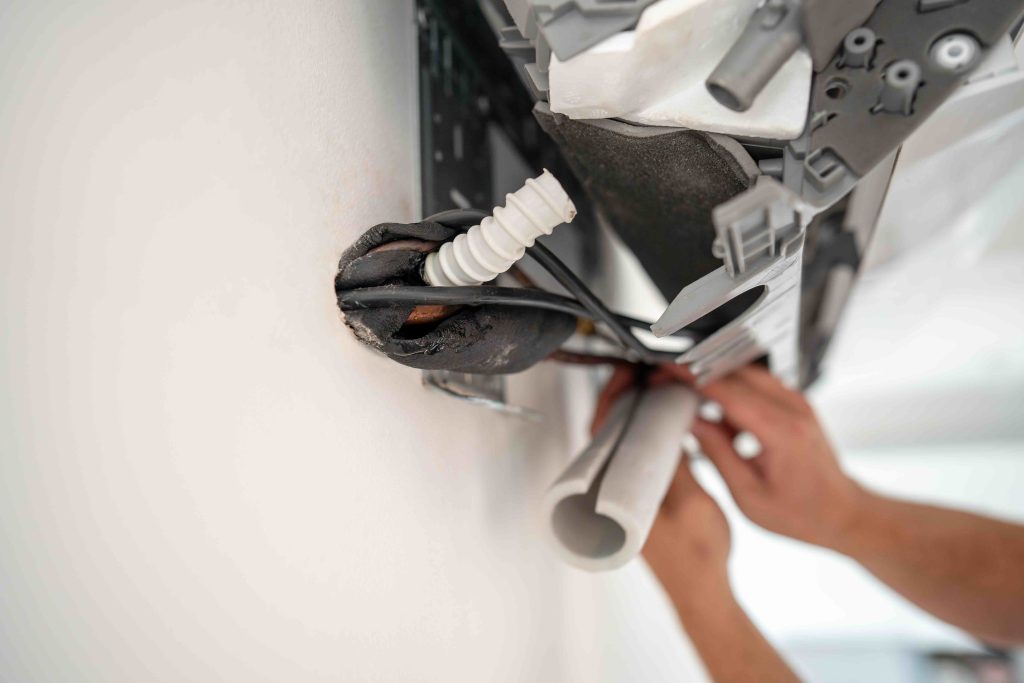
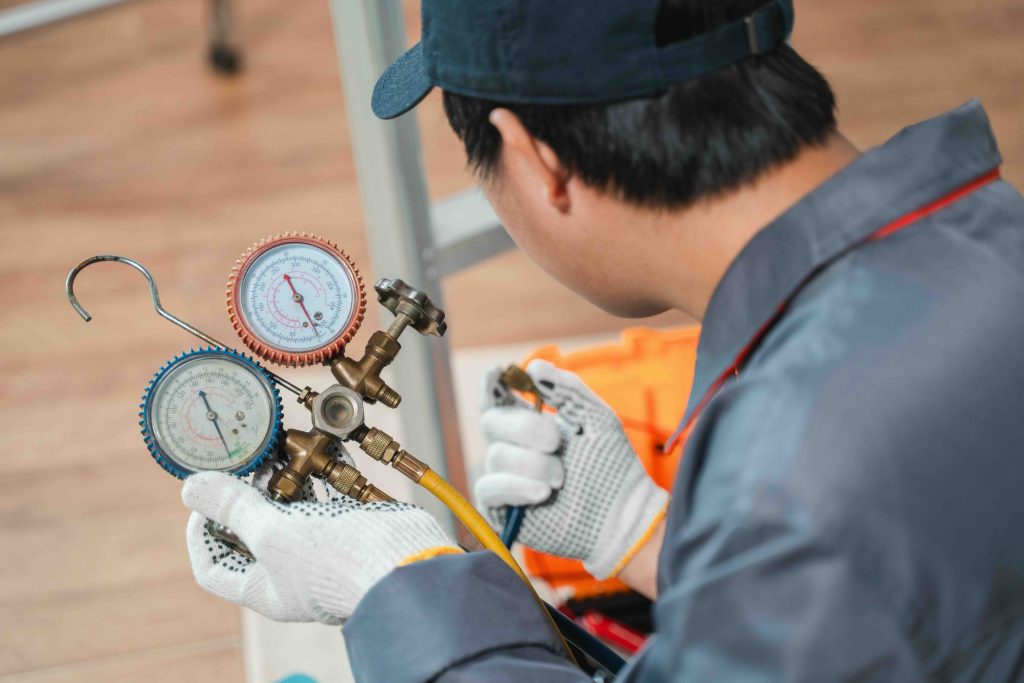
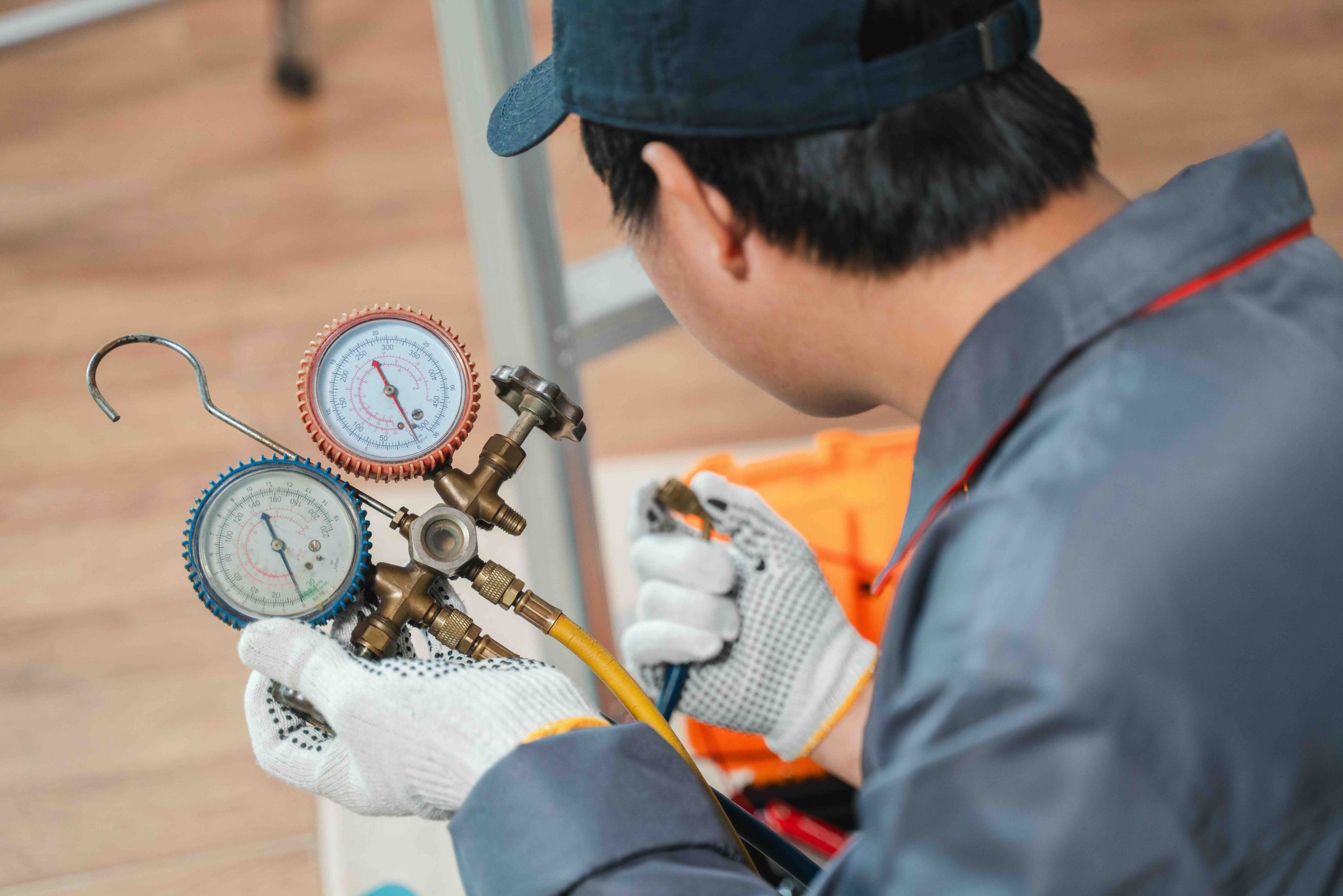
An air conditioning tune-up follows a similar preventive model but focuses on the cooling-specific components of your HVAC system. A technician will inspect and clean the evaporator and condenser coils, check refrigerant levels and look for leaks, inspect the condensate drain line, test the capacitors and contactors, measure electrical voltages and amperage draws, lubricate moving parts, and verify that the thermostat is communicating correctly with the system. The outdoor unit gets particular attention since it operates in the elements year-round and accumulates debris, dirt, and wear at a faster rate than indoor components. A well-executed AC tune-up confirms that the system can handle the demand of a full cooling season without breaking down at the worst possible time.

The Real Advantages of Scheduling Regular HVAC Tune-Ups
The benefits of consistent HVAC maintenance compound over time, and they show up in ways that directly affect a homeowner’s budget and comfort. Here is what regular tune-ups deliver when done on schedule:
- Lower monthly energy bills due to improved system efficiency and reduced strain on components
- Longer equipment lifespan, often adding several years to what the system would otherwise last without maintenance
- Fewer unexpected breakdowns, especially during peak summer and winter seasons when demand is highest
- Better indoor air quality from cleaner components, filters, and airflow paths
- Early identification of safety risks, including cracked heat exchangers that can release carbon monoxide
- Maintained manufacturer warranty coverage, which often requires documented annual maintenance
These are not marginal gains. A system running at full efficiency can use meaningfully less energy than one operating with dirty coils, a clogged filter, or worn-out components. That gap shows up on your utility statement every single month.
Common Drawbacks and Limitations to Know Before You Book
No service is without its limitations, and furnace and AC tune-ups are no exception. The first drawback worth acknowledging is cost variability. Prices for a tune-up can range significantly depending on your region, the company you hire, and whether you are scheduling one system or both. Some companies offer bundled HVAC tune-up packages that are more cost-effective, but others charge separately for heating and cooling visits. Another limitation is that a tune-up is not a guarantee against breakdowns. It significantly reduces the risk, but it does not eliminate it. If a major component like a compressor, heat exchanger, or blower motor is already nearing the end of its life, a tune-up may identify the problem without resolving it, meaning you are still facing a repair or replacement conversation. Finally, the quality of the service depends heavily on the technician performing it. A rushed or incomplete tune-up is not much better than no tune-up at all.
How Often Should You Schedule Furnace and AC Tune-Ups?
The industry standard recommendation is once per year for each system. For most homeowners, that means scheduling a furnace tune-up in the fall before heating season begins and an AC tune-up in the spring before cooling demand picks up. This timing is intentional. Catching issues before peak season means you are not scrambling to find an available technician in the middle of a heat wave or a cold snap. Some HVAC companies offer annual maintenance plans or service agreements that bundle both visits at a discounted rate, which can be a practical option for homeowners who want to set it and forget it without worrying about remembering to call each season.
Practical Tips for Getting the Most Out of Every Tune-Up
Maximizing the value of your HVAC tune-up starts before the technician even arrives. Change your air filter at least every 90 days, and more frequently if you have pets or anyone in the home with allergies. Clear the area around your outdoor AC unit and make sure the indoor furnace area is accessible. Write down any performance issues you have noticed — odd noises, inconsistent temperatures, longer run times — so you can share that information with the technician. After the visit, ask for a written summary of what was inspected, what was found, and any recommendations for upcoming repairs. That documentation is useful for warranty purposes and for tracking your system’s health over time.
What Happens When You Skip the Tune-Up
Deferred maintenance is one of the most common and costly mistakes homeowners make with their HVAC systems. When tune-ups get skipped year after year, small issues that would have been caught early become larger failures that require significant repairs. Dirty coils force the system to work harder and raise energy bills. Refrigerant leaks that go undetected can damage the compressor. A cracked heat exchanger that is never identified becomes a carbon monoxide safety hazard. The financial cost of skipping maintenance often far exceeds what the tune-ups themselves would have cost over the same period. It is a pattern that plays out consistently, and it is one of the clearest arguments for treating HVAC maintenance as a non-negotiable line item in your home budget rather than an optional expense.
How a Home Warranty Complements Your HVAC Maintenance Routine
Even the most diligently maintained HVAC system can experience a mechanical failure. Components wear out. Systems age. And when a furnace or air conditioner fails unexpectedly, the repair or replacement costs can be substantial — sometimes running into the thousands of dollars. This is where a home warranty becomes a meaningful layer of financial protection. A home warranty covers the repair or replacement of covered systems and appliances when they break down due to normal wear and tear. For homeowners who keep up with their tune-ups, a home warranty works as the safety net beneath a well-maintained system. It is not a substitute for maintenance. It is the protection plan for the moments when maintenance was not enough. Together, they form a complete approach to HVAC ownership that manages both the ongoing costs of upkeep and the unpredictable costs of failure.
If you want a home warranty provider that understands how heating and cooling systems actually work, Armadillo home warranty coverage for HVAC systems is built to give homeowners real protection without the fine print runaround. When your furnace or AC breaks down after a season of reliable operation, the last thing you want is a claim dispute. Armadillo keeps the process straightforward, and you can get a free home warranty quote for furnace and AC protection in just a few minutes to see exactly what your plan would look like.

Frequently Asked Questions About Furnace and AC Tune-Ups
Answers to the most common questions homeowners ask about HVAC tune-ups, maintenance schedules, and how these services connect to home warranty coverage.
What is included in a standard furnace tune-up?
A standard furnace tune-up typically includes inspecting the heat exchanger, cleaning the burners and igniter, checking the blower motor and electrical connections, testing the thermostat, inspecting the flue system, and running a full operational cycle to verify performance.
How long does a furnace or AC tune-up take?
Most furnace or AC tune-ups take between one and two hours depending on the system’s condition, age, and the thoroughness of the technician performing the service.
How much does an HVAC tune-up cost?
Costs vary by region and provider, but most single-system tune-ups range from $75 to $200. Bundled heating and cooling packages often offer better value and can range from $150 to $350 for both systems.
Can a tune-up prevent my air conditioner from breaking down?
Regular tune-ups significantly reduce the risk of AC breakdowns by catching worn components, refrigerant issues, and electrical problems early. They do not eliminate the possibility of failure, but they lower it substantially.
Is a furnace tune-up necessary if my system seems to be working fine?
Yes. Many HVAC issues develop silently without obvious symptoms. A system that appears to be working fine can still have degraded efficiency, minor refrigerant leaks, or early-stage component wear that a professional inspection will catch before it becomes a costly failure.
Does a home warranty cover furnace and AC repairs?
Most home warranty plans include coverage for furnace and air conditioning systems, covering repair or replacement costs when systems fail due to normal wear and tear. Coverage specifics vary by plan, so reviewing your contract details is important.
Will skipping a tune-up void my home warranty coverage?
Some home warranty providers require documented proof of routine maintenance to honor claims. Skipping tune-ups could potentially complicate a claim, which is one strong reason to keep maintenance records on file.
When is the best time of year to schedule a furnace tune-up?
Fall is the ideal time to schedule a furnace tune-up, ideally in September or October before cold weather arrives. This ensures the system is inspected and ready before peak heating demand begins.
When should I schedule my AC tune-up?
Spring is the recommended time for an AC tune-up, typically in March, April, or May before the summer cooling season begins. Scheduling early also helps you avoid the busy season when technician availability becomes limited.
How does a furnace tune-up improve energy efficiency?
Clean burners, a properly calibrated thermostat, unobstructed airflow, and well-lubricated components all allow the system to operate with less effort to achieve the same output. That reduced strain translates directly into lower energy consumption and reduced utility costs.