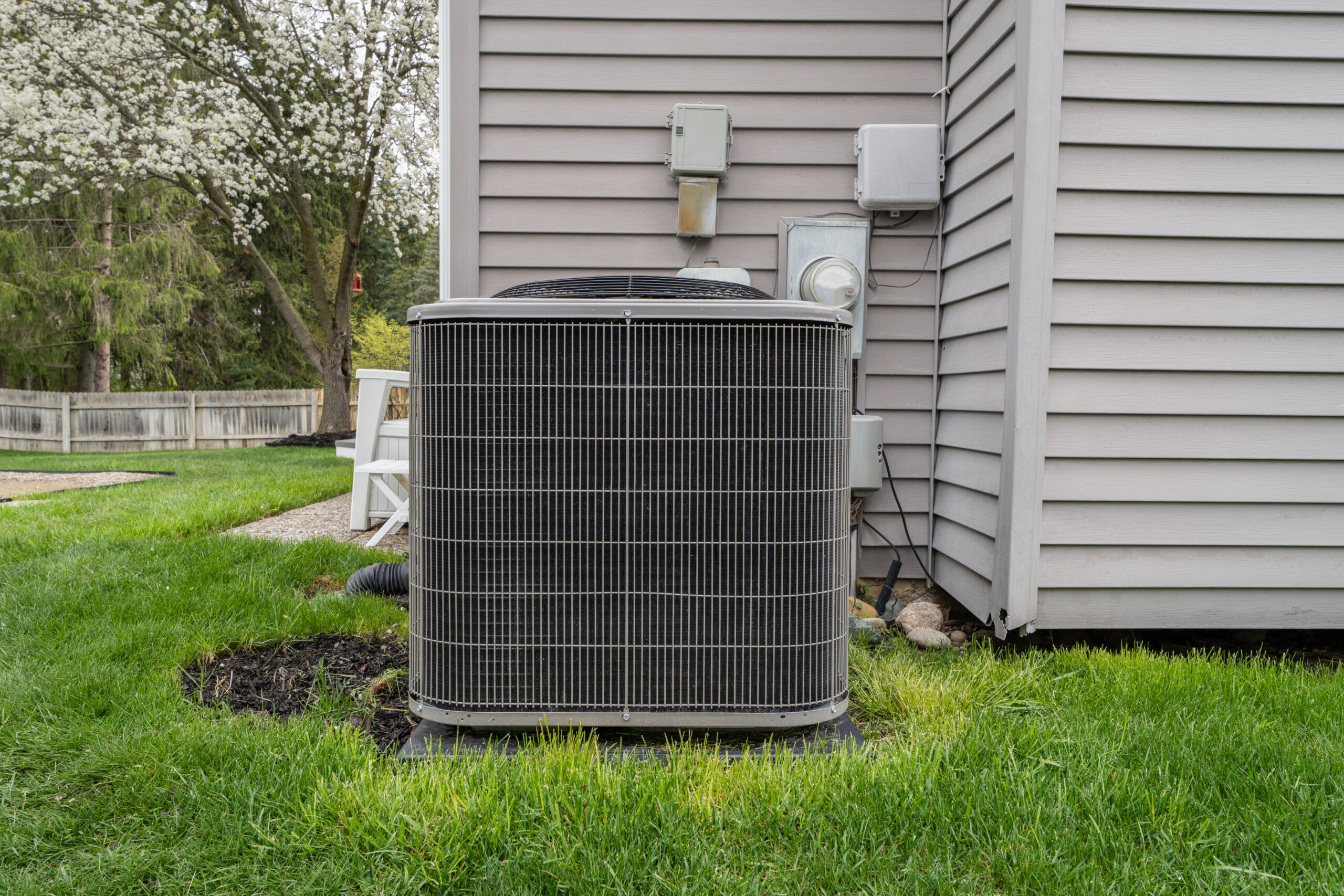
What Does It Really Cost to Replace a Furnace and Central Air System?
Here is the thing nobody tells you when you buy a house — the HVAC system quietly becomes one of the most expensive line items you will ever face as a homeowner. Not because it breaks constantly, but because when it does go, it goes big. Replacing a furnace, replacing central air, or replacing both at the same time is a financial event that catches most people completely off guard. Understanding what drives those costs, what to expect, and how to protect yourself before that day arrives is genuinely one of the more important things you can do for your household budget.
Understanding What a Furnace and Central Air System Actually Do
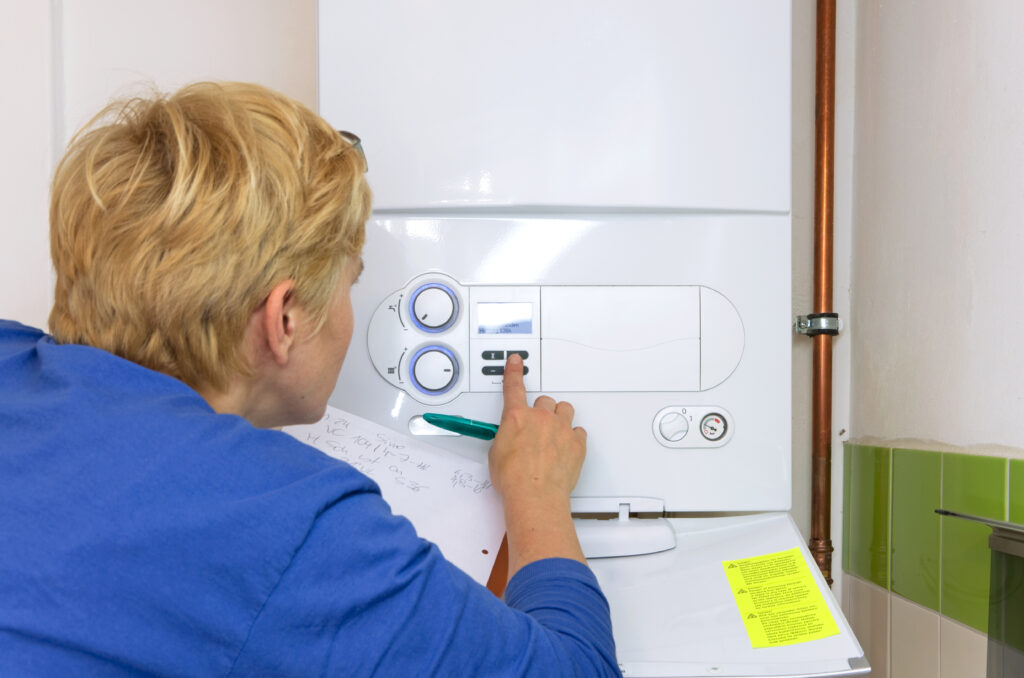
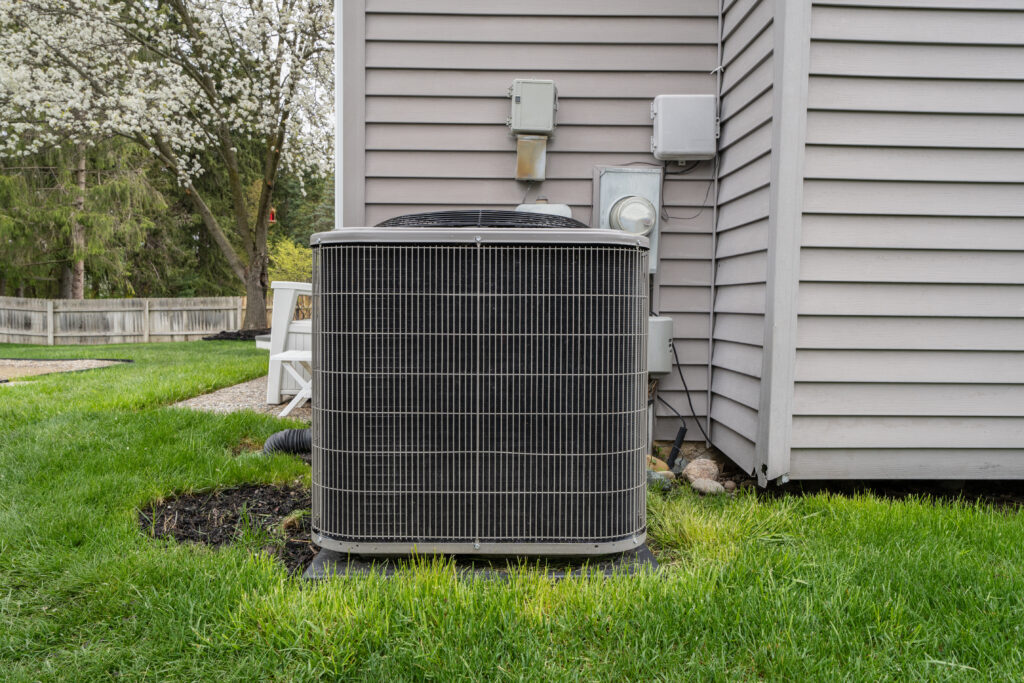
Before getting into the numbers, it helps to know what you are working with. A furnace is the heating component of your home’s HVAC system. It pulls in air, heats it using either gas, oil, or electricity, and then pushes that warm air through a network of ducts that distribute it throughout the home. Central air conditioning works in the opposite direction — it removes heat and humidity from indoor air and expels it outside using a refrigerant cycle that involves a compressor, condenser, and evaporator coil. Together, these two systems form the backbone of your home’s year-round climate control. They are not luxury features. They are infrastructure, and aging infrastructure eventually fails.
Average Cost to Replace a Furnace
Let’s get into the actual numbers because that is what most people are really here for. The cost to replace a furnace in the United States typically ranges from $2,500 to $7,500, depending on several variables. High-efficiency models with AFUE ratings above 90 percent tend to sit at the higher end of that range, while standard-efficiency units may fall somewhere in the middle. The size of the furnace, measured in BTUs, also plays a significant role — larger homes require more output, and larger units cost more. Labor adds another layer of cost that varies by region, with installation fees ranging from $500 to over $2,000 in high-cost-of-living markets. Duct modifications, permit fees, and the removal of old equipment can push costs even higher.
Average Cost to Replace Central Air Conditioning
Replacing a central air conditioning system carries a similar price range, though it tends to run slightly higher in some scenarios. Homeowners typically spend between $3,500 and $8,000 for a standard central AC replacement, with higher-efficiency systems or larger homes potentially reaching $10,000 or more. The SEER rating — Seasonal Energy Efficiency Ratio — is the key metric here. Higher SEER ratings mean greater energy efficiency, but also a higher upfront price. If the existing ductwork is in poor shape or undersized, that adds another expense on top of the unit itself. Refrigerant type also matters, as systems using older refrigerants may require full replacements rather than simple repairs.
What Happens When You Replace Both at the Same Time
This is where homeowners sometimes feel the real impact. Replacing both the furnace and the central air condenser simultaneously is more common than people realize, particularly because the components work together and often age at similar rates. A combined HVAC replacement — sometimes called a system changeout — can range from $6,000 to over $15,000 depending on system size, efficiency ratings, and regional labor rates. There is, however, a practical upside to replacing both at once: bundled installation often costs less than two separate service calls, and contractors may offer package pricing that reduces overall labor costs. Equipment warranties also reset at the same time, giving you a clean slate across the board.
Key Factors That Drive HVAC Replacement Costs Higher
- Home square footage and the corresponding system size required
- Efficiency ratings selected, such as AFUE for furnaces and SEER for AC units
- Brand and equipment tier, ranging from entry-level to premium systems
- Ductwork condition and whether modifications or replacements are necessary
- Geographic location and local labor market rates
- Permit requirements and local building code compliance
- Disposal fees for old equipment and refrigerant recovery costs

How Long Do These Systems Actually Last
Knowing the lifespan of your HVAC equipment is just as important as knowing replacement costs. A gas furnace, when properly maintained, typically lasts between 15 and 20 years. Central air conditioning systems generally have a lifespan of 12 to 17 years. These are averages, not guarantees — a system that has been neglected, run constantly, or improperly sized from the start may fail much earlier. Conversely, a well-maintained system in a mild climate might exceed expectations. The point is, if your equipment is approaching the ten-year mark, this is not the time to be caught without a financial plan for eventual replacement.
Advantages of Upgrading to a New HVAC System
There is a real upside to replacement that often gets lost in the sticker shock. Modern HVAC equipment is significantly more efficient than systems manufactured even ten years ago. A high-efficiency furnace can reduce heating costs by 20 to 30 percent annually compared to an older unit. New central air systems with higher SEER ratings deliver more consistent cooling while drawing less power. Beyond energy savings, newer systems tend to operate more quietly, maintain more even temperatures throughout the home, and offer smart thermostat compatibility that older systems simply cannot support. For many homeowners, the math on long-term savings makes a compelling case for not waiting until the very last moment.
Common Drawbacks and Honest Considerations
- High upfront costs can strain household budgets, particularly without prior planning
- Financing options for HVAC replacement often carry interest rates that increase total cost
- Installation disruption can be significant, especially in extreme weather conditions
- Not all contractors are equal — selecting the wrong installer can void manufacturer warranties
- Energy savings from efficiency upgrades may take several years to offset initial investment
Why a Home Warranty Is One of the Smartest Ways to Protect Against HVAC Costs
This is where home warranty coverage becomes genuinely relevant — not as an abstract financial product, but as a direct response to the costs outlined in this article. When your furnace fails mid-January or your central air quits on a 95-degree afternoon, the last thing you want is a $6,000 bill with no plan in place. Armadillo home warranty plans designed to cover furnace and central air system repairs and replacements exist precisely for situations like these. A quality home warranty plan covers the repair or replacement of major systems and appliances when they fail due to normal wear and tear — which is exactly how most HVAC systems eventually go. Rather than absorbing the full cost of a replacement out of pocket, covered homeowners pay a manageable service call fee and let the warranty handle the rest. If you are not currently protected and want to understand what coverage looks like for your specific home, get a free HVAC home warranty quote from Armadillo in under two minutes and see what a plan would actually cost compared to an unexpected system replacement.

Frequently Asked Questions About Furnace and Central Air Replacement Costs
Below are answers to the questions homeowners ask most often when facing a furnace or central air replacement.
How much does it cost to replace a furnace in the United States?
The average cost to replace a furnace ranges from $2,500 to $7,500, including equipment and installation. High-efficiency units, larger homes, and complex installations can push costs beyond that range.
How much does central air conditioning replacement cost?
Replacing a central air conditioning system typically costs between $3,500 and $8,000. Premium systems with high SEER ratings or homes requiring ductwork modifications may see costs reach $10,000 or more.
Is it cheaper to replace a furnace and AC at the same time?
In most cases, yes. Bundling both replacements into a single job often reduces labor costs and may come with package pricing from contractors. Equipment warranties also align when both units are installed together.
How long does a furnace last before needing replacement?
A gas furnace typically lasts between 15 and 20 years with proper maintenance. Systems that are poorly maintained or oversized for the home may fail earlier.
How long does a central air conditioner last?
Central air conditioning systems generally last 12 to 17 years. Annual maintenance, including coil cleaning and refrigerant checks, can extend the life of the system toward the upper end of that range.
Does a home warranty cover furnace and AC replacement?
Many home warranty plans cover the repair and replacement of furnaces and central air conditioning systems when failure is due to normal wear and tear. Coverage details vary by provider and plan, so reviewing what is included before purchasing is important.
What are the signs that a furnace needs to be replaced rather than repaired?
Key indicators include the system being over 15 years old, increasing repair frequency, uneven heating throughout the home, rising energy bills despite consistent usage, and a heat exchanger that shows cracks or damage.
What SEER rating should I look for in a new central AC system?
The federal minimum SEER rating varies by region, but most energy-conscious homeowners target SEER 16 or higher for meaningful efficiency gains. Higher SEER units cost more upfront but reduce monthly energy expenses over time.
Can I get financing for furnace or AC replacement?
Yes, many HVAC contractors offer financing options through third-party lenders. Manufacturer financing programs are also common. Interest rates and terms vary, so comparing total cost of financing against upfront payment is advisable before committing.
How can I reduce the cost of replacing my HVAC system?
Obtaining multiple quotes from licensed contractors, checking for manufacturer rebates, exploring utility company incentive programs for high-efficiency equipment, and maintaining an active home warranty plan are all practical ways to reduce the financial impact of HVAC replacement.