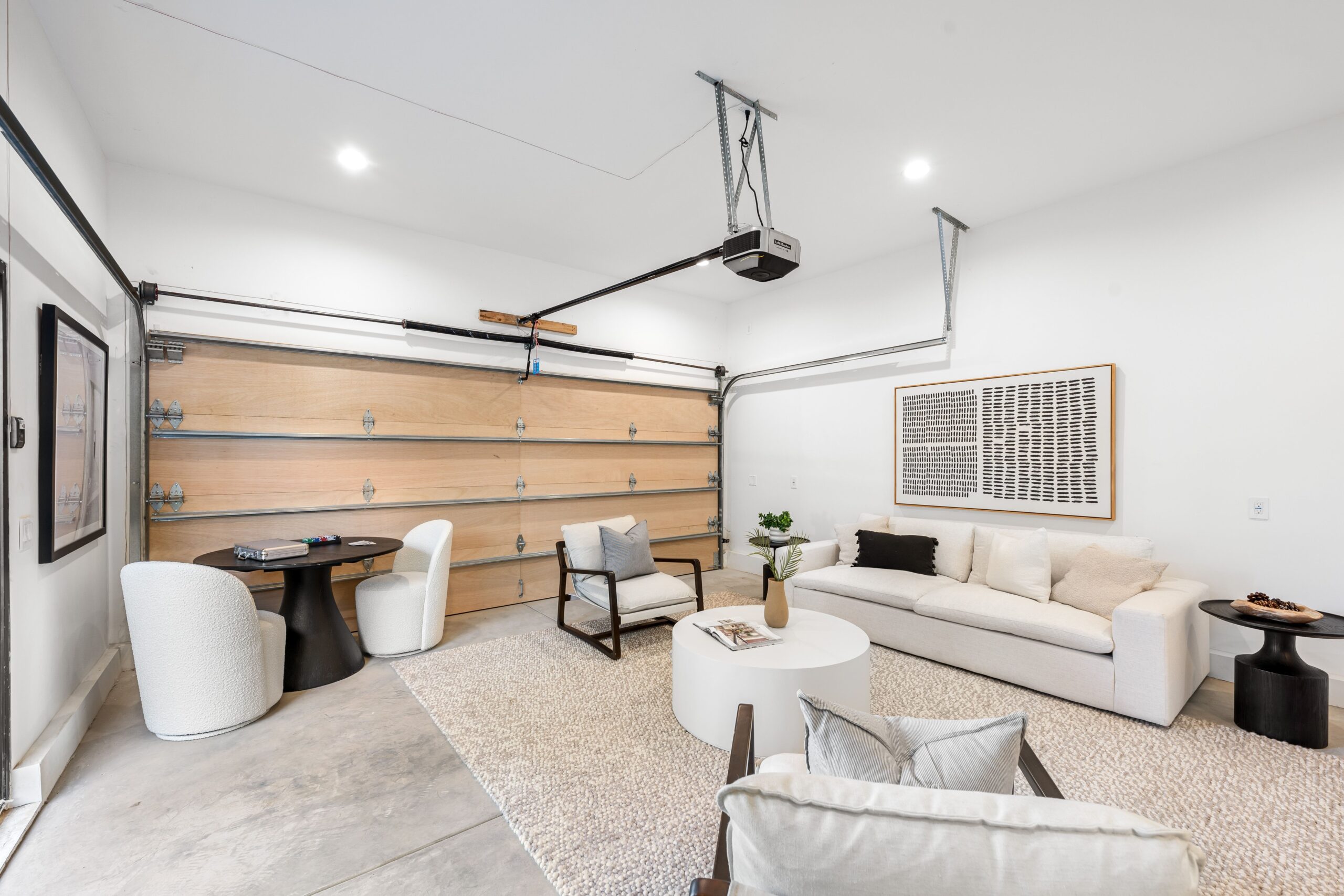
What Is a Garage Apartment Conversion and Is It Worth It?
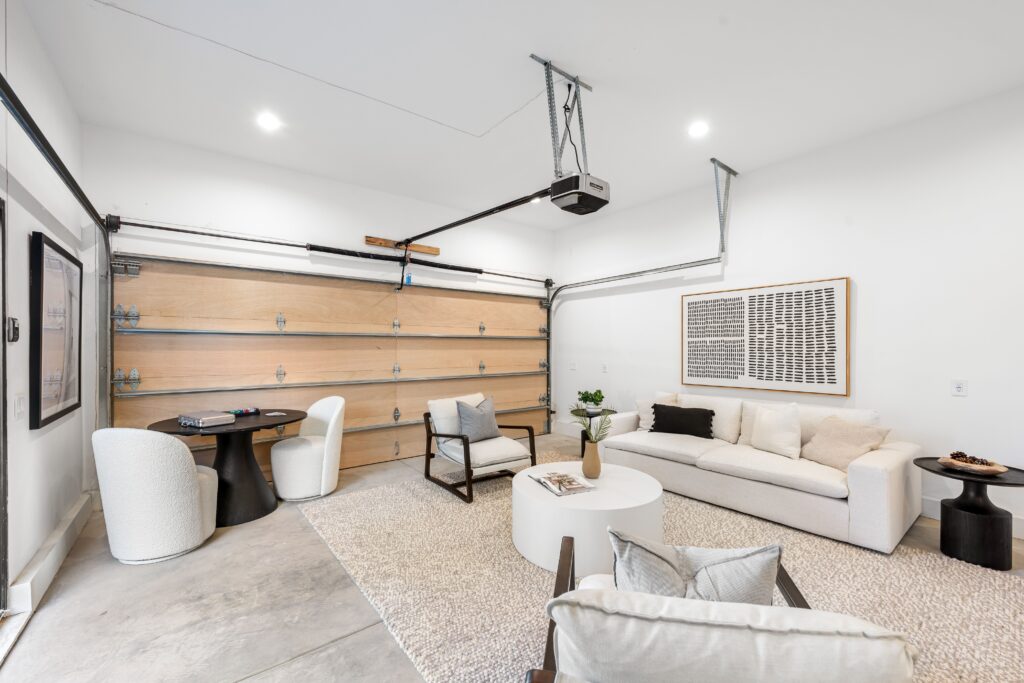
A garage apartment conversion is exactly what it sounds like — taking an existing attached or detached garage and transforming it into a livable, functional dwelling unit. Whether the goal is a private guest suite, a rental income stream, a home office, or a multigenerational living space, this kind of project has become one of the more practical home improvement decisions a homeowner can make. The appeal is real. You already have the footprint. You already have the roof. In theory, you are halfway there before a single nail is driven. But like most things in homeownership, the full picture is a bit more layered than that first glance suggests.
How a Garage Conversion Actually Works
The conversion process typically begins with a structural assessment. A contractor or architect evaluates the existing garage to determine whether the foundation, framing, insulation, and ceiling height meet residential building code requirements. From there, the work expands to include adding or upgrading electrical wiring, installing plumbing if a bathroom or kitchen is planned, replacing the garage door with a proper wall and entry point, and ensuring adequate heating and cooling throughout the space. Permits are almost always required, and in many municipalities, the unit must meet accessory dwelling unit regulations — often called ADU codes — before it can legally be occupied or rented. The conversion is not a weekend project. Most take anywhere from six weeks to several months depending on scope and local approval timelines.
The Key Systems You Will Be Adding or Upgrading
This is where homeowners often underestimate the investment. A garage, by default, is not built to residential living standards. The systems that need attention typically include the following:
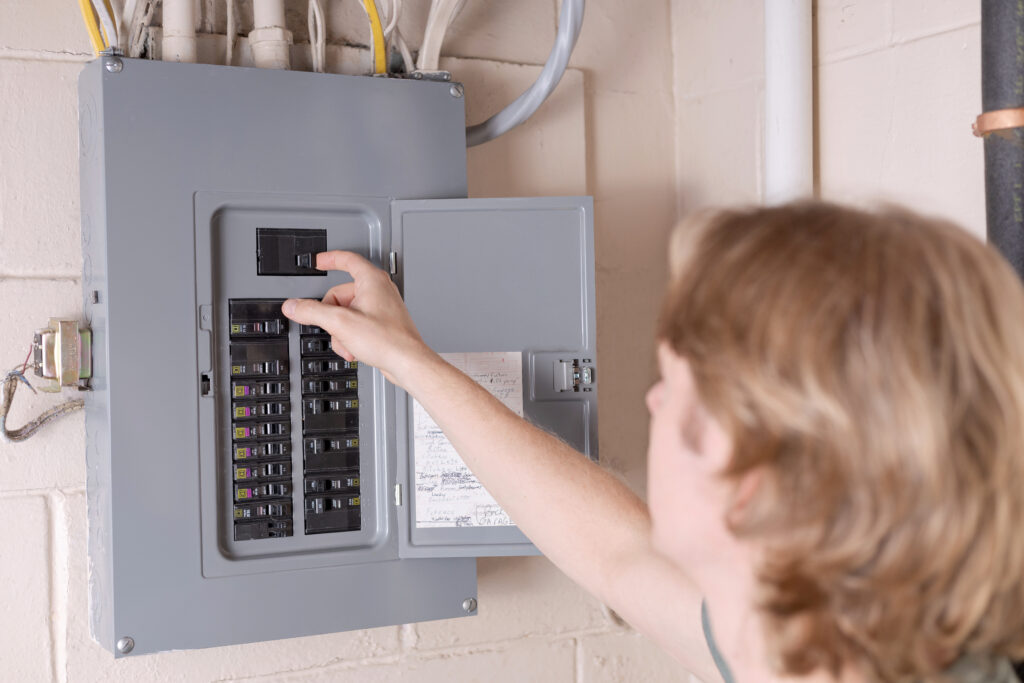
- Electrical panel capacity and circuit additions to handle appliances, lighting, and HVAC loads
- Plumbing rough-in for a bathroom, wet bar, or kitchenette, depending on intended use
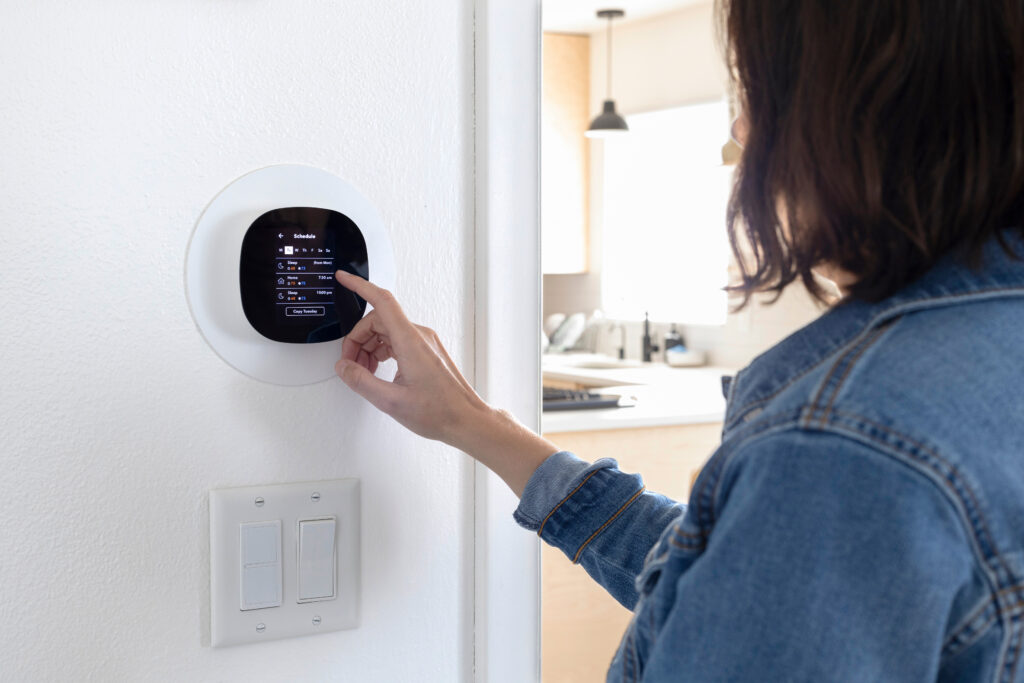
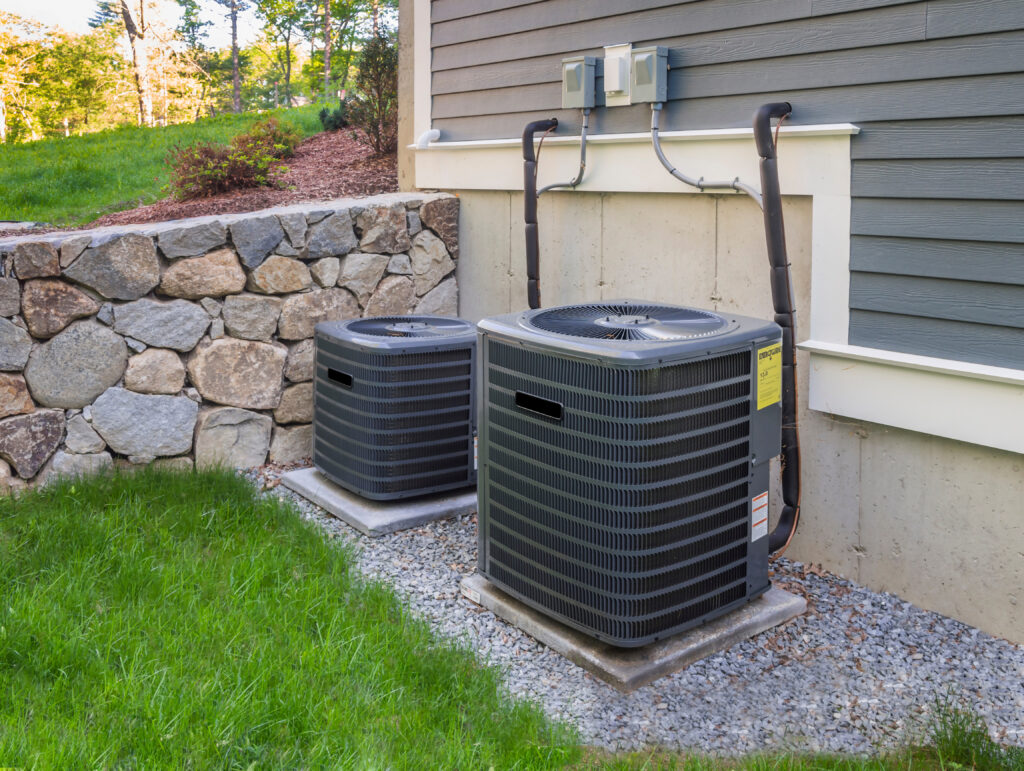
- HVAC installation, either through ductwork extensions from the main home or a dedicated mini-split system
- Insulation upgrades for walls, ceilings, and the concrete slab or subfloor
- Water heater installation if the unit will operate independently
Each of these systems comes with its own lifespan, maintenance profile, and potential for failure. That last point matters more than most homeowners realize until something breaks at an inconvenient time.
The Real Advantages of Converting Your Garage
Done correctly and permitted properly, a garage apartment conversion can deliver meaningful value in several directions at once. Rental income is the most obvious draw. A well-finished ADU in a mid-to-large metro area can generate anywhere from $800 to well over $2,000 per month depending on location and amenities. Beyond income, the conversion adds square footage to your usable living space — which typically translates into increased home value. For families navigating multigenerational living, it creates privacy without separation. For remote workers, it provides a dedicated workspace that is technically off the clock when you close the door. The return on investment can be compelling, particularly when compared to other renovation projects that improve aesthetics but do not generate income or provide flexible utility over time.
Common Drawbacks Homeowners Should Know Before Starting
The downsides are real and worth factoring into the decision before the permits are pulled. First, you lose parking and storage — two things that tend to be undervalued until they are gone. Second, the permitting and inspection process can stretch timelines significantly, especially in jurisdictions with stricter ADU regulations or backlogged building departments. Third, the upfront cost is rarely as low as initial estimates suggest. Once structural changes, system upgrades, and finish work are included, total project costs often land between $40,000 and $100,000 or more depending on scope. Fourth — and this is worth stating plainly — you are adding new systems and appliances to your home’s ecosystem. A mini-split, a water heater, a washer-dryer hookup, a dishwasher, a refrigerator. All of it is now your responsibility to maintain and repair.
Mini-Split Systems in Garage Conversions: A Closer Look
The mini-split has become the go-to HVAC solution for garage apartment conversions, and for good reason. It does not require ductwork, which keeps installation relatively clean in a space that was not originally designed for conditioned air. It handles both heating and cooling in a single system, which simplifies the mechanical footprint. And it operates efficiently at the zone level, meaning you are not conditioning the entire home just to keep the garage unit comfortable. However, mini-splits are sophisticated systems with compressors, refrigerant lines, and electronic controls — and like any mechanical system, they require regular filter cleaning, annual servicing, and eventual component replacement. Homeowners should not treat a mini-split as maintenance-free just because it is newer technology.

Practical Tips for a Smarter Garage Conversion
A few things separate the conversions that hold up well over time from the ones that become expensive headaches. Planning ahead for system access is one of them — make sure electrical panels, plumbing cleanouts, and HVAC components are not buried behind finished walls with no service pathway. Choosing durable, mid-to-high-grade appliances over budget-line options is another. The appliances in a rental or frequently used ADU work harder than those in a primary residence. Investing in a quality water heater, a reliable range, and a well-rated HVAC system up front reduces the frequency and cost of repairs later. Also, document everything: permits, system specs, warranty cards for every appliance installed. That paperwork matters when repairs arise or when you eventually sell.
What to Expect From Ongoing Maintenance
Once the conversion is complete, the maintenance responsibilities do not pause. You are now managing two sets of home systems under one ownership umbrella. That includes HVAC filters, water heater flushing, plumbing inspections, appliance maintenance, and electrical checks. If the unit is rented, tenant turnover can accelerate wear on everything from flooring to fixtures. Budgeting roughly one to two percent of the conversion cost annually for ongoing maintenance and repairs is a reasonable baseline. Ignoring maintenance tends to compound costs quickly, particularly with HVAC systems and water heaters, where deferred service often shortens the lifespan of an otherwise functional unit.
How a Home Warranty Can Protect Your Garage Conversion Investment
Here is where the practical meets the financial. Converting a garage adds real value to your property, but it also introduces a set of systems and appliances that will eventually need repair or replacement. A home warranty is not homeowners insurance — it does not cover structural damage or weather events. What it does cover is the mechanical breakdown of the systems and appliances that keep your home running. For a homeowner who has just invested $50,000 or more into a garage apartment conversion, having coverage for the HVAC system, water heater, plumbing, and built-in appliances is a meaningful form of financial protection. When that mini-split compressor fails at the end of summer or the water heater gives out mid-winter, the last thing you want is an unexpected $3,000 to $6,000 repair bill with no buffer. trusted home warranty coverage for garage apartment systems and appliances puts a predictable cost structure around the unpredictable nature of mechanical failure. Armadillo’s plans are straightforward, transparent, and built for homeowners who want real protection without the fine-print runaround. If you have recently completed a conversion or are planning one, now is the right time to get a home warranty quote for your converted garage apartment and understand exactly what coverage looks like for your specific setup.

Frequently Asked Questions About Garage Apartment Conversions
Here are answers to the questions homeowners ask most often when considering or completing a garage apartment conversion.
Do I need a permit to convert my garage into an apartment?
Yes, in virtually all jurisdictions, a garage-to-apartment conversion requires building permits and must comply with local residential and accessory dwelling unit codes. Skipping permits can result in fines, forced demolition of improvements, and complications when selling your home.
How much does a garage apartment conversion typically cost?
Costs vary widely based on location, scope, and existing conditions, but most full conversions with plumbing, electrical, HVAC, and finish work fall between $40,000 and $100,000. Simpler conversions without plumbing can come in lower, while high-end finishes push costs higher.
Can a converted garage be rented out legally?
In many areas, yes — provided the unit has been properly permitted, inspected, and meets local ADU regulations. Some municipalities have restrictions on short-term versus long-term rentals, so checking local ordinances before listing the unit is essential.
What HVAC system is best for a garage apartment conversion?
A ductless mini-split system is the most commonly recommended solution for garage conversions. It handles both heating and cooling without requiring ductwork, operates efficiently at the zone level, and can be installed without major structural modifications to the space.
Does converting a garage add value to my home?
Generally, yes. A properly permitted and finished garage conversion adds livable square footage, which typically increases appraised value. The income potential from a rental unit can also be factored into value assessments, particularly in markets where ADUs are in demand.
Will my homeowners insurance cover a converted garage apartment?
Standard homeowners insurance may not automatically extend full coverage to a converted ADU. It is important to notify your insurance provider of the conversion so your policy can be updated to reflect the new use of the space and any additional liability exposure from tenants.
What is the difference between a home warranty and homeowners insurance for a converted garage?
Homeowners insurance covers structural damage and liability from events like fire, storms, or theft. A home warranty covers the mechanical breakdown of systems and appliances such as HVAC, plumbing, electrical, and built-in appliances — none of which are covered by a standard homeowners insurance policy.
How long does a garage apartment conversion take?
Most conversions take between six weeks and four to five months from permit approval to final inspection, depending on the scope of work, contractor availability, and local building department timelines. Permits alone can add several weeks before construction begins.
What appliances are typically installed in a garage apartment conversion?
Common appliances include a range or cooktop, refrigerator, microwave, dishwasher, washer and dryer, and a dedicated water heater. The specific mix depends on whether the unit is designed as a full apartment, a studio, or a guest suite.
Can a home warranty cover the systems in a newly converted garage apartment?
Yes, many home warranty plans can cover the systems and appliances installed in a converted garage apartment, including HVAC, plumbing, electrical, and appliances. Coverage eligibility depends on the plan terms and whether the systems are properly installed and functional at the time of enrollment.