What Is a Garage Conversion and Why Are Homeowners Talking About It?
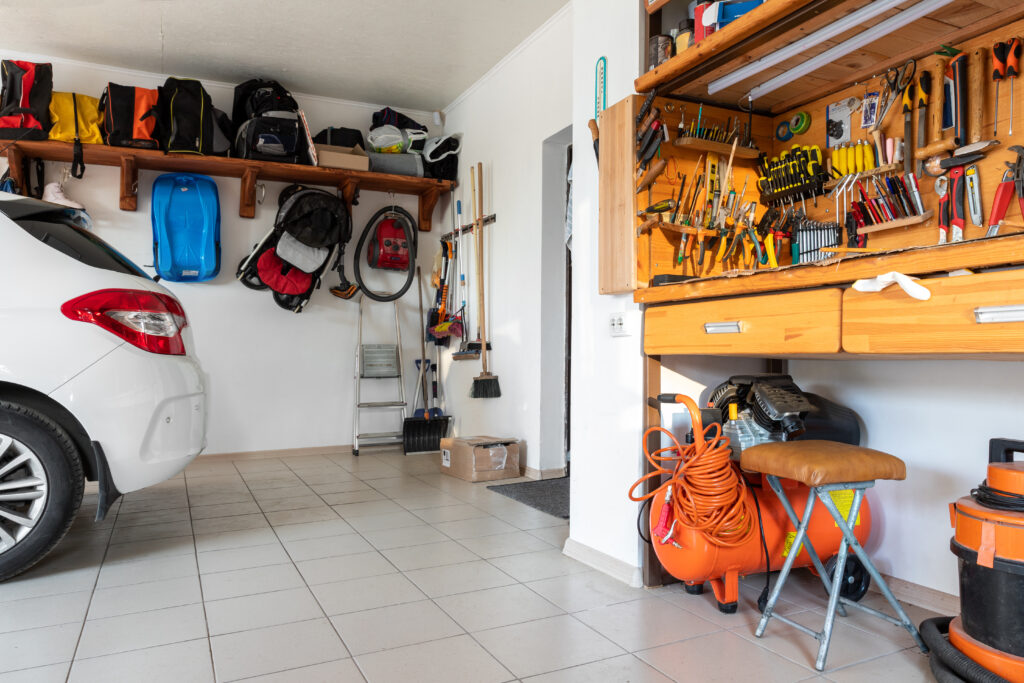
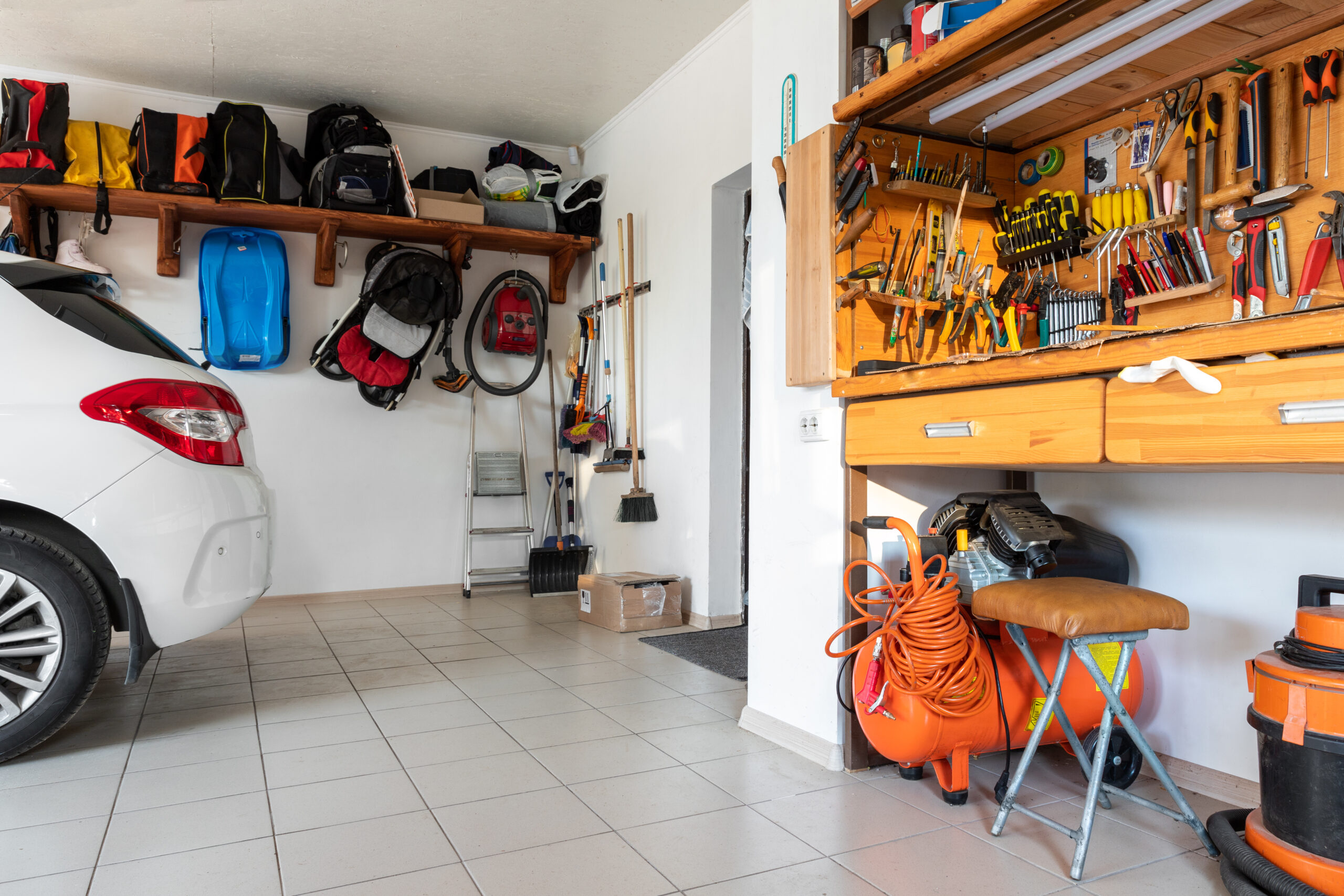
A garage conversion is exactly what it sounds like — taking an existing attached or detached garage and transforming it into a functional living space. That could mean a guest suite, a home office, a gym, a rental unit, or just about anything else you can imagine. The garage bones are already there: walls, a roof, a foundation. You are essentially finishing what the structure already started. That is a large part of why conversions have become one of the more talked-about home improvement projects in recent years. You get usable square footage without the cost and complexity of building an addition from scratch.
How Much Does a Garage Conversion Actually Cost?
Here is where things get real. The average cost of a garage conversion in the United States lands somewhere between $6,000 and $25,000, with most homeowners spending around $10,000 to $15,000 for a standard single-car garage conversion. A two-car garage conversion can push that number higher, often ranging from $18,000 to $30,000 or more depending on scope. The wide range exists because costs are driven by what you plan to do with the space. A basic office conversion needs insulation, drywall, flooring, and electrical work. A full ADU — accessory dwelling unit — with a bathroom, kitchenette, and separate entrance will require plumbing, HVAC, and potentially significant permitting work. Regional labor rates also matter quite a bit. A conversion in San Diego is going to cost more than the same project in a mid-sized Midwest city.
What Does the Conversion Process Actually Involve?
It helps to understand the sequence of work involved so you can plan accordingly. Most garage conversions follow a predictable pattern, though every home is different. The process typically includes:
- Obtaining permits from your local municipality before any work begins
- Addressing the garage door opening, usually by framing in a wall and adding a window or secondary door
- Installing insulation in walls, ceiling, and sometimes the floor slab
- Running electrical wiring and adding outlets, lighting, and potentially a dedicated circuit
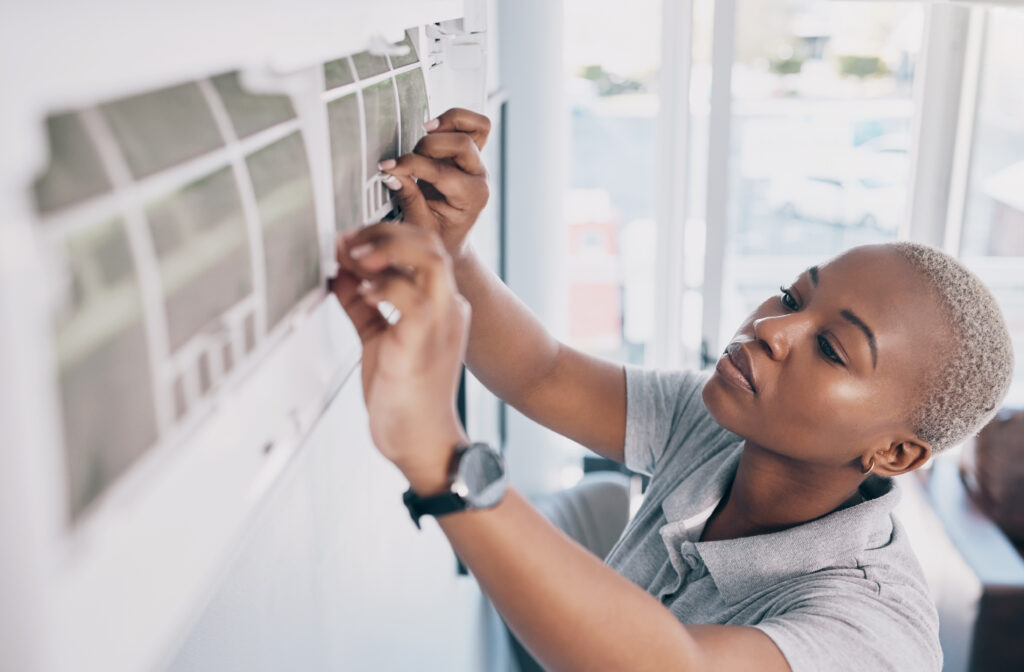
- Adding HVAC connections or a mini-split system for climate control
- Installing drywall, flooring, and finishing touches like trim and paint
Plumbing is an added layer of complexity if you need a bathroom or wet bar. That is often the single biggest cost driver in a conversion project and should be budgeted carefully from the start.
The Real Advantages of Converting Your Garage
There is a reason garage conversions keep showing up on renovation shortlists. The value proposition is genuinely compelling. First, you are working with an existing structure, which eliminates the cost of pouring a new foundation or framing new exterior walls. That alone can save tens of thousands of dollars compared to building an addition. Second, the return on investment tends to be strong — converted spaces that serve as rental units or ADUs can generate monthly income that offsets the upfront cost relatively quickly. Third, and this is one that does not get enough attention, a finished garage adds livable square footage to your home’s total area, which directly influences resale value. In markets where housing inventory is tight, that added square footage can be a meaningful differentiator.
Common Drawbacks You Should Know Before You Commit
No home improvement project is without its complications, and garage conversions are no exception. One of the most commonly overlooked issues is parking. Losing your garage means your vehicles now live in the driveway or on the street. In some neighborhoods or HOA communities, that is a code violation or at least a nuisance. Additionally, permitting can be a genuine obstacle. Some jurisdictions have strict rules about converting garages, especially in areas with parking minimums tied to lot size. There is also the matter of the concrete slab. Garage floors slope toward the drain, which means leveling or overlaying the floor adds cost. Moisture intrusion is another concern — garages were not designed to be conditioned living spaces, so vapor barriers and proper insulation are not optional. They are essential.

Permits and Legality: Do Not Skip This Step
Pulling permits for a garage conversion is not optional — it is a legal requirement in virtually every municipality in the country. Working without permits creates serious problems down the road. When you go to sell the home, unpermitted work can kill deals or require expensive remediation to bring the space up to code. Lenders and appraisers flag unpermitted square footage, and it will not count toward your home’s official livable area. Beyond the paperwork, permits ensure that the work passes inspection, which protects you and any future occupants. Contact your local building department early in the planning process and ask specifically about garage conversion requirements. Some cities have streamlined the process in recent years, especially for ADUs, so it may be less burdensome than you expect.
Hiring the Right Contractor for a Garage Conversion
This is a project where contractor selection matters more than most people realize. A garage conversion touches multiple trades — framing, electrical, plumbing, HVAC, and finish work — so you need either a general contractor who can coordinate all of it or a very organized homeowner willing to manage subcontractors directly. Get at least three bids before making a decision, and make sure each contractor is licensed and insured in your state. Ask specifically about their experience with garage conversions and request to see examples of past work. Verify that they will handle permitting on your behalf, or at minimum assist with the process. Avoid any contractor who suggests skipping permits to save time or money. That shortcut creates long-term liability that falls entirely on you as the homeowner.
How a Garage Conversion Affects Your Home Systems
Converting a garage means adding load to systems that were never designed to support a fully conditioned, occupied space. Your electrical panel may need an upgrade if you are adding significant square footage and circuit demand. Your HVAC system may lack the capacity to heat and cool the new space efficiently, which is why many conversions opt for a ductless mini-split system — it is self-contained, efficient, and does not require connecting to your existing ductwork. Plumbing, if needed, has to tie into existing supply and drain lines, which depends heavily on where the garage sits relative to your main plumbing stack. These are not deal-breakers, but they are cost items that need to be accounted for in your budget from day one.
Why Home Warranty Coverage Matters After a Garage Conversion
Once your garage conversion is complete, you have invested real money into systems and appliances that will need to function reliably over time. Mini-split systems break down. Electrical components fail. Plumbing leaks happen. That is precisely where having trusted home warranty coverage for newly converted living spaces becomes something worth thinking about seriously. Armadillo offers straightforward, honest home warranty plans designed to protect the systems and appliances that keep your home running — including those in newly finished spaces. If you have just added a mini-split, new electrical circuits, or plumbing to a converted garage, a warranty plan gives you a financial safety net when things go sideways. You can get a personalized home warranty quote for your upgraded home in just a few minutes and see exactly what coverage looks like for your specific situation. After spending $10,000 or more on a conversion, protecting that investment with a home warranty is a practical, smart next step.

Frequently Asked Questions About Garage Conversions
Answers to the most common questions homeowners have when considering a garage conversion project.
How long does a garage conversion typically take to complete?
Most standard garage conversions take between two and six weeks to complete, depending on the scope of work, permit approval timelines, and contractor availability. More complex projects involving plumbing or significant electrical upgrades can extend that timeline.
Does a garage conversion add value to my home?
Yes, in most cases it does. Adding livable square footage generally increases a home’s appraised value, especially when the conversion is permitted and professionally finished. ADU conversions in high-demand markets can offer particularly strong returns.
Can I convert my garage into an apartment or rental unit?
In many jurisdictions, yes — but it depends on local zoning laws and building codes. You will need to verify that your property is zoned to allow an accessory dwelling unit and that the conversion meets minimum habitability requirements, including egress, ventilation, and ceiling height standards.
Do I need a permit to convert my garage?
Yes. A garage conversion requires building permits in virtually all U.S. municipalities. Unpermitted conversions can create significant legal and financial complications when you sell the home or file an insurance claim.
What is the cheapest type of garage conversion?
A basic home office or hobby room conversion is typically the least expensive option, often falling in the $6,000 to $10,000 range. Avoiding plumbing work keeps costs significantly lower than converting a space into a bathroom-equipped suite or rental unit.
Will my homeowners insurance cover the converted garage space?
It depends on your policy and whether the conversion was permitted. You should notify your homeowners insurance provider before or immediately after completing the conversion so your coverage can be updated to reflect the added square footage and increased home value.
Can I convert a detached garage?
Yes, detached garage conversions are common and follow a similar process to attached conversions. They often require running new electrical service from the main panel and may involve additional permitting considerations, particularly if the space will be used as a rental unit.
What heating and cooling options work best for a converted garage?
Ductless mini-split systems are the most popular choice for garage conversions because they are efficient, easy to install, and do not require connecting to existing ductwork. Baseboard heating is a lower-cost alternative, though it is less energy-efficient for regular use.
How do I deal with the garage floor during a conversion?
Garage floors slope toward a drain and are often bare concrete, which requires leveling or overlay before installing finished flooring. Options include self-leveling concrete, sleepers with subfloor panels, or floating floor systems. A vapor barrier beneath the flooring is strongly recommended to manage moisture.
Is a garage conversion worth it compared to building a home addition?
For most homeowners, yes. A garage conversion costs significantly less than a full addition because the structural shell already exists. If the loss of garage parking is acceptable and local codes permit the conversion, it is generally the more cost-effective path to adding livable square footage.