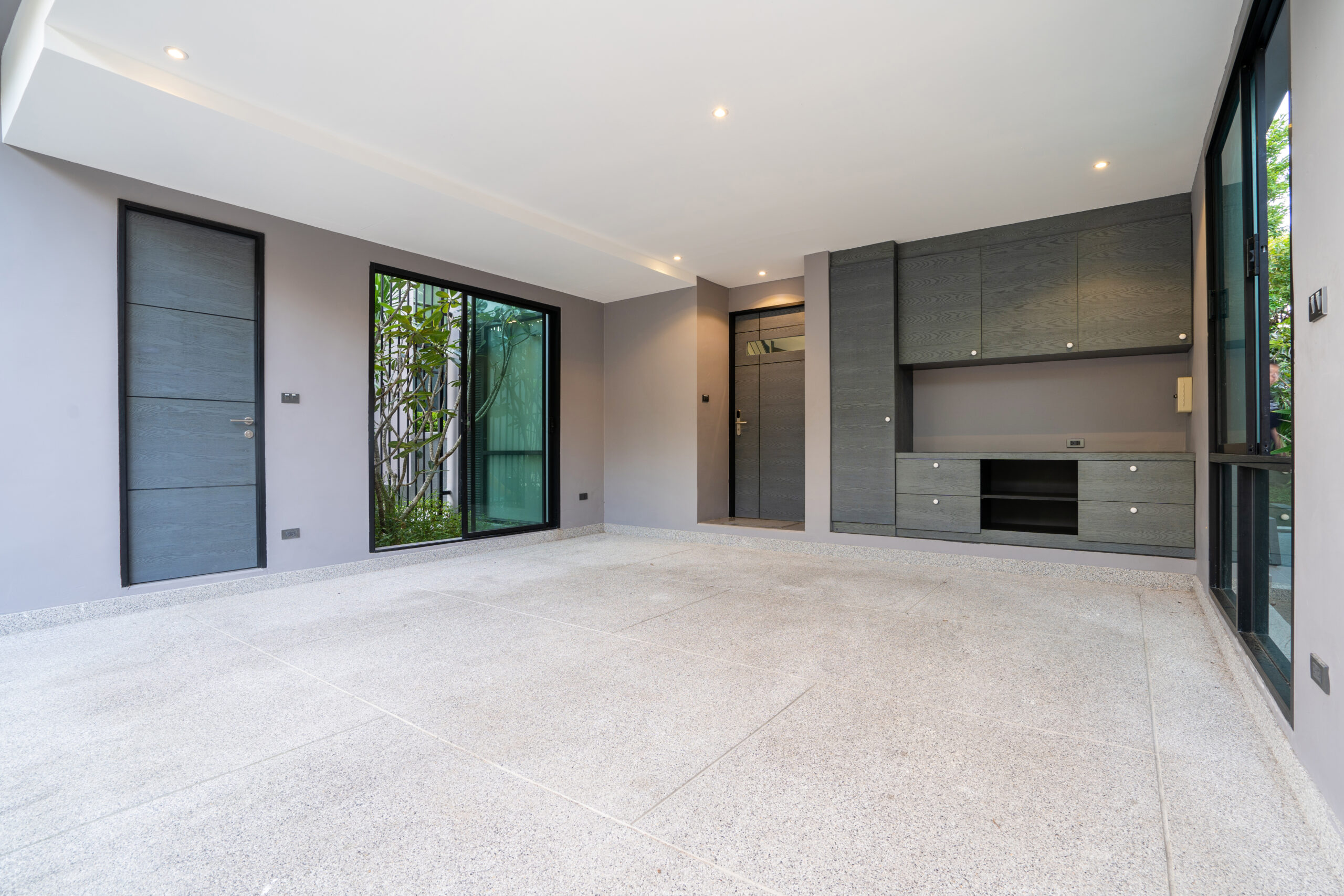
Turning a Garage into Living Space: What Homeowners Need to Know
As home needs evolve, homeowners are rethinking how they utilize existing square footage. One increasingly popular transformation is repurposing a garage into living space. Whether you’re dreaming of a home office, guest suite, or expanded family room, converting your garage can add real value and functionality. But it’s more than drywall and flooring—it involves careful planning, knowledge of systems, and understanding how home warranties can support the upgrade. In this article, we’ll break down the key aspects of converting a garage into livable space, covering what it is, how it works, the pros and cons, and why protecting your newly adapted space with a home warranty is a smart move.
What Is a Garage Conversion?
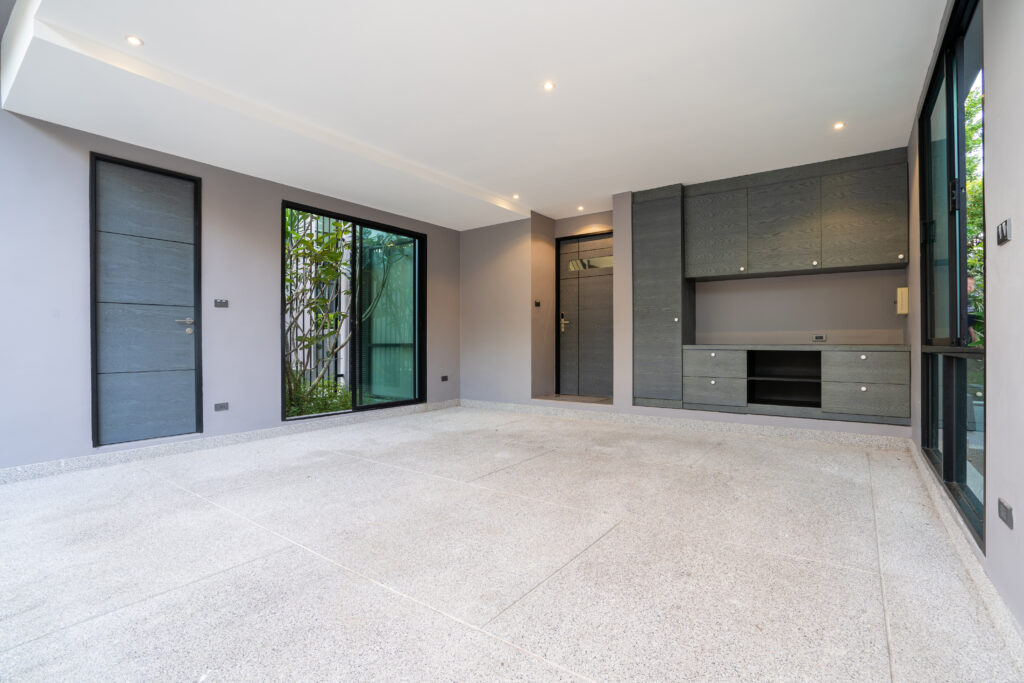
A garage conversion is the process of transforming an attached or detached garage into a climate-controlled, legally recognized extension of the home’s living area. Unlike temporary modifications, a true conversion involves integrating the space into the home both functionally and mechanically—connecting to HVAC, electricity, insulation, and often plumbing. This allows the space to fully serve as a livable area, such as a bedroom, recreational room, or accessory dwelling unit (ADU).
How Garage Conversions Work
The foundation of a successful garage conversion starts with a clear plan. Typically, this includes assessing the structure, modifying or replacing the garage door, insulating walls and ceilings, installing appropriate flooring, and integrating electrical, heating, and cooling systems. In many jurisdictions, permitting is required—especially if you’re altering the footprint, adding plumbing, or changing the building’s classification. An important component of the process includes extending or reconfiguring home systems like HVAC ducts and electrical circuits, which become integrated with the main systems of the home. Professional contractors often coordinate multiple trades to ensure the space meets building codes and safety standards.
Advantages of Converting a Garage
Garage conversions offer several strategic advantages. First, they make use of pre-existing square footage, which can be more cost-effective than building an entirely new addition. When properly executed, a converted garage can significantly increase usable space and home value. For families needing an office, gym, in-law suite, or rental opportunity, a dedicated structure like a garage is ideal. The proximity to existing infrastructure—water lines, electrical panels, HVAC—often simplifies the installation process. Additionally, conversions can be customized exactly to your lifestyle needs, from open-concept designs to private rooms with en suite bathrooms.
Challenges and Considerations
Despite the clear benefits, certain challenges must be considered. Zoning regulations and building codes vary widely by location, and failing to consider them can result in costly reversals or fines. Additionally, garages were never designed to be conditioned living spaces, so insulation, ventilation, and structural adjustments often require more extensive updates than many homeowners anticipate. If the garage currently functions as crucial storage or parking space, repurposing it could introduce new logistical challenges. Another often-overlooked concern is system load: HVACs struggle to regulate added square footage if not properly sized, and electrical or plumbing systems may need upgrades. These are the types of transitions where a home warranty can provide a safety net by covering major systems impacted by the expansion.
The Role of Home Systems in Garage Conversions
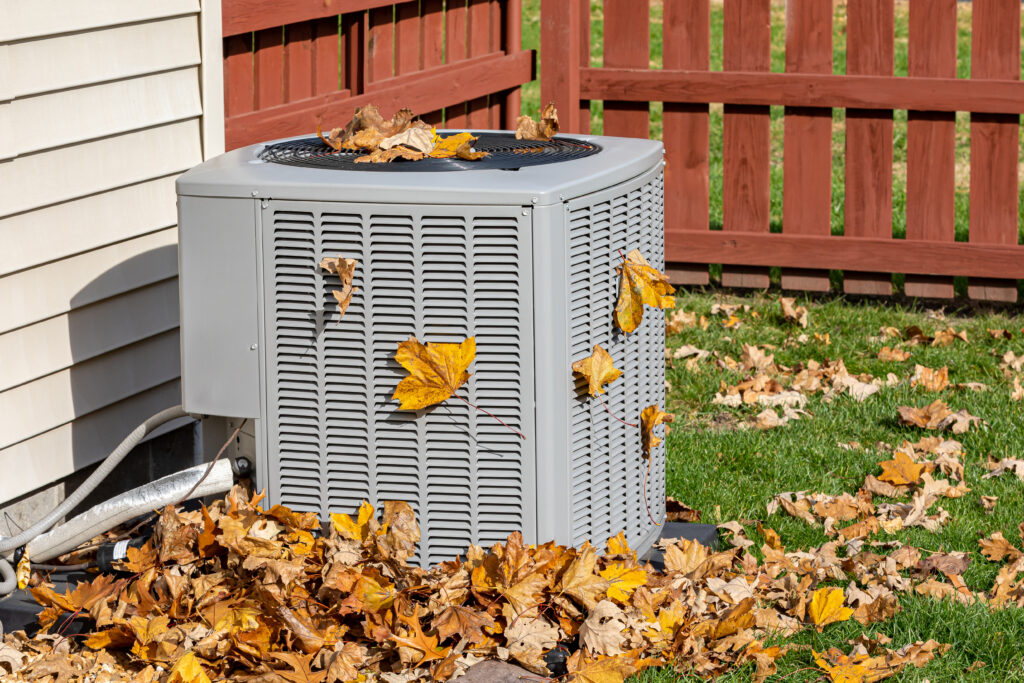
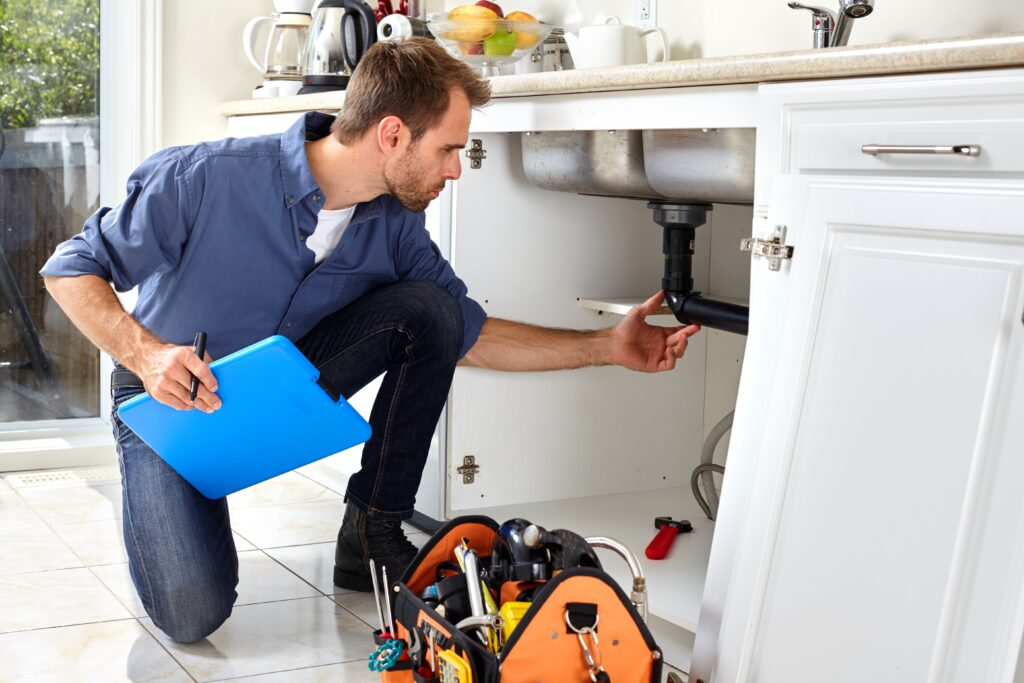
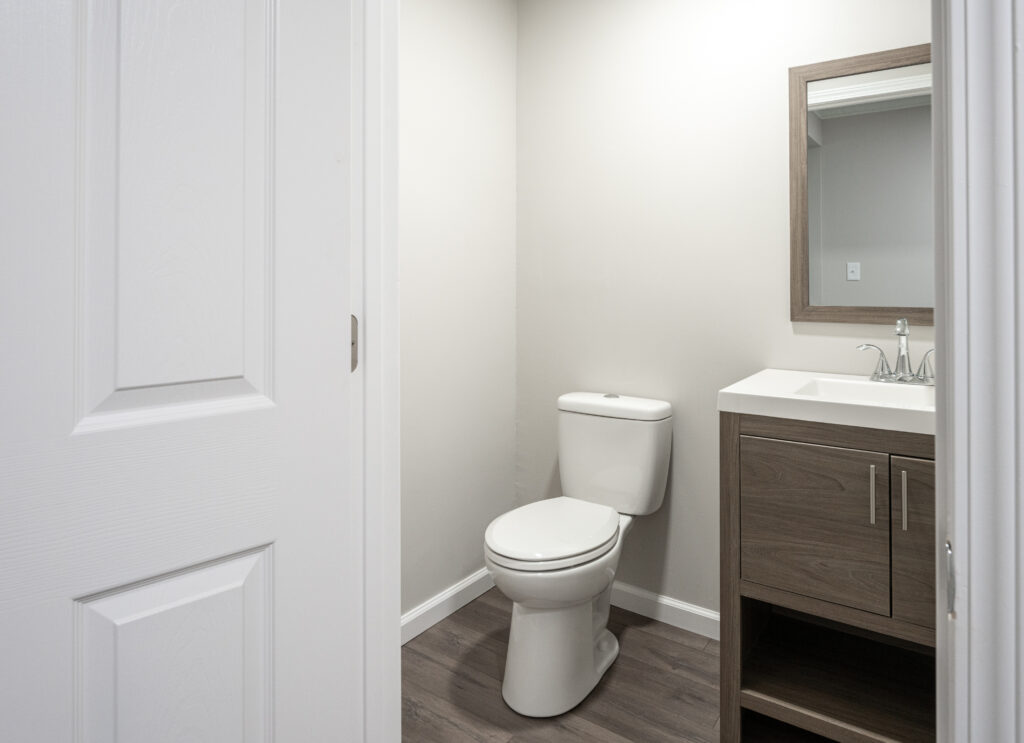
Converting a garage means fully integrating it with your home’s mechanical systems. The HVAC system must efficiently regulate temperature throughout the new space, often requiring additional ductwork or a mini-split system. Electrical systems need to support lighting, outlets, and potentially high-draw appliances like refrigerators or washers. Plumbing may be added for bathrooms or laundry areas, often extending water lines and waste pipes from the main structure. Each of these components should not only function effectively but also remain in compliance with building codes. Seamless connectivity between new and existing infrastructure is key—and when new systems are added, understanding which are eligible for home warranty coverage can keep you protected against future failures.
Can a Home Warranty Cover Garage Conversions?
This is a common question among homeowners investing in additional living space. The answer depends on how the systems are integrated. Home warranties generally cover systems and appliances that are part of confirmed living space. If the garage is legally converted and conditioned as part of the home’s square footage, newly installed or existing systems that fall under standard coverage—electrical panels, ducts, plumbing lines, HVAC systems—may be eligible for protection under a comprehensive home warranty. However, coverage doesn’t typically apply to cosmetic improvements or non-integrated features. Choosing the right warranty provider means selecting one that understands real home upgrades, like Armadillo, which is designed around supporting modern homeowner needs.
Protect Your New Living Space with Armadillo
A garage conversion introduces powerful new functionality to your home—but it also puts added pressure on systems like HVAC and plumbing. Instead of facing unexpected repair costs down the line, smart homeowners insulate their investment with a premium home warranty. Armadillo offers tailored protection designed for dynamic homes, with coverage that adapts as your layout evolves. Whether you’re adding a bathroom to your converted garage or extending your HVAC, Armadillo covers the critical systems and appliances you rely on. Explore our home warranty offerings at www.armadillo.one, or get started with a custom plan now through our Plan Builder. Make your new living space as secure as it is stylish—because great upgrades deserve great protection.