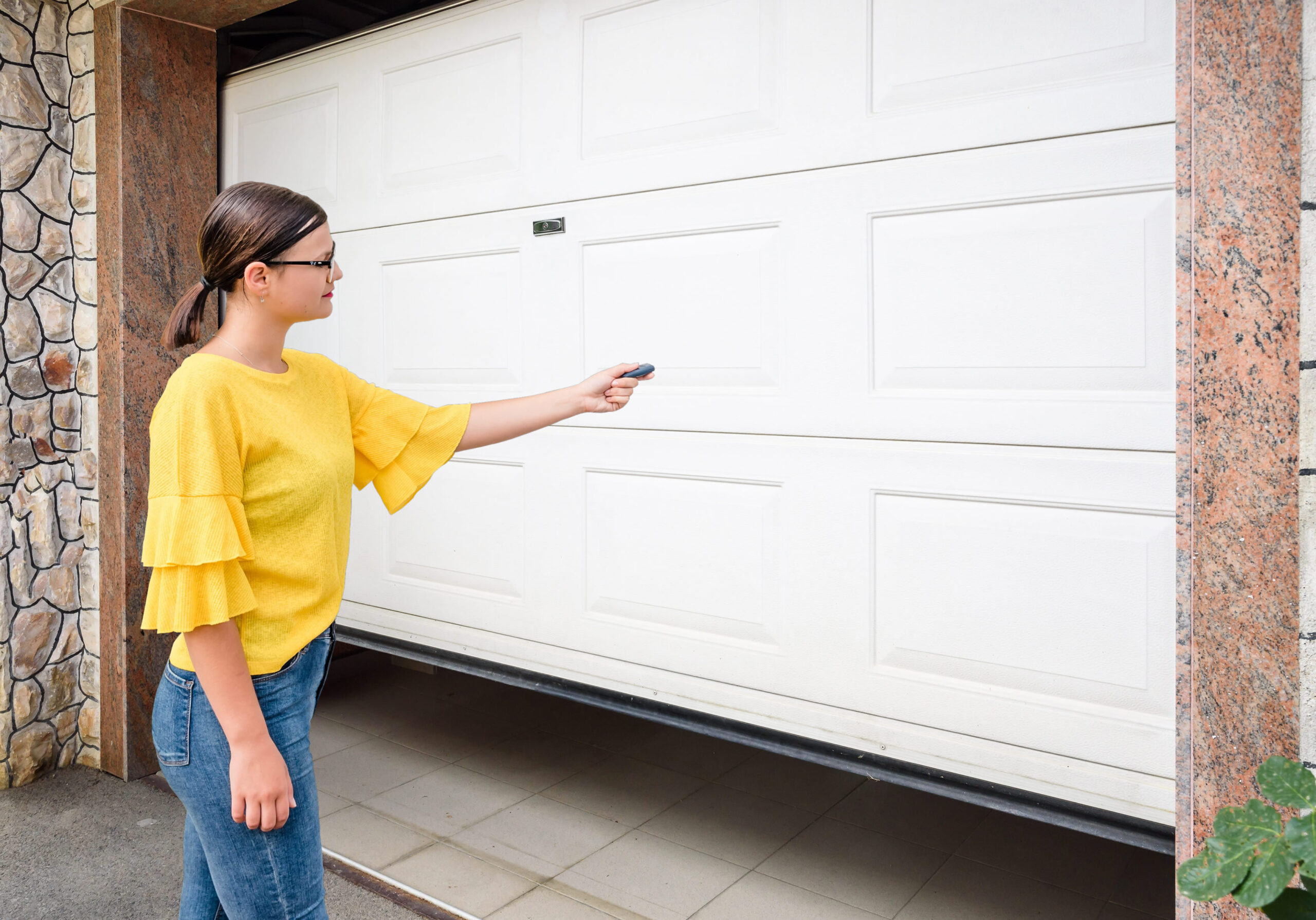
Why Your Garage Door Closes and Then Reopens — And What to Do About It
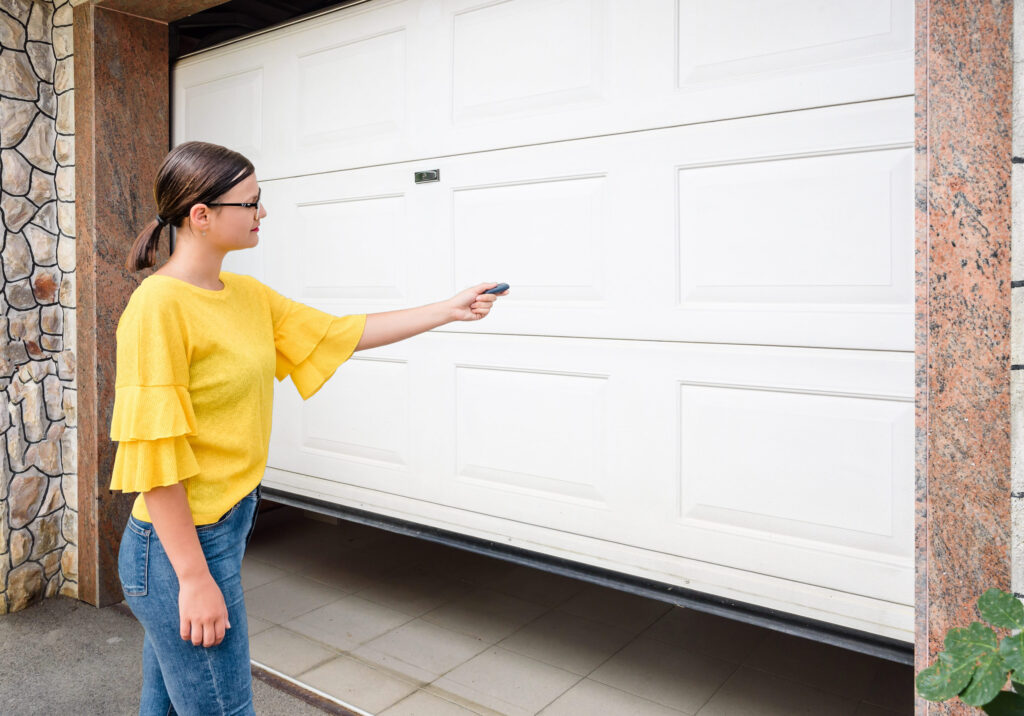
You hit the button, watch the garage door start its descent, and then — right before it fully closes — it reverses and climbs back up. Frustrating does not begin to cover it. This is one of the most common garage door complaints homeowners report, and while it can feel like a random malfunction, there is almost always a specific, identifiable reason behind it. Understanding what is happening and why gives you the ability to troubleshoot smart, protect your home, and know when a professional needs to step in. Let’s break this down properly.
How Garage Door Systems Actually Work
Before diagnosing the reversal issue, it helps to understand what a garage door system is actually doing when it operates. A standard garage door opener uses a motorized unit mounted on the ceiling of the garage, connected to the door via a drive system — typically a chain, belt, or screw drive. The motor receives a signal from a remote or wall button, then pulls or pushes the door along its track. But the system does far more than just move the door up and down. Modern openers are equipped with safety sensors, limit switches, and force settings that constantly monitor the door’s movement. These components are designed to prevent the door from closing on a person, a pet, or an object — which is exactly why the reversal feature exists in the first place. The problem is that when these safety systems get confused or fall out of calibration, they trigger reversals even when there is nothing actually in the way.
The Most Common Reasons a Garage Door Reverses Before Closing
There are several well-documented causes for this behavior, and most of them point to one of four areas: the safety sensors, the close-limit settings, the force settings, or a physical obstruction in the track. Identifying which one is responsible usually requires a quick visual inspection and some basic testing. Here is a breakdown of each:
- Misaligned or dirty photo-eye sensors: These sensors sit near the bottom of the door tracks on both sides and send an invisible beam across the door opening. If that beam is interrupted — even by a small amount of debris, direct sunlight, or physical misalignment — the opener interprets it as an obstruction and reverses the door.
- Incorrect close-limit settings: The close-limit switch tells the motor how far the door needs to travel to reach the fully closed position. If this setting is off, the door may touch the ground and the motor will still think it needs to travel further, causing it to reverse.
- Sensitivity or force settings that are too high: If the opener’s force setting is calibrated too sensitively, it will reverse the moment it detects any resistance — including normal friction from the floor seal.
- Physical obstructions or track damage: A small stone, warped track section, or debris buildup can create enough resistance to trigger a reversal.
Checking and Cleaning the Safety Sensors
The safety sensors — also called photo-eye sensors — are usually the first place to look. They are typically located about four to six inches above the ground on each side of the door frame and should have a small indicator light showing they are aligned and functioning. If one light is blinking or off entirely, alignment is likely the issue. Gently reposition each sensor so they are pointing directly at each other and the lights are both steady. While you are down there, wipe the lenses clean with a dry cloth. Dust, cobwebs, and even condensation can scatter the beam enough to trigger a false obstruction reading. Direct sunlight hitting the sensor at certain times of day can also cause interference — a small cardboard shade around the sensor can sometimes fix that temporarily.

Adjusting the Close-Limit Switch
If the sensors are clean and aligned and the door still reverses, the next step is checking the close-limit setting. This is usually a small dial or screw on the side of the opener motor unit, labeled something like “down limit” or “close limit.” The adjustment process varies slightly by brand, but in general, you increase the setting in small increments and test the door each time. The goal is for the door to close completely and for the motor to stop as soon as it does — without the opener sensing extra travel distance and triggering a reversal. Consult your opener’s manual for the exact procedure, as over-adjusting in the wrong direction can create a different set of problems. Take your time with this one.
Understanding Force and Sensitivity Settings
Every garage door opener has a force setting that controls how much resistance the motor tolerates before reversing. This is a critical safety feature — it prevents the door from crushing something underneath it. However, if the force is set too low or the sensitivity too high, the door will reverse at the slightest friction. Adjusting force settings should be done carefully. Many manufacturers recommend running a basic test: place a two-by-four flat on the ground under the door and try to close it. The door should reverse when it contacts the board. If it reverses before that — or far before it even reaches the ground — the force setting may need adjustment. This is one area where consulting a professional is often the right call, especially on older units where the calibration may have drifted significantly over time.
Inspecting the Tracks, Rollers, and Springs
Physical issues along the door’s travel path can cause reversal just as easily as sensor or setting problems. Walk alongside the tracks while someone operates the door and look for any visible bends, gaps, or sections where the rollers seem to catch. Lubricate the rollers and tracks with a garage-door-specific lubricant — not WD-40, which is a cleaner rather than a lubricant and can actually dry out the components over time. Also take a look at the springs above the door. A worn or improperly tensioned spring creates uneven door resistance, which the motor’s force sensor can misread as an obstruction. Spring repair should always be handled by a professional, as garage door springs are under significant tension and can cause serious injury if mishandled.
When the Problem Is Weather-Related
Temperature and humidity affect garage door systems more than most homeowners expect. Cold weather can cause metal components to contract, making the door stiffer and more resistant to movement. A door that closes fine in warm months may reverse consistently in winter simply because the added friction triggers the force sensor. Swollen wood floors in humid climates can raise the garage floor level slightly, causing the door to contact the surface before the close-limit says it should. If the reversal issue appears or worsens seasonally, factor in environmental causes before assuming a component has failed. A seasonal recalibration of your limit and force settings is a reasonable part of home maintenance in many climates.
Why a Home Warranty Can Protect You When Garage Door Issues Go Beyond DIY
Some garage door fixes are genuinely accessible for the average homeowner — cleaning sensors, checking alignment, or nudging a limit switch. But when the problem involves the motor, the control board, or the springs, costs escalate quickly. A single garage door opener motor replacement can run several hundred dollars when parts and labor are combined, and spring replacement is rarely cheap either. That is where having a solid home warranty in your corner makes a real difference. Armadillo home warranty coverage for garage door openers and mechanical systems is designed to protect homeowners from exactly these kinds of unexpected repair bills — the ones that are not dramatic enough to feel like emergencies but expensive enough to sting. If you have been dealing with repeated garage door malfunctions and wondering whether your current protection plan actually has you covered, now is a good time to revisit that. You can get a free home warranty quote for garage door and home system protection in minutes and find out what kind of coverage makes sense for your home and your budget. Armadillo keeps things straightforward — no confusing fine print, no runaround when something breaks.

Frequently Asked Questions About Garage Doors That Close and Reopen
These are the questions homeowners ask most often when dealing with a garage door that reverses before fully closing.
Why does my garage door go down and then come back up?
The most common causes are misaligned or dirty safety sensors, an incorrect close-limit setting, or force sensitivity set too high. The opener’s safety system is detecting something — real or perceived — that triggers an automatic reversal before the door fully closes.
How do I know if my garage door sensors are the problem?
Check the indicator lights on both sensors near the bottom of the door tracks. If one is blinking, dim, or off entirely, the sensors are likely misaligned or obstructed. Clean the lenses and gently adjust each sensor until both lights are solid and steady.
Can sunlight cause my garage door to reverse?
Yes. Direct sunlight hitting a photo-eye sensor can scatter or overwhelm the infrared beam, causing the opener to register a false obstruction. This typically happens at specific times of day when the sun angle is low. Repositioning the sensor or adding a small shade around it can help.
What is the close-limit switch and how does it affect the door?
The close-limit switch tells the opener’s motor how far the door must travel to reach the fully closed position. If it is set incorrectly, the motor may think the door still has further to go after it has already touched the ground, which triggers the reversal function.
Is it safe to adjust garage door force settings myself?
Minor force adjustments are generally safe for homeowners to attempt, but they should be done carefully and tested thoroughly. Use the two-by-four floor test recommended by most manufacturers to confirm the door reverses appropriately upon contact with an object before finalizing any adjustment.
Why does my garage door only reverse in cold weather?
Cold temperatures cause metal components to contract and lubricants to thicken, which increases friction throughout the door system. This added resistance can trigger the force sensor into a reversal even when nothing is actually blocking the door. Recalibrating force settings seasonally and lubricating components with a cold-weather-rated product can help.
Can a damaged track cause the garage door to reverse?
Yes. A bent, misaligned, or debris-filled track creates friction and resistance as the door travels. The opener interprets this resistance as a potential obstruction and reverses. Inspect the track visually for dents, gaps, or buildup, and clean and lubricate the track regularly as part of routine maintenance.
Should I repair or replace a garage door opener that keeps reversing?
If the opener is relatively new and the issue is a sensor or setting, repair is almost always the right call. If the unit is more than ten to fifteen years old, is experiencing multiple issues at once, or the motor is failing, replacement may be more cost-effective in the long run. A technician can assess whether the unit is worth repairing.
Does a home warranty cover garage door opener repairs?
Many home warranty plans include coverage for garage door openers, particularly the mechanical and electrical components of the opener unit itself. Coverage specifics vary by provider and plan, so reviewing your policy details or speaking with your warranty provider is the best way to confirm what is included.
How often should garage door components be serviced to prevent reversal issues?
Most garage door manufacturers recommend a basic inspection and lubrication at least once a year, with sensor alignment checks done seasonally. Regular maintenance significantly reduces the likelihood of reversal problems and extends the overall lifespan of the opener and door hardware.