How to Install a Keypad on a Garage Door: A Homeowner’s Guide
Adding a keypad to your garage door is a practical, forward-thinking improvement many homeowners overlook—until they’ve locked themselves out or need to grant access remotely. A garage door keypad offers security, flexibility, and convenience with minimal effort. Whether you’re upgrading your current setup or installing a keypad for the first time, understanding how it works and what to expect is essential. This article breaks down the ins and outs of garage door keypads, how to install one, and how they mesh with your home systems, especially when viewed through the lens of long-term home value and coverage under a home warranty.
Understanding Garage Door Keypads
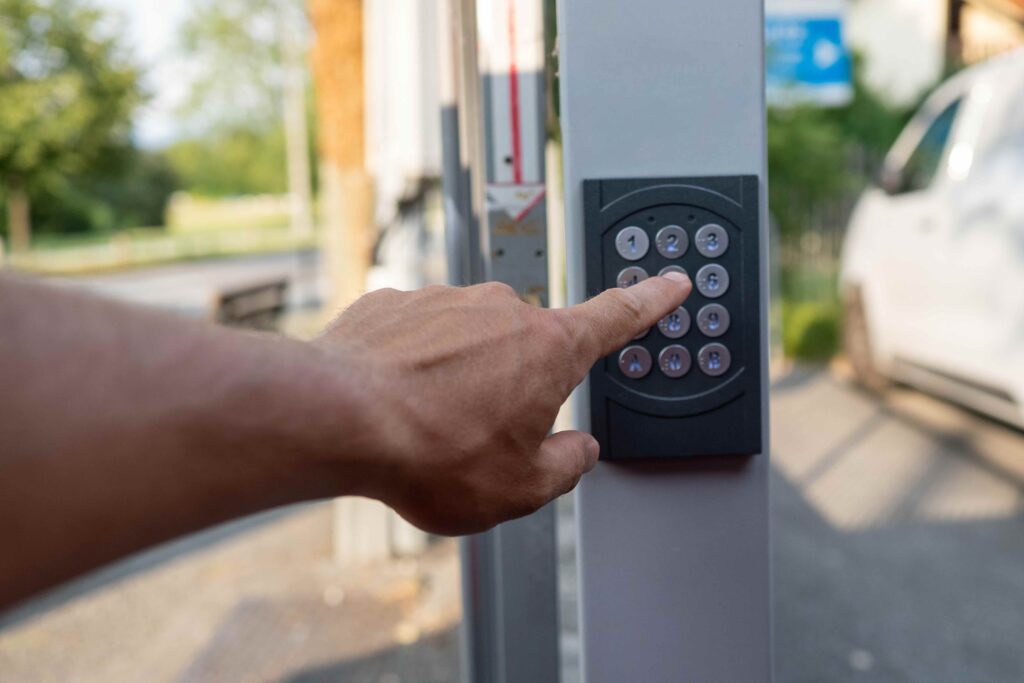
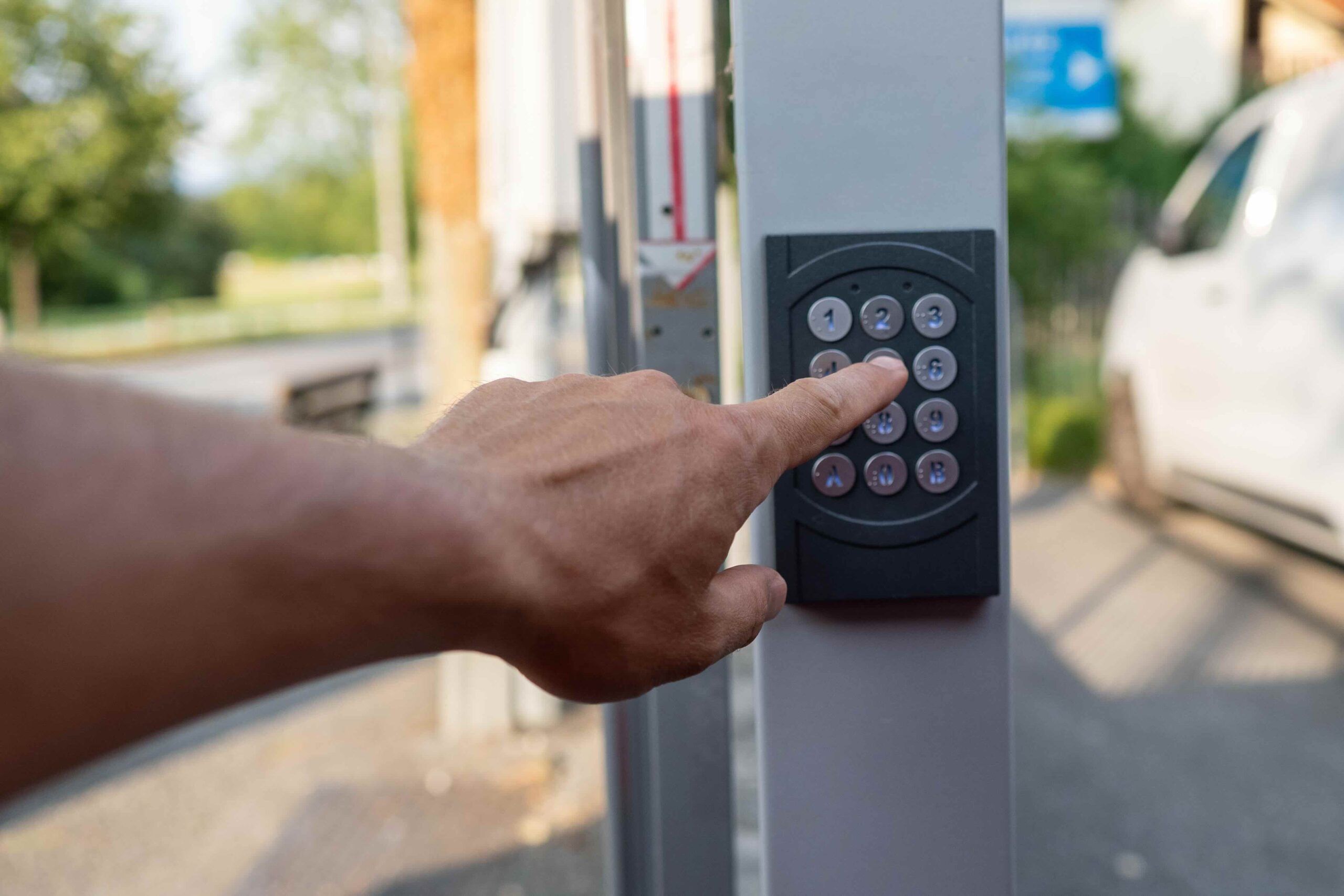
Garage door keypads are wireless or wired devices mounted just outside the garage, allowing access using a secure personal identification number (PIN). They’re typically compatible with automatic garage door openers and function by transmitting a radio frequency signal to the opener, prompting it to engage or disengage. Most modern models work with rolling code technology, meaning the access code changes with each use, significantly increasing the level of security.
Unlike handheld remotes, which can be misplaced or stolen, the keypad is fixed in place, usually illuminated, and offers the option to grant access to family members, service providers, or visiting guests without issuing physical keys. It’s a small investment with high functional payoff. The installation process is generally straightforward, but does require a bit of preparedness and the right tools.
Compatibility and Preparation
Before you start drilling into your wall, it’s crucial to verify that the keypad you’re purchasing is compatible with your garage door opener system. Brand consistency is a good first step—if you own a LiftMaster garage door opener, opting for a LiftMaster-compatible keypad simplifies installation and programming. That said, universal keypads are available and can work across a range of systems. Always double-check the manufacturer’s specifications and read compatibility notes carefully.
You’ll also want to make sure your opener supports wireless operation, though most manufactured in the last two decades will. If it’s over 20 years old, you might need an adapter or additional receiver. Having your system’s make, model, and year handy can save time and frustration later. Lastly, look over any warranty documents, especially if you have coverage through a home warranty. Some policies provide limited protection or support for electrical configurations and installation assistance.
How to Install a Garage Door Keypad
Installation generally involves four primary steps: mounting the keypad, programming it to the garage opener, testing functionality, and securing all components. Starting with mounting, most models come with included screws and wall anchors, so standard tools—a drill, level, and screwdriver—should suffice. Place the keypad at a convenient height, typically five feet off the ground and close enough to the garage door to be easily accessible.
Next, follow the device manufacturer’s guidance to link the keypad with your garage door opener. This usually requires pressing a “learn” button on the opener unit, then entering your selected PIN on the keypad within a short window. Once linked, test the system multiple times to ensure consistent operation. Modern keypads often include weather-resistant seals and a cover flap but still try to avoid direct exposure to rain or snow.
Key Advantages of a Garage Door Keypad
The primary appeal is convenience. No need to fumble with keys or search for a remote—access is always available via a secure PIN. You can assign temporary codes to guests or service providers and delete them at will, maintaining control without having to rekey locks or hand out permanent keys. For families, this can reduce logistical stress: parents no longer have to wait around for a child who forgot their house key.
The security enhancements shouldn’t go unnoticed either. With rolling code technology, each use transmits a unique access signal, making intercepted code replication largely ineffective. Some models even come with auto-locking features and timed lockout after multiple incorrect attempts. In short, they make your garage access smarter while reducing risk.
Common Drawbacks and Considerations
No feature is without trade-offs. One potential challenge is battery failure. Because many keypads are battery-powered, a dead battery can lock you out or require emergency access to replace it. Most units include a low-battery warning light, but routine checks should be part of your seasonal home maintenance. Additionally, exposure to the elements can lead to wear and tear if the keypad isn’t properly shielded.
Installation hiccups are relatively rare but possible. Wireless interference from other household systems or metal surfaces nearby can occasionally make programming unpredictable. If you suspect interference, relocating the keypad slightly or resetting the signal link generally fixes the issue. Keep in mind that tampering is still theoretically possible; while rolling codes mitigate this risk significantly, no entry system is entirely foolproof. Pair the keypad with robust locks and an interior security strategy for comprehensive protection.
Integrating Garage Keypads with Smart Home Systems
Today’s keypads often work hand-in-hand with broader smart home systems. Many offer compatibility with Wi-Fi networks, allowing users to control access through an app, receive entry alerts, or lock doors remotely. This integration helps centralize home management while adding a layer of real-time assurance.
When bundled with entry cameras or connected lighting, a garage keypad can anchor a larger security package. It’s increasingly common to tie keypad activity into daily routines—automatically turning on lights when the door opens, for example, or logging time stamps for all entries. If you’re preparing to sell your home, this level of sophistication carries market value and appeals to tech-minded buyers who prioritize security and automation.
How Garage Door Keypads Fit Into Home Warranty Coverage
Including garage systems in your home warranty plan can be a time- and cost-saving decision. While the keypad itself may not fall under basic mechanical coverage, related components—like garage door openers or electrical systems affecting the keypad—could be eligible. Homeowners often overlook the interconnected nature of systems, but a smart keypad doesn’t operate in isolation. Power supply issues, motor failure, or electrical malfunctions upstream can impair its use.
This is where having a comprehensive, modern home warranty comes into play. Plans that cover integrated systems help protect your investment and ensure convenience features don’t become future repair headaches. As garages increasingly serve as access points and storage areas, keeping them fully operational is not simply a matter of comfort—it’s a security issue.
Why Partnering with Armadillo Brings Long-Term Home Confidence
Upgrading your garage with a keypad adds modern function and convenience, but safeguarding that functionality requires the right protection. Armadillo home warranty plans are designed with whole-home systems thinking—including garage door openers and the electrical framework that keeps keypads running reliably. Whether you’re troubleshooting an opener failure or preemptively securing your access points, Armadillo ensures you aren’t tackling those issues alone. Explore https://www.armadillo.one to learn more about our proactive coverage solutions, or start building your personalized plan now at https://app.armadillo.one/plan-builder?current=zip. Peace of mind is just a keypad—and a click—away.