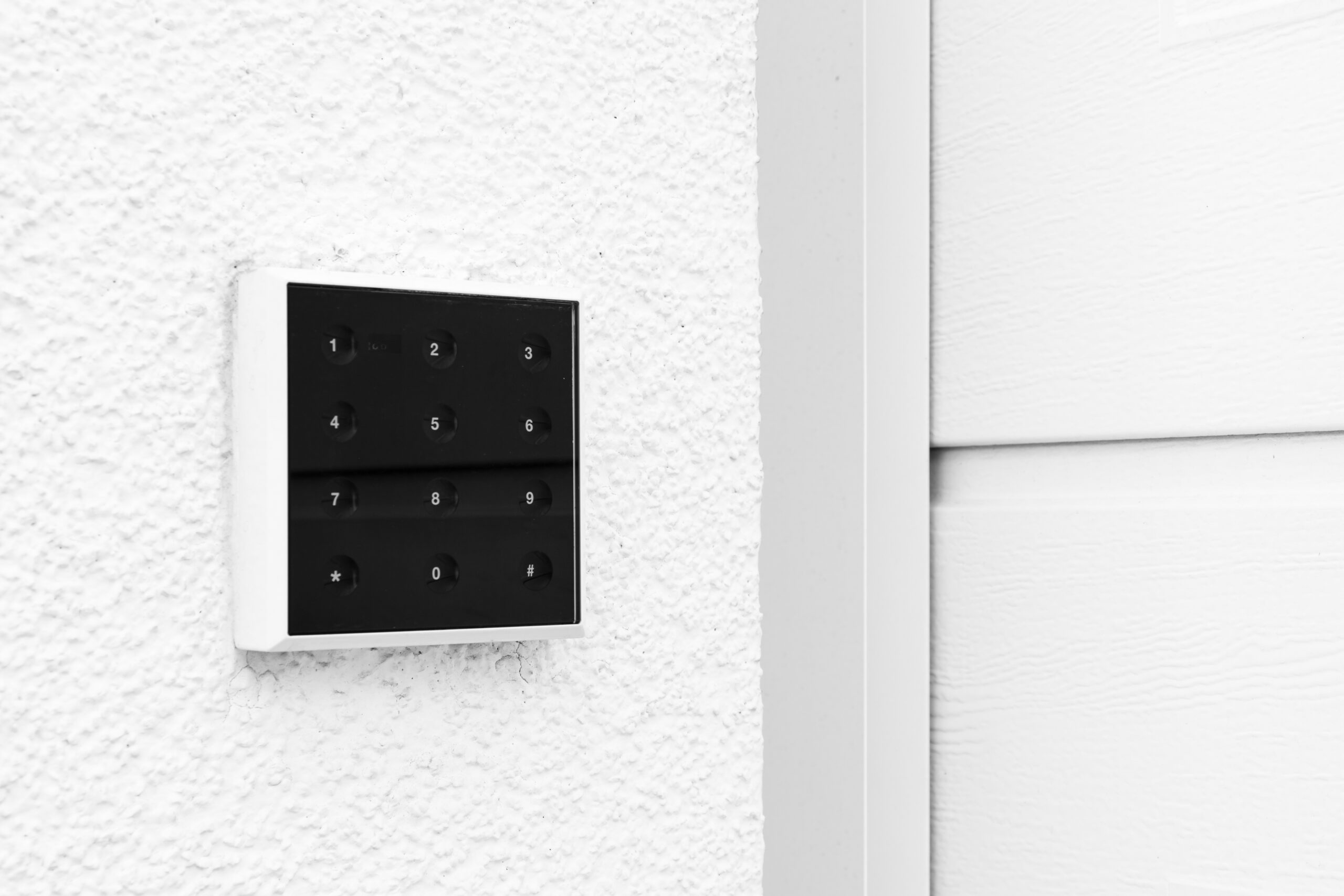
Your Garage Door Keypad Stopped Working — Now What?
It happens at the worst possible moment. You pull into the driveway after a long day, punch in your code, and nothing happens. The garage door just sits there. Before you start questioning your memory or your luck, take a breath — because a malfunctioning garage door keypad is one of the most common home issues homeowners deal with, and it is usually more fixable than it seems. This guide breaks down everything you need to know about garage door keypads: how they work, why they fail, how to repair them, and what kind of protection you should have in your back pocket when things go sideways.
What Is a Garage Door Keypad and How Does It Work?
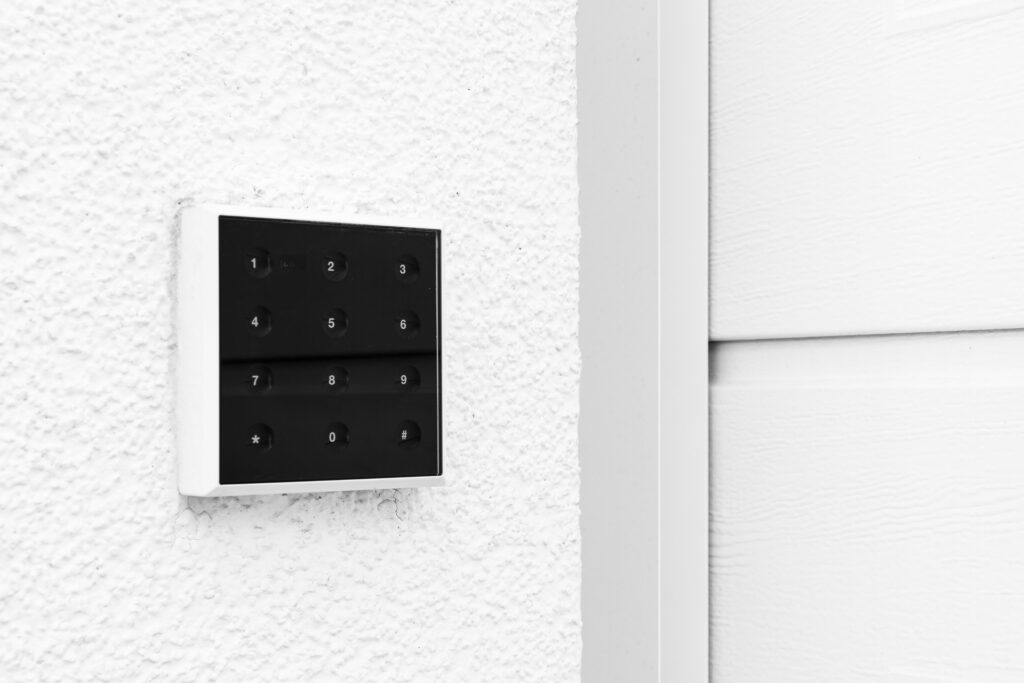
A garage door keypad is a wireless or wired device mounted near your garage — usually on an exterior wall or door frame — that lets you open and close your garage door using a numeric PIN instead of a remote. It communicates with your garage door opener unit through radio frequency signals. When you enter the correct code and press the enter key, the keypad transmits a signal to the opener, which then activates the motor to raise or lower the door. Most modern keypads are battery-powered and use rolling code technology, which means the security code changes after each use to prevent unauthorized access. Some newer models integrate with smart home systems and allow for remote PIN management through a smartphone app. Simple in concept, surprisingly sophisticated in execution.
Common Reasons a Garage Door Keypad Fails
There is a reason garage door keypad repair is a popular search term — these devices fail more often than homeowners expect. Most of the time, the cause is something straightforward, but occasionally it points to a deeper problem with your garage door system. Knowing the difference saves you time, money, and frustration.
- Dead or weak batteries are the most common culprit and should always be the first thing you check
- Worn or sticky buttons that no longer register keystrokes properly due to weather exposure or heavy use
- Signal interference from nearby electronics, LED lighting, or radio frequency overlap
- Corrupted or lost programming, often triggered by a power outage or opener reset
- Water damage or moisture intrusion affecting internal circuitry
- Faulty wiring in hardwired keypad models
- Antenna issues on the garage door opener unit itself
How to Diagnose the Problem Before Calling a Technician
Before you schedule a service call, run through a basic diagnostic on your own. Start with the batteries — even if they seem fine, replace them with fresh ones. Low battery voltage is sneaky and often does not trigger a low-battery indicator before the keypad stops working entirely. If new batteries do not resolve the issue, check whether your garage door responds to a handheld remote. If the remote works but the keypad does not, the problem is isolated to the keypad itself. If neither works, the issue may be with the opener unit or its antenna. Next, try reprogramming the keypad using the instructions in your opener manual — this is a quick process that resolves a surprising number of cases. If reprogramming fails and the keypad shows visible damage, cracking, or button wear, replacement is likely your best path forward.

How to Repair or Replace a Garage Door Keypad
For many homeowners, keypad repair is a manageable DIY project. Replacing the batteries takes about two minutes. Reprogramming the keypad typically involves pressing a learn button on your opener unit, entering a new PIN on the keypad, and confirming the sequence — usually completed in under five minutes. If the keypad itself needs to be replaced, universal keypads are widely available at hardware stores and online retailers, and most are compatible with major opener brands like Chamberlain, LiftMaster, Genie, and Craftsman. Installation is straightforward: mount the new unit, sync it to your opener using the pairing instructions, and set your PIN. If your system is hardwired, or if you are dealing with a smart-home-integrated opener, it may be worth having a garage door technician handle the swap to avoid compatibility headaches.
The Advantages of a Functional Garage Door Keypad
A working garage door keypad offers real, practical value for everyday life. It eliminates the need to carry a remote, which is particularly useful when you are walking, cycling, or your hands are full. It allows you to grant temporary access to family members, housekeepers, dog walkers, or contractors without handing over a physical key or remote. Rolling code technology makes keypads a secure entry option, and many models allow you to set temporary codes that expire after a set period. For households with children or elderly family members, a keypad can also serve as a reliable backup entry method when keys are forgotten or lost. It is a small component, but its absence is felt immediately.
The Drawbacks You Should Know About
Garage door keypads are reliable, but not without their limitations. Weather is a persistent enemy — extreme cold can cause buttons to stiffen or stop responding, while heat and humidity accelerate wear on the internal components. Exposure to rain and snow over years of use can eventually compromise even weatherproof models. Battery dependency is another consideration; if the battery dies and you do not have a spare on hand, you may find yourself locked out. Signal interference, though less common with modern rolling code systems, can still cause intermittent failures in homes with dense electronics or certain smart lighting setups. And if your garage door opener itself is aging, a new keypad may not solve the core problem — it may only delay the inevitable need for a full opener replacement.
Maintenance Tips to Extend the Life of Your Keypad
A little consistent attention goes a long way with garage door keypads. Replace the batteries once a year, even if the keypad still appears to be working — proactive battery swaps prevent inconvenient failures. Keep the keypad clean by wiping it down periodically with a dry cloth to prevent dirt and debris from working into the button contacts. If you live in a climate with harsh winters or intense sun exposure, inspect the keypad housing for cracks or seal degradation at least twice a year. When you change your garage door opener code, update all associated keypads at the same time to avoid programming conflicts. And if your keypad cover is damaged or the seal around the mounting screws has loosened, reseal it to prevent moisture intrusion before it causes internal damage.
When Keypad Issues Signal a Bigger Garage Door Problem
Sometimes a failing keypad is not really about the keypad at all. If you have replaced the batteries, reprogrammed the device, and installed a brand-new keypad and the door still will not respond consistently, it is time to look at the bigger picture. Issues with the garage door opener’s logic board, motor, or antenna can mimic keypad malfunctions and lead homeowners through unnecessary troubleshooting cycles. Strange sounds, slow movement, or erratic behavior from the door itself alongside keypad issues are signs that the opener unit may be failing. Garage door systems have multiple interdependent components — springs, tracks, rollers, the opener motor, and the keypad all work together — and a failure in one area often puts strain on others. This is exactly the kind of situation where having a home warranty matters.
Why Armadillo Belongs in Your Home Protection Plan
When something like a garage door opener or keypad system fails, the last thing you want is to figure out repair costs on the fly. Armadillo home warranty coverage for garage door openers and key home systems is built around the reality of homeownership — things break, timelines are inconvenient, and costs add up faster than expected. Armadillo offers straightforward, transparent coverage that steps in when your home systems and appliances stop working, so you are not left negotiating repair bills or tracking down contractors on your own. If you have been putting off getting protection or are unsure what kind of plan fits your home, you can get a free home warranty quote for garage door and home system coverage in seconds — no phone call required, no pressure, just a clear look at what protection costs and what it covers. Armadillo is the kind of coverage that makes a frustrating day feel a lot more manageable.
Frequently Asked Questions About Garage Door Keypad Repair
Answers to the most common questions homeowners have about garage door keypad issues, repairs, and maintenance.
Why is my garage door keypad not working after I replaced the batteries?
If new batteries did not fix the issue, the keypad may have lost its programming due to a power outage or opener reset. Try reprogramming the keypad by following the pairing instructions in your garage door opener manual. If reprogramming does not work, the keypad itself may be damaged and need replacement.
How do I reprogram my garage door keypad?
Locate the learn button on your garage door opener unit, typically found on the back or side of the motor housing. Press and release it, then enter your desired PIN on the keypad within 30 seconds and press the enter key. The opener light will flash to confirm successful programming. Steps vary slightly by brand, so consult your manual for model-specific instructions.
Can I use a universal keypad with any garage door opener?
Most universal keypads are compatible with major opener brands including LiftMaster, Chamberlain, Genie, Craftsman, and others. Always check the product compatibility list before purchasing to confirm it works with your specific opener model, especially if your opener is older or uses a proprietary frequency.
How long do garage door keypad batteries typically last?
Most garage door keypads use a 9-volt battery or AA batteries that last approximately one to two years under normal use. If you notice the keypad responding slowly or requiring multiple attempts to register a code, low battery voltage is often the cause even before a low-battery indicator appears.
Why does my garage door keypad work intermittently?
Intermittent keypad function is commonly caused by weak batteries, signal interference from nearby electronics or LED lighting, or a dirty button contact surface. It can also indicate a failing antenna on the opener unit. Start by replacing the batteries and reprogramming, then investigate potential interference sources if the problem continues.
Is a garage door keypad covered by a home warranty?
Coverage varies by provider and plan. Many home warranty plans cover the garage door opener unit, and some extend coverage to associated components like the keypad. Review your policy details carefully or contact your warranty provider to confirm what is included under your specific plan.
How do I know if I need to repair or replace my garage door keypad?
If the keypad has visible physical damage, cracked housing, or buttons that no longer depress properly, replacement is the right call. If the hardware looks intact and the issue is limited to programming or battery failure, repair through reprogramming and a battery swap is usually sufficient.
Can weather damage a garage door keypad?
Yes. Prolonged exposure to rain, extreme cold, intense heat, and humidity can degrade keypad housing, compromise internal circuitry, and cause buttons to stiffen or fail. Choosing a weatherproof keypad rated for outdoor installation and inspecting the housing seal regularly can significantly extend the device’s lifespan.
What should I do if my garage door keypad is working but the door will not open?
If the keypad appears functional but the door does not respond, the issue likely lies with the garage door opener unit rather than the keypad itself. Check whether the handheld remote triggers the door. If neither works, inspect the opener for power, check the disconnect switch, and look for any error indicator lights on the motor unit.
How much does it cost to replace a garage door keypad?
A replacement garage door keypad typically costs between fifteen and sixty dollars for the unit itself, depending on brand and features. Professional installation, if needed, adds a service fee that varies by region. Smart keypads with app integration or advanced security features may run higher but are generally still a cost-effective solution compared to full opener replacement.