What to Do When Your Garage Door Remote Stops Working: Causes, Fixes, and Warranty Insights
Few appliances bridge convenience and security in the home quite like the garage door opener. It’s the quiet workhorse that ushers in your daily departures, greets your arrivals, and safeguards one of the most vulnerable entry points to your home. But when the remote control for your electric garage door stops working, frustration can quickly follow. The issue may seem minor, but its implications stretch beyond inconvenience—it could be a symptom of a larger mechanical or electrical failure. Understanding what drives this technology, how to troubleshoot it, and how a home warranty can soften the impact of costly repairs can put homeowners in a strong position to make informed decisions about maintenance, upgrades, and protection plans.
Understanding the Garage Door Opener System
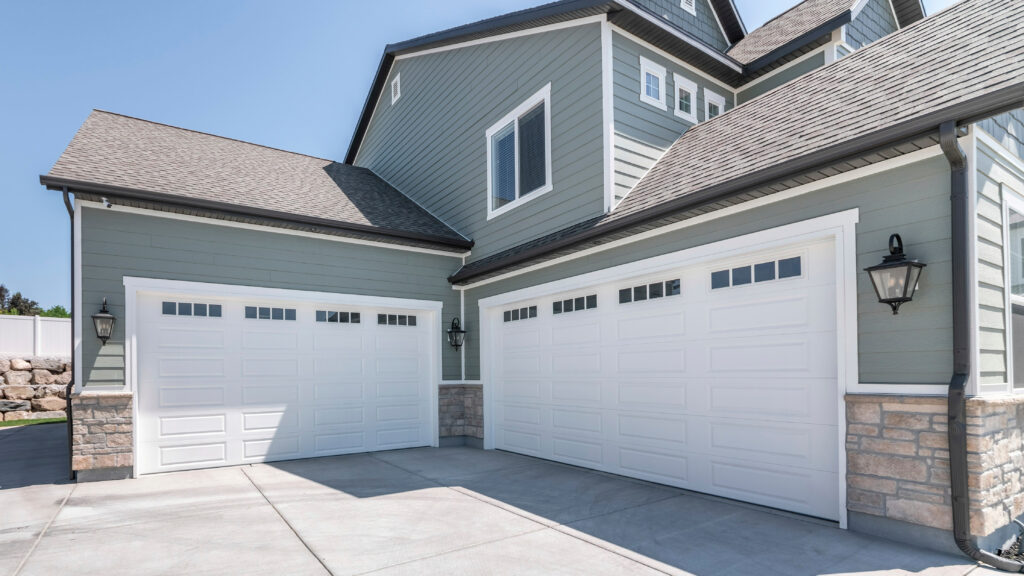
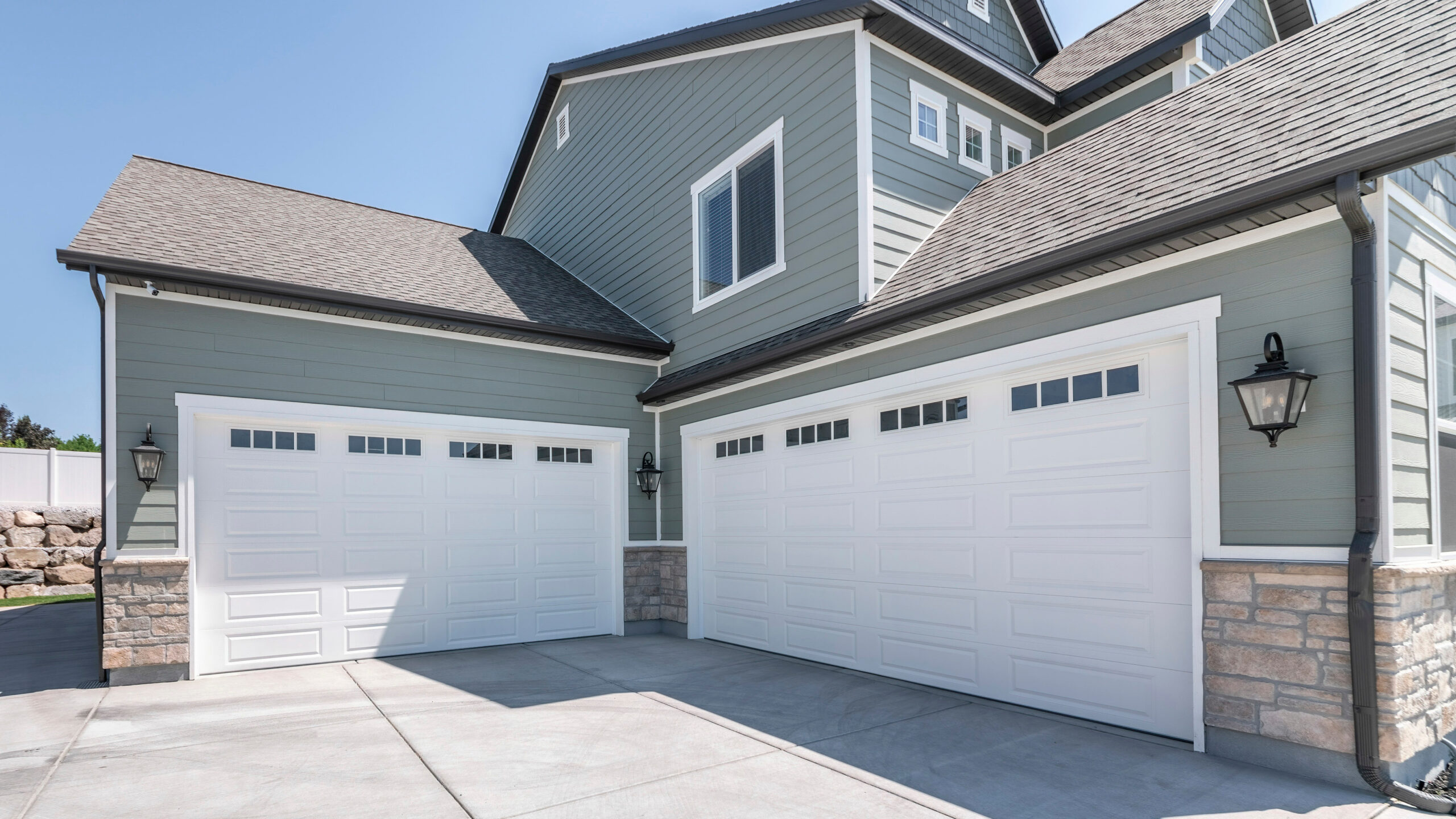
A modern garage door system consists of several interconnected parts. At its core is the garage door opener—a motorized unit typically mounted to the ceiling of the garage. This opener is activated via a remote-control transmitter or a wall-mounted keypad. When you press your garage door remote, it sends a wireless signal to the receiver inside the opener. This prompts the motor to activate and either lift or lower the garage door using a chain, belt, or screw-driven mechanism. Safety features like sensors ensure that the door won’t close if something obstructs its path. Though it’s a relatively simple interaction from the homeowner’s perspective, the components behind it involve careful coordination of circuitry, signal transmission, and consistent power.
Common Reasons Why Garage Door Remotes Stop Working
When your garage door remote fails suddenly, there’s often one of several usual suspects to consider. First, and most predictably, is a dead or dying battery. These small lithium or alkaline batteries can deplete without warning and should be replaced every year or two. If fresh batteries don’t resolve the issue, the remote may need to be reprogrammed or re-paired with the opener—especially if its memory was reset during a power outage or system reset. Dust or debris on the contacts inside the remote can also prevent effective operation. Another possibility is signal interference. Nearby electronics, Wi-Fi routers, or even neighboring garage systems can create frequency interference. Finally, more complex failures such as a faulty circuit board in the opener unit or damaged wiring may require professional repair or replacement under a home warranty.
How Garage Door Openers Are Covered Under Home Warranty Plans
Home warranty coverage is designed to provide repairs or replacements for major systems and appliances that fail due to normal wear and tear. Garage door openers fall into this category, but coverage depends on the specifics of your plan. Reputable warranty providers include the mechanical components of the opener—motor, sensors, wiring, remote transmitters—within optional or built-in coverage tiers. If your garage door remote stops working due to a mechanical or electrical issue with the opener itself, a warranty claim may make sense financially. However, cosmetic issues, battery replacements, and physical damage caused by misuse are typically excluded. Also worth noting: not all warranties cover the actual garage door panel or springs. Understanding your contract deeply—and what “normal wear and tear” includes—is key when initiating your claim confidently.
When It’s Time to Upgrade Instead of Repair
If your remote hasn’t aged gracefully or the opener unit is more than ten years old, it may be more cost-effective to replace the entire system. Advances in garage technology mean newer models offer much more than just “open-close” functions. Wi-Fi integration now allows smartphone control. Battery backups kick in seamlessly during power failures. Rolling code technology significantly boosts security by constantly updating the code broadcast from the remote. And DC motors provide quieter, more energy-efficient operation than their AC predecessors. If you’re repeatedly filing claims or experiencing recurring failures, it may be worth talking with your home warranty provider to determine if an upgrade fits within coverage terms or if you can apply parts of your reimbursement toward a more modern system.
Tips for Preventing Future Garage Remote Failures
Preventive care goes a long way in prolonging the life of your garage door opener and its remote. Keep remote controls free from moisture and drops—common contributors to early malfunction. Store them in temperate indoor areas overnight, especially if you live in climates with extreme weather swings. Occasionally clean the battery contacts inside the remote using a soft cloth or a small electronics brush. For the garage system itself, schedule annual lubrication and a balance check of the door panel springs and tracks. Misaligned doors can strain the opener and lead to issues that originate in the motor but show up as a non-responsive remote. Lastly, ensure that the opener unit’s firmware (if applicable) is updated according to manufacturer instructions, particularly for smart openers connected to your home’s Wi-Fi network.
Garage Door Issues and Safety Concerns
When a remote fails, the inconvenience is one thing—but the safety implications can ripple beyond that. A malfunctioning remote may leave your garage door open or unable to secure properly, exposing your home to theft or weather damage. If the opener’s sensor system is involved in the failure, an unsafely-operating door could cause physical harm, particularly to children or pets. Some homeowners attempt DIY repairs on electrical components, which can present shock hazards if handled improperly. Confirming whether your home warranty covers complex fixes—and having a qualified technician available quickly through your provider—can help maintain a safer environment while reducing the stress that comes with out-of-pocket emergency repairs.
Why Armadillo Is the Right Partner for Garage Door Protection
Garage door openers are often overlooked—until they stop working. At Armadillo, we understand that your home’s security and comfort rely on all systems working in sync, including those hidden behind the garage walls and ceiling. Our customizable protection plans are designed to keep your mechanical systems—including garage door openers—working reliably without surprise repair bills. When your remote fails due to covered causes, you’ll have expert help dispatched quickly and affordable solutions in hand. To explore how Armadillo can help safeguard your garage and beyond, visit our homepage at https://www.armadillo.one. Ready to build your custom plan today? Start here: https://app.armadillo.one/plan-builder?current=zip.