Why Your Garage Door Remote Stopped Working and What It Means for Your Home Warranty
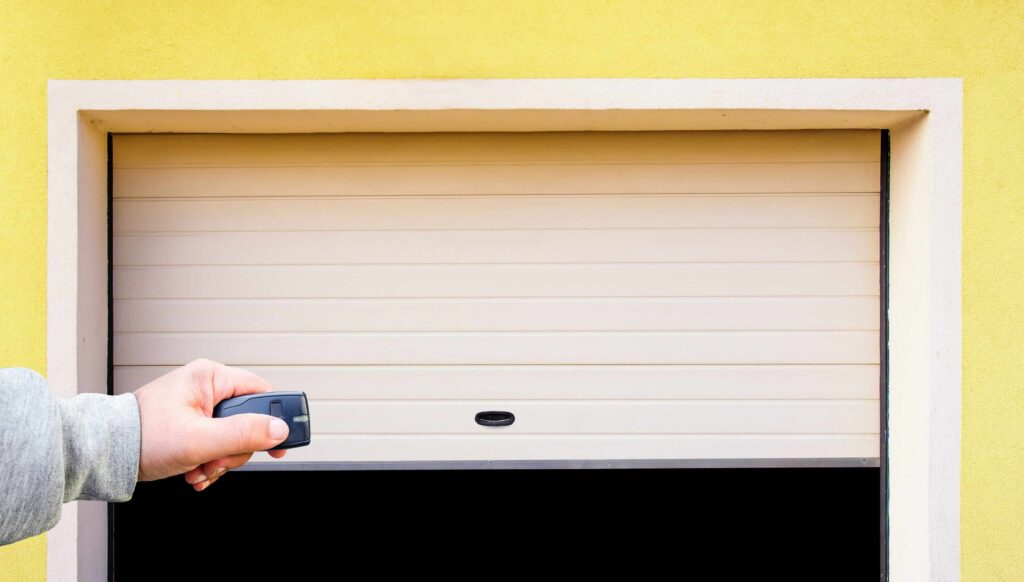
You pull into the driveway after a long day, hit the button on your garage door remote, and nothing happens. You try again. Still nothing. Maybe you get out of the car, walk to the keypad, punch in your code, and the door finally groans open. Sound familiar? A garage door remote that stops working is one of those small problems that feels minor right up until it becomes a real inconvenience. And if you have a home warranty, you may be wondering whether this is covered or whether you are on your own. The answer is a little more nuanced than most homeowners expect, and understanding how garage door systems actually work is the first step toward figuring out your next move.
How Garage Door Openers and Remotes Actually Work
A garage door opener system is made up of several components working together. The motor unit is mounted on the ceiling of your garage. A drive mechanism, either a chain, belt, or screw, moves the door up and down. The remote control communicates with the opener through a radio frequency signal, typically operating somewhere between 300 and 400 megahertz. When you press the button on your remote, it sends that signal to a receiver inside the motor unit, which triggers the door to open or close. It sounds straightforward, and often it is. But there are several points in that chain where things can go wrong, and not every failure point is equal in the eyes of a home warranty provider.
Common Reasons Your Garage Door Remote Stops Working
Before assuming the worst, it is worth running through the most common culprits. The problem might be simpler than you think, or it might be a sign of something more significant happening with the opener unit itself.
- Dead or weak remote battery, which is the most frequent and easiest fix
- Signal interference from nearby electronics, LED bulbs inside the opener, or even a neighbor’s system
- The remote has lost its programming and needs to be re-paired with the opener
- Damaged antenna on the motor unit, reducing its ability to receive signals
- A faulty logic board inside the opener unit, which controls all remote communication
- Physical damage to the remote itself from being dropped or exposed to moisture
- The remote is simply too old and the frequency is no longer compatible after a unit replacement
The distinction between a malfunctioning remote and a malfunctioning opener unit matters quite a bit when it comes to home warranty coverage. Most home warranties cover the mechanical and electrical components of the garage door opener, but the remote itself is often treated as an accessory rather than a core system component.
What Home Warranties Typically Cover When It Comes to Garage Doors
Home warranties are service contracts designed to help homeowners manage the cost of repairing or replacing covered systems and appliances when they break down due to normal wear and tear. When it comes to garage doors, coverage varies by provider, but most plans cover the opener unit itself, including the motor, the drive mechanism, and the electrical components like the logic board and wiring. What is often excluded from coverage includes the remote control as a standalone accessory, the physical door panels, springs, cables, and tracks, cosmetic damage, and any components that failed due to improper installation or pre-existing conditions. This is why diagnosing the problem correctly matters. If your remote is not working because the logic board inside the opener has failed, that is likely a covered repair. If your remote simply needs a new battery or a reprogram, that is something you can handle yourself in about five minutes.

How to Troubleshoot Your Garage Door Remote Before Calling Anyone
A few quick checks can save you time and the cost of a service call. Start with the battery. Even if the remote seems like it should still have life in it, swap it out for a fresh one and test the door. Next, check whether the wall-mounted button inside the garage opens the door. If the wall button works but the remote does not, the issue is almost certainly with the remote or the receiver, not the opener motor. If neither the remote nor the wall button works, there may be a power issue, a tripped breaker, or a problem with the opener unit itself. Try unplugging the opener from the outlet and plugging it back in. If the opener has a reset button, use it. If none of these steps resolve the issue, it is time to contact a professional technician, and if you have a home warranty, that is when you would place a service request with your provider.
The Advantages of Having a Home Warranty for Garage Door Opener Failures
When the opener unit itself is the problem, repairs can run anywhere from one hundred fifty to five hundred dollars or more, depending on the component that failed and whether a full replacement is necessary. A quality home warranty plan absorbs that cost down to a predictable service call fee, which typically ranges from sixty to one hundred fifty dollars. For homeowners who want to avoid surprise repair bills, that kind of financial predictability is genuinely valuable. Beyond cost savings, a home warranty also handles the logistics of finding a qualified technician, which is something many homeowners underestimate the value of until they are scrambling to find someone on a Sunday evening.
Limitations and Exclusions Worth Knowing About
Home warranties are not a blank check, and garage door coverage is one area where reading the fine print pays off. Many standard plans explicitly exclude the remote control, the physical door structure, springs, and cables. Some plans require that the failure be caused by normal wear and tear, meaning damage from an accident, power surge, or lack of maintenance may not qualify. It is also worth noting that some warranties cap the payout for garage door opener repairs or replacements at a specific dollar amount, which may not cover the full cost of a premium unit if yours needs to be replaced entirely. Understanding what your plan does and does not cover before you need it is what separates homeowners who feel protected from those who feel caught off guard.
When a Remote Issue Points to a Bigger Problem
Sometimes a garage door remote that stops working is not really about the remote at all. Intermittent communication failures between the remote and the opener can indicate a deteriorating logic board, which is the brain of the entire opener system. A logic board failure will typically affect all remote functions, including keypad entry and wall button responsiveness over time. If you notice the door responding inconsistently, only opening partway, reversing without a clear reason, or completely failing to respond to any input, these are signs that the opener unit itself may be approaching the end of its functional life. Most garage door openers last between ten and fifteen years with regular use, and age-related electrical failures are among the most common reasons homeowners file service requests with their warranty providers.
Practical Tips for Keeping Your Garage Door Opener in Good Working Condition
- Replace remote batteries every one to two years, even if the remote still appears to be functioning
- Keep the antenna on the motor unit free from obstructions and check it periodically for visible damage
- Replace standard incandescent bulbs in the opener with bulbs specifically labeled as garage door opener compatible to reduce signal interference
- Test the auto-reverse safety feature monthly by placing a flat object under the door and checking that it reverses on contact
- Have a technician inspect the opener, drive mechanism, and associated hardware every few years as part of routine home maintenance
Why Armadillo Is Worth Considering for Garage Door Opener Coverage
When your garage door opener stops cooperating, the last thing you want to do is spend time hunting for a reputable technician, negotiating repair costs, and wondering whether the bill is going to be one hundred dollars or five hundred. That is exactly the kind of uncertainty that a well-structured home warranty is designed to eliminate. Armadillo offers straightforward coverage built for homeowners who want real protection without the fine-print frustration. If you have been thinking about protecting your home systems, including your garage door opener, Armadillo home warranty coverage for garage door openers and essential home systems is worth a serious look. The plans are designed to be transparent, easy to use, and priced fairly. When something breaks, you place a service request, a qualified technician is dispatched, and you pay your service fee while Armadillo handles the rest. If you are ready to stop guessing what a repair might cost and start feeling confident about your coverage, get a free home warranty quote to protect your garage door opener and home systems today and see what a plan looks like for your specific home in just a few minutes.

Frequently Asked Questions About Garage Door Remotes and Home Warranty Coverage
Here are answers to the questions homeowners ask most often when their garage door remote stops working and they are wondering what their home warranty covers.
Is a garage door remote covered under a home warranty?
In most cases, the remote control itself is not covered because it is considered an accessory rather than a core mechanical or electrical component. However, if the remote is not working because of a failure within the opener unit, such as a bad receiver or logic board, that internal component failure is often covered under standard plans.
What should I check first when my garage door remote stops working?
Start with the battery. A weak or dead battery is the most common cause and the easiest fix. If a new battery does not resolve the issue, check whether the wall-mounted button inside the garage activates the door. If the wall button works but the remote does not, the problem is isolated to the remote or the signal receiver.
Can signal interference cause my garage door remote to stop working?
Yes. LED bulbs that are not rated for garage door opener use are a surprisingly common source of signal interference. Nearby electronics, power lines, and even a neighbor’s opener operating on the same frequency can also disrupt the signal. Swapping to opener-compatible bulbs often resolves unexplained remote failures.
How do I reprogram my garage door remote?
The process varies by manufacturer, but it typically involves pressing the learn button on the motor unit and then pressing the button on the remote within thirty seconds. The opener light will usually flash to confirm the remote has been paired. Refer to your opener’s manual for the specific steps for your model.
Does a home warranty cover garage door opener motor replacement?
Most home warranty plans that include garage door opener coverage will cover the motor and other internal mechanical and electrical components when they fail due to normal wear and tear. Coverage limits and exclusions vary by plan, so reviewing your specific service agreement is important before assuming full replacement is included.
How long do garage door openers typically last?
Most garage door openers last between ten and fifteen years with regular use. The lifespan depends on usage frequency, maintenance habits, and the quality of the unit. As an opener approaches the end of its life, remote communication failures, unusual noises, and sluggish response times are common early indicators.
Will my home warranty cover the garage door springs and cables if they break?
Garage door springs and cables are frequently excluded from standard home warranty coverage. These components are considered part of the door structure rather than the opener system, and many providers list them specifically as exclusions. Some providers offer add-on coverage or higher-tier plans that include them, so it is worth checking your plan details.
Can I file a home warranty claim just because my remote needs reprogramming?
Reprogramming a remote is not typically a covered service request because it is not a mechanical failure. Home warranties are designed to cover failures caused by normal wear and tear, not user errors or simple resets. A technician visit for something as straightforward as reprogramming would likely not meet the threshold for a valid claim.
What happens if my garage door opener needs to be fully replaced under a home warranty?
If a covered component within the opener fails beyond repair and the unit needs full replacement, most home warranty providers will authorize a replacement unit of similar functionality and value. The replacement may not be the same brand or model as the original, and some plans impose a cap on the total reimbursement amount for replacement units.
How do I know if my garage door opener failure qualifies for a home warranty claim?
The key qualifying factor is that the failure must result from normal wear and tear rather than physical damage, improper installation, or neglect. If the opener simply stopped working over time and a qualified technician confirms a mechanical or electrical failure within the unit, that typically meets the threshold for a valid warranty claim. Contact your home warranty provider to initiate a service request and let a dispatched technician make the diagnosis.