Understanding the Garage Door System: Benefits, Drawbacks, and What Homeowners Should Know
Garage doors are easy to overlook—until they stop working. For many homeowners, the garage door performs essential everyday functions: securing tools, protecting vehicles, and often serving as the most-used entry point to the home. Whether you’re considering a new installation or maintaining the one you have, understanding how this complex system operates is crucial. This article offers a clear, thorough breakdown of how garage doors work, the benefits and challenges they present, and what to consider when integrating them into your home maintenance strategy, especially from a home warranty perspective.
How Garage Door Systems Work
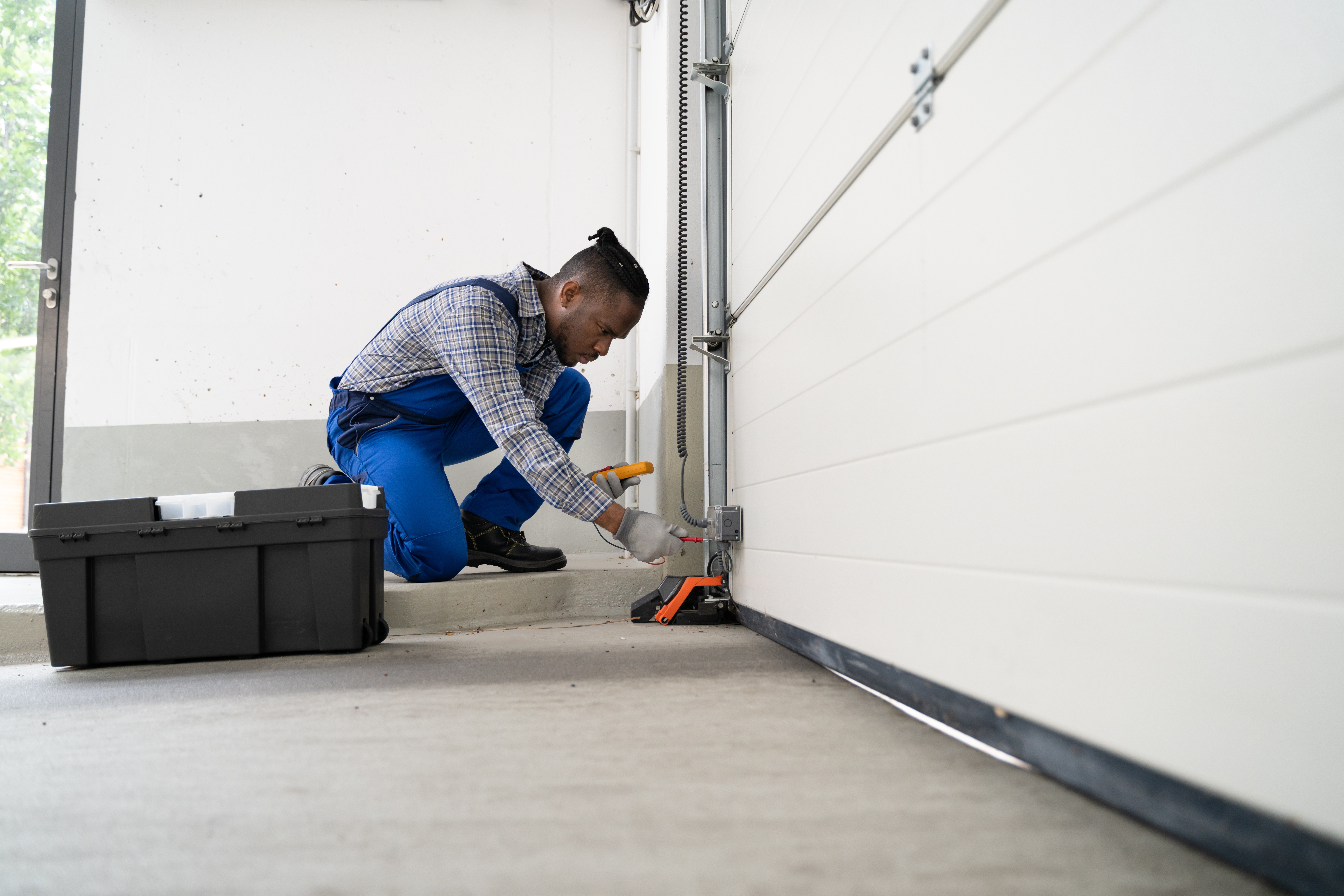
At first glance, garage doors appear simple. Push a button, and a panel moves up or down. But behind that smooth motion is a system of mechanical and electrical components working together—openers, motors, torsion springs, tracks, cables, sensors, and remote kits—all designed for coordinated precision. The door itself is typically made from steel, aluminum, fiberglass, or wood and rides along metal tracks that allow it to open manually or automatically. The spring system provides the heavy lifting, essentially offsetting the door’s weight so that it’s lighter to move. Motors powered by electricity then handle the actual movement through a motorized opener, which transmits commands through wall-mounted or remote-controlled signals.
The Value of a Well-Maintained Garage Door
Functionality matters, but so does protection. A fully operational garage door keeps your belongings safe from weather and theft, but it also safeguards your home’s energy efficiency. Many modern garage doors are built with insulation, reducing thermal exchange and keeping your home cooler in summer and warmer in winter. A secure garage door can even act as a secondary line of defense in emergencies, providing safe exit points or barriers depending on the situation. When maintained properly, garage doors last between 15 and 30 years, delivering long-term savings and better safety outcomes.
Advantages of Modern Garage Door Systems
Today’s garage doors are designed with convenience and performance in mind. Smart technology integration now allows homeowners to monitor, operate, or lock their garage doors remotely via smartphone apps. Quiet belt-drives have replaced the clunky chains of the past, cutting down noise significantly. Safety features, such as motion sensors and auto-reverse mechanisms, protect pets, children, and vehicles from injury or damage. Insulated doors help with temperature control and soundproofing. Some even carry advanced features like fingerprint authorization and timed closing, creating both convenience and a modern security upgrade.
Common Problems Homeowners Experience
Despite many improvements, garage door systems aren’t immune to wear and tear. One of the most frequent issues stems from broken torsion springs. Since these springs bear most of the door’s lifting weight, a snapped spring means a non-functional garage entry. Misaligned tracks cause jerky motion or uneven closing. Faulty sensors can prevent doors from closing altogether. Other persistent concerns include stripped gears, worn-out rollers, or noisy operation. Weather conditions, particularly regions with high humidity or freezing temperatures, accelerate rust and corrosion on key components. Without regular inspection, a minor fault can lead to total system failure, often without warning.
When to Repair Versus Replace
This is where decisions become more nuanced. Not every issue justifies total system replacement. For example, a frayed cable or misaligned sensor is typically inexpensive to fix and doesn’t require replacing the whole setup. However, if your existing door lacks insulation, isn’t compatible with modern safety tech, or no longer suits the style and safety standards of your home, then replacement makes much more sense. Beyond aesthetics, if you’ve spent more than half the cost of a new door on multiple repairs within a short window, investing in a replacement system could lead to cost efficiencies over time. A more energy-efficient model can also provide utility savings, adding to its value.
How Home Warranties Can Support Garage Door Maintenance
Garage door systems don’t always receive attention in basic homeowner insurance plans. That’s where a quality home warranty steps in. While standard warranties might not cover cosmetic damage or externally caused incidents, they often take care of mechanical breakdowns due to normal wear and tear, like failed motors or electrical failure in the door opener. This is especially important for homeowners who rely heavily on automated systems or operate garage spaces as entry points. Factoring garage door coverage into your home warranty strategy ensures peace of mind—because a suddenly stuck garage door on a busy morning shouldn’t throw off your day or your schedule.
Practical Tips for Homeowners
Preventive care dramatically extends the life of a garage system. Make time to test sensors monthly by placing an object like a roll of paper towels in the path of the door to ensure it reverses properly. Lubricate rollers and tracks twice a year using a garage door lubricant, not household grease. Visually inspect cables and springs monthly for signs of strain. And if you hear grinding, banging, or whirring from the motor, address it immediately. Leaving these warnings unattended often leads to higher damage and more expensive replacements. Adjust the sensitivity settings periodically, particularly after weather changes, since temperature fluctuations can affect component performance.
Why Armadillo is the Right Fit for Your Garage Door Coverage
Garage doors aren’t flashy, but when they fail, the inconvenience is anything but forgettable. That’s why homeowners rely on Armadillo. Our comprehensive home warranty plans are structured with real life in mind—covering essential systems like garage door openers that power your daily routine. When mechanical failure strikes, Armadillo connects you with top technicians for fast, dependable repairs. And because we know today’s homes operate smarter, our plans reflect that modern approach. If you’re ready to minimize garage door downtime and sleep easier knowing essential repairs are covered, visit our homepage at armadillo.one. Want to know your options? Build your custom warranty plan in minutes at this link, and protect what powers your home’s first line of convenience and security.