Turning Your Garage Into Living Space: What Every Homeowner Needs to Know
Converting a garage into livable square footage is one of those home improvement projects that sounds straightforward on the surface but quickly reveals layers of complexity the further you dig in. Whether you are dreaming of a home office, a guest suite, a gym, or a cozy den, the garage conversion process touches nearly every major system in your home. Understanding what is involved before you start swinging a hammer can save you time, money, and a fair amount of frustration.
What Is a Garage Conversion and Why Are Homeowners Doing It
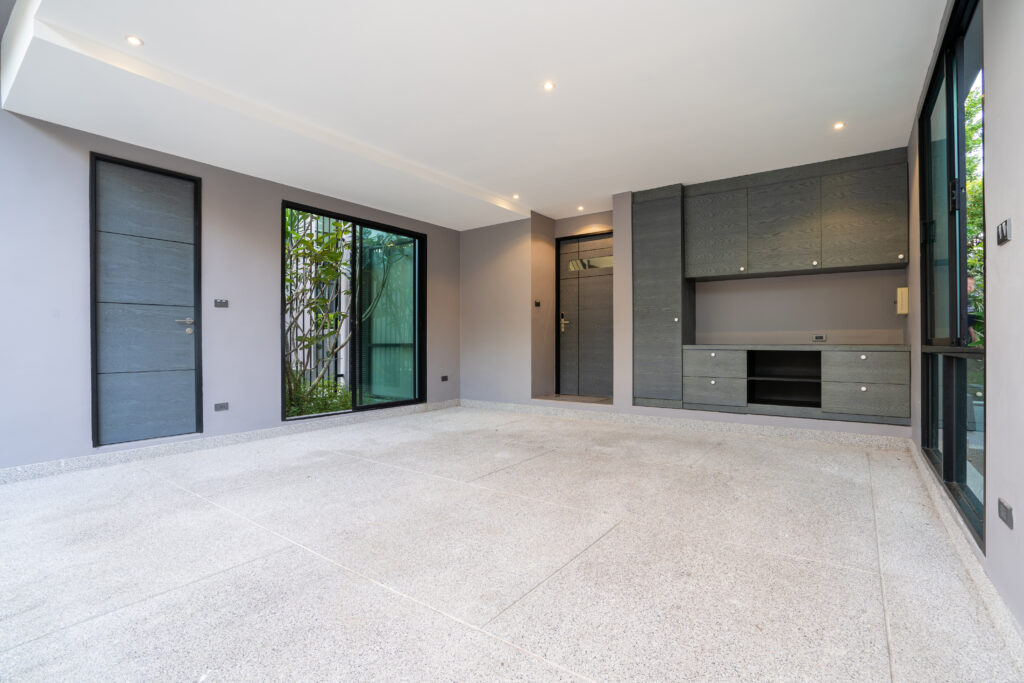
A garage conversion is the process of transforming an attached or detached garage into a conditioned, finished living space. Unlike an addition, which involves building outward, a conversion uses square footage that already exists. That distinction makes it appealing from a cost and timeline perspective. Homeowners are increasingly exploring this option because housing costs have pushed people to maximize what they already own. Instead of buying a larger home, many are simply reimagining the one they have. The garage, often underutilized and crammed with seasonal items, becomes the most logical candidate for a transformation.
How a Garage Conversion Actually Works
The process typically begins with permits. Most municipalities require building permits for garage conversions, and skipping this step can create serious problems when you sell the home or file an insurance claim. Once permits are secured, the work generally progresses in a logical sequence. The garage door is removed and the opening is framed in, usually with a window or a solid wall. Insulation is added to the walls, ceiling, and especially the concrete slab floor, which tends to run cold. Electrical work follows, since most garages are not wired for the demands of a living space. HVAC is addressed next, either by extending your existing system or installing a dedicated mini-split unit. Drywall, flooring, and finishing touches come last. The timeline for a typical conversion ranges from a few weeks to a couple of months depending on scope and contractor availability.
The Key Advantages of Converting a Garage
There are several reasons homeowners find this project compelling, and the benefits go well beyond just adding a room.
- Cost efficiency: Garage conversions typically cost less per square foot than full home additions because the structural shell already exists.
- Increased home value: A properly permitted and finished conversion can meaningfully increase your property’s appraised value and resale appeal.
- Flexibility of use: The space can serve as a home office, rental unit, in-law suite, gym, or creative studio depending on your needs.
- No additional footprint: You are not consuming yard space or dealing with complex foundation work.
- Faster timeline: Compared to a new addition, conversions tend to move more quickly through construction.
Common Drawbacks You Should Think Through
No home improvement project is without its complications, and garage conversions have a few worth considering seriously. Losing parking space is the most obvious trade-off, and in neighborhoods with limited street parking, that matters more than it might seem. Concrete slab floors require real attention because without proper insulation and moisture barriers, you will fight cold, damp conditions year-round. HVAC is another pressure point. Extending your existing system may not be feasible without upgrading the equipment, and an undersized system will struggle to keep the converted space comfortable. There is also the matter of natural light. Garages were not designed to feel bright and open, so adding windows or skylights is usually necessary but adds cost. Finally, zoning and HOA rules can limit what you are allowed to do, particularly if you are considering a rental unit or accessory dwelling unit.

HVAC Considerations for a Garage Conversion
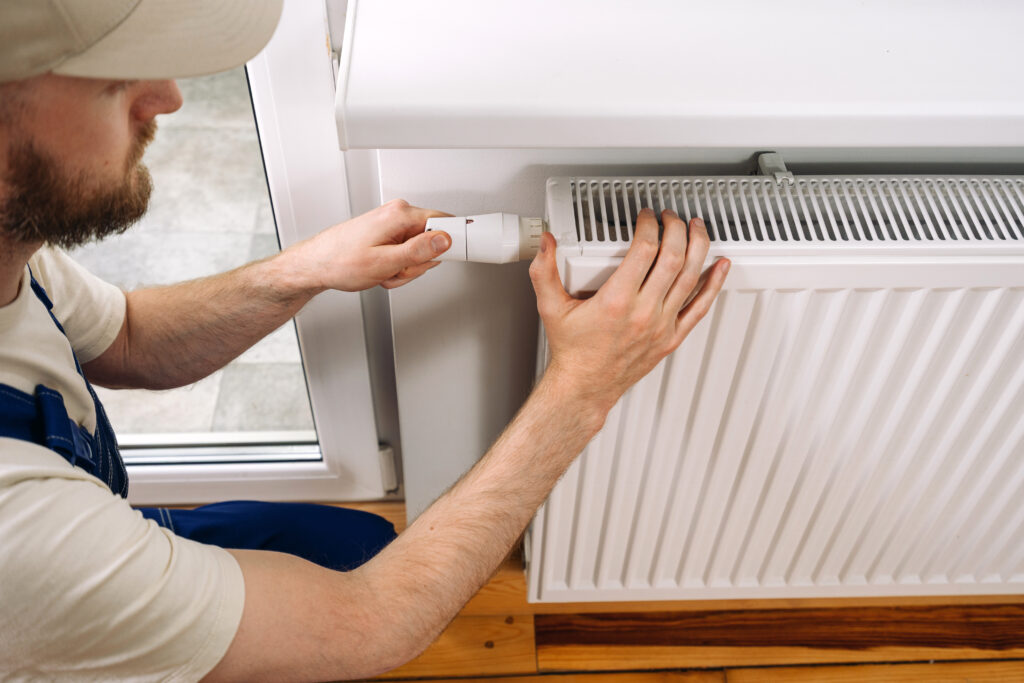
Heating and cooling a converted garage is one of the more technically demanding parts of the project. Because garages were built to house vehicles rather than people, they were never integrated into the home’s thermal envelope. That changes everything. A ductless mini-split system is often the most practical solution because it does not require tearing into existing ductwork and can be sized specifically for the new space. If you prefer to extend your current HVAC system, a load calculation performed by a licensed HVAC contractor will determine whether your existing equipment can handle the additional demand. Skipping that step and just adding vents is a common mistake that leads to poor performance and unnecessary wear on the system. Proper insulation in the walls and ceiling is equally critical because it reduces how hard your HVAC equipment has to work.
Electrical and Plumbing Upgrades to Anticipate
Most garages run on a basic electrical circuit that was designed for lighting and maybe a garage door opener. Converting that space into livable square footage requires a significant upgrade. Depending on your intended use, you may need additional circuits, GFCI outlets, dedicated lines for appliances, and updated lighting throughout. If your conversion includes a bathroom or wet bar, plumbing becomes part of the equation. Rough-in plumbing in a concrete slab is not an impossible task, but it does require cutting into the slab, which adds cost and time. Planning all of this before walls are closed is essential because retrofitting after the fact is considerably more expensive.
Permitting, Inspections, and Why They Matter
Pulling permits is one of those steps that homeowners occasionally try to skip to save time or money. It is almost always the wrong call. A permitted conversion means the work has been reviewed and inspected by your local building department, which protects you legally and financially. Unpermitted work can complicate your homeowner’s insurance coverage, create disclosure obligations when you sell, and in some cases require you to undo completed work entirely. The inspection process also catches errors before they become buried in drywall. Think of it as a quality control checkpoint rather than a bureaucratic hurdle. Some jurisdictions also have specific requirements around egress windows, ceiling height minimums, and smoke detector placement that apply specifically to converted spaces used for sleeping.
Practical Tips for a Successful Garage Conversion
A few well-placed decisions early in the process can make a meaningful difference in how smoothly things go and how satisfied you are with the finished result.
- Hire a licensed general contractor or at minimum licensed subcontractors for electrical, plumbing, and HVAC work.
- Budget a contingency of fifteen to twenty percent above your project estimate for unexpected conditions inside the walls or slab.
- Address moisture before anything else. Test for slab moisture intrusion and install a vapor barrier before laying flooring.
- Choose flooring that can handle the demands of a former garage, including potential moisture and temperature variation. Luxury vinyl plank is a popular choice for this reason.
- Think carefully about how the new space will connect to the rest of the home, both physically and aesthetically, so it does not feel like an afterthought.
Why Home Warranty Coverage Matters After a Garage Conversion
Once your garage conversion is complete and fully integrated into your home, the systems that make it functional become part of your daily life. That mini-split unit keeping the space comfortable in July, the new electrical panel carrying the added load, the plumbing feeding a newly built bathroom — these are all systems that can and do fail over time. That is precisely where a home warranty delivers real value. Armadillo home warranty coverage for newly converted living spaces ensures that when something breaks down in your finished conversion, you are not left covering the full repair cost out of pocket. After investing thousands into transforming your garage, protecting that investment with a reliable service plan is a logical next step. If you are ready to see what coverage looks like for your home, you can get a free home warranty quote for garage conversion homeowners in just a few minutes. Armadillo keeps things simple, transparent, and built around how people actually live in their homes.

Frequently Asked Questions About Garage Conversions
Does converting a garage require a building permit?
In most jurisdictions, yes. Converting a garage into habitable living space typically requires a building permit and inspections. Requirements vary by city and county, so check with your local building department before starting work.
How much does a garage conversion cost on average?
Costs vary widely based on location, scope, and finishes, but most homeowners spend between $10,000 and $50,000. A basic conversion with minimal plumbing sits on the lower end, while a full bathroom addition and high-end finishes push costs higher.
Will a garage conversion add value to my home?
A properly permitted garage conversion that adds usable square footage generally increases home value, though the return varies by market. In areas with high demand for additional living space or rental units, the value increase can be substantial.
Can I convert a detached garage into living space?
Yes, detached garages can be converted into living space, home offices, or accessory dwelling units. Detached conversions often require separate utility connections and may involve additional permitting requirements, especially for rental use.
What is the best heating and cooling option for a converted garage?
A ductless mini-split system is widely considered the most efficient and practical option because it can be sized specifically for the space and does not require integration with existing ductwork.
How do I handle the concrete slab floor in a garage conversion?
Before installing finished flooring, test for moisture intrusion and install a vapor barrier. Many homeowners choose to add a subfloor over the slab for insulation and comfort, then install luxury vinyl plank or other resilient flooring on top.
Can a garage conversion be used as a rental unit or ADU?
This depends entirely on local zoning ordinances and building codes. Some areas permit accessory dwelling units in converted garages, while others prohibit them. Always verify with your local planning department before proceeding.
Does a home warranty cover systems installed during a garage conversion?
Home warranty coverage for systems like HVAC, electrical, and plumbing typically applies to components throughout the home, including those added during a renovation. Review your specific policy terms to confirm coverage details for newly installed systems.
How long does a garage conversion typically take to complete?
Most garage conversions take between four and twelve weeks from permit approval to completion, depending on the complexity of the project, contractor availability, and inspection scheduling in your area.
What happens if my garage conversion was done without permits?
Unpermitted work can create complications when selling your home, may not be covered by homeowner’s insurance, and could require costly remediation. In some cases, local authorities may require the work to be brought up to code or removed entirely.