Converting Your Garage Into a Livable Apartment: A Smart Guide for Homeowners
For homeowners looking to unlock extra square footage, converting a garage into an apartment is a compelling home improvement option. Whether your goal is to accommodate aging parents, earn rental income, or create a dedicated living space for guests, garage conversions can add functionality and value to your property. But before jumping in headfirst, it’s important to understand what the process entails, how it works with your home’s systems, and what role a home warranty can play in protecting your investment. This guide breaks down the essentials, from how the systems are configured to long-term considerations for comfort, code compliance, and efficiency.
What Is a Garage Apartment Conversion?
A garage apartment conversion transforms an existing garage—attached or detached—into a fully functional living space. This can include adding insulation, plumbing, electrical wiring, HVAC, windows, and walls to essentially create a self-contained dwelling unit. Often referred to as an accessory dwelling unit (ADU), this type of conversion allows homeowners to customize the area for long-term living, complete with a kitchen, bathroom, and sleeping area.
Depending on local zoning rules and the condition of the existing structure, these projects range from relatively straightforward remodels to complex full-scale renovations. The intent is to create a comfortable, safe space that meets local building codes and provides the amenities found in standard homes.
How It Works: Integrating New Systems and Infrastructure
One of the most important steps when converting a garage into an apartment is ensuring the home’s existing systems—electrical, heating and cooling, plumbing—can support the additional load. These aren’t afterthoughts; they’re integral to the function and livability of the new space.
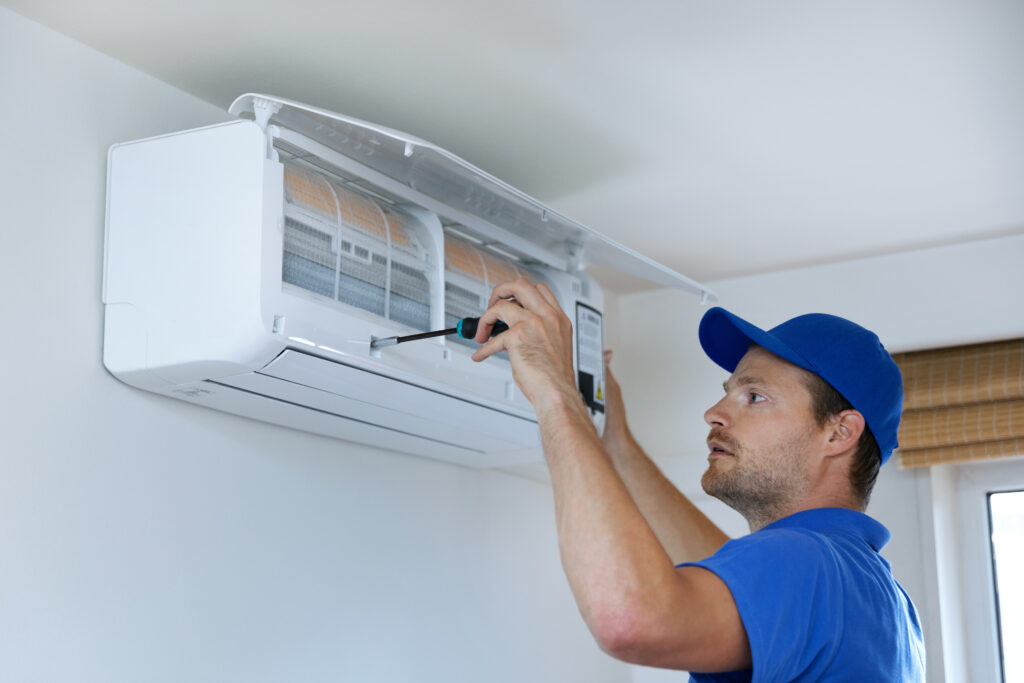
Electric lines must be safely routed and possibly upgraded to handle new lighting, outlets, and major appliances. Plumbing installation for kitchens and bathrooms might require trenching through the slab to connect to the home’s main water and sewage lines. Heating and cooling solutions may include extending existing ductwork, installing a ductless mini-split system, or a separate HVAC unit altogether. All of these components must pass code inspections and be professionally installed to qualify for long-term protection, often through a qualified home warranty policy.
Key Advantages of Converting a Garage
Aside from adding functional square footage, converting a garage opens the door to multiple long-term benefits. For homeowners in competitive real estate markets, the added livable space can raise a home’s resale value and broaden its buyer appeal. In regions with high rental demand, a garage apartment can generate reliable passive income. Multigenerational households can use converted garages to keep loved ones close while maintaining privacy and independence.
Another benefit is avoiding the hassle and red tape of major additions. In many municipalities, converting an existing structure can be faster and more affordable than building up or out. Finally, when completed with proper permits and compliance, garage apartments offer energy-efficient living with tailored climate control, modern materials, and reduced energy consumption—an appealing option for sustainability-conscious homeowners.
Common Challenges and Drawbacks
While the benefits of a garage conversion are significant, it’s not without its challenges. The most common obstacles include strict zoning regulations, permit requirements, and structural limitations of the original garage. Many older garages were never built with residential occupancy in mind, which means upgrades to insulation, wall thickness, roof structure, and foundation strength can add cost and complexity.
Additionally, moisture control and ventilation issues can arise during colder months, especially when garages are at ground level or below the main living area. If not properly addressed, these issues can lead to mold growth and long-term maintenance problems. And if systems like the HVAC or plumbing are subpar or overburdened, you risk performance issues or breakdowns that could have been prevented through thoughtful planning—and in some cases, protected with an appropriate home warranty plan.
The Role of a Home Warranty in Garage Apartments
Many homeowners overlook the role that a home warranty can play in safeguarding their garage conversion. When you expand your living space, you expand the overall demand on your systems—particularly heating, cooling, plumbing, and electrical. A home warranty that covers these systems can reduce financial exposure if something goes wrong after the space is occupied. For example, if your water heater serves both the main house and the new apartment, a failure could affect everyone. Coverage helps ensure a fast, affordable response.
Home warranties can also be tailored to address newly installed appliances in the apartment—whether it’s a wall-mounted AC unit, standalone dishwasher, or built-in microwave. These aren’t just convenience items; they’re essential components of an independent living space. With modern homes becoming more tech-enabled, warranty protection becomes even more critical in maintaining consistent performance and avoiding unexpected repair bills.
Important Considerations Before You Convert
Before calling in the contractors or diving into a DIY renovation, it’s important to investigate a few key areas. First, confirm what local zoning ordinances allow. Not all cities permit garage conversions, and some may require off-street parking, fire-rated walls, distinct utility metering, or minimum square footage standards. Check with local building departments to understand the full regulatory landscape.
Second, evaluate the state of the existing structure. Is the garage sound enough to support insulation, drywall, and windows? Are the foundation and roof up to modern residential standards? A professional home inspection can highlight structural repairs before conversion begins. Third, plan your utility routing and capacity. Home systems may need to be resized or extended, and a licensed contractor can provide proper load calculations to avoid overtaxing your existing infrastructure.
Project Cost and Return on Investment
The total cost of converting a garage into a livable apartment varies significantly based on location, scope, finishes, and code adherence. In general, estimates range from $30,000 to $100,000 for a high-quality conversion that includes kitchen and bathroom installation. While this may seem steep, the long-term value often justifies the investment. Homeowners have the option to earn steady rental income, house relatives without purchasing new property, or increase resale value by expanding functional space.
Some municipalities and utility providers offer grants or incentives for ADU construction, particularly when the new unit supports affordable housing or energy efficiency. Before beginning the project, it’s wise to explore these opportunities along with finance options, including home equity loans or refinancing packages designed to cover major home improvements.
Protecting Your Garage Apartment with Armadillo
Converting a garage into an apartment requires foresight, planning, and reliable systems—but maintaining that space is just as important as building it. That’s where Armadillo steps in. Our modern, tech-enabled home warranty plans help protect all the essential mechanical systems and appliances that make your garage apartment feel like home. From HVAC units to plumbing fixtures and beyond, Armadillo offers flexible, fast-acting coverage designed for homeowners who expect reliability.
Protect your investment, reduce repair stress, and add serious staying power to your property with a home warranty from Armadillo. Ready to get started? Build your plan in minutes at our plan builder here.