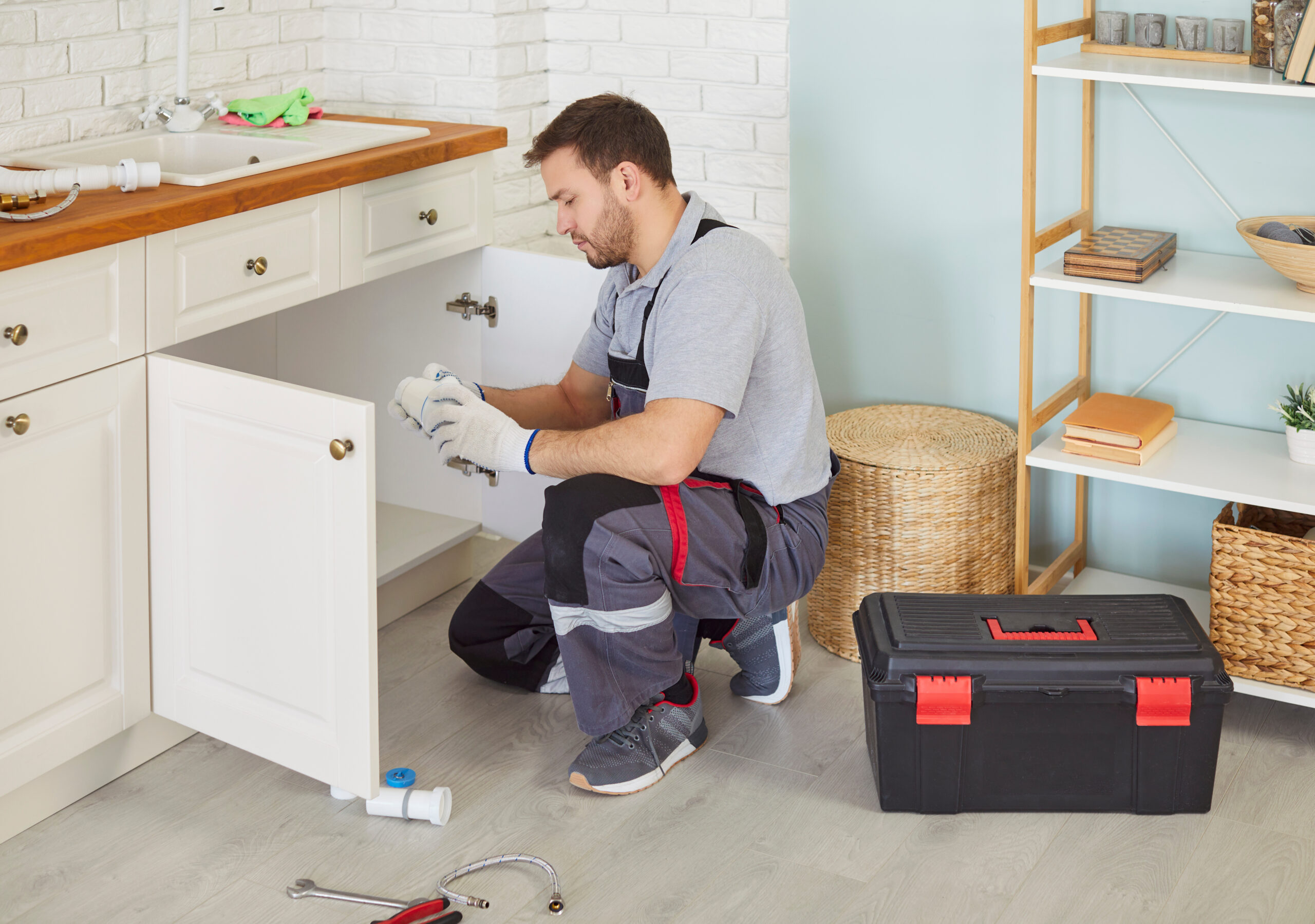
What Is a Garbage Disposal and Why Does It Matter in Your Home?
If you have one under your kitchen sink, you already know how convenient a garbage disposal can be. If you are considering adding one, you are probably wondering whether it is worth the investment. Either way, understanding how this small but hardworking appliance actually functions — and how it connects to your home’s broader plumbing system — is genuinely useful information for any homeowner. Garbage disposals are one of those things that most people take for granted until something goes wrong. And when something does go wrong, it tends to go wrong at the worst possible moment.
How a Garbage Disposal Actually Works
A garbage disposal is an electrically powered unit installed beneath your kitchen sink, directly connected to the drain opening. When you run water and activate the unit, a motor spins a grinding plate — sometimes called an impeller plate — at high speed. This plate uses centrifugal force to push food waste against a stationary grind ring, which breaks the material down into fine particles small enough to pass through your home’s drain pipes. There are no traditional blades involved, despite what many people assume. The system relies on grinding and force, not sharp cutting edges. Once the food is sufficiently broken down, it exits through the drain and moves into your home’s wastewater plumbing, just like any other water-based waste.
Types of Garbage Disposals You Should Know About
Not all garbage disposals are built the same way, and the differences matter depending on how you use your kitchen. The two main categories are continuous feed and batch feed models. Continuous feed disposals are the most common type — you turn them on, run the water, and feed waste in as needed. Batch feed models require you to load waste first, then cover the drain opening with a stopper to activate the unit. Batch feed disposals are generally considered safer because the opening is covered during operation, but they tend to be slower for everyday use. Motor strength is another important variable, typically measured in horsepower. Units range from around one-third horsepower on the lower end to one full horsepower or more for high-performance models. More horsepower generally means better performance with tougher food waste and less risk of jamming.
The Real Benefits of Having a Garbage Disposal
There are several legitimate reasons why garbage disposals remain a popular kitchen fixture across the country. Here is a quick look at what homeowners consistently appreciate most:
- Reduced food waste in your trash, which means fewer odors and less frequent bag changes
- Faster kitchen cleanup after meals and food prep
- Lower risk of drain clogs from small food particles sitting in the sink strainer
- More hygienic kitchen environment overall, since food scraps are eliminated quickly
- Potential environmental benefit, as processed food waste enters the wastewater treatment system rather than a landfill
That last point is worth noting. Some municipal wastewater systems are designed to capture organic material and convert it into energy or compost. In those areas, using a garbage disposal may actually be the more environmentally responsible choice compared to tossing food scraps into the trash.

Common Drawbacks and Limitations to Keep in Mind
Garbage disposals are useful, but they are not without their limitations. Understanding the drawbacks ahead of time will help you use the appliance correctly and avoid costly repairs. One of the most common issues is improper use — putting the wrong materials down the disposal. Hard items like bones, fruit pits, and shells can damage the grind ring or jam the motor. Fibrous foods like celery, artichokes, and corn husks can tangle around the impeller plate. Starchy foods like pasta and rice expand when wet and can create blockages further down the drain line. Grease and fats should never go into a disposal either, as they solidify inside pipes over time and cause serious clogs. Beyond misuse, disposals do have a finite lifespan, typically between eight and fifteen years depending on build quality and usage habits.
Proper Installation and Plumbing Requirements
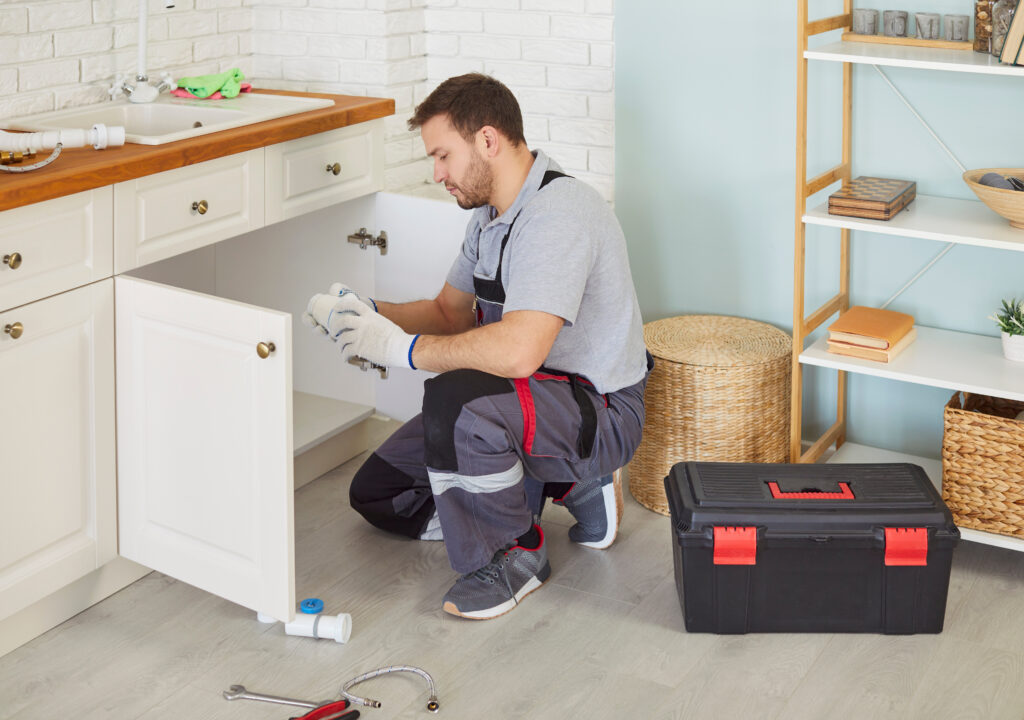
Installing a garbage disposal correctly requires attention to your existing plumbing setup. The unit connects to the sink’s drain flange and must also tie into the drain line properly to ensure water and ground waste flow without backing up. In kitchens with a dishwasher, the disposal often serves as a connection point for the dishwasher drain line as well, which requires a knockout plug to be removed during installation. Electrical requirements are another consideration — most disposals require a dedicated outlet under the sink or a hardwired connection, depending on the model. Local building codes vary, so checking with your municipality before installation is a smart move. Improper installation is one of the leading causes of early disposal failure and plumbing complications, so when in doubt, hire a licensed plumber.
How to Maintain Your Garbage Disposal the Right Way
Good maintenance habits extend the life of your disposal significantly and keep your kitchen drain running smoothly. Always run cold water before, during, and after using the disposal — cold water keeps grease solidified so it can be ground and flushed away rather than coating the inside of your pipes. Avoid letting the unit run dry, as this can cause the motor to overheat. Periodically cleaning the disposal with a mixture of ice cubes and coarse salt helps clean the grind ring without damaging it. Cutting a lemon or lime into small pieces and running them through the unit is a simple and effective way to neutralize odors. If the disposal hums but does not grind, it is likely jammed — most units include a reset button on the underside and an Allen wrench socket for manually freeing the plate.
When to Repair Versus Replace Your Garbage Disposal
Knowing when to fix something and when to replace it entirely is one of the most practical skills a homeowner can develop. For garbage disposals, minor issues like jamming, minor leaks from the reset button area, or a tripped reset are usually worth addressing with a simple repair. However, if the unit is leaking from the body or the sink flange, making grinding or rattling noises that persist after clearing a jam, or simply failing to start despite resetting — and it is more than ten years old — replacement is typically the more cost-effective route. A mid-range garbage disposal can be purchased for well under two hundred dollars, and installation is relatively straightforward for a qualified plumber.
Does a Home Warranty Cover Your Garbage Disposal?
This is a question that comes up more often than you might expect, and the answer depends entirely on the terms of your specific plan. Many home warranty plans do cover garbage disposals as part of a broader kitchen appliance or plumbing systems package. Coverage typically applies to mechanical failures that result from normal use — meaning the motor burns out, the unit stops functioning without clear cause, or internal components fail. What home warranties generally do not cover is damage caused by misuse, improper installation, or physical damage. Reading the fine print of any home warranty plan is essential, and knowing exactly which appliances and systems are included before you need to file a claim makes the whole experience far less stressful.
Why Armadillo Home Warranty Is the Right Partner for Kitchen and Plumbing Coverage
When a garbage disposal fails, the repair bill might seem minor on its own. But plumbing issues have a way of compounding — what starts as a jammed disposal can reveal a drain line problem, which points to a larger plumbing concern. That is exactly the kind of situation where having the right home warranty in place makes a real difference. Armadillo home warranty plans for kitchen appliances and plumbing systems are built to protect homeowners from the unexpected costs that come with everyday appliance and system failures. The coverage is straightforward, the claims process is designed to be simple, and the plans are priced to make sense for real homeowners with real budgets. If you want to stop worrying about what the next repair is going to cost you, now is a good time to get a free home warranty quote that covers your garbage disposal and more. Taking a few minutes to explore your options today could save you a significant amount of money the next time something stops working.

Frequently Asked Questions About Garbage Disposals
Here are answers to the questions homeowners ask most often about garbage disposals, how they work, and how to care for them properly.
What should you never put down a garbage disposal?
Avoid putting grease, oil, and fats down the disposal, as they solidify inside pipes and cause clogs. Fibrous foods like celery and artichoke leaves, starchy foods like pasta and rice, hard items like bones and fruit pits, and non-food items should all be kept out of the disposal.
How long does a garbage disposal typically last?
Most garbage disposals last between eight and fifteen years. Units with higher horsepower motors and better build quality tend to last longer, particularly when used correctly and maintained regularly.
Why is my garbage disposal humming but not working?
A humming disposal that does not grind is usually jammed. The motor is receiving power but the grinding plate cannot rotate. Use the Allen wrench socket on the underside of the unit to manually free the plate, then press the reset button before attempting to run it again.
Is it better to use cold or hot water when running the disposal?
Cold water is the correct choice. It keeps fats and grease in a solidified state so they can be ground up and flushed through the drain. Hot water can cause grease to liquefy, which allows it to coat and eventually clog the pipes downstream.
Can a garbage disposal cause drain clogs?
Yes, if used improperly. Putting starchy, fibrous, or greasy materials down the disposal can lead to buildup and clogs in the drain line. Using cold water consistently and avoiding problematic food types significantly reduces this risk.
Does a home warranty cover garbage disposal repairs?
Many home warranty plans include garbage disposals under kitchen appliance or plumbing coverage. Coverage typically applies to mechanical failure from normal use. Damage from misuse or improper installation is generally excluded, so reviewing your specific plan terms is important.
How do I get rid of odors coming from my garbage disposal?
Running small citrus pieces like lemon or lime through the disposal is an effective and natural deodorizing method. You can also use a mixture of baking soda and white vinegar periodically to clean the interior surfaces and neutralize odors at the source.
Can I install a garbage disposal myself?
Homeowners with basic plumbing and electrical knowledge can install a disposal, but professional installation is recommended for best results. Improper installation can lead to leaks, electrical issues, or voided warranties, so hiring a licensed plumber is a wise investment.
What size garbage disposal motor do I need for my home?
A one-third to one-half horsepower motor is sufficient for light, occasional use in smaller households. Families that cook frequently or produce more food waste will benefit from a three-quarter to one horsepower unit, which handles tougher materials with less risk of jamming.
Is a garbage disposal worth having in a home?
For most homeowners, yes. A garbage disposal reduces food waste buildup in the trash, keeps the kitchen cleaner and more hygienic, and simplifies post-meal cleanup. When used correctly and maintained regularly, it provides reliable convenience for well over a decade.