What Is a Gas Cooker Gas Connection and Why Does It Matter?
If you have a gas cooker in your home, there is a dedicated gas supply line running behind or beneath it that makes the whole thing work. That connection — the physical link between your home’s gas supply and the appliance itself — is called the gas cooker gas connection. It sounds simple enough, and in many ways it is. But it is also one of those things in your home that deserves a fair amount of respect and attention, because when it works well, you never think about it. When it does not, you know immediately. Understanding how this connection functions, what can go wrong, and how a home warranty fits into the picture can save you a significant amount of stress and money over time.
How the Gas Cooker Connection System Actually Works
Your gas cooker connects to the home’s main gas supply line through a dedicated branch line, usually located behind the range. This branch line typically includes a shut-off valve — sometimes called an isolation valve — that allows you or a technician to cut the gas supply to just the cooker without affecting the rest of the home. From that shut-off valve, a flexible gas connector (often a corrugated stainless steel tube) bridges the gap between the fixed piping and the appliance itself. That flexible section exists because cookers get moved occasionally — pulled out for cleaning, repositioned during a kitchen renovation — and rigid pipe alone cannot accommodate that kind of movement safely. The flexible connector attaches to the cooker’s gas inlet, and from there, the gas travels to the burners or oven components as needed. The system also integrates with your cooker’s ignition system, whether that is an electronic spark or a standing pilot light, depending on the age and model of the appliance.
Key Components Involved in a Gas Cooker Connection
There are several distinct parts involved in a complete gas cooker gas connection, and knowing what each one does helps you have more informed conversations with technicians and understand what might need attention over time.
- Main gas supply line: The primary pipe that carries natural gas or propane into your home from the utility provider or storage tank.
- Branch line: A secondary pipe that diverts gas specifically toward the kitchen and the cooker.
- Isolation valve: A manual shut-off that controls gas flow to the cooker independently.
- Flexible gas connector: The corrugated metal tube that connects the fixed piping to the moveable appliance.
- Gas inlet fitting: The point on the cooker itself where the connector attaches.
- Pressure regulator: Ensures gas reaches the burners at the correct and consistent pressure for safe combustion.
Advantages of a Gas Cooker and Its Connection Setup
Gas cookers have remained a preferred choice for many homeowners for good reason. The connection setup, while requiring professional installation, delivers a cooking experience that electric alternatives have historically struggled to match. Gas burners offer instant, visible heat that responds immediately to adjustments, giving cooks precise temperature control that is difficult to replicate. For baking and roasting, gas ovens tend to distribute heat with a slight moisture component that many find produces better results with certain foods. From a cost perspective, natural gas has frequently been less expensive than electricity in many regions, meaning daily cooking costs can be lower over time. The infrastructure itself — once properly installed — is also quite durable, with components designed to last for many years with minimal maintenance when the system is correctly set up and periodically inspected.
Common Drawbacks and Risks to Be Aware Of
No home system is without its complications, and the gas cooker connection is no exception. The most significant concern is safety. Gas leaks, while not common in well-maintained systems, are serious hazards that require immediate attention. A damaged or aging flexible connector is one of the more frequent culprits, as these components can corrode or crack over time — particularly older models made from materials that are no longer recommended. Improper installation is another real risk. Gas connections should always be handled by a licensed professional, and DIY attempts can lead to fitting issues that are not immediately obvious but dangerous nonetheless. There is also the matter of carbon monoxide, a colorless, odorless byproduct of incomplete gas combustion. Faulty burners or poor ventilation can lead to unsafe indoor air quality. Regular appliance checks and a functioning carbon monoxide detector in the kitchen area are non-negotiable parts of responsible gas cooker ownership.

Signs Your Gas Cooker Connection May Need Attention
Knowing what to watch for can make the difference between catching a small issue early and dealing with a much larger problem later. The smell of rotten eggs near the cooker is the most recognized warning sign, as gas companies add a sulfur-based odorant to natural gas specifically so leaks can be detected. Beyond that, pay attention to burners that ignite inconsistently, flame colors that have shifted from blue to yellow or orange, hissing sounds near the connection point, or an unexplained spike in your gas bill. Any of these can indicate a problem with the gas supply, the connectors, the burners, or the pressure regulation. If you notice any of these signs, the right call is to shut off the isolation valve, ventilate the area, and contact a licensed gas technician rather than attempting to investigate it yourself.
Professional Installation and Inspection Best Practices
The gas cooker connection is not a project for a motivated weekend DIYer. In most jurisdictions, it is actually illegal for unlicensed individuals to work on gas lines, and for good reason — the margin for error is narrow and the consequences of mistakes are severe. When having a new cooker installed or an existing connection inspected, always work with a licensed plumber or gas fitter. Ask for documentation of the work performed, confirm that the flexible connector being used meets current safety standards, and ensure the isolation valve is accessible and functioning. Inspections are recommended every few years even when there are no visible problems, particularly if the home is older or the connection has not been evaluated since the original installation. Think of it as preventive maintenance for a component that rarely announces its problems before they become serious.
How Home Warranties Relate to Gas Cooker Connections
This is where things get practical. Gas cooker components — including internal parts like igniters, burner valves, oven control boards, and thermostats — are the kinds of things that fail over time through normal use. A home warranty plan that covers kitchen appliances can step in to cover repair or replacement costs when these components break down, protecting you from out-of-pocket expenses that can add up quickly. It is important to understand what a home warranty does and does not cover. Most plans cover mechanical failures of covered appliances but do not cover the gas line infrastructure itself, which falls under homeowners insurance or utility responsibility depending on the specifics. Reading the terms carefully matters, and working with a warranty provider that communicates those terms clearly is equally important.
Practical Tips for Gas Cooker Connection Maintenance
Keeping your gas cooker connection in good condition does not require much, but it does require consistency. A few straightforward habits can extend the life of the system and reduce the likelihood of unexpected failures.
- Schedule a professional gas appliance inspection every two to three years, or sooner if the home is older or the connection has never been evaluated.
- Install a carbon monoxide detector in or near the kitchen and test it monthly.
- Know the location of your isolation valve so you can shut off gas to the cooker quickly if needed.
- Never use an open flame to check for gas leaks — use a gas leak detector solution or call a professional.
- Avoid pushing the cooker hard against the wall, which can stress or kink the flexible connector.
- Replace flexible connectors that show any signs of corrosion, damage, or age — these are not lifetime components.
Why Armadillo Is the Right Partner When Your Gas Cooker Needs Help
When a gas cooker component fails, the last thing any homeowner wants is to navigate repair costs alone or spend hours hunting for a reliable technician. That is exactly the kind of situation a home warranty plan is built for. Armadillo home warranty coverage for gas appliances and kitchen systems is designed to give homeowners real protection against the unpredictable costs that come with appliance breakdowns — without the confusing fine print or the runaround. Armadillo keeps things straightforward: transparent coverage, a network of qualified service professionals, and a claims process that does not feel like a second job. If your gas cooker’s igniter fails, a burner valve stops working, or the oven stops holding temperature, Armadillo is the kind of coverage that actually shows up when you need it. Taking a few minutes now to understand your options could save you hundreds of dollars and a lot of frustration down the line — so it is worth considering getting a home warranty quote that includes gas cooker appliance protection before the next unexpected repair finds you.

Frequently Asked Questions About Gas Cooker Gas Connections
These are the questions homeowners ask most often when it comes to understanding, maintaining, and protecting their gas cooker connection.
Can I connect a gas cooker myself without hiring a professional?
In most areas, connecting a gas cooker requires a licensed gas fitter or plumber. Attempting to do it yourself is not only dangerous but may also be illegal under local building codes and could void your homeowners insurance.
How long does a flexible gas connector typically last?
Most flexible gas connectors are rated for a service life of around 10 to 20 years, but this varies by material and usage conditions. Corrugated stainless steel connectors are considered the current standard and tend to be more durable than older aluminum or uncoated options.
What should I do if I smell gas near my cooker?
Do not use any electrical switches, open flames, or phones inside the home. Shut off the isolation valve if it is safe to do so, open windows, leave the property, and call your gas utility provider or emergency services from outside.
Does a home warranty cover gas line repairs for a cooker?
Home warranties typically cover the internal mechanical components of the gas cooker itself, such as igniters, burner valves, and control boards. Gas line infrastructure is generally the responsibility of the homeowner’s insurance policy or the utility provider, depending on where the line is located.
What color should the flame on my gas burner be?
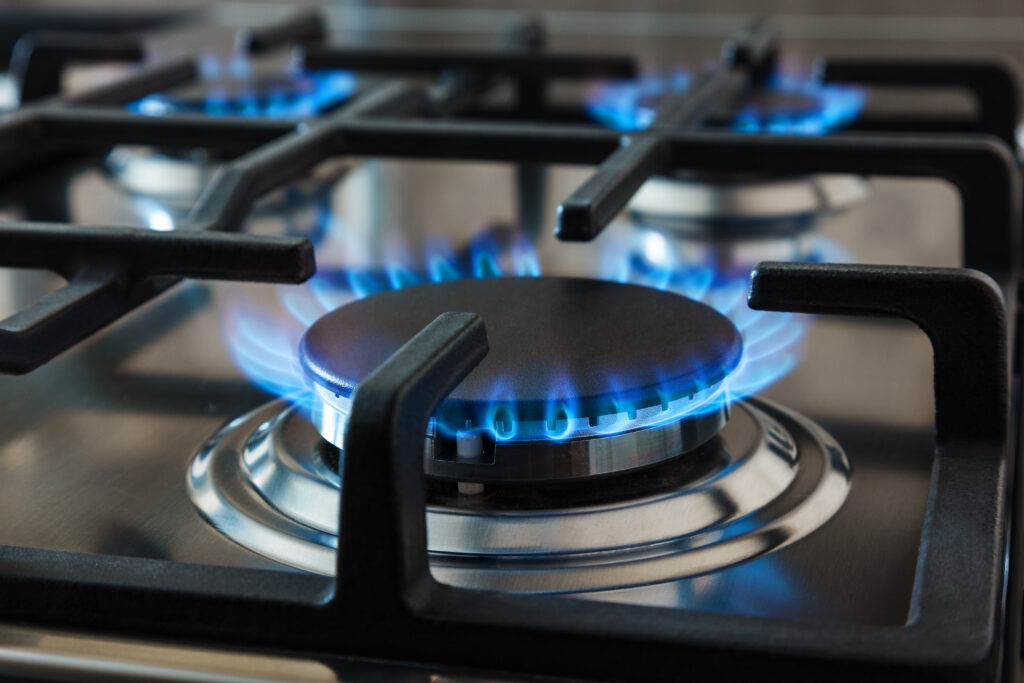
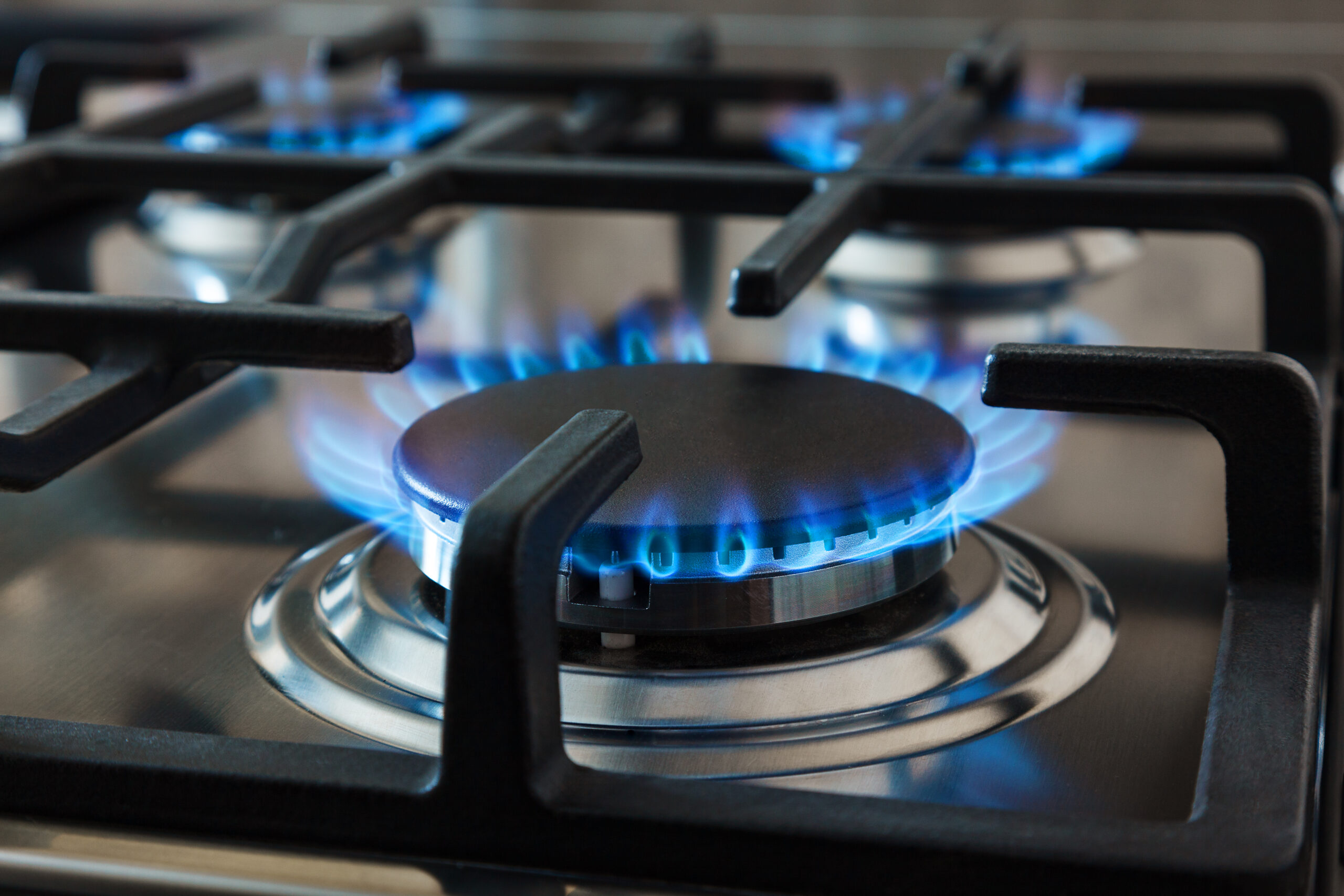
A healthy gas burner produces a steady, predominantly blue flame. Yellow, orange, or flickering flames can indicate incomplete combustion, a dirty burner, or a gas supply issue, and should be evaluated by a licensed technician.
How often should a gas cooker connection be professionally inspected?
A professional inspection every two to three years is a reasonable baseline. If the home is older, the connection has not been inspected recently, or you notice any performance changes in the cooker, schedule an inspection sooner rather than later.
Is it safe to use a gas cooker during a natural gas outage?
No. If your gas supply has been shut off due to an outage or emergency, do not attempt to use the cooker. Wait for the utility provider to restore service and confirm that it is safe to resume use before relighting pilots or operating burners.
What causes a gas cooker igniter to stop working?
Common causes include food debris or moisture around the igniter tip, a worn or cracked igniter, a faulty spark module, or a wiring issue. In many cases, cleaning the igniter area resolves the problem, but persistent ignition failure typically requires a replacement part installed by a technician.
Can a gas cooker be converted from natural gas to propane?
Many gas cookers can be converted between natural gas and propane using a conversion kit specific to the model. This work should always be performed by a licensed professional, as the burner orifices and pressure regulator settings differ between the two fuel types.
What is an isolation valve and where is it located on a gas cooker connection?
An isolation valve is a manual shut-off that controls gas flow to the cooker independently of the rest of the home’s gas supply. It is typically located behind or beside the cooker on the branch supply line and is designed so that one quarter turn of a flat-head tool or lever closes the gas flow completely.