Understanding Gas Fireplaces: A Homeowner’s Guide to Efficiency, Safety, and Warranty Coverage
As fall arrives and the days grow shorter, the fireplace quickly becomes the heart of the home. It’s more than seasonal decor—it’s a gathering point, a source of warmth, and increasingly, a feature homeowners seek to understand, maintain, and protect. Among the most common fireplace options today is the gas fireplace. For homeowners navigating home improvement and keen on making cost-conscious decisions, it’s worth fully understanding how gas fireplaces work, their benefits, potential shortcomings, and how they tie into overall home system maintenance—especially through the lens of home warranty protection.
What Is a Gas Fireplace?
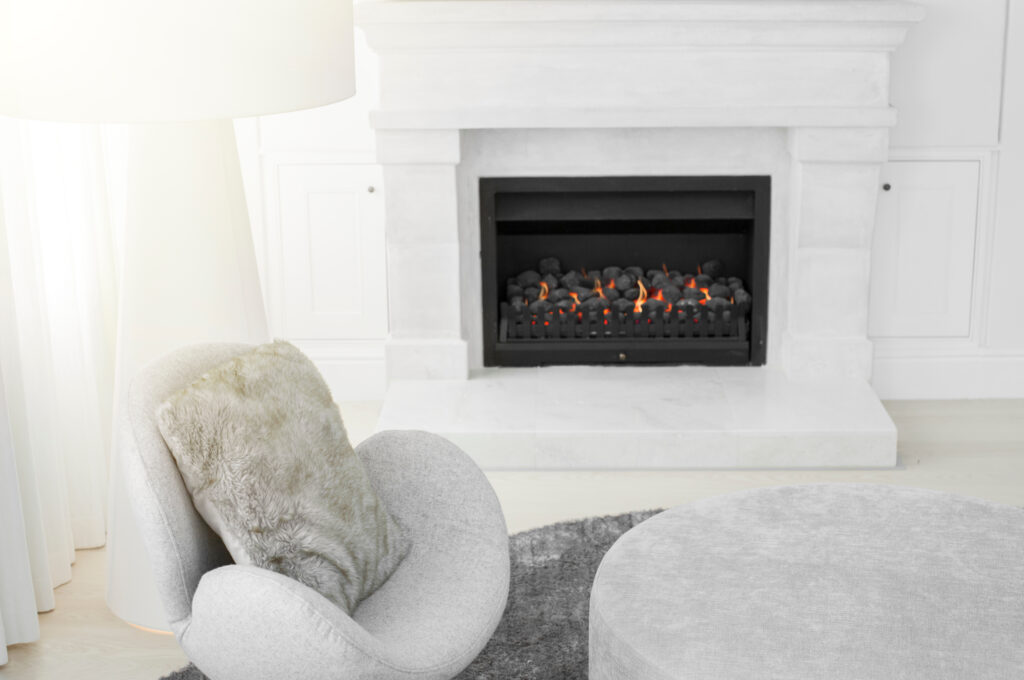
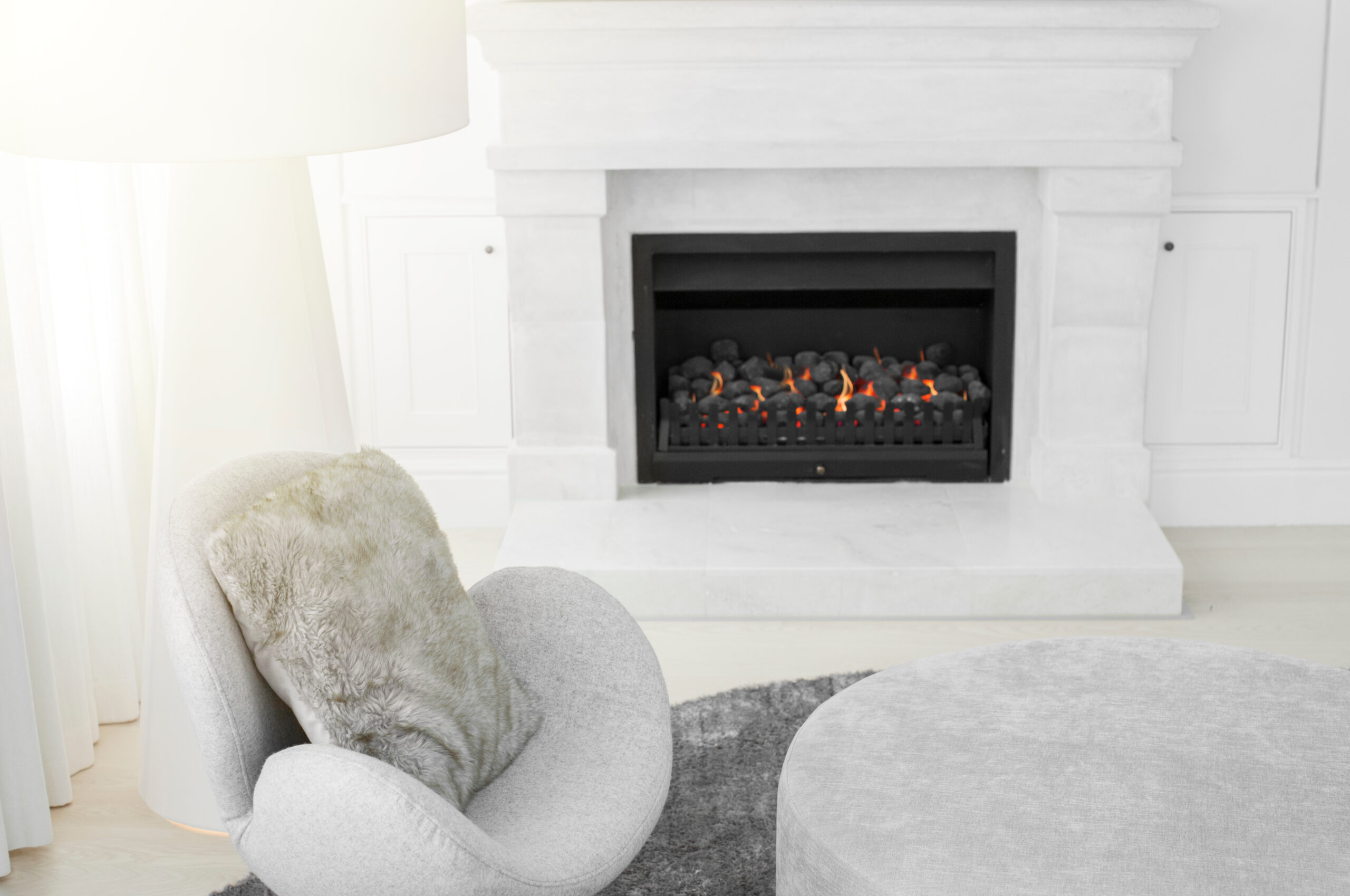
A gas fireplace is a heating appliance that uses natural gas or propane as fuel to produce flames and heat. Visually, it mimics the aesthetic of a wood-burning fire but adds the convenience of push-button startup, consistent heat output, and minimal maintenance. Many modern gas fireplaces use ceramic logs or glass embers to create a realistic flame pattern, offering charm without the mess of ash or smoke.
Available in various configurations, gas fireplaces can be installed as inserts in existing wood-burning fireplaces, built-in units for new construction or remodels, or freestanding units. They typically rely on either direct-vent systems, which channel exhaust gases outside through a dual-layer pipe, or vent-free systems, which release combustion byproducts directly into the room. Each configuration serves a functional need and carries performance expectations that homeowners should weigh carefully before installation.
How Gas Fireplaces Work
At their core, gas fireplaces operate using a fuel line connected to a pilot light or electronic ignition system. When turned on—either via a switch, remote, or thermostat—the unit opens the gas valve, allowing fuel to reach the burner. The resulting ignition creates flames, which then heat ceramic logs, metal grates, or other radiant materials that help distribute heat into the room. In direct-vent systems, a sealed combustion chamber draws in outside air and expels exhaust, ensuring greater efficiency and indoor air quality. In contrast, vent-free models depend on the room’s air supply and regulate their output more conservatively due to safety limits on emissions.
Many homeowners are drawn to the practicality of gas fireplaces. Unlike wood-burning installations, which require manual fire-stoking and chimney cleaning, gas fireplaces promise clean, easily-managed heating. Still, they are complex systems, with electronic components, fuel lines, thermocouples, and safety valves. Each of these components must function seamlessly to ensure safe operation, which makes warranty coverage a crucial consideration.
Energy Efficiency and Performance Benefits
Gas fireplaces are known for their energy efficiency, especially when compared to traditional wood-burning options. On average, a gas fireplace operates at 70 to 90 percent heating efficiency. Wood-burning fireplaces, by contrast, can lose up to 80 percent of their heat output through the chimney. This makes gas models more suitable not just for ambiance, but for supplemental heating, particularly in zone heating strategies that allow homeowners to warm only occupied rooms.
Another major advantage lies in operational control. Homeowners can adjust flame size, heat output, and even automate usage using programmable thermostats or smart home technology. In many units, built-in fans or blowers circulate warm air throughout the room, increasing overall effectiveness. With rising concerns about energy costs and sustainability, the ability to fine-tune heating without overburdening HVAC systems makes gas fireplaces an economical, environmentally friendly choice for many households.
Installation Considerations and Common Drawbacks
As appealing as gas fireplaces are, there are trade-offs. First, installation isn’t plug-and-play. Connecting fuel lines, meeting local code requirements, and configuring vents or exhaust systems all require professional work. The cost of installation can range significantly depending on the style—freestanding versus built-in, vented versus vent-free—and whether retrofitting is involved. Homeowners in older homes may face additional costs for upgrades or reinforcement.
Vent-free models, while simpler to install, come with restrictions. Because they exhaust indoors, they must be carefully matched to room size and ventilation conditions. Some state building codes restrict or prohibit vent-free fireplaces altogether due to air quality concerns. Additionally, any combustion-based system introduces safety risks. Though rare with properly maintained equipment, gas leaks, carbon monoxide accumulation, or ignition irregularities can pose serious hazards.
Routine inspections, replacement of worn ignition parts, and occasional recalibration are necessary to ensure safe and consistent use. Homeowners relying on their gas fireplace throughout fall and winter need to remain proactive with maintenance—and that’s precisely where a home warranty can provide peace of mind.
The Role of Home Warranties in Gas Fireplace Protection
Most manufacturer warranties cover gas fireplace components for only a year or two. After that, homeowners typically shoulder the repair or replacement costs—sometimes unexpectedly. A comprehensive home warranty plan steps in to mitigate the financial burden associated with covered component failures. If something stops working due to normal wear and tear, the warranty provider coordinates the repair with qualified technicians and covers the associated costs, up to plan limits.
With gas fireplaces, common covered components can include the ignition system, thermocouple, pilot assembly, burners, gas valves, and thermostatic controls. A warranty won’t eliminate the need for seasonal cleaning or inspections, but it does offer a reliable safety net when essential heating components fail—especially in colder seasons when fireplace use peaks and repair schedules are tight.
Tips for Maintaining Your Gas Fireplace
Homeowners willing to invest a modest amount of time and effort can extend the life of their gas fireplace and maintain peak performance. Start with an annual inspection by a certified technician, ideally scheduled in early fall before consistent use. This inspection should cover burner function, gas flow integrity, sensor calibration, and vent condition. Dust, soot, or spider webs can clog burner ports, and corrosion around valves is not uncommon, especially in humid climates.
Between professional visits, visual checks help. Monitor the color and consistency of the flame—blue is ideal. Yellow or orange flames can indicate incomplete combustion or obstructions. Keep the exterior glass and vent pathways clean, and test your carbon monoxide detectors monthly. Some homeowners schedule pilot light inspections or leave them lit year-round to avoid wear from repeated ignition. Decisions like these vary by model, so always consult your manufacturer manual or service provider.
Is a Gas Fireplace Right for Your Home?
Choosing a fireplace is both a design decision and a functional upgrade. For households that value convenient, efficient heat and steady operation, gas fireplaces offer considerable advantages over wood or electric alternatives. They pair especially well with open-concept layouts or properties reliant on zone heating strategies. However, considerations such as installation complexity, local regulations, and ongoing maintenance should figure into the decision-making process.
Gas fireplaces are a smart investment, but they do require thoughtful ownership. Including one under a home warranty plan is a strategic way to ensure heating performance meets expectations year after year without unplanned out-of-pocket costs.
Protect Your Fireplace—and More—with Armadillo
As cooler weather settles in and your gas fireplace becomes a daily essential, consider how much easier home maintenance becomes with the right protection in place. An Armadillo home warranty offers comprehensive coverage options for gas fireplace systems and other key home components, from heating and cooling to appliances, plumbing, and electrical.
We make it simple for homeowners to protect what matters most, without unnecessary complexity or limitations. If you’re thinking of adding reliable protection to your home systems this season, Armadillo is ready whenever you are. Explore our coverage options at armadillo.one or get a personalized quote to get started right here.