Understanding Gas Fireplaces: A Guide for Homeowners
As the crisp air settles in and leaves start their annual transformation, the warmth and charm of a fireplace often become the centerpiece of seasonal gatherings. Fall is when families naturally gravitate toward the hearth, making it the right time to consider how your fireplace contributes to home comfort, efficiency, and maintenance. If you’re a homeowner thinking about installing, upgrading, or simply maintaining your gas fireplace, understanding how it works—and how it fits into your overall home protection strategy—is essential.
What Is a Gas Fireplace?
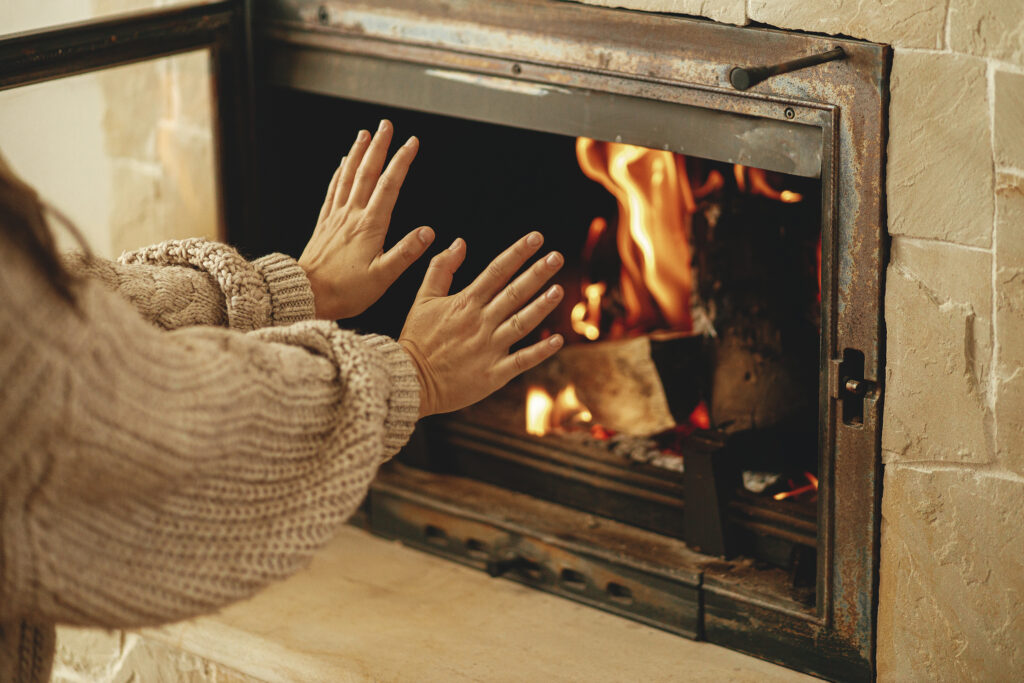
A gas fireplace is a heating appliance that provides heat and ambiance using natural gas or propane as fuel. Unlike traditional wood-burning fireplaces, which require firewood, constant tending, and eventual ash cleanup, gas fireplaces offer convenience with the push of a button or flip of a switch. They mimic the appearance of a real wood fire through ceramic logs designed to glow and flicker. Most models come equipped with built-in safety features and remote control functionality, making them a favored upgrade for homeowners seeking both form and function.
How a Gas Fireplace Works
The design of a gas fireplace is deceptively simple but effective. Gas is piped through a dedicated fuel line to the fireplace unit, where it is ignited through a pilot light or electronic ignition system. Ceramic logs or glass beads are arranged over the gas burner, creating a visually realistic flame. A sealed glass front traps combustion gases while still allowing radiant heat to escape into the room. Venting systems vary—some units use a direct vent to carry fumes outside, while vent-free models are designed to operate safely indoors without a chimney. Thermostats or remote controls help maintain specified temperatures, enhancing home comfort and energy efficiency.
The Advantages of a Gas Fireplace
One of the top advantages of a gas fireplace is its ease of use. Lighting a fire becomes a matter of flipping a switch—no matches, no logs, no cleanup. It’s an efficient supplemental heat source, particularly in high-traffic living areas, reducing dependence on central heating systems. Compared to wood-burning models, gas fireplaces burn cleaner, emitting fewer particulates and requiring less maintenance. Their design flexibility also means they can fit a variety of home styles, from traditional mantels to minimalist built-ins. For families, safety is another key benefit: most models include units with cool-touch glass and auto shut-off sensors to prevent overheating or gas leaks.
Common Drawbacks and Considerations
Despite their benefits, gas fireplaces come with limitations. Installation costs can be significant, especially when adding gas lines or retrofitting an existing space. Vent-free models, while cost-effective, are banned or restricted in some jurisdictions due to air quality regulations. There’s also a tradeoff in the experience—they don’t provide the same crackle, scent, or unpredictability of a wood-burning fire. Lastly, although maintenance is lower overall, gas fireplaces still require annual inspections and occasional service to keep igniters and vents functioning correctly. Homeowners should factor in these operational needs when considering ownership.
Gas Fireplace Maintenance Basics
Routine maintenance ensures your gas fireplace delivers reliable, safe performance year after year. Start each fall by scheduling a professional inspection to check for leaks, verify clear vent paths, and clean internal components. It’s also wise to perform basic maintenance yourself: gently wipe the glass panel with a fireplace-safe cleanser, vacuum dust from around the burner and logs, and test your carbon monoxide detectors frequently. If your unit uses batteries for ignition or operation, replace them annually. By adopting a consistent care schedule, you not only extend the life of the appliance, but you protect your household from avoidable safety hazards.
Why a Home Warranty Matters for Fireplace Systems
Gas fireplaces are often overlooked in typical homeowner maintenance checklists, yet the failure of even a single component—ignition switch, gas valve, thermocouple—can suddenly render the unit useless and potentially unsafe. That’s where a home warranty becomes a strategic safeguard. Coverage for built-in home systems, including gas fireplaces, ensures you’re not caught off guard by repair costs, replacement delays, or service confusion. Many warranty providers exclude specific components or charge upfront for diagnostics. Opting for comprehensive coverage from a trusted provider helps streamline the service process in a repair situation. This kind of foresight is especially valuable during the colder months when heating becomes non-negotiable.
Practical Tips for Homeowners Considering a Gas Fireplace
If you’re evaluating whether a gas fireplace is right for your home, start with placement. Consider high-use locations where supplemental heat will add the most comfort. Be realistic about budget—it’s not just the unit cost, but also installation, fuel supply, and potential electric upgrades. Choose between direct vent and vent-free based on house zoning laws and ventilation options. Think ahead about ongoing costs, such as annual servicing and potential repairs. Finally, timing matters: fall is a peak season for fireplace installations, so scheduling early improves availability for technicians and may offer seasonal discounts.
Protect Your Fireplace Investment with Armadillo
As you enjoy the benefits of a warm and welcoming hearth this fall, remember that protection is part of long-term peace of mind. A home warranty plan from Armadillo gives you customized, hassle-free coverage for central home systems, including eligible built-in gas fireplaces. With straightforward pricing, digital-first service, and no-nonsense claims processing, Armadillo transforms traditional warranties into smart home protection. Don’t wait until winter puts your heating systems to the test. Get started now with a plan tailored to your home’s unique needs by visiting the Armadillo plan builder.