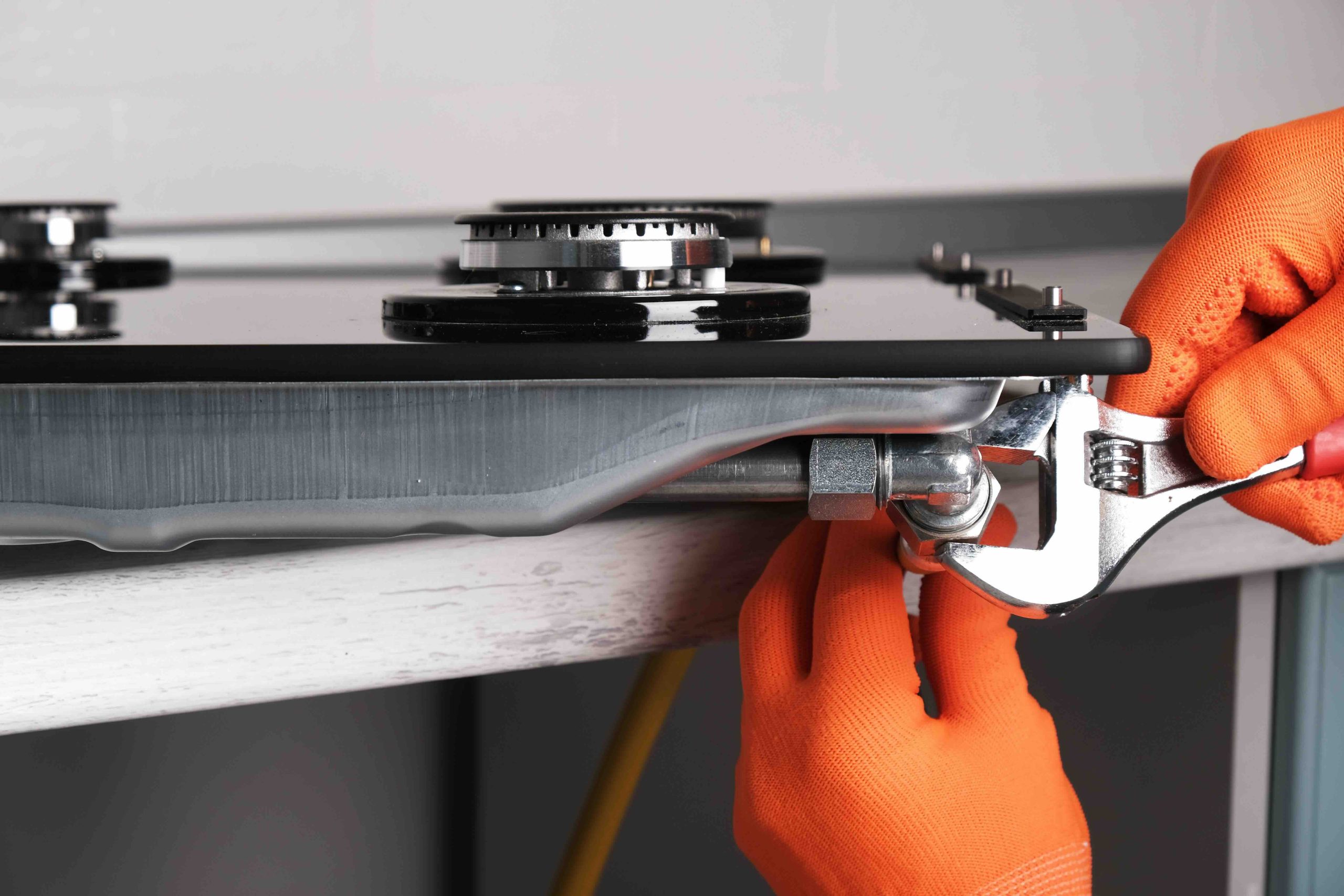
Why Your Gas Hob Won’t Light and What to Do About It
There are few things more frustrating than standing in the kitchen, dinner half-prepped, and realizing your gas hob just will not cooperate. You turn the knob, hear a click, maybe smell a faint trace of gas, and then nothing. No flame. Just that repetitive clicking sound mocking you from across the countertop. It happens more often than most homeowners expect, and the good news is that the cause is usually something straightforward. The better news is that knowing what to look for can save you a service call — or at least help you have a smarter conversation when you do need one.
How a Gas Hob Ignition System Actually Works
Before diving into what goes wrong, it helps to understand what is supposed to go right. A gas hob relies on a spark ignition system to light the burner. When you press and turn the control knob, two things happen simultaneously: gas is released through the burner, and an electrical spark is generated at the igniter tip. That spark ignites the gas, and you get a flame. It sounds simple because it mostly is. The igniter is typically ceramic, and it sits right next to the burner cap. A small electrode sends the spark. The burner cap disperses the gas evenly so the flame spreads in a consistent ring. When all of those components are clean, properly aligned, and functioning, the whole thing works without a second thought. When even one element is off, the entire system can fail to ignite.
The Most Common Reasons a Gas Hob Will Not Light
Most ignition failures come down to a handful of culprits, and the majority of them are maintenance-related rather than mechanical failures. Here is what to check first:
- Moisture or food debris blocking the igniter — this is the number one cause and usually the easiest fix
- A misaligned or improperly seated burner cap after cleaning
- A faulty or worn igniter electrode that no longer produces a consistent spark
- Clogged burner ports that prevent adequate gas flow
- A tripped circuit or blown fuse affecting the ignition system’s electrical supply
- A defective spark module that controls the ignition sequence
- Low or interrupted gas supply from the main line or valve
Start with the simplest possibilities. Lift the burner cap, inspect the igniter, and check whether anything is visibly dirty, wet, or out of place. More often than not, a quick dry and reset is all it takes.
Moisture Is the Quiet Culprit Behind Most Ignition Problems
This one deserves its own section because it surprises so many homeowners. Boil-overs, steam from cooking, even condensation can work their way into the igniter area and prevent the spark from forming. If your hob was working fine yesterday and is not lighting today — and you recently cooked something that bubbled over — moisture is probably the issue. The fix is straightforward: remove the burner cap and grate, dry the igniter tip and surrounding area thoroughly with a clean cloth, and let it air out for ten to fifteen minutes before trying again. A hair dryer on a low setting can help speed things along. Do not use harsh chemicals or spray cleaners near the igniter. They can leave residue that creates the exact same problem you are trying to solve.
When It Is a Burner Cap Alignment Issue
A lot of ignition problems trace back to a cleaning session. You disassemble the hob to wipe it down, and when you put everything back, the burner cap is slightly off-center or upside down. It looks fine at a glance. But the burner cap needs to sit perfectly flush and aligned to allow gas to flow through the ports evenly and reach the igniter. Even a few millimeters of misalignment is enough to cause failed ignition or a weak, uneven flame. Check that the cap is fully seated, that the slots or indentations match up with the corresponding grooves on the burner base, and that nothing is wobbling. Some caps are labeled or notched to indicate proper orientation — worth checking if yours has those markings.

Checking the Igniter Electrode for Damage or Wear
If moisture and alignment are not the issue, the next step is looking at the igniter electrode itself. This is the small ceramic pin or tip that generates the spark. Over time, electrodes can crack, accumulate carbon buildup, or simply wear out. A cracked ceramic casing is a clear sign the component needs replacement. Carbon buildup can sometimes be gently removed with a soft-bristled toothbrush — never a metal brush or anything abrasive that could damage the ceramic. If you can see the spark when the ignition is activated but the burner still will not light, the issue may be with gas flow rather than the igniter. If there is no spark at all, the electrode or the spark module is likely the problem.
When the Problem Is Electrical, Not Mechanical
Gas hobs with electronic ignition rely on a small electrical system to generate sparks. That means a blown fuse or tripped circuit breaker can kill your ignition entirely, even though the gas supply is perfectly fine. Check your home’s electrical panel for any tripped breakers associated with the kitchen or range. Also verify that the hob’s power connection is secure. If multiple burners are failing to spark at the same time, that is a strong indicator the spark module — the component that controls ignition across all burners — may have failed. Spark module replacement is not a DIY job for most homeowners, and it is exactly the kind of repair where a home warranty starts to earn its keep.
Gas Supply Problems That Mimic Ignition Failure
Sometimes the igniter works exactly as it should — you can see or hear the spark — but there is no gas reaching the burner to catch. This could be caused by a blocked burner port, a kinked or damaged supply line, or a gas valve that has not been fully opened. Make sure the gas shut-off valve behind or beneath the appliance is in the open position. Check whether other gas appliances in the home are working normally, which would confirm that the main supply is fine and the issue is isolated to the hob. Blocked burner ports can usually be cleared with a straightened paperclip or a thin pin — never a toothpick, which can break off inside the port and create a worse problem.
When to Call a Professional and Stop Troubleshooting
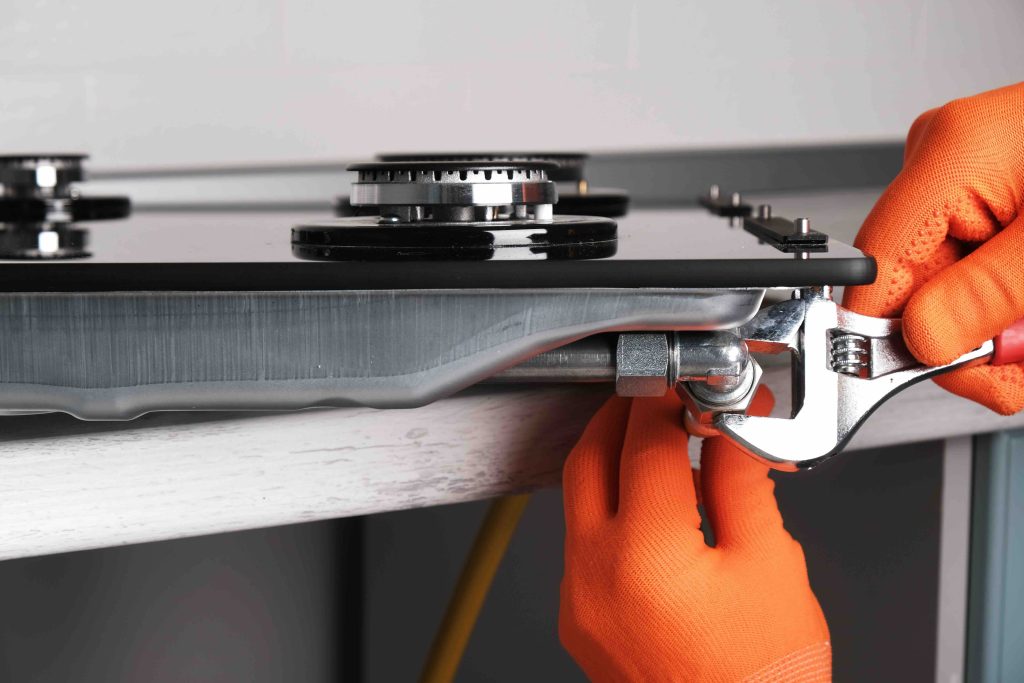
There is a clear line between homeowner-level troubleshooting and repairs that require a licensed technician. If you smell gas and the hob will not light, stop everything, ventilate the space, and do not attempt any ignition. If you have worked through the basic checks and nothing has resolved the issue, it is time to bring in a professional. Gas appliance repairs involving internal components, supply lines, or valves should always be handled by someone qualified. Attempting a repair beyond your skill level on a gas appliance is not a risk worth taking. A service call may feel inconvenient, but it is the right call when the fix moves beyond surface-level maintenance.
How a Home Warranty Can Cover Your Gas Hob Repairs
When the problem turns out to be a failed spark module, a faulty igniter assembly, or a defective control valve, repair costs can climb quickly — and that is exactly where a home warranty delivers real value. Gas hob breakdowns caused by normal wear and tear are typically covered under a comprehensive home warranty plan, meaning you call your provider, file a claim, and a qualified technician is dispatched without you having to source one yourself or negotiate a repair bill from scratch. If you are looking for straightforward, reliable coverage for kitchen appliances and major home systems, Armadillo home warranty plans for kitchen appliances and home systems are built to take that unpredictability off your plate. And if an unexpected gas hob repair is what finally pushed you to look into coverage, now is a good time to act — you can get a free home warranty quote for gas appliance and system coverage in just a few minutes and know exactly what you would be protected against going forward.

Frequently Asked Questions About a Gas Hob That Won’t Light
Answers to the most common questions homeowners ask when their gas hob stops igniting.
Why does my gas hob click but not light?
Clicking without ignition usually means the spark is being generated but gas is not reaching the burner, or the spark is too weak to ignite it. Check for moisture near the igniter, clogged burner ports, or a misaligned burner cap.
Is it safe to use my gas hob if one burner won’t light?
If only one burner is affected and you do not smell gas, using the other burners is generally safe. However, if you smell gas near any burner, stop using the appliance and ventilate the area immediately.
Can I fix a gas hob igniter myself?
Basic maintenance like cleaning the igniter tip, drying moisture, and reseating the burner cap are safe for homeowners to handle. Replacing internal components like the spark module or electrode assembly is best left to a licensed technician.
How do I clean a gas hob igniter without damaging it?
Use a soft-bristled toothbrush to gently remove debris and carbon buildup from the ceramic igniter tip. Avoid metal tools, abrasive cleaners, and spray products that can leave residue or cause cracking.
Why did my gas hob stop working after I cleaned it?
The most likely cause is a misaligned burner cap or moisture left in the igniter area from cleaning. Re-seat the burner cap carefully, dry the igniter thoroughly, and allow everything to air out before testing again.
How long should a gas hob igniter last?
With proper maintenance, an igniter can last the lifetime of the appliance. However, heavy daily use, repeated boil-overs, and improper cleaning can shorten its lifespan significantly, sometimes requiring replacement after several years.
What does a faulty spark module mean for my gas hob?
A faulty spark module means the electrical component that triggers ignition across the burners has failed. This typically results in no clicking sound and no spark on any burner. Replacement requires a professional technician.
Does a home warranty cover gas hob repairs?
Most comprehensive home warranty plans cover gas hob repairs caused by normal wear and tear, including igniter failures and component breakdowns. Coverage specifics vary by provider, so reviewing your policy terms is important before assuming a repair is included.
What should I do if I smell gas and my hob won’t light?
Do not attempt to ignite the burner or operate any switches. Open windows and doors to ventilate the space, leave the home, and contact your gas provider or emergency services. Do not return until the area has been inspected and cleared.
How do I know if my gas hob needs to be replaced rather than repaired?
If multiple components are failing simultaneously, repair costs approach or exceed the cost of a new unit, or the appliance is more than fifteen years old, replacement is often the more practical choice. A technician can help you evaluate the most cost-effective path forward.