When Your Gas Oven Stops Heating But the Stove Still Works
You set the oven to 375 degrees, wait the usual ten minutes, slide your hand near the rack, and feel nothing. No heat. Meanwhile, the burners on top light right up without a second thought. It is one of those household moments that catches you completely off guard, mostly because both the oven and the stovetop run on gas, so how exactly does one work while the other does not? The answer has everything to do with how these two systems are wired and controlled independently from each other. Understanding the mechanics behind this issue is the first step toward getting it resolved, and knowing your coverage options is the smart step after that.
How a Gas Oven Actually Works
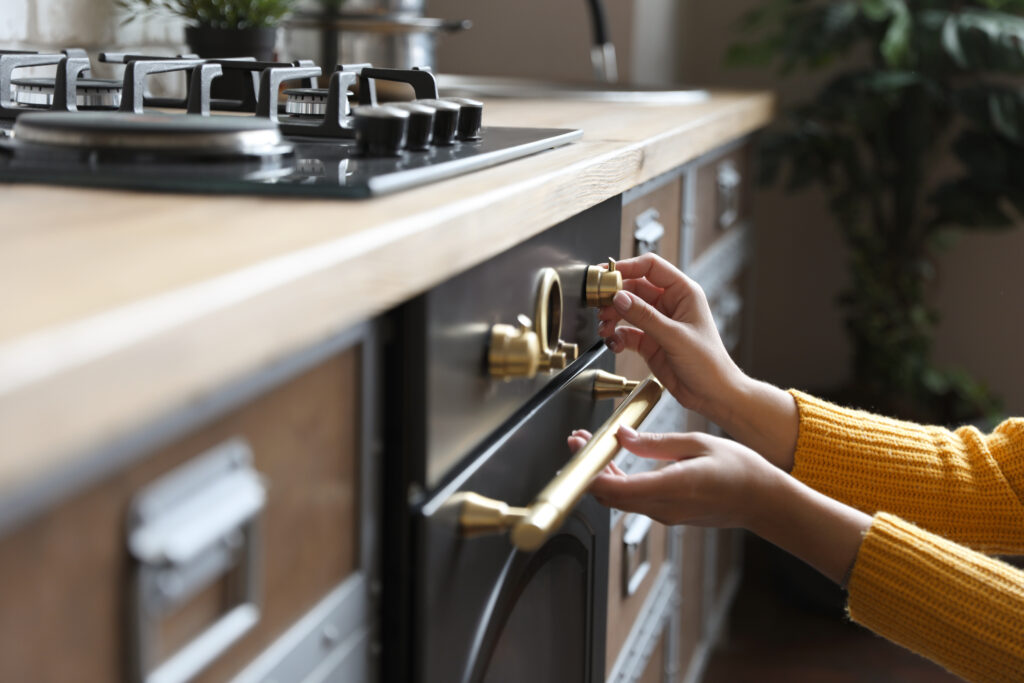
Gas ovens and gas stovetop burners share a fuel source, but they operate through completely different ignition and control systems. The stovetop uses open igniters that spark directly when you turn the knob. The oven, on the other hand, uses either a glow bar igniter or a standing pilot light to ignite a burner located at the bottom of the oven cavity. That igniter has to reach a specific temperature threshold before it signals the gas valve to open and allow fuel to flow. If the igniter is weak, cracked, or failing, it may glow but never quite get hot enough to open that valve. No valve open means no gas flow. No gas flow means no heat, even though the stovetop operates completely independently and has no idea anything is wrong.

The Most Common Reasons a Gas Oven Stops Heating
Most homeowners assume the worst when an oven stops heating, but the culprit is often something relatively straightforward. There are a handful of components that tend to fail before anything else, and identifying which one is the problem usually comes down to a visual inspection or a service call from a qualified technician.
- Faulty or weakened igniter, which is the most common cause in modern gas ovens
- Defective gas valve that will not open even when the igniter reaches temperature
- Failed oven control board that misreads or fails to send the correct signal
- Broken bake or broil element connection within the oven control circuit
- Thermostat malfunction causing incorrect temperature readings
- Tripped thermal fuse that interrupts the circuit as a safety measure
The igniter accounts for the vast majority of these situations. It is a component that degrades over time with repeated heating and cooling cycles, and most homeowners never think about it until the oven stops responding entirely.
Signs Your Gas Oven Igniter Is Failing
A weakening igniter does not always fail all at once. More often, it gives you signals over several weeks before it quits completely. You might notice the oven taking much longer than usual to preheat, or the temperature inside feeling inconsistent even when the oven indicates it has reached the set temperature. Some homeowners hear a faint clicking sound followed by nothing, or they see the igniter glow a dull orange rather than the bright, sharp orange it should produce. If you pull the bottom panel of your oven out and observe the igniter glowing for more than ninety seconds without the burner actually lighting, that is a fairly reliable sign the igniter is no longer drawing enough current to open the gas valve.
What to Do Before Calling a Technician
There are a few basic checks worth doing before scheduling a service appointment. First, confirm that your oven is actually receiving power. Gas ovens still use electricity to power the igniter, the control board, and the clock, so a tripped circuit breaker can absolutely prevent the oven from functioning even though the gas line is fine. Check your electrical panel and reset any tripped breakers. Second, check your gas supply. Verify that the gas shutoff valve behind the range is fully open and that other gas appliances in the home are functioning normally. Third, consult your oven manual for any reset procedures specific to your model. Some control boards require a manual reset after a power surge. If none of these steps resolve the issue, it is time to call in a professional rather than attempting to disassemble gas components yourself.
Why You Should Not Attempt Gas Oven Repairs Without Experience
Gas appliances carry real risk when handled improperly. Replacing an igniter is a task that some experienced homeowners handle themselves, but working near gas lines, valves, and electrical components simultaneously is not something to approach casually. An improper repair on a gas appliance can result in a gas leak, which poses serious safety hazards for everyone in the home. Beyond the safety concern, many manufacturers void warranties on appliances that have been serviced by unlicensed individuals. If your appliance is still under a manufacturer warranty or covered by a home warranty plan, an unauthorized repair attempt could disqualify you from coverage. When in doubt, let a certified technician handle it.
Average Repair Costs for a Gas Oven That Will Not Heat
Repair costs for a non-heating gas oven vary based on the component involved and local labor rates. An igniter replacement, which is the most common repair, typically costs between one hundred and two hundred fifty dollars when parts and labor are included. A gas valve replacement runs higher, often falling between two hundred and four hundred dollars. Control board repairs or replacements are the most expensive, sometimes exceeding four hundred to six hundred dollars depending on the oven brand and model. Diagnostic fees alone, which are charged before any repair begins, can range from seventy-five to one hundred fifty dollars in most markets. These costs can add up quickly, especially when the problem is not immediately obvious and requires multiple diagnostic steps.
How Home Warranties Cover Gas Oven Repairs
A home warranty plan is a service contract that covers the repair or replacement of major home systems and appliances when they break down due to normal wear and tear. For something like a gas oven that stops heating, a solid home warranty plan can cover the diagnostic visit, the parts, and the labor, reducing what the homeowner pays out of pocket to a predictable service call fee. This is particularly valuable for appliance issues that seem minor but turn out to involve components like control boards or gas valves, where repair costs climb fast. It is worth reading your warranty contract carefully to understand what components are covered, since some plans cover the entire appliance while others specify individual components.

Why Armadillo Is the Right Home Warranty Partner for Appliance Coverage
When your gas oven stops heating and you are staring down a diagnostic fee before the actual repair even begins, having a home warranty plan in place changes the entire experience. Armadillo was built specifically for homeowners who want straightforward, honest coverage without the confusion that often comes with traditional warranty providers. As a home warranty provider that covers gas oven repairs and major appliance breakdowns, Armadillo offers transparent plans designed to protect you from exactly these kinds of unexpected costs. If you have been putting off getting covered, now is a practical moment to reconsider. You can get a free home warranty quote for appliance and system coverage in just a few minutes and know exactly what protection looks like for your home before the next repair catches you off guard.
Frequently Asked Questions
Why does my gas oven not heat up but the stove burners work fine?
The stovetop burners and the oven operate through separate ignition systems. The oven relies on an igniter and a gas valve that function independently from the surface burners, so one can fail while the other continues to work normally.
How do I know if my gas oven igniter needs to be replaced?
If the igniter glows but the oven does not light within ninety seconds, or if the oven takes significantly longer than usual to preheat, the igniter is likely too weak to open the gas valve and should be replaced.
Is it safe to use my gas stovetop if the oven is not working?
Yes, in most cases the stovetop can be used safely while the oven is out of service, since they operate on separate systems. However, if you suspect a gas leak or smell gas anywhere near the appliance, stop using it entirely and contact your gas utility provider immediately.
Can a tripped circuit breaker cause a gas oven to stop heating?
Yes. Gas ovens still require electricity to power the igniter, control board, and display. A tripped breaker can cut power to those components and prevent the oven from heating even though the gas supply is unaffected.
How much does it cost to replace a gas oven igniter?
Igniter replacement typically costs between one hundred and two hundred fifty dollars including parts and labor. Costs vary based on the oven brand, model, and local service rates in your area.
Will a home warranty cover my gas oven if it stops heating?
Most home warranty plans that include appliance coverage will cover a gas oven that fails due to normal wear and tear, including component failures like igniters, control boards, and gas valves. Review your specific policy to confirm what is included.
Can I replace a gas oven igniter myself?
Some homeowners with appliance repair experience choose to replace igniters themselves since it does not require working directly with gas lines. However, if your appliance is under warranty or a home warranty plan, a self-repair could void your coverage, so check your policy before proceeding.
What happens if the gas valve in my oven is faulty?
A faulty gas valve prevents gas from flowing to the oven burner even when the igniter is functioning correctly. This repair is more complex than an igniter replacement and should always be performed by a licensed appliance technician.
How long does a gas oven igniter typically last?
Most gas oven igniters last between five and seven years under regular use, though this varies depending on the brand, frequency of use, and operating conditions. Degradation happens gradually through repeated heating and cooling cycles.
What is the first thing I should check when my gas oven stops heating?
Start by checking your home’s electrical panel for a tripped circuit breaker, then confirm the gas supply valve behind the range is fully open. If both check out and the oven still does not heat, schedule a diagnostic appointment with a qualified appliance technician.