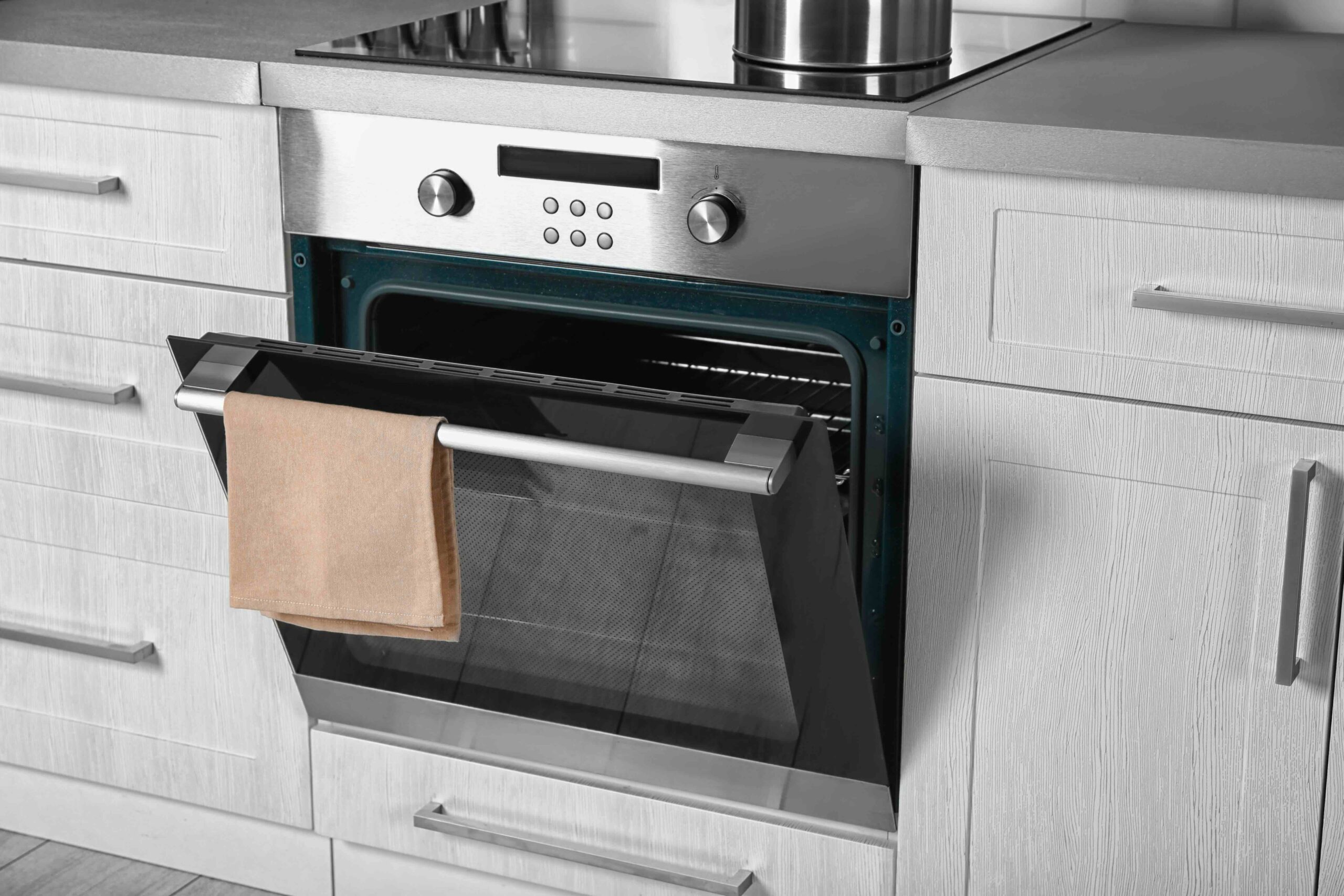
When the Oven Goes Cold: What’s Really Happening With Your Gas Stove
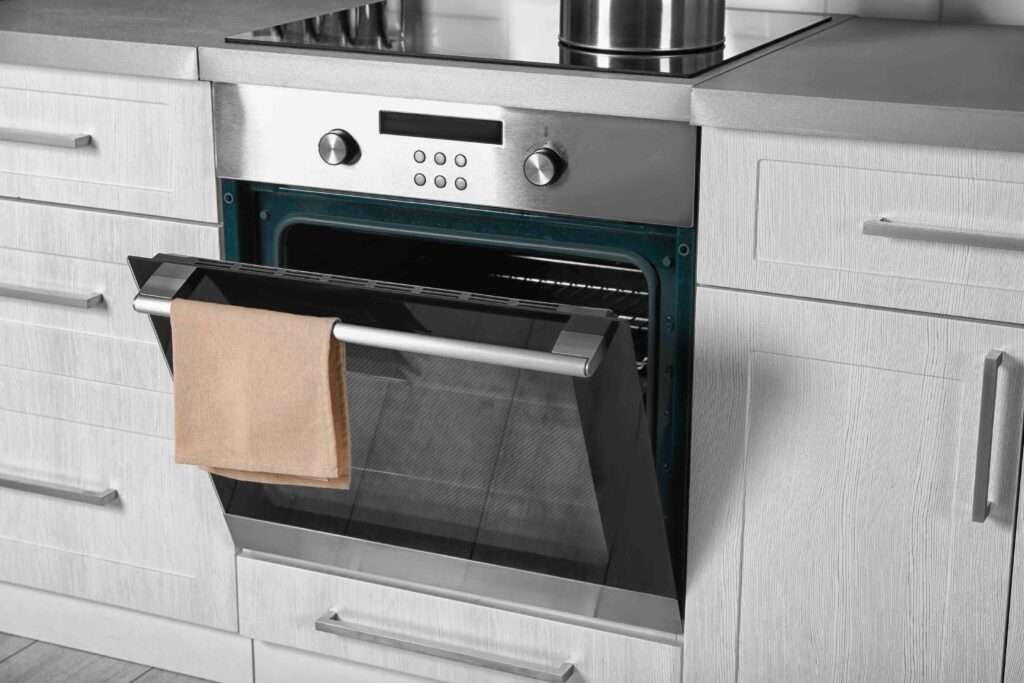
You set the oven to 375 degrees, slide in a casserole dish, and walk away expecting dinner to be ready in an hour. Except nothing happens. The oven never heats up. The stovetop burners might ignite just fine, but the oven itself sits cold and indifferent. This is one of those home problems that sneaks up on you, and it tends to happen at the worst possible time. Understanding what is going on inside that appliance, why it fails, and what your options are for fixing it — that is exactly what this article is here to do.
How a Gas Stove Oven Actually Works
Most homeowners know they have a gas oven, but very few know what happens mechanically after they press a button or turn a knob. Here is the short version. When you activate the oven, the control system sends a signal to the igniter. That igniter heats up to a temperature high enough to open the gas valve. Once the valve opens, gas flows to the burner, the igniter lights it, and you have heat. The thermostat then monitors the interior temperature and cycles the burner on and off to maintain the level you set. It sounds simple, but there are several components in that sequence, and any one of them can fail independently. That is what makes diagnosing the problem trickier than it appears.
The Most Common Reasons a Gas Oven Stops Heating
There is no single culprit here. Several different failures can produce the exact same symptom of a cold oven, which is part of why homeowners sometimes chase the wrong fix. The most frequent causes include the following.
- A faulty igniter that glows but never gets hot enough to open the gas valve
- A failed bake element or burner tube that has cracked or become blocked
- A malfunctioning thermostat that cannot accurately read or regulate temperature
- A broken safety valve that prevents gas from flowing even when the igniter is working
- A damaged control board that fails to send the correct signals to downstream components
- A tripped thermal fuse that has cut power to the oven circuit entirely
Of these, the igniter is by far the most common failure point in gas ovens. It is a component that wears out over time with regular use, and when it weakens, it draws enough current to glow visibly but not enough to trigger the gas valve. The oven appears to be trying, but nothing lights.
Signs Your Gas Oven Igniter Is the Problem
Knowing what to look for can save you time and money before you ever call a technician. If you observe the oven going through its startup cycle — you can hear a faint clicking or see an orange glow through the oven window — but the oven never reaches temperature or takes an unusually long time to heat, the igniter is a strong suspect. A healthy igniter typically glows bright orange and triggers the gas valve within 30 to 90 seconds. If the glow is dim, yellowish, or takes significantly longer, the igniter is likely weakening and on its way out. That is a diagnosis that most appliance technicians can confirm quickly and relatively affordably.

What Homeowners Can Do Before Calling for Help
There are a few preliminary checks worth doing before scheduling a service appointment. First, confirm that the gas supply to the stove is active. If the stovetop burners light normally, gas is reaching the appliance. Next, check your home’s electrical panel for any tripped breakers — yes, gas ovens still require electricity to power the igniter and controls. Reset any tripped breakers and test again. Also inspect the oven for any visible debris or food buildup around the burner area, which can occasionally interfere with ignition. If none of these simple checks resolve the problem, you are looking at an internal component failure and a professional diagnosis is the right next step.
Repair Versus Replacement: How to Think Through the Decision
When a technician confirms the issue, you will face a decision that almost every homeowner eventually confronts: is it worth repairing, or is it time to replace? A general rule of thumb is the 50 percent rule. If the repair cost exceeds 50 percent of the cost of a comparable new appliance, replacement tends to be the smarter financial move. An igniter replacement, for example, is usually an affordable repair and almost always worth doing. A failed control board or safety valve on an older appliance can push costs into territory where replacement becomes more economical. The age of the appliance matters too — gas ranges typically have a useful life of 15 to 20 years.
The Real Cost of Ignoring the Problem
A gas oven that is not heating properly is not just an inconvenience. Depending on the root cause, it can represent a safety concern. A malfunctioning gas valve or a compromised ignition system can allow unburned gas to accumulate in the oven cavity, which is a genuine hazard. The risk is not dramatic under most circumstances, but it is real enough to take seriously. Beyond safety, continued use of a partially functioning oven can cause secondary damage to surrounding components, turning a manageable repair into a more expensive one. Addressing the issue promptly is always the right call.
Why Home Warranty Coverage Changes Everything
Most homeowners do not think about their gas range or oven until it stops working. And when it does, the repair bill arrives without warning, usually at a time when the budget has no room for it. This is precisely the scenario that a home warranty is designed to address. A quality home warranty plan covers major appliances — including gas stoves and ovens — against mechanical and electrical failure due to normal wear and tear. Rather than absorbing a surprise repair or replacement cost out of pocket, the homeowner pays a predictable service call fee and the warranty company handles the rest. For appliances like gas ranges that can fail in multiple ways across many different components, that coverage has real, tangible value.
What to Look for in Home Warranty Appliance Coverage
Not all home warranty plans are built the same, and appliance coverage is where differences tend to show up most clearly. When evaluating a plan, pay close attention to the following.
- Whether the plan covers both parts and labor for appliance repairs
- Whether there are caps on repair or replacement payouts per appliance
- Whether the plan covers all components of the appliance or only selected parts
- How the claims process works and how quickly service is dispatched
- Whether replacement is offered when repair is not feasible
Transparency in coverage terms matters enormously. A plan that looks affordable on the surface but excludes critical components — like igniters, control boards, or gas valves — may not protect you when you actually need it. Reading the fine print before purchasing is time well spent.
Why Armadillo Is Worth Considering for Gas Appliance Protection
When your gas oven stops heating and you are staring down a repair bill you did not plan for, having the right home warranty behind you makes a significant difference. Armadillo was built specifically to make home warranty coverage straightforward, honest, and actually useful. There are no confusing exclusion lists designed to find reasons not to pay. Armadillo home warranty coverage for gas stoves and major appliances is structured to give homeowners real protection, not just a policy that sounds good until something breaks. If you are ready to stop crossing your fingers every time you turn on the oven, you can get a free home warranty quote for appliance and system coverage in just a few minutes. Coverage that is clear, fair, and built around how homeowners actually live — that is what Armadillo delivers.

Frequently Asked Questions About Gas Oven Not Heating
Why is my gas oven not heating up even though the stovetop burners work?
The stovetop burners and the oven use separate components, so one can function while the other fails. The most common cause of a gas oven not heating is a faulty igniter that can no longer generate enough heat to open the gas valve, even though it still glows.
How do I know if my gas oven igniter needs to be replaced?
If the igniter glows orange but the oven does not light within 90 seconds, or if the glow appears dim or yellow rather than bright orange, the igniter is likely failing and should be replaced.
Is it safe to use a gas oven that is not heating properly?
It depends on the cause. A weak igniter is more of an inconvenience than a danger. However, a malfunctioning gas valve or ignition system that allows unburned gas to accumulate can be a safety hazard and should be addressed immediately by a qualified technician.
How much does it cost to repair a gas oven that is not heating?
Repair costs vary by component. Igniter replacement typically falls in the range of $150 to $300 including labor. Control board or gas valve replacements can cost significantly more, sometimes exceeding $400 to $600 or higher depending on the appliance model.
Does a home warranty cover a gas oven that stops heating?
Most standard home warranty plans include coverage for gas ranges and ovens when failure results from normal wear and tear. Coverage specifics vary by plan, so reviewing what components and repair types are included is important before assuming full coverage.
Can I replace a gas oven igniter myself?
Technically, igniter replacement is a repair that some experienced DIYers can complete. However, because it involves a gas appliance, professional installation is strongly recommended to ensure safety and proper function. Incorrect installation can create gas leak risks.
How long do gas ovens typically last before major repairs are needed?
Gas ranges generally have a useful lifespan of 15 to 20 years. Igniters and thermostats may need replacement sooner with regular use. Appliances approaching or exceeding 15 years are more likely to experience component failures.
What is the difference between a gas oven not heating and an oven heating unevenly?
A complete failure to heat usually points to ignition or gas supply issues. Uneven heating more often indicates a failing thermostat, a problem with heat distribution inside the oven cavity, or a partially blocked burner. Both issues warrant professional diagnosis.
Will a home warranty pay for a full oven replacement if the repair is too costly?
Many home warranty plans include a replacement option if a covered appliance cannot be repaired cost-effectively. Coverage limits and replacement terms vary by plan, so understanding those details before a failure occurs is advisable.
How quickly can I get my gas oven repaired through a home warranty?
Service response times depend on the home warranty provider and the availability of local technicians. Quality home warranty companies typically dispatch a service professional within one to three business days of a claim being filed.