Gas Stove Acting Up? Here Is What You Need to Know Before Calling for Help
A gas stove is one of those appliances you do not think about until the moment it stops working. Whether a burner refuses to ignite, the flame keeps going out, or you are dealing with a strange clicking sound that will not quit, these issues can throw off an entire household routine. The good news is that gas stoves are not as mysterious as they seem, and understanding how they work goes a long way toward knowing when you can handle something yourself and when you genuinely need a professional. This guide walks through the essentials of gas stove repair in plain terms, because you deserve answers that actually make sense.
How a Gas Stove Actually Works
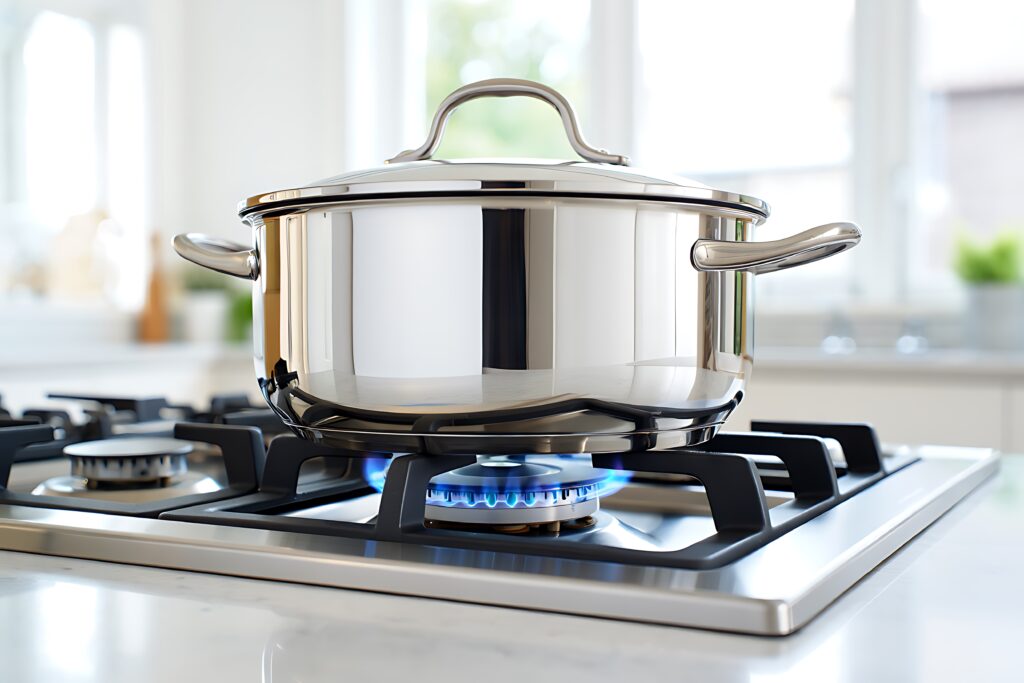
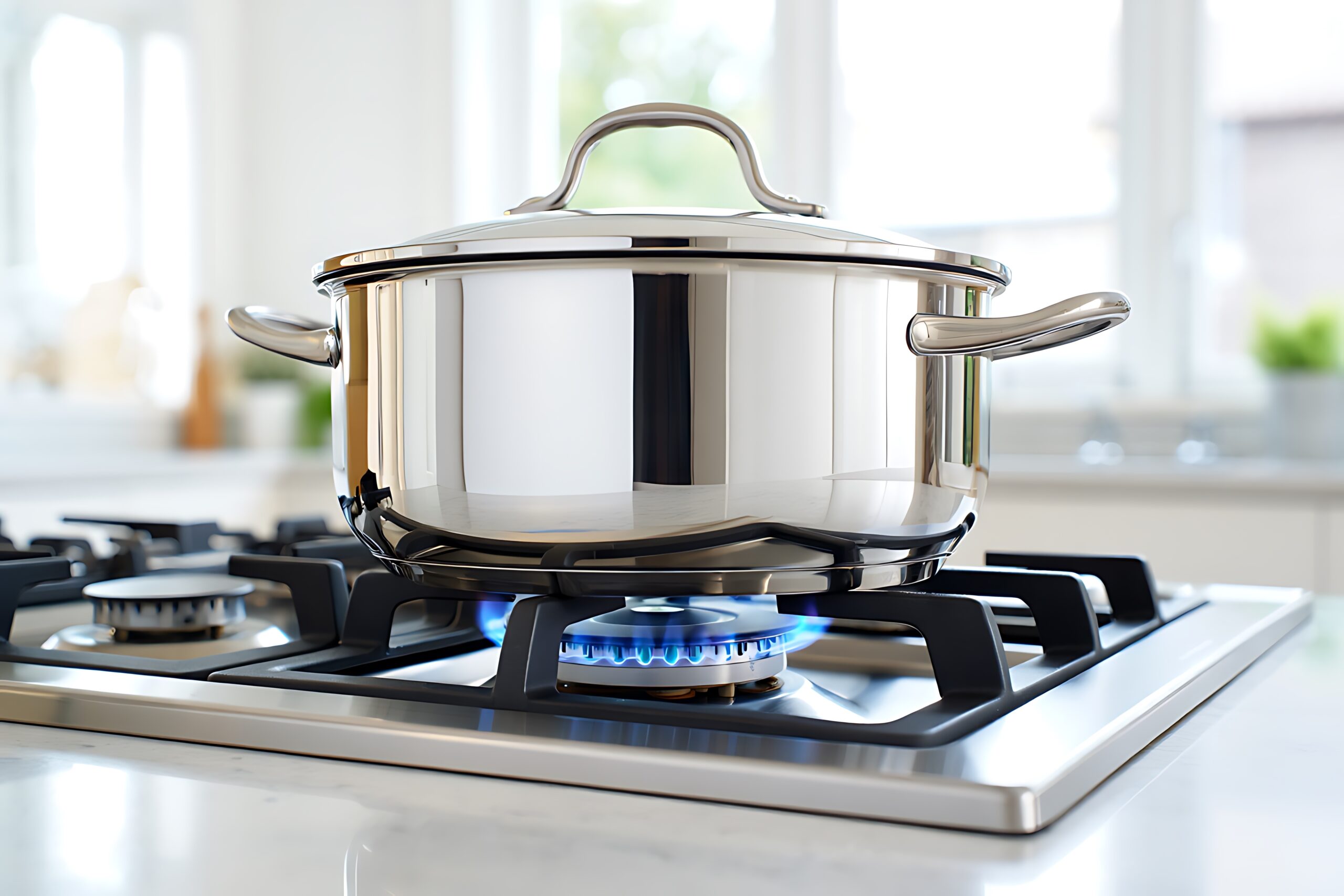
Gas stoves operate by combining natural gas or propane with air to create a controlled flame. When you turn a burner knob, you are opening a valve that allows gas to flow to the burner head. An igniter, either a spark igniter or a pilot light depending on the age of the stove, then creates the flame. Modern stoves use electronic igniters that produce that familiar clicking sound when you turn the knob. The oven works similarly, using a gas valve and igniter system to heat the interior cavity. It sounds simple, and for the most part it is, which is exactly why so many common problems have straightforward causes.
The Most Common Gas Stove Problems Homeowners Face
Most gas stove issues fall into a handful of categories. Knowing what to look for can save you time and money before any repair technician ever sets foot in your kitchen.
- Burner will not ignite even when gas is flowing
- Burner ignites but flame is weak or uneven
- Clicking sound that continues after the burner is lit
- Oven not heating to the correct temperature
- Gas smell present even when the stove is off
- Burner cap misalignment causing irregular flame patterns
- Faulty oven igniter that glows but does not produce a flame
Each of these problems has a root cause, and while some are safe to address on your own, others require licensed technician involvement. The gas smell scenario, for example, is not a DIY situation under any circumstances. That one warrants turning off the gas supply, leaving the home, and calling your gas provider immediately.
What You Can Safely Troubleshoot on Your Own
Plenty of gas stove repairs are less dramatic than they appear. If a burner is clicking constantly after lighting, the most likely culprit is moisture inside the igniter assembly. This happens after boiling over a pot, which, honestly, happens to everyone. Removing the burner cap and grate, wiping everything dry, and allowing the components to air out will usually solve this within a few hours. If a burner is producing an uneven or weak flame, food debris clogging the burner ports is almost always the cause. A gentle cleaning with a soft brush or a straightened paperclip to clear the ports can restore proper flame distribution. Burner cap misalignment is another easy fix. If the cap is sitting crooked after a cleaning, the igniter will spark off-center and the flame will not distribute correctly. Seating it properly takes about ten seconds.
When the Oven Igniter Is the Problem
Oven igniter failure is one of the more common gas stove repair calls, and it is worth understanding. The oven igniter serves two functions: it heats up to ignite the gas, and it signals the gas valve to open once it reaches the correct temperature. When the igniter weakens over time, it may glow orange but never get hot enough to open the valve, which means the oven will not heat. This is a repair that involves working with both electrical components and the gas system, so unless you have specific experience with appliance repair, hiring a professional is the right call. Replacement igniters are widely available and the repair itself is not particularly expensive when caught early.

Gas Stove Repair Costs and What to Expect
Repair costs for gas stoves vary depending on the nature of the problem and your geographic location. A straightforward igniter replacement might run between one hundred and two hundred dollars including parts and labor. A faulty gas valve, which controls the flow of gas to the oven or burners, can cost considerably more given the complexity of the part and the precision required during installation. Control board failures on modern digital stoves can push repair costs even higher. Knowing these numbers ahead of time helps you evaluate whether a repair makes sense relative to the age and overall condition of the appliance. A stove that is well past its prime may not justify a four hundred dollar repair, while a relatively new unit almost certainly does.
Key Advantages of Gas Stoves Worth Knowing
Gas stoves remain a preferred choice for a reason. They offer precise heat control that responds instantly to adjustments, making them a favorite among home cooks who care about performance. They continue functioning during power outages if they have a standing pilot light, which is a practical advantage in areas with unreliable electricity. Gas cooking tends to distribute heat more evenly around pots and pans compared to some electric alternatives, and operating costs are often lower in regions where natural gas is readily available. These advantages explain why homeowners tend to repair rather than replace gas stoves when issues arise.
Common Drawbacks That Come With Gas Stove Ownership
Gas stoves are not without their complications. They require access to a gas line, which limits installation flexibility. The igniters, burner caps, and grates require more regular cleaning and maintenance than their electric counterparts. Indoor air quality is a growing conversation in the home improvement space, as gas combustion does release byproducts into the kitchen environment. Proper ventilation through a range hood or open window is not optional, it is necessary. And when something does go wrong with the gas supply line or internal valves, the repairs are not something to approach casually. The stakes are higher, which is why professional repair and routine maintenance matter more with gas appliances than with many other household systems.
Practical Maintenance Tips to Prevent Future Repairs
Staying ahead of gas stove issues is far easier than dealing with them after the fact. A little routine attention can extend the life of the appliance significantly and reduce the likelihood of surprise breakdowns.
- Clean burner caps and grates weekly to prevent debris buildup in the ports
- Wipe down the control panel area carefully, keeping moisture away from igniter components
- Inspect the rubber seals and connections around gas lines annually for signs of wear
- Listen for any changes in the ignition sound or flame behavior and investigate promptly
- Schedule a professional appliance inspection every few years, especially for stoves older than ten years
Why a Home Warranty Makes Gas Stove Repairs Much Less Stressful
Here is where things get genuinely practical. Gas stove repairs are unpredictable by nature. An igniter might fail at a completely inconvenient moment, or a control valve might give out right before a holiday gathering. The repair costs are not extreme, but they are not trivial either, and they tend to arrive without warning. That is exactly the kind of financial surprise a home warranty is designed to absorb. Armadillo home warranty coverage for gas appliances and kitchen systems gives homeowners a straightforward path to getting repairs handled without scrambling for a technician or stressing over the bill. Instead of wondering whether that oven igniter failure is going to cost one hundred dollars or three hundred, you file a claim and let the process work. If you are ready to stop guessing and start planning, you can get a free home warranty quote that covers gas stove repairs and more in just a few minutes. Coverage that accounts for the real-world unpredictability of home appliances is not a luxury. For most homeowners, it is just good sense.

Frequently Asked Questions About Gas Stove Repair
These are the questions homeowners ask most often when dealing with gas stove issues. The answers are direct, practical, and intended to help you move forward with confidence.
Why does my gas stove click but not light?
The most common reasons are moisture in the igniter assembly, food debris blocking the burner ports, or a misaligned burner cap. Try cleaning and drying the igniter area and seating the burner cap properly before assuming a mechanical failure.
Is it safe to use my gas stove if I smell gas?
No. Turn off the stove, do not use any electrical switches or open flames, leave the home immediately, and call your gas utility provider from outside. A gas smell is a safety emergency, not a repair situation for homeowners to investigate.
How long do gas stove igniters typically last?
Most gas stove igniters last between five and ten years depending on usage frequency and maintenance habits. Frequent boil-overs and lack of cleaning can shorten their lifespan considerably.
Can I replace a gas stove igniter myself?
Surface burner igniters can sometimes be replaced by a confident DIYer, but oven igniters involve both gas valve interaction and electrical components. Professional replacement is strongly recommended for oven igniter repairs to ensure safety.
Why is my gas stove flame yellow instead of blue?
A yellow or orange flame typically indicates incomplete combustion, often caused by clogged burner ports or an air-to-gas ratio imbalance. Cleaning the burner ports usually resolves it. Persistent yellow flames may indicate a deeper gas pressure issue requiring a technician.
How much does it cost to repair a gas stove?
Repair costs typically range from one hundred to four hundred dollars depending on the part and the complexity of the repair. Igniter replacements tend to be on the lower end, while gas valve or control board failures cost more.
Does a home warranty cover gas stove repairs?
Many home warranty plans include coverage for built-in kitchen appliances including gas stoves. Coverage specifics vary by provider and plan, so reviewing what is included before purchasing is essential.
Why does my gas oven take a long time to preheat?
A weakening oven igniter is the most common cause. When the igniter does not reach operating temperature quickly enough, the gas valve delays opening, which slows the heating process. Igniter replacement typically resolves this.
Can food debris really damage a gas stove?
Yes. Accumulated grease and food particles can block burner ports, interfere with igniters, and create uneven flame patterns over time. Regular cleaning is one of the most effective ways to extend the life of a gas stove.
When should I replace a gas stove instead of repairing it?
If the stove is more than fifteen years old and the repair cost exceeds fifty percent of the replacement value, replacement is often the more practical choice. Newer stoves also offer improved efficiency and safety features that older models lack.