That Little Click From Your GFCI Outlet Is Telling You Something
You plug in a hairdryer, a phone charger, maybe a countertop appliance — and then you hear it. A sharp click, and suddenly nothing works. Or maybe the outlet just stopped functioning entirely, no warning at all. Either way, if you live in a home built or renovated in the last few decades, that outlet is probably a GFCI — and it just did exactly what it was designed to do. Understanding what a GFCI outlet is, how it works, and why it matters can save you from unnecessary panic, unnecessary repair calls, and potentially, a serious electrical hazard.
What Is a GFCI Outlet and Where Did It Come From
GFCI stands for Ground Fault Circuit Interrupter. It is a specialized type of electrical outlet designed to monitor the flow of electricity and cut power almost instantly when it detects an imbalance. The technology became prominent in residential construction after the National Electrical Code began requiring it in bathrooms in 1975, and requirements have expanded significantly since then. Today, GFCI protection is required in bathrooms, kitchens, garages, basements, outdoor areas, and anywhere else where water and electricity are likely to coexist. That rectangular outlet with the two buttons in the middle — TEST and RESET — is a GFCI outlet. It looks slightly different from a standard outlet, and that distinction is intentional.
How a GFCI Outlet Actually Works
Here is where it gets genuinely interesting. A GFCI outlet continuously monitors the electrical current flowing through a circuit. Under normal conditions, the amount of electricity going out through the hot wire should match what is returning through the neutral wire. If there is even a small discrepancy — as little as four to five milliamps — the GFCI interprets that as a ground fault. In plain terms, that means electricity is escaping along an unintended path, possibly through a person, water, or a damaged appliance. The outlet trips in as little as one-thirtieth of a second. That is faster than the human nervous system can register a shock. The clicking sound you hear is the internal mechanism disengaging the circuit. It is not a malfunction. It is protection doing its job.
Common Reasons a GFCI Outlet Clicks or Trips
A GFCI outlet does not trip randomly. There is always a reason, even if it is not immediately obvious. Some of the most frequent causes include:
- Moisture intrusion — even humidity can trigger a trip in older or lower-quality units
- A faulty or aging appliance drawing uneven current
- Overloaded circuits with too many devices sharing one outlet
- Wiring issues within the wall, including loose connections or degraded insulation
- A defective GFCI outlet that has reached the end of its usable life
- A ground fault occurring somewhere else on the circuit the GFCI is protecting
One thing worth knowing — a single GFCI outlet can protect multiple standard outlets downstream on the same circuit. So if a standard outlet in another room stops working, it may actually be tripped by a GFCI outlet located somewhere else entirely. Check the GFCI outlets in kitchens, bathrooms, and utility areas before assuming you have a larger electrical problem.

The Real Advantages of Having GFCI Outlets in Your Home
The primary benefit of a GFCI outlet is straightforward — it protects people from electrocution. Ground faults are a leading cause of electrical fatalities in residential settings, and GFCI technology has been credited with dramatically reducing those numbers since its widespread adoption. Beyond personal safety, GFCI outlets also protect appliances from damage caused by irregular current flow. There is also a code compliance angle that matters to homeowners: if your home lacks GFCI outlets in required areas, it can create complications during a sale inspection or when filing insurance claims related to electrical damage. From a property value standpoint, having properly installed and functioning GFCI outlets is a low-cost, high-impact upgrade that signals a well-maintained home.
The Drawbacks Homeowners Should Know About
GFCI outlets are not without their frustrations. The most common complaint is nuisance tripping — situations where the outlet trips due to minor fluctuations that pose no real danger. Older GFCI units can become oversensitive with age, tripping in response to normal appliance startup surges or slight humidity levels. This leads some homeowners to repeatedly reset the outlet without investigating further, which is not the right approach. Another limitation is that GFCI outlets do not protect against all types of electrical hazards. They guard against ground faults specifically, but not against overloads or short circuits — that is the job of your circuit breakers. GFCI outlets also have a finite lifespan, generally between ten and fifteen years, after which the internal components can degrade and fail to trip when needed, which is arguably more dangerous than tripping too often.
How to Test and Reset a GFCI Outlet Correctly
Testing a GFCI outlet is something every homeowner should know how to do. The process takes about thirty seconds and requires no tools. Press the TEST button on the outlet face — this should cause the RESET button to pop out and cut power to the outlet. If the RESET button does not pop out, or if power is not cut, the outlet may be wired incorrectly or may have failed. Once the TEST button has tripped the outlet, press the RESET button firmly until you hear or feel it click back into place. Power should be restored. If the outlet will not reset, or if it trips again immediately after resetting, that is your signal that something on the circuit needs professional attention. Electrical codes recommend testing GFCI outlets monthly, though most homeowners test them far less frequently than that.
When to Replace a GFCI Outlet Versus Call an Electrician
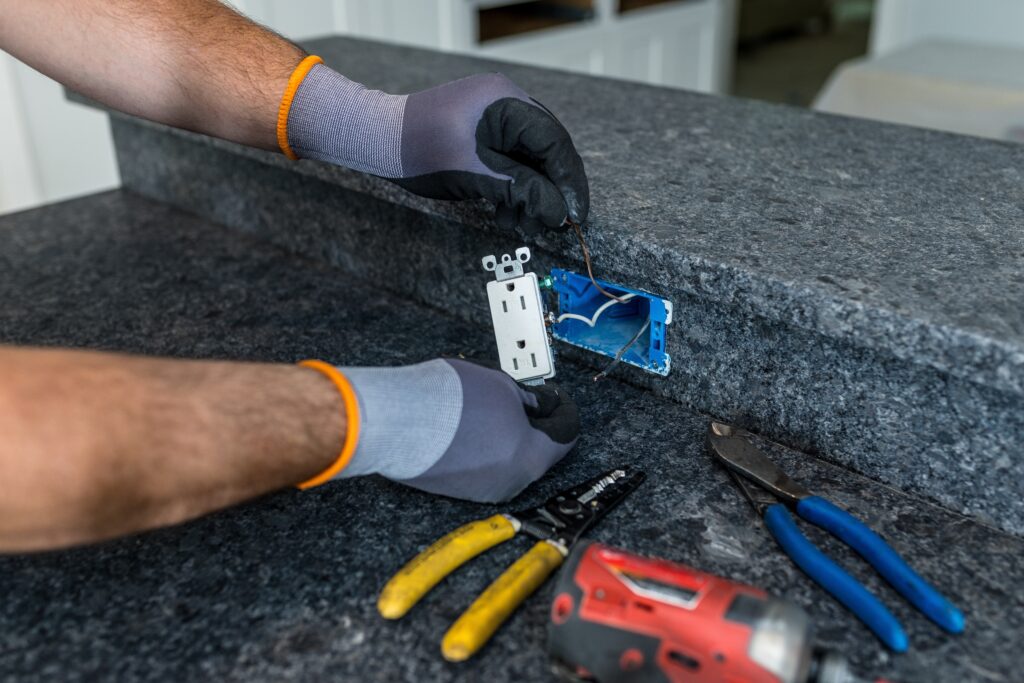
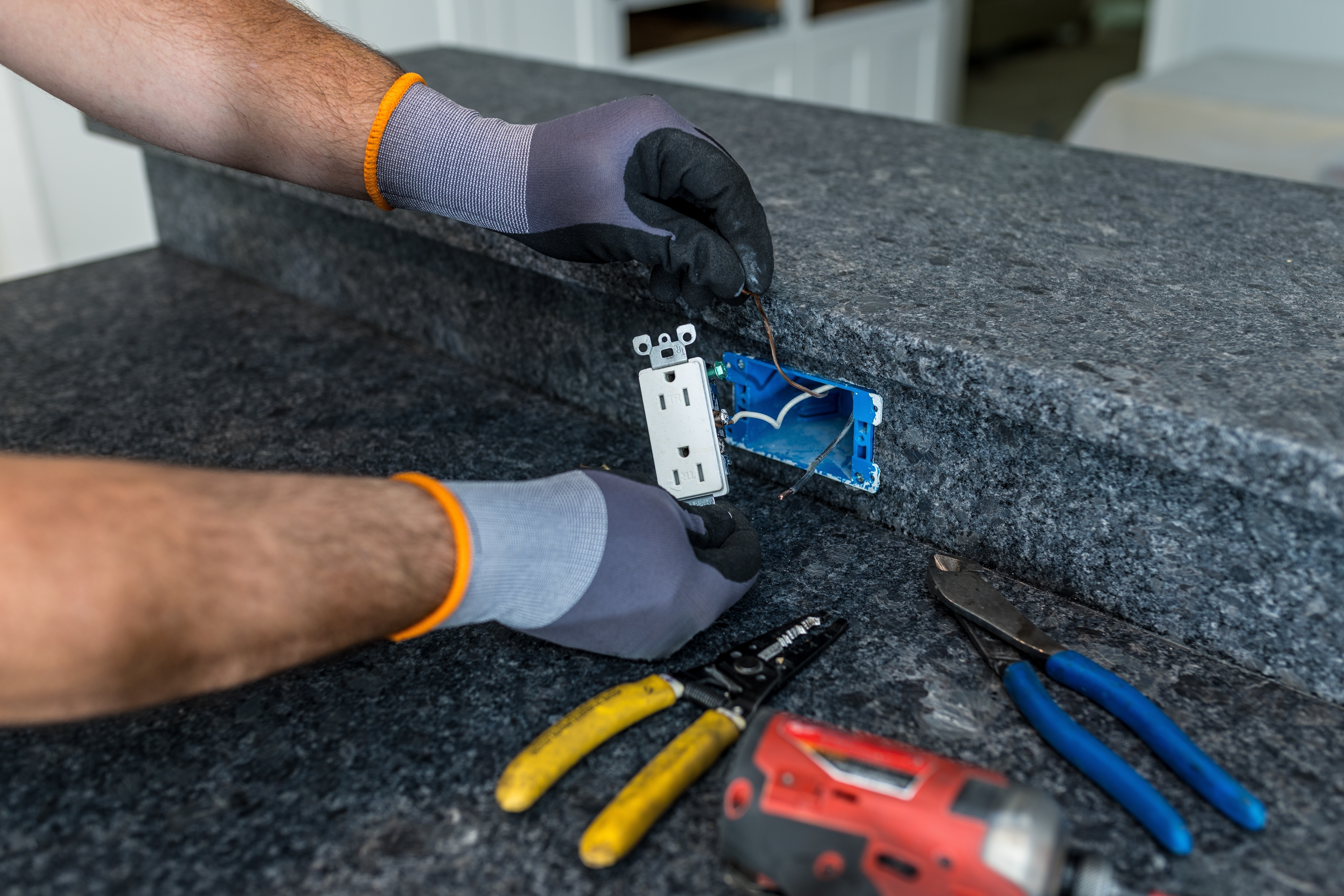
Replacing a GFCI outlet is within the skill range of a confident DIYer, but knowing when to stop and call a licensed electrician is equally important. If the outlet trips repeatedly without an obvious cause, fails the TEST and RESET procedure, shows signs of discoloration, burning smell, or physical damage — replacement is necessary and possibly urgent. A new GFCI outlet costs between fifteen and fifty dollars at most hardware stores and can be swapped out relatively quickly if you are comfortable working with wiring. However, if the problem is downstream — meaning there is a wiring fault in the circuit itself — replacing just the outlet will not resolve it. Persistent tripping after a new GFCI is installed is a clear indicator that a licensed electrician needs to assess the circuit.
GFCI Outlets and Your Home Warranty Coverage
Here is where things get practical for a lot of homeowners. Electrical systems, including outlets and internal wiring, are often included in home warranty plans — but the specifics vary widely by provider and plan tier. Some plans cover the repair or replacement of failed outlets, including GFCI outlets, as part of broader electrical system coverage. Others may cover wiring but exclude individual components. If your GFCI outlet fails due to normal wear over time, that is precisely the kind of repair a solid home warranty plan is designed to help with. Problems like a non-resetting GFCI protecting a bathroom or kitchen circuit can quickly turn into a service call that costs more than anticipated, especially if the root cause is deeper in the wiring. Having coverage in place before that situation arises is the kind of preparation that actually pays off.
Why Armadillo Is Worth Considering for Electrical System Protection
If you have made it this far, you already know more about GFCI outlets than most homeowners do — and that awareness is a good foundation for thinking about broader home protection. Electrical systems are among the most commonly claimed categories in home warranties, and Armadillo was built specifically to make that kind of coverage straightforward and trustworthy. For homeowners who want real protection for the systems and appliances they rely on every day, Armadillo home warranty plans for electrical system coverage offer a transparent, modern approach that skips the fine-print surprises other providers are known for. Whether it is a failed GFCI outlet, a wiring issue behind the wall, or something else in your electrical system, having the right plan in place means you make one call instead of worrying about the bill. If you are not sure what coverage looks like for your home, you can get a free home warranty quote for electrical and appliance protection in just a few minutes — no obligation, no pressure, just clarity on what is available in your area.

Frequently Asked Questions About GFCI Outlets
Answers to the most common questions homeowners have about GFCI outlets, tripping, testing, and coverage.
Why does my GFCI outlet keep tripping for no reason?
Repeated tripping usually points to moisture exposure, a faulty appliance on the circuit, a worn-out GFCI unit, or a wiring problem downstream. There is always a cause — the outlet is detecting something, even if it is not immediately visible.
How do I reset a GFCI outlet that will not reset?
First, unplug everything connected to outlets on that circuit. Then press the RESET button firmly. If it still will not reset, the outlet itself may have failed internally or there is a live fault on the circuit that needs an electrician to diagnose.
Where are GFCI outlets required in a home?
Current electrical codes require GFCI protection in bathrooms, kitchens within six feet of a sink, garages, unfinished basements, outdoor receptacles, crawl spaces, and areas near pools or hot tubs. Requirements vary slightly by jurisdiction and code version.
How long does a GFCI outlet last?
Most GFCI outlets have a functional lifespan of ten to fifteen years. After that, the internal components can degrade and may fail to trip during an actual fault, making replacement important even if the outlet appears to work normally.
Can a GFCI outlet go bad without showing obvious signs?
Yes. A GFCI outlet can fail in a way that allows it to pass power while losing its ability to trip during a fault. This is why the monthly TEST and RESET procedure matters — it is the only way to confirm the protective function is still active.
Does a home warranty cover GFCI outlet replacement?
Many home warranty plans include electrical system coverage that can apply to outlet repair or replacement, including GFCI outlets. Coverage specifics vary by plan, so reviewing what is included before a problem occurs is important.
Can I replace a GFCI outlet myself?
A homeowner comfortable with basic electrical work can replace a GFCI outlet. However, if the problem extends beyond the outlet itself — such as wiring issues or persistent tripping after replacement — a licensed electrician should be involved.
Will a standard outlet work in place of a GFCI outlet?
Technically a standard outlet can be installed in the same location, but doing so in areas where GFCI protection is code-required creates a safety hazard and a code violation. It is not a recommended substitution under any circumstances.
Why does a GFCI outlet in my bathroom control outlets in another room?
A single GFCI outlet can be wired to protect multiple outlets on the same circuit, which is called downstream protection. If a GFCI in the bathroom trips, it can cut power to standard outlets in other areas connected to that circuit.
What is the difference between a GFCI outlet and a GFCI circuit breaker?
A GFCI outlet provides ground fault protection at the specific outlet location and any outlets wired downstream from it. A GFCI circuit breaker is installed in the electrical panel and protects every outlet and device on the entire circuit it controls.