When a GFCI Outlet Stops Working: What Every Homeowner Needs to Know
You plug something in, nothing happens. You check the breaker, everything looks fine. Then someone mentions the GFCI outlet in the bathroom, and suddenly you are standing in front of that little outlet with two tiny buttons wondering what exactly you are supposed to do next. GFCI outlets are one of those things most homeowners know exist but rarely think about until something goes wrong. Understanding what they do, why they fail, and how home warranty coverage factors in can save you time, frustration, and money.
What Is a GFCI Outlet and Why Does It Exist
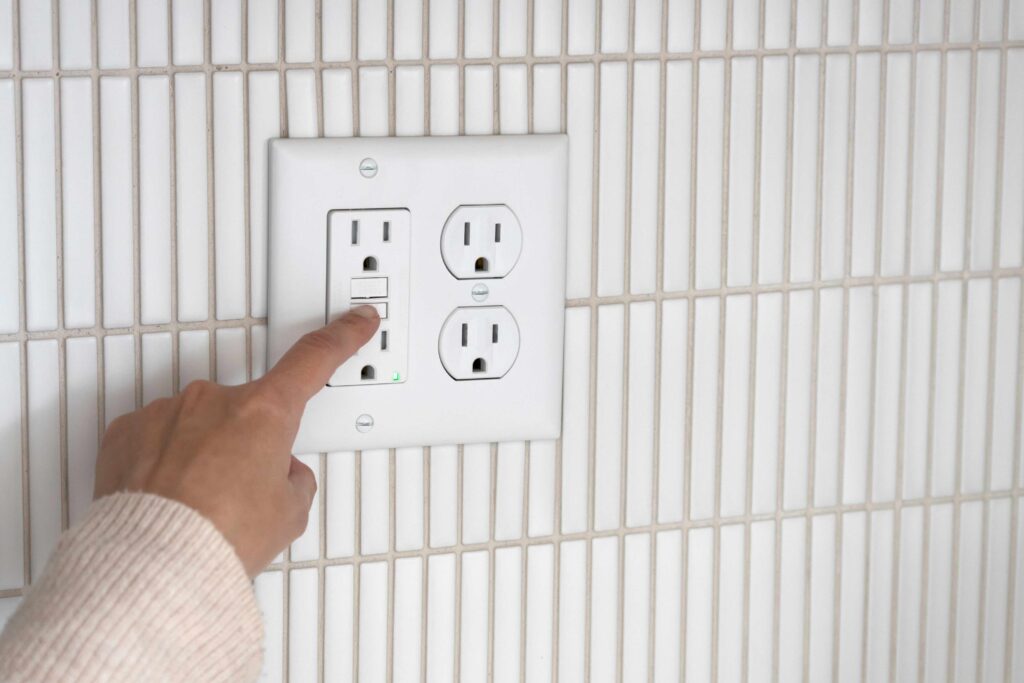
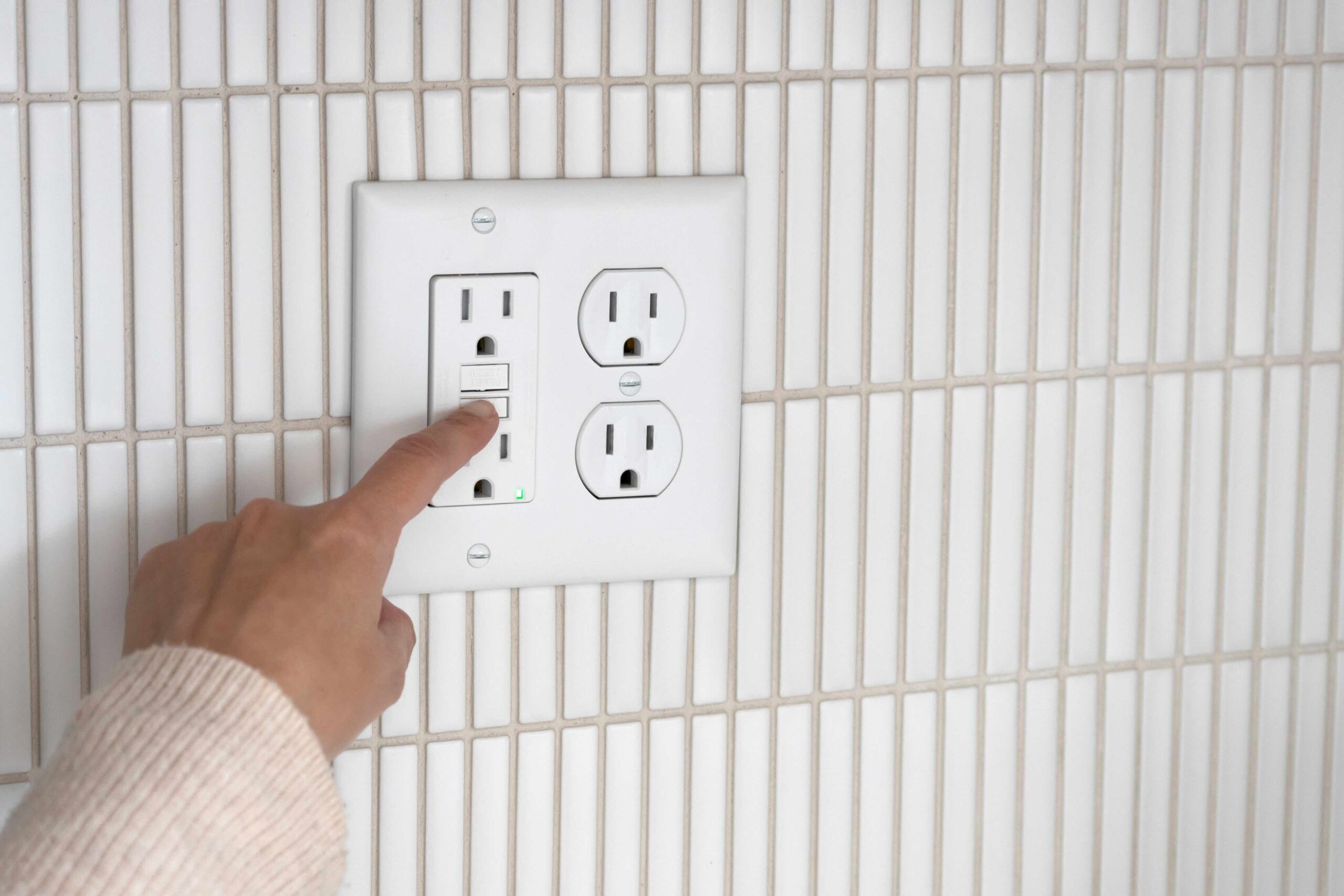
GFCI stands for Ground Fault Circuit Interrupter. It is a specialized electrical outlet designed to monitor the flow of electricity through a circuit. The moment it detects even a slight imbalance, typically as small as 4 to 5 milliamps, it cuts power within a fraction of a second. That response time is fast enough to prevent serious electric shock. These outlets are required by code in areas where water and electricity are likely to coexist, including bathrooms, kitchens, garages, basements, and outdoor spaces. The two small buttons on the face of the outlet, labeled TEST and RESET, are how you interact with the safety mechanism. When the outlet trips, pressing RESET is usually the first step toward restoring power.
How a GFCI Outlet Actually Works
Inside the outlet, a sensor constantly compares the amount of electricity flowing out through the hot wire to the amount returning through the neutral wire. Under normal conditions, those two values match. When there is a discrepancy, it means electricity is taking an unintended path, possibly through a person, water, or a damaged appliance. The GFCI detects that imbalance and immediately shuts off power to prevent harm. One GFCI outlet can also protect multiple standard outlets downstream on the same circuit, which is why pressing RESET on one outlet in a bathroom might restore power to an outlet in the hallway or another room entirely. That interconnected behavior surprises a lot of homeowners and is often the reason a dead outlet seems completely unrelated to any visible GFCI.
Common Reasons a GFCI Outlet Stops Working
There are several reasons a GFCI outlet might fail or trip, and not all of them signal a serious problem. Knowing the most common causes helps you troubleshoot before calling anyone.
- Moisture exposure: Water near or inside the outlet can cause a trip, especially in bathrooms or outdoor locations after rain.
- Overloaded circuit: Plugging in too many high-draw appliances at once can cause the outlet to cut power as a precaution.
- Faulty appliance: A defective device plugged into the outlet can create a ground fault even if the outlet itself is fine.
- Age and wear: GFCI outlets have a lifespan of roughly 10 to 15 years. Older units may trip more frequently or stop resetting altogether.
- Wiring issues: Improper wiring, loose connections, or deteriorated insulation can all trigger a ground fault.
- Tripped but not reset: Sometimes the outlet simply needs to be reset and the homeowner has not done so yet.
How to Reset a GFCI Outlet the Right Way
Before assuming anything is broken, go through the reset process properly. First, unplug everything connected to the outlet or any outlets it may protect downstream. Locate the GFCI outlet, which is usually the one with the TEST and RESET buttons. Press the RESET button firmly until you feel or hear a click. If the outlet has power, a plugged-in device should work immediately. If pressing RESET does not hold or the button pops back out, the outlet may have tripped due to a persistent ground fault. In that case, keep any devices unplugged and test again. If it still will not reset, you are likely dealing with a wiring issue or a failed outlet that needs to be replaced.

What It Means When a GFCI Outlet Is Not Grounded
Older homes, particularly those built before the 1960s, often have two-prong ungrounded electrical systems. In these homes, a GFCI outlet can still be installed legally as a replacement for a two-prong outlet even without a ground wire present. However, the outlet must be labeled as ungrounded per electrical code requirements. An ungrounded GFCI still provides shock protection because it monitors current imbalance. What it does not provide is protection against power surges or equipment damage caused by stray voltage with nowhere to go. If your home has ungrounded wiring and you are considering upgrades, speaking with a licensed electrician about your options is worthwhile, especially in rooms where sensitive electronics or medical equipment are used regularly.
Key Benefits of GFCI Outlets in Your Home
GFCI outlets are one of the most cost-effective safety upgrades available to homeowners. They are inexpensive to purchase, relatively simple to install, and they provide life-saving protection in areas where electrical hazards are most likely. Homes with GFCI protection in bathrooms, kitchens, and garages meet modern electrical code, which can also be a factor in home inspections and insurance conversations. For older homes without grounded wiring throughout, GFCI outlets offer an accessible solution that improves safety without requiring a complete electrical overhaul. Additionally, because a single GFCI outlet can protect an entire circuit, upgrading one outlet can bring multiple locations up to code at once.
The Drawbacks Homeowners Should Know About
GFCI outlets are not without limitations. They can be overly sensitive, tripping in response to minor fluctuations that pose no real danger. This is particularly common in humid environments or when older appliances with worn insulation are in use. Nuisance tripping can become frustrating, especially if it happens repeatedly without an obvious cause. Additionally, GFCI outlets do not protect against all electrical hazards. They do not prevent arc faults, which are a leading cause of residential electrical fires. That type of protection requires a different device called an Arc Fault Circuit Interrupter, or AFCI. Understanding the specific protection each device offers helps you make smarter decisions about your home’s electrical safety as a whole.
When to Call a Licensed Electrician
Some GFCI issues fall within the average homeowner’s ability to troubleshoot. Others require a professional. If your GFCI outlet will not reset after unplugging all devices, if you notice burning smells, discoloration, or visible damage around the outlet, or if multiple outlets on a circuit are consistently losing power without explanation, those are signs to call a licensed electrician. Electrical work that goes beyond resetting a tripped outlet or swapping a like-for-like replacement should always be handled by someone qualified. Attempting complex wiring repairs without the right knowledge can create hazards that are far more serious than the original problem.
How a Home Warranty Can Cover GFCI Outlet Repairs and Electrical Issues
When a GFCI outlet fails due to normal wear and use, that kind of repair can fall within the scope of a home warranty plan, depending on how the electrical system coverage is structured. Home warranties are designed to help homeowners manage the unexpected costs that come with owning a home, and electrical components are among the most common sources of those surprises. If you are dealing with repeated GFCI failures, wiring concerns, or broader electrical system issues, having coverage in place means you are not absorbing the full cost of diagnosis and repair out of pocket. Armadillo home warranty plans that include electrical system coverage are built to handle exactly these kinds of situations, giving homeowners a straightforward path to repair without the stress of hunting down contractors or negotiating costs. If your home has aging outlets, ungrounded wiring, or a history of electrical quirks, now is a good time to think about what a plan actually covers. You can get a personalized home warranty quote for GFCI and electrical coverage in just a few minutes and see exactly what protection looks like for your home.

Frequently Asked Questions About GFCI Outlets
Answers to the most common questions homeowners have about GFCI outlets, grounding, and related coverage.
Why is my GFCI outlet not working even after I press reset?
If pressing the RESET button does not restore power or the button will not stay in, there may be a persistent ground fault somewhere on the circuit, a failed outlet, or a wiring issue. Unplug all connected devices and try again. If it still will not reset, contact a licensed electrician.
Can a GFCI outlet work without a ground wire?
Yes. A GFCI outlet can be installed in an ungrounded system and will still provide shock protection by monitoring current imbalance. However, it must be labeled as ungrounded, and it does not offer the same surge protection that a fully grounded outlet provides.
How do I find which GFCI outlet controls a dead outlet in another room?
Look for GFCI outlets in nearby bathrooms, the kitchen, garage, or utility areas. A single GFCI outlet can protect multiple downstream outlets on the same circuit. Press the RESET button on each GFCI outlet you find to see which one restores power to the dead outlet.
How long do GFCI outlets typically last?
Most GFCI outlets have a lifespan of 10 to 15 years. Over time, the internal mechanism can degrade, causing nuisance tripping or complete failure. If your outlets are older than 15 years and behaving inconsistently, replacement is a reasonable step.
Is a GFCI outlet the same as a GFCI breaker?
No. A GFCI outlet is installed at the outlet location and provides protection for that outlet and any connected downstream outlets. A GFCI breaker is installed in the electrical panel and provides ground fault protection for the entire circuit it controls. Both serve the same safety purpose but operate at different points in the system.
Does a home warranty cover GFCI outlet replacement?
Coverage depends on the specific home warranty plan. Many plans that include electrical system coverage will cover the repair or replacement of outlets, including GFCI outlets, when they fail due to normal wear and use. Reviewing your plan details or speaking with your provider will clarify what is and is not included.
Why does my GFCI outlet keep tripping?
Repeated tripping is often caused by moisture near the outlet, a faulty appliance plugged into the circuit, an overloaded circuit, or aging wiring with deteriorated insulation. If you cannot identify the cause after basic troubleshooting, an electrician can diagnose the underlying issue.
Are GFCI outlets required by code in all rooms?
No. GFCI outlets are required by the National Electrical Code in specific locations where water and electricity are likely to be in proximity. This includes bathrooms, kitchens within six feet of a sink, garages, basements, crawl spaces, outdoor receptacles, and areas near pools or hot tubs.
Can I replace a two-prong outlet with a GFCI outlet in an older home?
Yes, and it is one of the most commonly recommended upgrades for older homes with ungrounded wiring. A GFCI outlet provides shock protection even without a ground wire and is an accepted code-compliant replacement for two-prong outlets, provided it is properly labeled as ungrounded.
What is the difference between a GFCI outlet and an AFCI outlet?
A GFCI outlet protects against ground faults, which occur when electricity takes an unintended path and can cause electric shock. An AFCI, or Arc Fault Circuit Interrupter, protects against arc faults, which are dangerous sparks that can ignite a fire inside walls or within wiring. They address different types of electrical hazards and are sometimes required together in the same location depending on current electrical code.