What Is a GFCI Outlet and Why Does It Have a Reset Button?
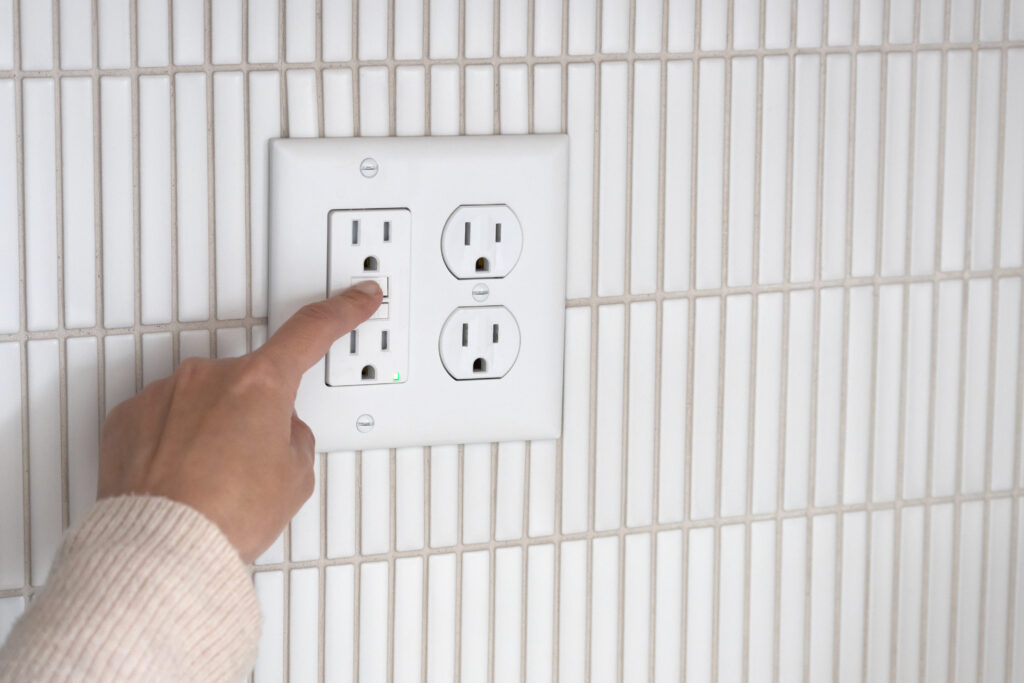
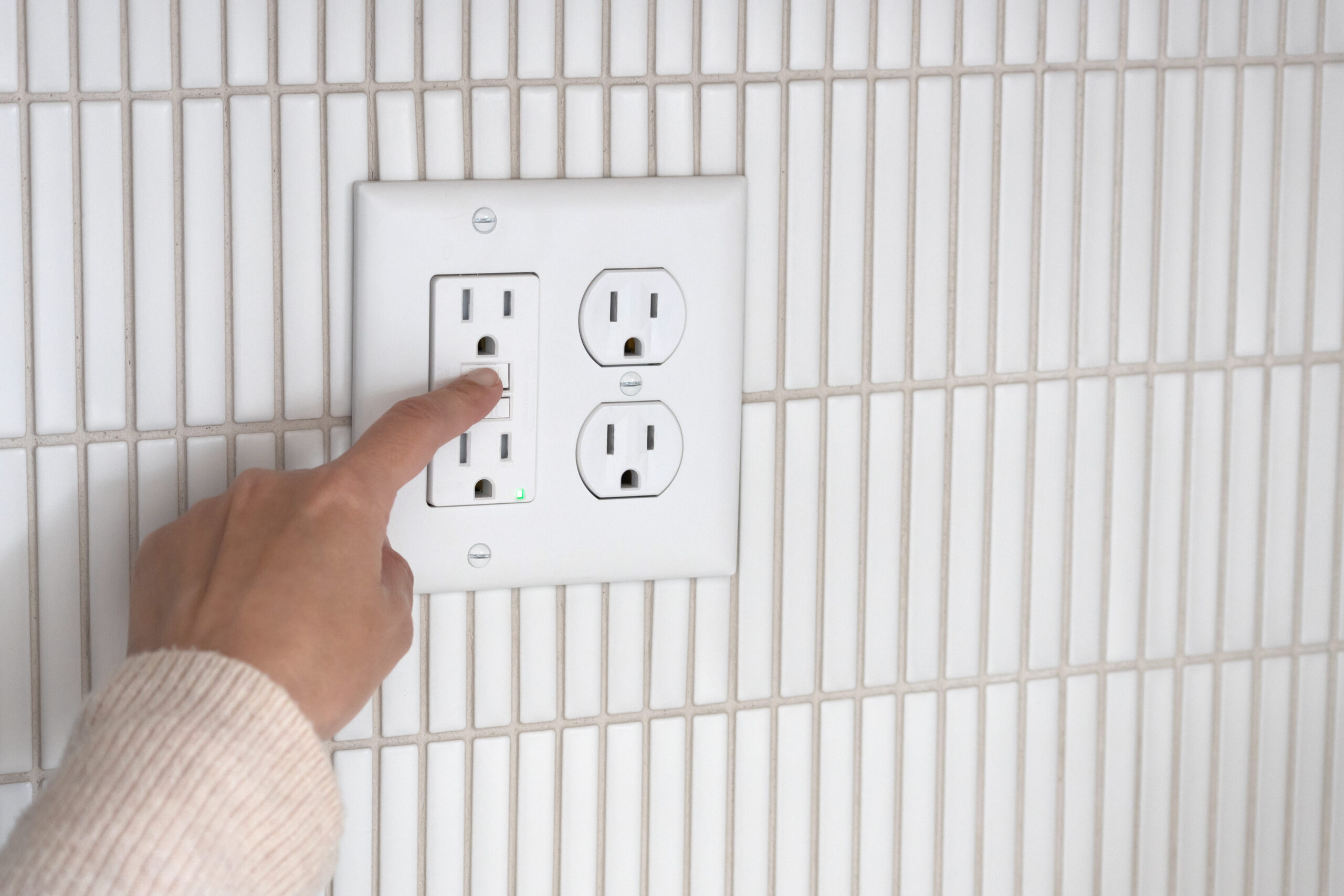
If you have ever noticed an outlet in your bathroom, kitchen, or garage with two small buttons labeled “Test” and “Reset,” you are looking at a Ground Fault Circuit Interrupter outlet — commonly called a GFCI outlet. That little reset button is not decorative, and it is definitely not optional. It is one of the most important safety features built into your home’s electrical system, and understanding how it works could genuinely protect your family from serious harm. Most homeowners walk past these outlets every single day without giving them a second thought, which is exactly why this article exists.
How a GFCI Outlet Actually Works
The basic principle behind a GFCI outlet is elegantly simple. The outlet constantly monitors the flow of electrical current moving between the hot and neutral wires. Under normal operating conditions, the current going out should equal the current returning. The moment that balance shifts — even by a tiny fraction — the GFCI interprets that as a ground fault, meaning electricity is escaping its intended path. That could be through water, a faulty appliance, or a person. When a ground fault is detected, the outlet cuts power in as little as one-thirtieth of a second. That response time is fast enough to prevent electrocution in most situations. The reset button is what you press to restore power after the outlet has tripped.
Where GFCI Outlets Are Required in Your Home
Building codes in the United States have required GFCI protection in certain areas of the home since the 1970s, and those requirements have expanded significantly over the decades. Today, the National Electrical Code mandates GFCI outlets in any location where water and electricity might reasonably come into contact. That list includes bathrooms, kitchens within six feet of a sink, garages, unfinished basements, outdoor areas, crawl spaces, and near swimming pools or hot tubs. If your home was built before these codes were updated and you have never had the electrical system upgraded, there is a real chance some of these areas are not properly protected. That is worth knowing.

The Key Advantages of GFCI Outlets
The most obvious benefit is safety, and it is substantial. Electrocution is a real and preventable cause of death in residential settings, and GFCI outlets have played a documented role in reducing those numbers since their widespread adoption. But the advantages do not stop at shock prevention. GFCI outlets also protect against electrical fires caused by ground faults, which can occur inside walls and go undetected for extended periods. Additionally, they protect your appliances from damage caused by electrical irregularities. From a home value perspective, having properly installed and functioning GFCI outlets is a selling point that home inspectors will note and buyers will appreciate. These outlets are relatively inexpensive to install, making the cost-to-benefit ratio extremely favorable.
Common Drawbacks and Limitations to Understand
GFCI outlets are not without their quirks, and homeowners should go in with realistic expectations. Here are some of the more common issues that come up:
- Nuisance tripping is a frequent complaint — older GFCI outlets or those installed in humid environments can trip without any actual fault present, which becomes frustrating quickly.
- GFCI outlets have a finite lifespan, typically around 10 to 15 years, after which they may fail silently, meaning the outlet still provides power but the protection mechanism no longer works.
- They do not protect against all electrical hazards — a GFCI will not trip in response to an overloaded circuit or a short circuit between hot and neutral wires, which is a job for your circuit breaker.
- Cold weather can affect outdoor GFCI outlets, causing them to trip more frequently during winter months.
How to Test Your GFCI Outlets at Home
Testing a GFCI outlet takes about thirty seconds and requires no special tools. Start by plugging a lamp or small device into the outlet and turning it on. Press the “Test” button. The device should immediately lose power — if it does, the protection mechanism is working. Then press the “Reset” button. Power should return to the outlet. If pressing “Test” does not cut power, or if the “Reset” button will not stay depressed, the outlet has failed and needs to be replaced. Electrical safety experts recommend performing this test monthly, though most homeowners do it far less frequently. Setting a reminder on your phone twice a year is a reasonable compromise that most people will actually stick to.
When a GFCI Outlet Will Not Reset and What It Means
A GFCI outlet that refuses to reset is telling you something specific. There are a few different scenarios that can cause this behavior. First, there may still be an active ground fault present — something plugged into the outlet or wired downstream that is still causing the imbalance. In that case, the outlet is doing exactly what it is supposed to do. Unplug everything connected to that outlet and try resetting again. If it still will not hold, the outlet itself may be damaged or at the end of its service life. There is also the possibility that the outlet was wired incorrectly during installation, which is more common than people expect in older homes. At that point, calling a licensed electrician is the right move. Do not attempt to rewire a GFCI outlet unless you have specific training and experience with residential electrical work.
GFCI Outlets vs. GFCI Circuit Breakers
It is worth knowing that ground fault protection does not have to come from individual outlets. GFCI circuit breakers can be installed in your electrical panel and will protect every outlet, fixture, and hardwired appliance on that circuit. This approach is particularly useful in areas where multiple outlets need protection and running individual GFCI outlets through the wiring chain is impractical. The trade-off is that GFCI breakers are more expensive upfront and any trip event cuts power to the entire circuit rather than just one outlet. For most residential applications, a combination of GFCI outlets in individual locations and GFCI breakers for larger circuits represents a balanced and practical approach to whole-home ground fault protection.
Why Home Warranty Coverage Makes Sense for Electrical Systems
Your home’s electrical system is complex, quietly essential, and prone to age-related failures that can feel completely random when they happen. GFCI outlets are just one component within a much larger network of wiring, panels, breakers, and connections that work together every minute of every day. When something goes wrong — and eventually, something will — having a plan in place before the problem appears is the kind of decision that feels obvious in hindsight. Armadillo home warranty plans that cover electrical system failures are designed specifically for homeowners who understand the value of protection without the guesswork. Whether it is a failed GFCI outlet, a tripping breaker, or a more significant wiring issue, coverage that addresses these repairs directly takes the financial surprise out of the equation. If you want to see what that protection looks like for your specific home, you can get a personalized home warranty quote for electrical and system coverage in just a few minutes. It is a straightforward step that a lot of homeowners wish they had taken before the first repair bill arrived.

Frequently Asked Questions About GFCI Outlets and the Reset Button
These are the questions homeowners ask most often about GFCI outlets, ground fault protection, and how these safety devices fit into the bigger picture of home maintenance and coverage.
What does the reset button on an outlet actually do?
The reset button restores power to a GFCI outlet after it has tripped in response to a detected ground fault. When the outlet senses an imbalance in electrical current, it cuts power immediately as a safety measure. Pressing the reset button re-engages the circuit once the fault condition has been resolved.
Why does my GFCI outlet keep tripping for no obvious reason?
Frequent tripping without a clear cause is often the result of moisture inside the outlet box, an aging GFCI that has become overly sensitive, or a faulty appliance plugged into the circuit. If the tripping continues after testing each plugged-in device individually, the outlet itself may need to be replaced.
How long do GFCI outlets typically last?
Most GFCI outlets have a functional lifespan of 10 to 15 years. After that period, the protection mechanism can degrade or fail while the outlet continues to deliver power, creating a false sense of security. Regular monthly testing is the best way to catch a silent failure.
Can one GFCI outlet protect multiple outlets in the same room?
Yes. When wired correctly, a single GFCI outlet can provide protection to other standard outlets connected downstream on the same circuit. This is a common installation approach in bathrooms and kitchens where multiple outlets share a single circuit.
Is it safe to replace a GFCI outlet myself?
Replacing a GFCI outlet is within the skill set of a confident DIYer who understands basic electrical safety and knows how to turn off the correct circuit breaker. However, if the wiring is unfamiliar, older, or shows any signs of damage, hiring a licensed electrician is the safer and more reliable choice.
Why will my GFCI outlet not reset even after I unplug everything?
If the outlet refuses to reset after all devices have been disconnected, the outlet itself has likely failed and needs to be replaced. In some cases, an upstream wiring issue or an improperly installed outlet can also prevent a successful reset.
Does a home warranty typically cover GFCI outlet repairs or replacements?
Coverage varies by provider and plan, but many home warranty plans that include electrical system protection will cover the repair or replacement of failed outlets, including GFCI outlets. Reviewing the terms of your specific plan will clarify exactly what is included.
Are GFCI outlets required by law in existing homes?
Current National Electrical Code requirements apply primarily to new construction and major renovations. Existing homes are not always legally required to be retroactively updated, but adding GFCI protection to older homes is strongly recommended for safety and can be beneficial when selling the property.
What is the difference between a GFCI outlet and an AFCI outlet?
A GFCI outlet protects against ground faults, which occur when current escapes its intended path and poses a shock risk. An Arc Fault Circuit Interrupter, or AFCI, protects against arc faults, which are electrical discharges that can ignite surrounding materials and cause fires. Both serve different but complementary safety functions.
How do I know if my home has GFCI protection in all the right places?
A licensed electrician can perform a full assessment of your home’s electrical system to confirm GFCI compliance in all required locations. Alternatively, a thorough home inspection will typically flag missing GFCI protection as a safety concern in areas like bathrooms, kitchens, garages, and outdoor receptacles.