Understanding GFCI Outlets: How Ground Fault Circuit Interrupters Keep Your Home Safe
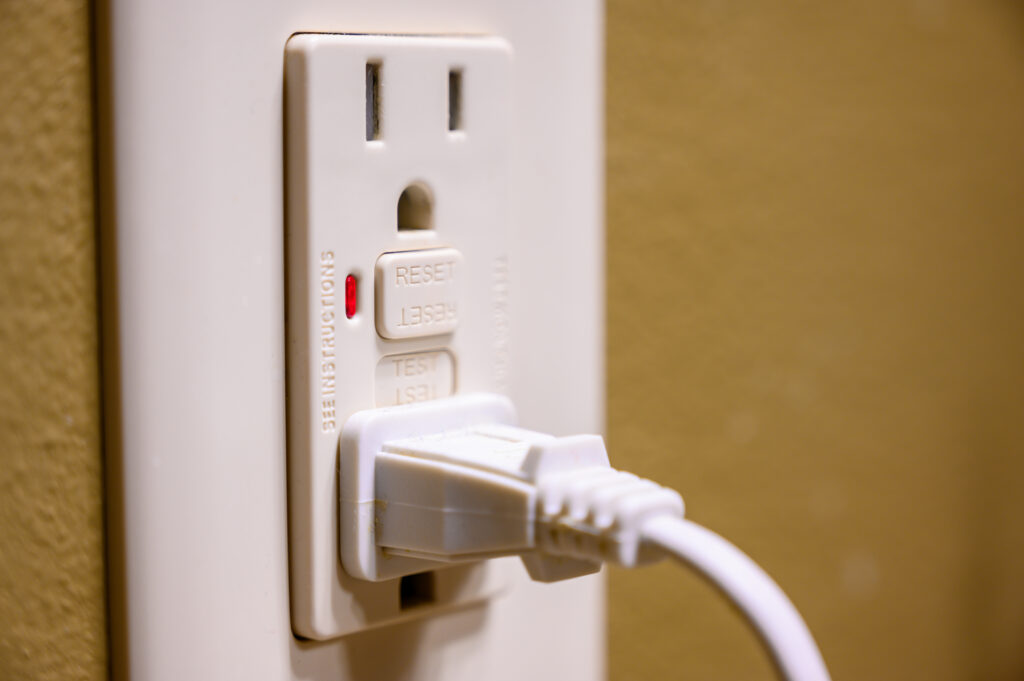
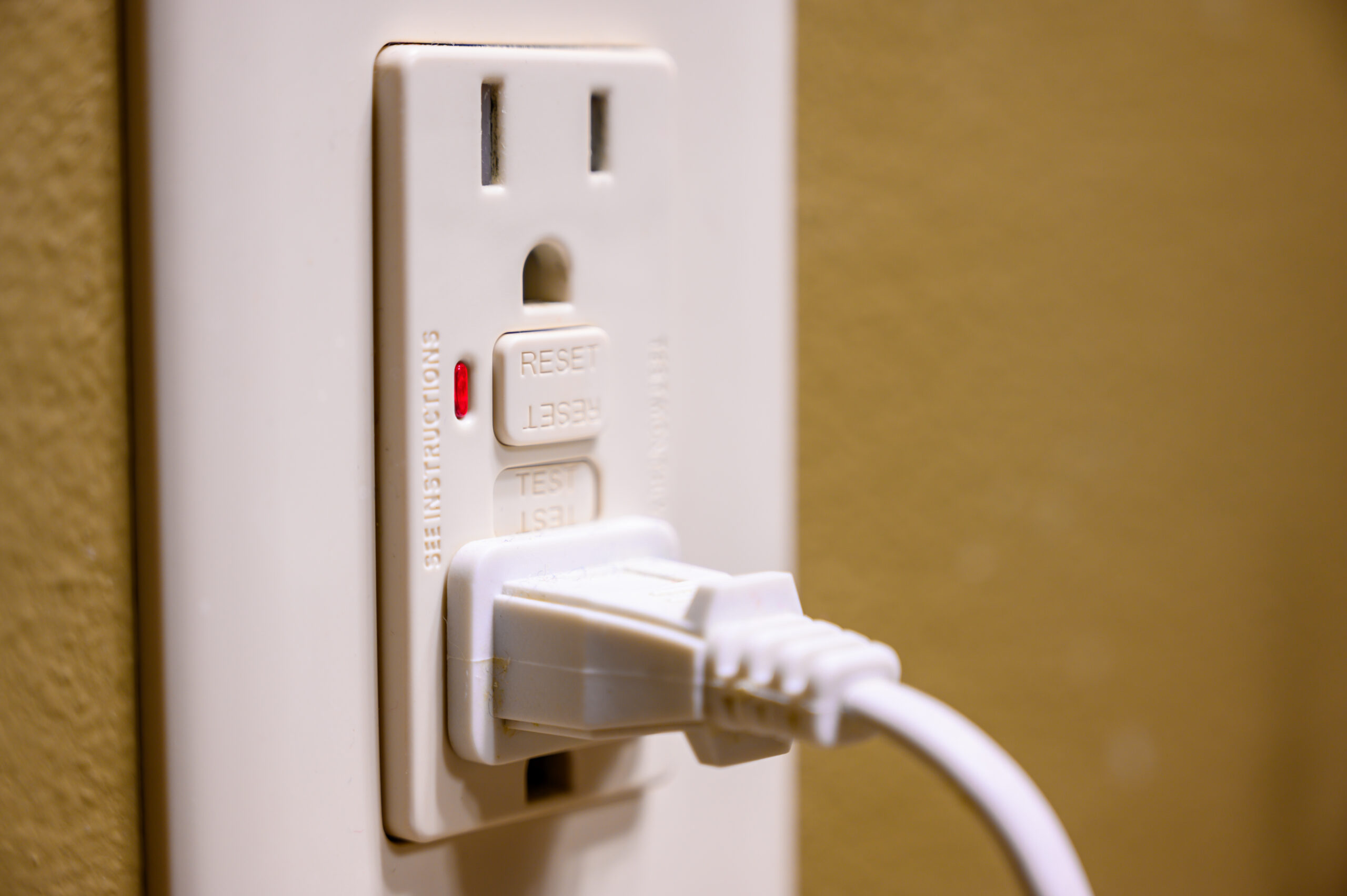
There’s a good chance you’ve seen them—those familiar outlets with the “test” and “reset” buttons typically located near your kitchen sink, bathroom counter, or outdoor plugs. These are Ground Fault Circuit Interrupters, or GFCIs, and they serve a critical role in modern home electrical systems. As a homeowner, understanding how these outlets work, why they’re important, and how to maintain them isn’t just knowledge for the sake of curiosity—it’s an essential part of keeping your home safe. Let’s explore how GFCI outlets function, their advantages, some drawbacks to consider, and practical tips to help you manage them effectively.
What is a GFCI Outlet and Why Does Your Home Need It?
A GFCI outlet is a specialized type of electrical outlet designed to prevent electric shock. It does this by constantly monitoring the electrical current flowing through a circuit. If the GFCI detects even a slight irregularity—such as current flowing through water, or a human body—it will instantly cut off power to that circuit. These outlets are especially crucial in areas where moisture and electricity are more likely to mix, such as kitchens, bathrooms, garages, basements, laundry rooms, and outdoor spaces.
How GFCI Outlets Work: A Faster-than-Light Safety Response
Here’s where the science steps in. A GFCI compares the amount of current going into the circuit with the amount flowing out. In a properly functioning outlet, the input and output currents are equal. The moment it detects a difference as small as 4 to 6 milliamps—perhaps indicating electrical current is escaping the intended path and traveling through water or a person—it cuts the power. This happens in approximately one-thirtieth of a second. That speed is not only impressive; it can be lifesaving. It’s what distinguishes GFCIs from standard circuit breakers, which protect against overloads and short circuits, but not body-level electrocution.
The Critical Benefits of Installing GFCI Outlets
The clearest advantage of GFCI outlets is enhanced safety. According to the Electrical Safety Foundation International, GFCIs have reduced home electrocutions by over 80% since their introduction. But the benefit isn’t just for new constructions—homes undergoing remodeling are often required to install GFCIs when updates involve electrical changes in moisture-prone areas. Additionally, many insurance and warranty policies take outlet compliance into account when evaluating risk and issuing claims. Ensuring your home is equipped with modern GFCIs can also support property value, lending credibility to its electrical integrity when it’s time to sell or insure.
Common Issues and Limitations of GFCI Technology
No technology is without downsides. GFCIs, while reliable, aren’t infallible. Like any device, they can wear out over time—especially in older homes where incoming voltage is less consistent. GFCI outlets are also sensitive to nuisance tripping, where they shut off power for reasons that don’t indicate real danger. This can be particularly frustrating with high-draw appliances like refrigerators or garage tools. Environmental factors such as moisture build-up, faulty wiring, or even nearby electronics can trigger them unnecessarily. Additionally, because the protection a GFCI offers is dependent on its internal sensor mechanism, a failure risks rendering the outlet ineffective without any outward sign—unless it’s routinely tested.
Practical Maintenance: How to Test and Reset GFCI Outlets Properly
The most important maintenance tip is straightforward: test your GFCI outlets regularly. Once a month is the recommended interval. Simply press the “test” button; this should instantly cut off power to anything plugged into the outlet. Press “reset” to restore power. If pressing “test” doesn’t disable the devices or “reset” doesn’t return them to function, the outlet may be defective and should be replaced immediately by a licensed electrician. During testing, make sure you’re using a small appliance like a lamp to verify whether power is flowing. Don’t rely on visual inspection alone. Over time, the sensitive electronics inside a GFCI can fail silently—and without regular testing, you wouldn’t know until an emergency occurs.
Where to Install GFCIs: Code Requirements and Smart Placements
According to the National Electrical Code (NEC), GFCIs are required in any room or location that has the potential to expose outlets to moisture. This includes kitchens, bathrooms, laundry areas, basements, garages, crawl spaces, outdoor receptacles, and even pool or spa areas. Beyond code compliance, consider installing additional GFCIs in locations where children or pets are likely to interact with electrical devices. Remember, a single GFCI can also protect other outlets downstream on the same circuit, so strategic placement can save on installation costs while still maximizing safety. However, improper setup can limit coverage, so professional installation is recommended.
Protecting Electrical Systems with Armadillo Home Warranty Coverage
Electrical systems are one of the most relied-upon systems in your home, but they’re also among the most misunderstood until something goes wrong. A failed GFCI outlet might feel small, but underlying electrical issues can escalate quickly—inconveniencing your daily routine and increasing safety risks. At Armadillo, we’ve built home warranty plans that put smart coverage behind your electrical system. Whether your GFCI outlets stop working or you face a deeper wiring concern, our plans connect you with qualified professionals to get things fixed quickly and safely. Plus, with coverage tailored to your zip code, getting started is simple. Learn more about what Armadillo offers at armadillo.one, or begin protecting your home in minutes by starting a custom plan at this link.