When Your GFCI Receptacle Won’t Reset: What Every Homeowner Should Know
You press the reset button on that little outlet in the bathroom, and nothing happens. You press it again. Still nothing. It’s one of those small home moments that feels oddly personal, like the house is just not cooperating. GFCI receptacles that won’t reset are one of the more common electrical complaints homeowners deal with, and while they might seem like a minor inconvenience, they can point to something worth paying attention to. Understanding what’s actually going on behind that outlet can save you frustration, help you troubleshoot effectively, and tell you when it’s time to call a licensed electrician.
What Is a GFCI Receptacle and Why Does It Matter
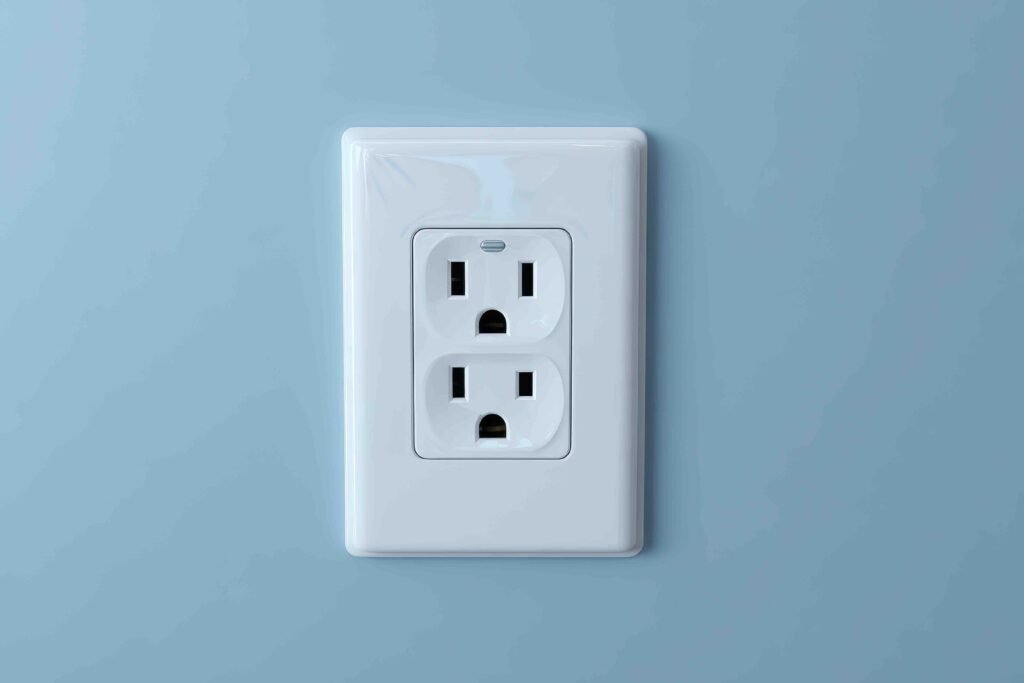
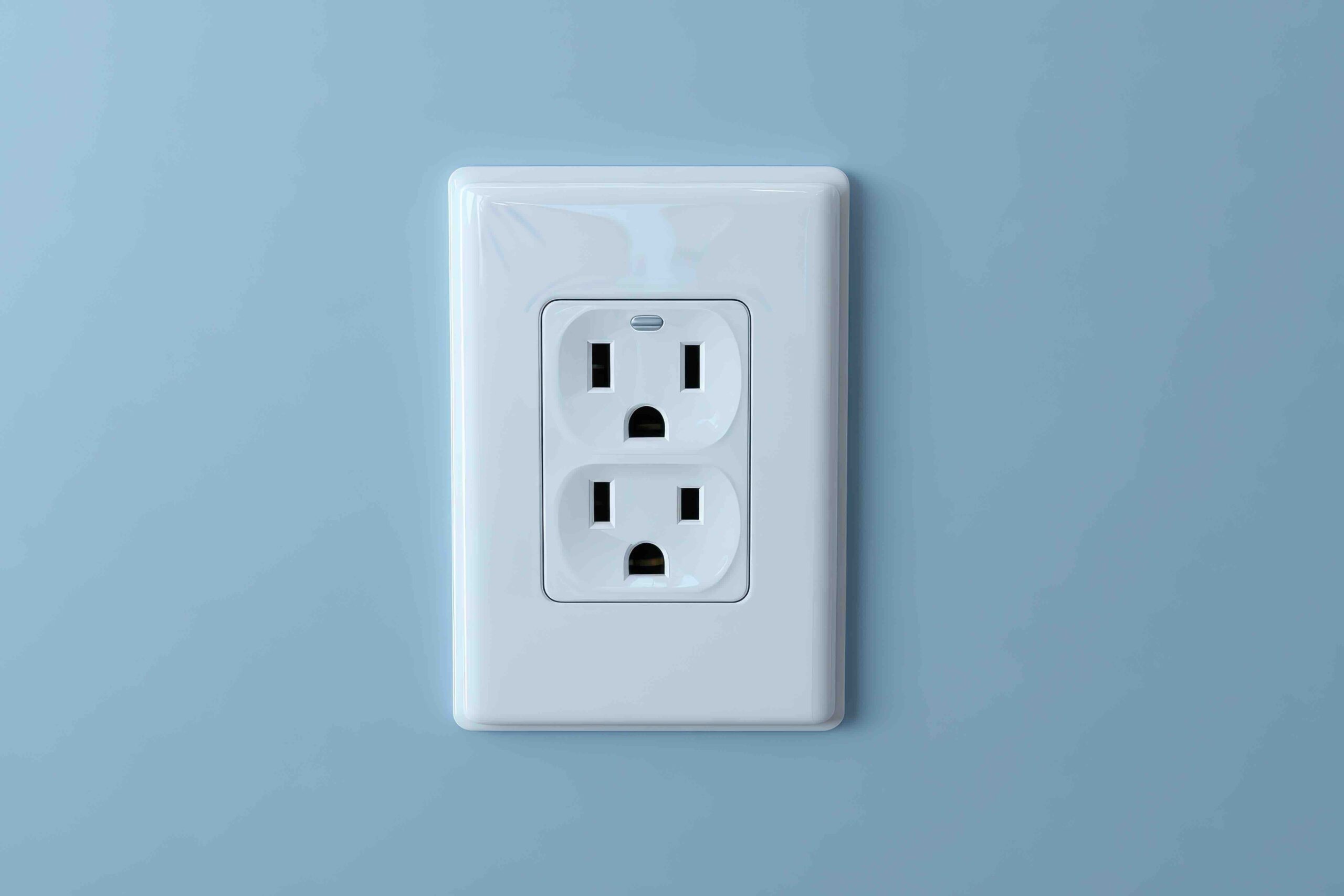
GFCI stands for Ground Fault Circuit Interrupter. It is a specialized type of electrical outlet designed to protect people from electric shock by constantly monitoring the flow of electricity through a circuit. When the outlet detects even a small imbalance in current — indicating that electricity may be leaking through an unintended path, such as water or a person — it cuts power almost instantly. We are talking about a reaction time measured in milliseconds. These outlets are recognizable by the small “Test” and “Reset” buttons located between the two plug slots. They are required by code in areas where water is present, including bathrooms, kitchens, garages, outdoor spaces, and unfinished basements.
How a GFCI Receptacle Actually Works
Inside a GFCI outlet, there is a sensor that continuously compares the amount of current flowing out to the amount returning. Under normal operating conditions, those two values should be equal. The moment there is a discrepancy — even as small as four to five milliamps — the internal circuitry interprets it as a ground fault and trips the outlet, cutting power to prevent injury. When the fault is cleared, pressing the reset button restores power. That reset button is essentially re-engaging the internal mechanism that was tripped. If the underlying issue has not been resolved, the outlet simply will not reset, which is actually the system working exactly as intended.
Common Reasons a GFCI Outlet Won’t Reset
There are several reasons a GFCI receptacle might refuse to reset, and not all of them mean something is seriously wrong. That said, some of them do warrant prompt attention. Here are the most frequent causes homeowners encounter:
- The circuit is still experiencing a ground fault, meaning there is an ongoing electrical leak the outlet is responding to
- Moisture has entered the outlet or the box behind it, especially in bathrooms or outdoor locations
- A connected appliance or device is faulty and drawing current in an irregular way
- The GFCI outlet itself has reached the end of its useful life and needs to be replaced
- There is a wiring issue upstream or downstream that is affecting how the outlet reads current
- The outlet was never properly powered to begin with, meaning it tripped before it ever had a chance to reset
One thing homeowners sometimes overlook is that GFCI outlets can also protect additional standard outlets downstream on the same circuit. If a downstream outlet has an issue, it can prevent the upstream GFCI from resetting. This is worth investigating before assuming the GFCI itself is the problem.
Understanding Grounded Versus Ungrounded GFCI Receptacles
Here is where things get a little more nuanced. A GFCI outlet does not have to be grounded to work properly as a shock protection device. The two functions — ground fault protection and grounding — are actually independent of each other. In older homes that lack a grounded wiring system, electricians commonly install GFCI receptacles as a code-compliant method of providing shock protection even without a physical ground wire. These outlets must be labeled “No Equipment Ground” to indicate the distinction. However, grounding itself still matters for the overall function of sensitive electronics and appliances. A GFCI outlet in an ungrounded system protects people but does not provide the full electrical protection a properly grounded system would offer.

How to Troubleshoot a GFCI Outlet That Won’t Reset
Before calling an electrician, there are a few straightforward steps you can take on your own. Start by unplugging everything connected to the outlet or to any outlets it may be protecting downstream. Sometimes a faulty appliance is the only thing holding the outlet in a tripped state. Once all devices are disconnected, press the reset button firmly. If it clicks and holds, plug your devices back in one at a time to identify which one is causing the trip. If the outlet still will not reset after everything is unplugged, check the electrical panel for a tripped breaker associated with that circuit. Reset the breaker if needed, then try the GFCI reset again. If none of that works, the outlet itself may need replacement or there may be a wiring issue that requires a professional diagnosis.
Key Advantages of GFCI Receptacles in the Home
It is easy to take these outlets for granted, but GFCI receptacles have genuinely saved lives since becoming a required safety feature in residential construction. Their advantages go beyond basic shock protection. They respond faster than a standard circuit breaker, they can protect multiple outlets on a single circuit, and they provide an early warning system when something in your home’s electrical environment is off. For older homes being updated, GFCI outlets offer a practical way to significantly improve electrical safety without needing to rewire the entire property. They are relatively inexpensive, widely available, and installation is straightforward for a licensed electrician.
Common Drawbacks and Limitations to Be Aware Of
GFCI receptacles are not without their shortcomings. They can be overly sensitive, tripping in response to minor fluctuations that pose no actual safety risk. Older or lower-quality units may nuisance-trip frequently, which becomes disruptive in high-use areas. The outlets themselves have a limited lifespan, typically around ten years, and older units may fail silently — meaning they stop providing protection without any visible indication that anything is wrong. It is worth pressing the test button periodically to confirm the outlet is still functioning correctly. Additionally, GFCI outlets in wet or outdoor environments are more vulnerable to moisture intrusion, which can compromise both function and longevity.
When to Call a Licensed Electrician
Some GFCI troubleshooting is safe for homeowners to handle independently, but there are clear situations where a licensed electrician should take over. If an outlet repeatedly trips after being reset with no obvious appliance causing the issue, that is a signal something deeper is wrong. Burning smells, visible scorch marks, or outlets that feel warm to the touch are serious warning signs that should be addressed immediately. Any work that requires accessing the wiring inside the electrical box — including replacing a GFCI outlet — should be performed by a qualified professional unless the homeowner has specific electrical knowledge and experience. Electrical work done incorrectly creates hazards that are not always immediately visible.
How Armadillo Helps When Electrical Issues Surface at Home
Electrical problems have a way of surfacing at the most inconvenient times. A GFCI outlet that won’t reset might seem minor, but it can quickly reveal deeper wiring issues, aging components, or failures that become costly to address out of pocket. That is exactly where having a reliable home warranty makes a genuine difference. Armadillo home warranty plans built for modern homeowners are designed to cover the systems and appliances that keep your home running, offering real peace of mind when something unexpected goes wrong. Instead of scrambling to find a qualified electrician and worrying about repair costs, you have a plan in place that handles the coordination and coverage for you. If GFCI outlets and electrical system issues are a concern in your home, now is the right time to think proactively. You can get a free home warranty quote for electrical system protection in just a few minutes and see exactly what coverage options are available for your specific home.

Frequently Asked Questions About GFCI Receptacles
Below are answers to the questions homeowners ask most often about GFCI outlets, resetting, and electrical grounding.
Why won’t my GFCI outlet reset even after I press the button?
The outlet may still be detecting an active ground fault. Try unplugging all connected devices first. If it still won’t reset, the outlet itself may be faulty, there may be moisture in the box, or there could be a wiring issue that requires a licensed electrician to diagnose.
Does a GFCI outlet need to be grounded to work?
No. A GFCI outlet provides shock protection independently of whether the circuit is grounded. In older homes without grounded wiring, GFCI outlets are a code-acceptable solution for electrical safety, though they must be labeled “No Equipment Ground.”
How often should I test my GFCI outlets?
It is recommended to test GFCI outlets once a month using the built-in Test button. Press Test to trip the outlet, then press Reset to restore power. If the outlet does not respond correctly to either action, it should be replaced.
Can one GFCI outlet protect multiple outlets in my home?
Yes. GFCI outlets wired in a daisy-chain configuration can protect all standard outlets downstream on the same circuit. This is a common installation method that allows a single GFCI to provide protection for multiple locations without installing individual GFCI outlets at each point.
How long do GFCI outlets last?
The average lifespan of a GFCI outlet is approximately ten years. After that point, the internal components can degrade and the outlet may stop providing protection even if it appears functional. Outlets that no longer trip during testing should be replaced promptly.
Can moisture cause a GFCI outlet to stop resetting?
Yes. Moisture is one of the most common causes of GFCI trips in bathrooms, kitchens, and outdoor installations. Water intrusion can cause the outlet to detect a fault condition even when no appliance is connected. The outlet must be allowed to dry completely before attempting to reset it, and persistent moisture issues may require professional inspection.
Is it safe to replace a GFCI outlet myself?
Replacing a GFCI outlet can be done by a knowledgeable homeowner, but it requires turning off the circuit at the breaker panel and carefully handling wiring connections. If you are not confident working inside electrical boxes or if the wiring appears damaged or unusual, it is safer to hire a licensed electrician.
Why does my GFCI outlet keep tripping with nothing plugged in?
If a GFCI outlet trips repeatedly with nothing connected, the most likely causes are internal outlet failure, moisture in the electrical box, or a wiring fault in the circuit itself. This situation warrants an inspection by a qualified electrician to rule out a more serious underlying issue.
Does a home warranty cover GFCI outlet repairs or replacements?
Coverage depends on the specific home warranty plan. Many home warranty plans that include electrical system coverage will address wiring and outlet failures, including GFCI outlets. Reviewing your plan details or speaking with your warranty provider will clarify what is and is not covered.
Where are GFCI outlets required by code in a home?
Current electrical codes require GFCI protection in bathrooms, kitchens within six feet of a sink, garages, unfinished basements, outdoor outlets, crawl spaces, and near swimming pools or hot tubs. Requirements have evolved over time, so older homes may not meet current standards unless updates have been made.