What That Green Light on Your GFCI Outlet Is Actually Telling You
You have probably walked past it a hundred times without thinking twice about it. That small green light glowing steadily on your GFCI outlet in the bathroom, kitchen, or garage. It seems fine, so you move on. But if you have ever stopped and wondered what it actually means, you are asking the right question. Understanding what that indicator light communicates, and why it matters, is one of those small homeowner details that quietly protects your household in a big way.
What Is a GFCI Outlet and Why Does It Exist
A GFCI, which stands for Ground Fault Circuit Interrupter, is a specialized electrical outlet designed to protect people from electric shock. It monitors the flow of electricity moving through a circuit and detects even the smallest imbalances, sometimes as little as four to five milliamps of leakage current. When it senses something is off, it shuts down power to that outlet almost instantly, typically within one-thirtieth of a second. That speed is what makes it life-saving in environments where water and electricity coexist, like bathrooms, kitchens, garages, and outdoor areas. The National Electrical Code requires GFCI outlets in these locations for a reason, and that reason is straightforward: people have been seriously injured or killed by ground faults in wet areas. A standard outlet does not have this protection built in.
So What Does the Green Light Mean
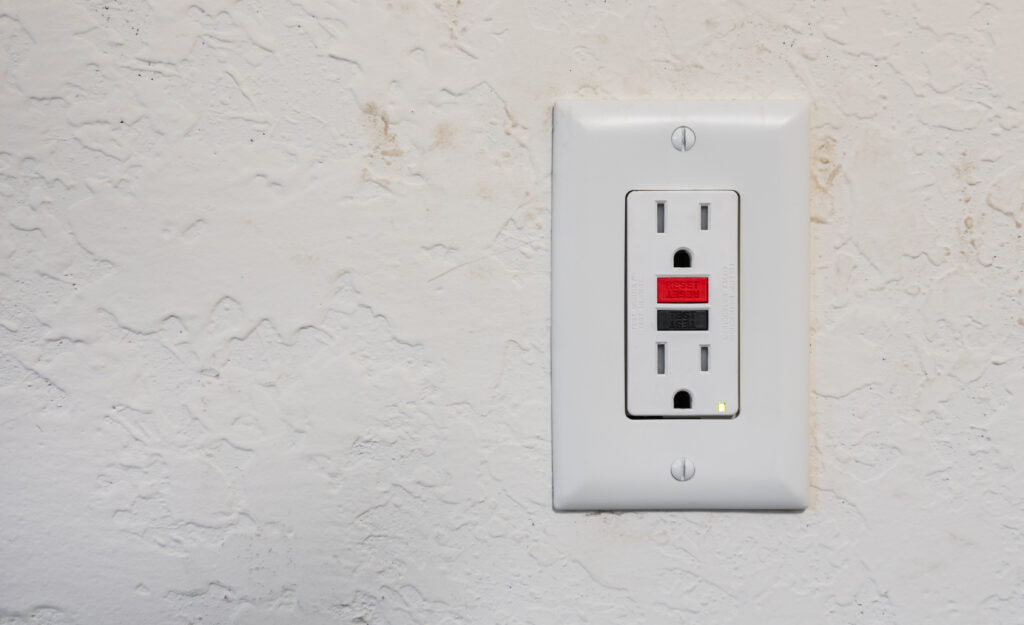
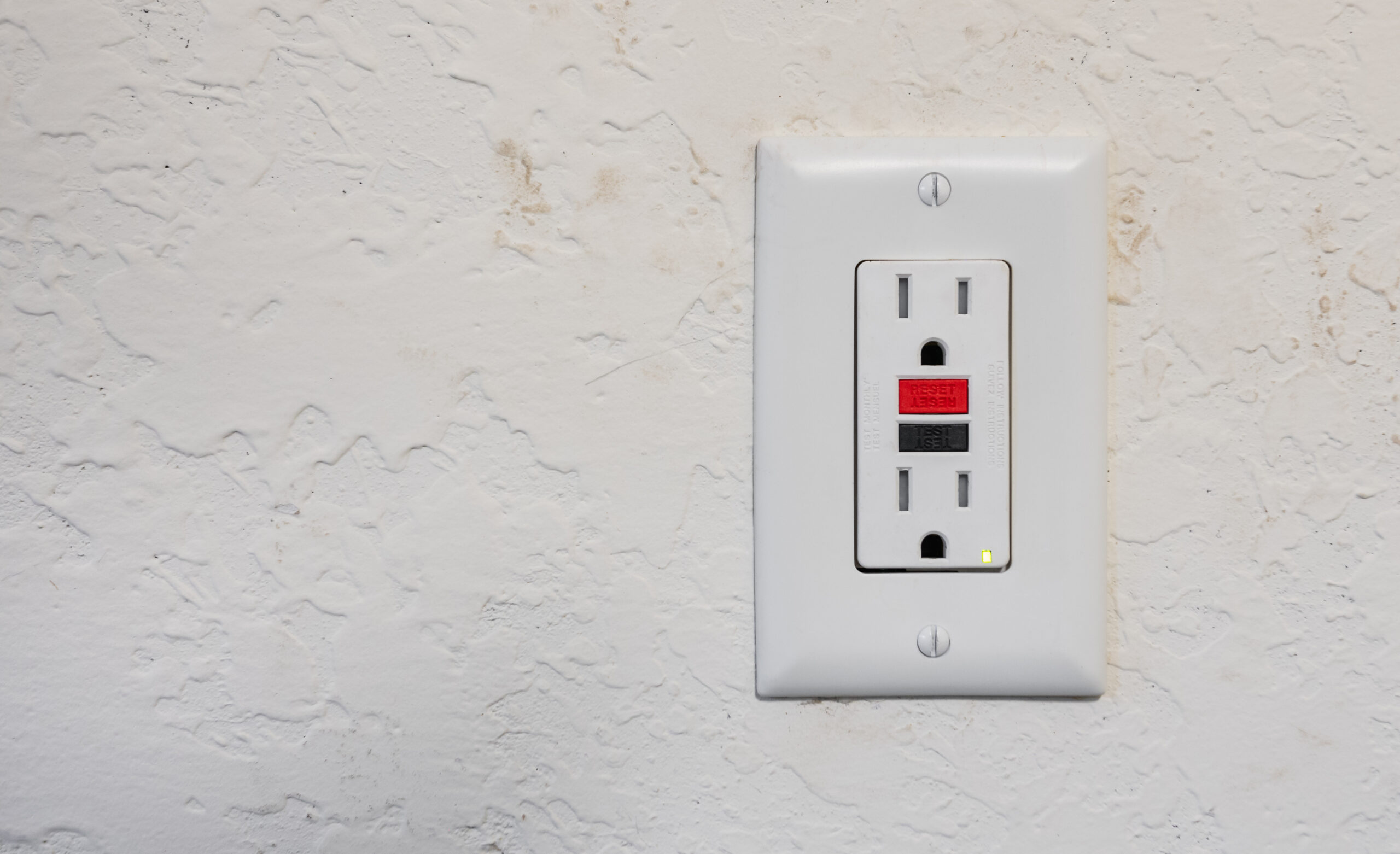
The green light on a GFCI outlet is an indicator that the outlet is receiving power and, in many models, that it has passed its internal self-test. Think of it as the outlet giving you a quiet thumbs-up. It means the circuit is energized, the GFCI function appears to be operational, and nothing has tripped it into a fault state. Some manufacturers include this light specifically as a grounded indicator, meaning it confirms the outlet is properly wired to a grounding path. This distinction matters because an ungrounded or miswired outlet can still allow electricity to flow without offering the full protection you expect. That little green glow, as subtle as it is, is communicating something important about your home’s electrical safety status.

What It Means When the Light Is Not Green
This is where things get more interesting. A GFCI outlet can display different indicator states depending on the brand and model, and each one tells a different story. If the outlet has no light at all, it may simply not have a built-in indicator, or it may have lost power entirely. A red light or a flashing light often signals a fault condition, meaning the outlet has detected a ground fault and tripped, or there is a wiring issue present. Some newer models use a red indicator specifically to warn that the outlet has failed its self-test and should be replaced. Seeing any color other than green, or seeing no light when one is expected, warrants attention. It is not always an emergency, but it is always worth investigating.
The Key Advantages of GFCI Protection in Your Home
GFCI outlets are one of the most cost-effective safety upgrades a home can have. Here is what they bring to the table:
- Rapid response to electrical faults, significantly reducing the risk of electrocution in high-moisture areas
- Protection against electrical fires caused by ground faults in walls and wiring
- Visual status indicators that make it easy to check protection status at a glance
- Code compliance for modern real estate transactions and inspections
- Affordability, with most units costing between fifteen and fifty dollars and installable by a licensed electrician in under an hour
The grounded indicator light specifically adds another layer of transparency. Rather than assuming your wiring is correct, the green light offers a visual confirmation that the outlet has a functional connection to ground, which is necessary for the GFCI’s protective mechanism to operate properly.
Common Drawbacks and Limitations to Know
GFCI outlets are excellent, but they are not perfect. Understanding their limitations helps you maintain realistic expectations and stay proactive about your home’s electrical health. One common frustration is nuisance tripping, where the outlet cuts power in response to minor, harmless electrical leakage from appliances like older refrigerators or certain power tools. This can be annoying but is actually the outlet doing its job correctly. Another limitation is that the indicator light itself, while helpful, does not tell the whole story. Some outlet models can display a green light even when there is a wiring error, particularly if the device is miswired in a way that still allows current to flow. This is sometimes called a false positive. Regular testing using the built-in test and reset buttons, ideally once a month, is the only reliable way to confirm the outlet is functioning as intended. Additionally, GFCI outlets do have a lifespan, typically around ten years, after which the internal components can degrade and the protection may become unreliable even if the outlet still appears to work.
How to Test Your GFCI Outlet the Right Way
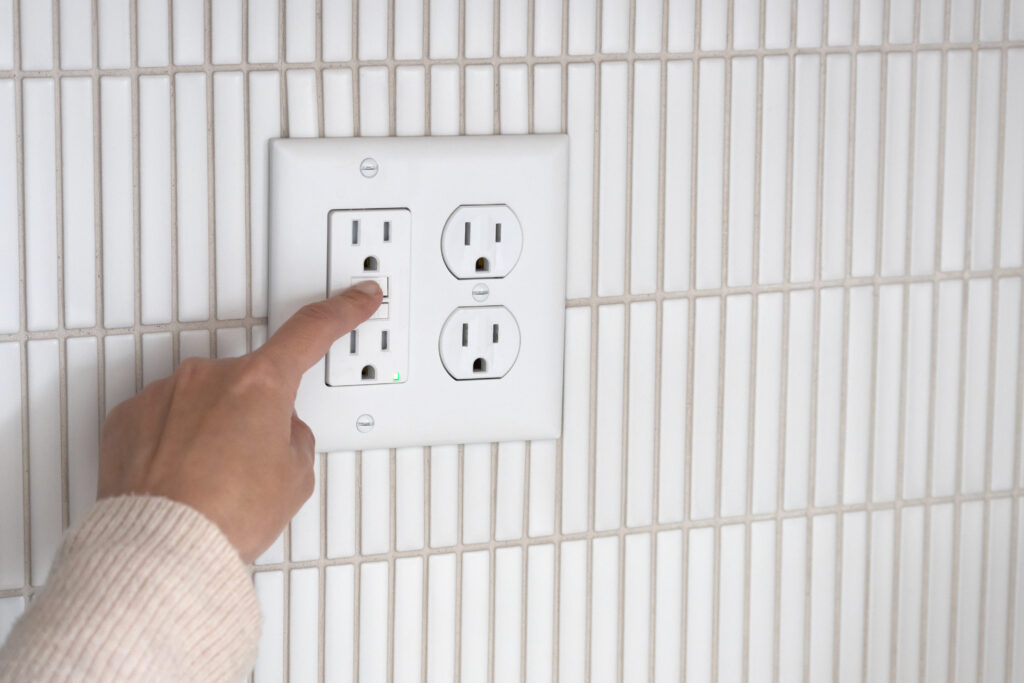
Testing a GFCI outlet is something every homeowner should do regularly, and it takes about thirty seconds. Plug a small lamp or phone charger into the outlet so you can observe whether power cuts. Press the button labeled TEST on the face of the outlet. The device should trip immediately, cutting power to the outlet and anything plugged into it. If your indicator light goes out or changes color, that is expected. Then press RESET, and power should restore. If pressing TEST does not cut power, or if RESET does not restore it, the outlet may be faulty and should be inspected or replaced by a qualified electrician. This simple monthly habit is one of the most underrated home maintenance steps a homeowner can take.
Where GFCI Outlets Are Required and Where They Are Recommended
Building codes have evolved significantly over the decades, and the list of required GFCI locations has expanded with each update to the National Electrical Code. Currently, GFCI protection is required in bathrooms, kitchens within six feet of a sink, garages, crawl spaces, unfinished basements, outdoor receptacles, and areas near swimming pools or hot tubs. However, required placement reflects a minimum standard, not an ideal one. Many electricians and home safety professionals recommend installing GFCI outlets or GFCI circuit breakers throughout the home, particularly in laundry rooms and anywhere appliances may come into contact with moisture. If your home was built before the mid-1970s, it may have limited or no GFCI protection at all, which is worth addressing regardless of whether a code update technically requires it.
Why Home Warranty Coverage and Electrical Systems Go Hand in Hand
Your GFCI outlets are part of a much larger electrical ecosystem inside your home. When one component fails, it often reveals a broader issue, whether that is aging wiring, an overloaded circuit, or a panel that needs attention. Electrical repairs are not cheap, and they often arrive without warning. A licensed electrician’s diagnostic visit alone can run one hundred dollars or more before any actual repair work begins. This is precisely where having a home warranty that covers electrical systems makes practical sense. Knowing that your home’s wiring, outlets, and panels are part of a covered plan means that when something unexpected happens, you are not staring down a large out-of-pocket expense with no support structure in place.
Protect Your Home’s Electrical Systems With Armadillo
When it comes to protecting the systems and appliances that keep your home running safely, preparation is everything. Electrical issues, including GFCI failures, wiring problems, and panel concerns, are among the most stressful and costly surprises a homeowner can face. That is exactly why Armadillo home warranty coverage for electrical systems and home appliances is worth a serious look. Armadillo offers transparent, straightforward home warranty plans designed for real homeowners who want real protection without the fine print runaround. Whether your GFCI outlet is signaling an issue or you simply want to make sure your home’s electrical infrastructure is covered the next time something goes wrong, you can get a free home warranty quote to cover your home’s electrical system today and see exactly what protection looks like for your address and budget.

Frequently Asked Questions About GFCI Outlets and Green Indicator Lights
Homeowners frequently have questions about what their GFCI outlets are telling them and how to respond. Here are clear, direct answers to the most common ones.
What does a green light on a GFCI outlet mean?
A green light on a GFCI outlet typically indicates that the outlet is receiving power and is properly grounded. In many models, it also confirms the outlet has passed its internal safety self-test.
Is a GFCI outlet safe to use if the green light is on?
A green indicator light is a positive sign, but it does not replace regular manual testing. You should still press the TEST and RESET buttons monthly to confirm the outlet’s protective function is working correctly.
What does a red light on a GFCI outlet mean?
A red light usually signals that the outlet has tripped due to a detected ground fault, has failed its self-test, or is indicating a wiring problem. You should press RESET to attempt restoration and contact an electrician if the issue persists.
Why is there no light on my GFCI outlet?
Not all GFCI outlets have indicator lights. If yours previously had a light and it is now dark, the outlet may have tripped, lost power, or failed entirely. Test it with the built-in buttons and inspect the circuit breaker.
How often should I test my GFCI outlets?
Most manufacturers and electrical safety organizations recommend testing GFCI outlets once a month using the built-in TEST and RESET buttons to ensure they are functioning properly.
Can a GFCI outlet show a green light but still be faulty?
Yes. Some miswiring conditions allow current to flow through the outlet, keeping the indicator light active, while the GFCI protection itself does not function correctly. Monthly manual testing is the only reliable verification method.
How long do GFCI outlets last?
GFCI outlets generally have a lifespan of approximately ten years. After that, the internal components can degrade, and the protective function may become unreliable even if the outlet appears to work normally.
Where are GFCI outlets required in a home?
The National Electrical Code requires GFCI outlets in bathrooms, kitchens near sinks, garages, crawl spaces, unfinished basements, outdoor receptacles, and areas near pools or hot tubs.
Does a home warranty cover GFCI outlets and electrical systems?
Coverage varies by provider and plan. Many home warranty plans include electrical system components. Review your specific plan details or contact your provider to confirm what is included.
Can I replace a GFCI outlet myself?
Homeowners with electrical experience can replace a GFCI outlet, but it is generally recommended to hire a licensed electrician to ensure proper wiring, grounding, and code compliance, particularly in older homes.