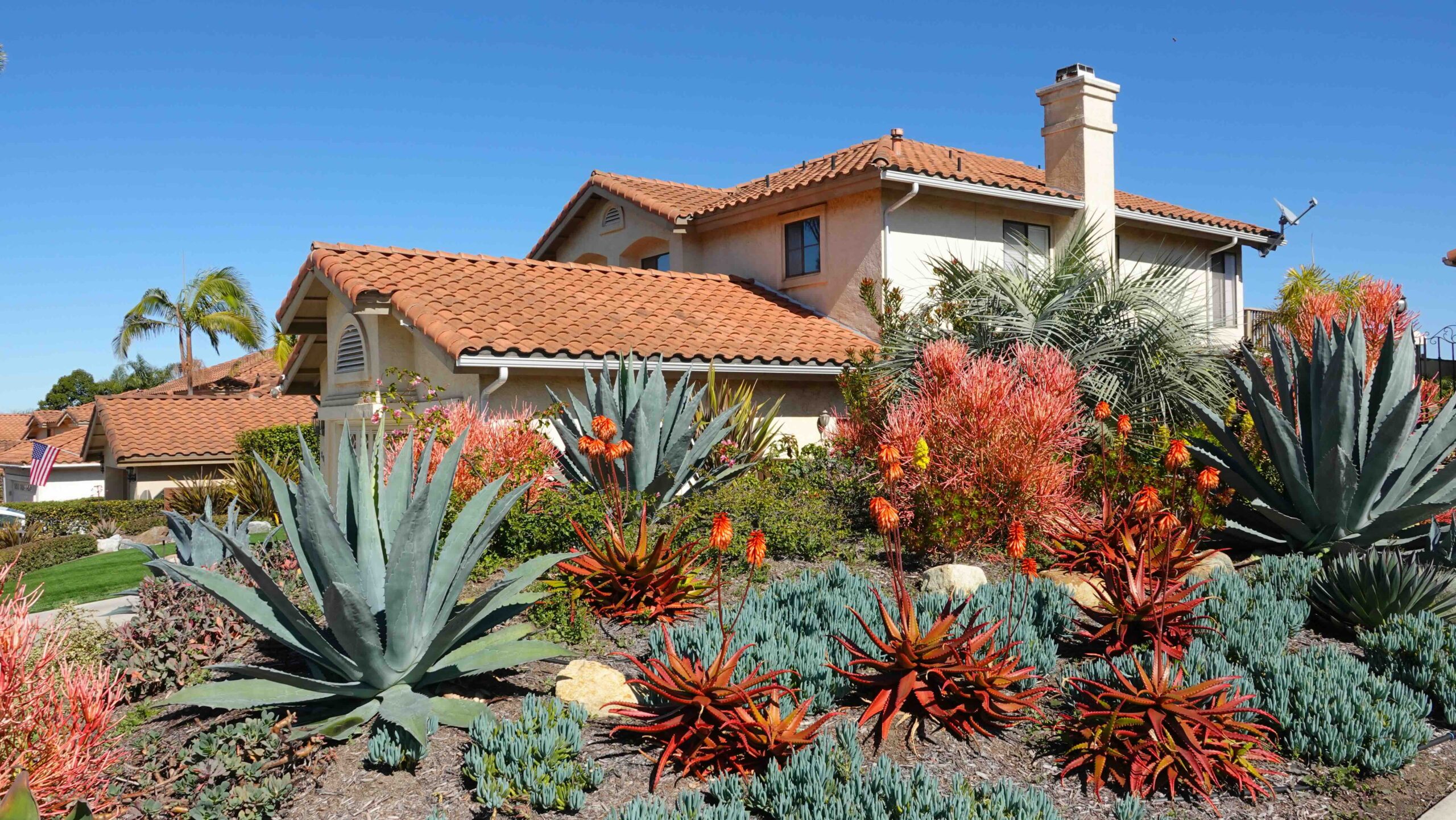
When Grass Gives Up: Ground Cover Solutions for Difficult Areas
There are spots in almost every yard where grass simply refuses to cooperate. Maybe it is that shaded corner under a dense tree canopy, the dry slope along the side of the house, or the compacted strip along a fence line that stays soggy after every rain. Whatever the cause, bare patches and struggling turf are not just an eyesore. They can contribute to erosion, invite weeds, and make a yard feel incomplete no matter how well the rest of it looks. The good news is that ground cover plants and materials exist specifically for these situations. Understanding your options makes the difference between a yard that works against you and one that quietly takes care of itself.
What Ground Cover Actually Means
Ground cover refers to any low-growing plant, material, or combination of plants and materials used to blanket an area of soil that would otherwise be exposed or difficult to maintain. Unlike grass, which demands consistent sunlight, moisture, and foot traffic tolerance to thrive, ground covers are selected for specific conditions. Some are living plants that spread horizontally and suppress weeds naturally. Others are non-living materials like mulch, gravel, or decomposed granite that protect soil and create a finished look without any growing required. The category is broad, and that is actually a feature rather than a flaw. It means there is a solution suited to virtually every problem area a homeowner might encounter.
Why Grass Fails in Certain Areas
Understanding why grass struggles is the first step toward choosing the right replacement. Several common conditions create environments where turfgrass simply cannot sustain itself over time. These include deep or partial shade from trees and structures, heavy foot traffic along narrow paths, steep grades where water runs off before it can absorb, dense tree root systems that compete for nutrients, and soil conditions that are either too compacted, too sandy, or too clay-heavy. In many cases, homeowners spend years overseeding and fertilizing these spots with minimal results. Recognizing the underlying condition and matching the ground cover solution to that condition is where the real progress happens.

Living Ground Covers: Plants That Do the Work
Living ground covers are plants selected for their ability to spread, stay low, and suppress weed competition without needing to be mowed. They add texture, color, and in some cases fragrance to areas where grass has failed. Some of the most effective options for homeowners include creeping thyme, which handles full sun and drought well, and pachysandra, which is reliable in dense shade and spreads steadily over several seasons. Ajuga, also called bugleweed, works in partially shaded areas and produces a vivid purple flower spike in spring. Vinca minor, commonly known as periwinkle, is one of the most widely used shade ground covers because it is low maintenance, evergreen in most climates, and handles root competition from trees reasonably well. Native options like wild ginger or creeping phlox are worth considering for homeowners who want to support local pollinators while solving a coverage problem.
Non-Living Ground Cover Options
Not every homeowner wants to manage a living ground cover, and that is a completely reasonable position. Non-living materials offer their own set of advantages, including minimal upkeep, immediate visual results, and strong durability in areas with extreme conditions. The most commonly used non-living options include the following:
- Wood chip or shredded bark mulch, which is affordable, widely available, and breaks down over time to improve soil quality
- Gravel and river rock, which are excellent for high-drainage areas and low-water landscapes
- Decomposed granite, which provides a natural look with a firm, walkable surface
- Rubber mulch, which is long-lasting and often used in play areas for its cushioning properties
- Landscape fabric with a decorative top layer, which blocks weed growth when installed correctly
Each of these materials has a distinct character. Mulch feels soft underfoot and suits garden beds well. Gravel reads more architectural and suits modern or drought-tolerant landscaping. The right choice depends on the visual style of the home, the climate, and how much the area sees foot traffic.
Key Advantages of Replacing Grass With Ground Cover
Switching from struggling grass to an appropriate ground cover delivers real, measurable benefits. Water conservation is one of the most significant. Many ground cover plants are selected specifically for drought tolerance, and even mulch and gravel reduce soil moisture evaporation considerably compared to bare soil. Maintenance time drops as well. Established ground covers rarely need more than occasional trimming or refreshing. There is no mowing, no seasonal reseeding, and significantly less fertilizing. Erosion control is another major benefit, particularly on slopes. Ground covers hold soil in place with their root systems or with the physical weight of materials like stone. Over time, a well-chosen ground cover can actually improve the surrounding soil structure and reduce runoff, which matters for the health of the entire yard.
Common Drawbacks to Be Aware Of
No solution is perfect, and ground covers come with their own set of considerations. Some spreading plants, particularly vinca and English ivy, can become aggressive over time and require periodic containment to keep them from overtaking garden beds or neighboring areas. Non-living materials like gravel can migrate onto walkways and into lawns, requiring occasional redistribution. Mulch breaks down and needs to be refreshed every one to two years to maintain adequate depth and weed suppression. Some ground cover plants establish slowly and may look sparse in the first growing season, which requires patience from homeowners expecting quick results. And in areas with high deer pressure, certain ground cover plants will be browsed heavily unless deer-resistant varieties are selected intentionally.
How to Choose the Right Ground Cover for Your Yard
Matching the ground cover to the conditions is more important than picking the most attractive option on a plant tag. Start by observing the problem area across different times of day and seasons. Note how much direct sunlight it receives, whether water pools or drains quickly, and how much foot traffic it gets. Soil type matters too. Sandy soil drains fast and suits drought-tolerant plants or gravel well. Clay soil holds water and may need amendment before a living ground cover can establish properly. Climate zone is another key factor. A ground cover that thrives in the mid-Atlantic states may not perform in the Texas heat or the Pacific Northwest’s wet winters. Checking the USDA Hardiness Zone for your area and cross-referencing it with the plant’s requirements takes about five minutes and saves a lot of frustration later.
Ground Cover and the Broader Picture of Home Maintenance
Landscaping decisions like ground cover selection are one part of a much larger picture of home ownership. The areas around a home affect drainage, foundation health, and even indoor moisture levels in ways that are easy to overlook. When water is managed well at the landscape level, it is less likely to create problems at the foundation, crawl space, or basement level. That connection between exterior landscaping and interior home systems is worth keeping in mind. A home is an interconnected set of systems, and choices made in the yard genuinely ripple inward. For homeowners who are thinking holistically about protecting their investment, comprehensive home protection plans that cover systems and appliances inside the home pair well with smart decisions made on the outside. Armadillo offers exactly that kind of coverage, designed for real homeowners who want straightforward protection without the fine print headaches. Whether you have just finished a landscaping overhaul or you are still figuring out your next move, now is a smart time to get a personalized home warranty quote for whole-home coverage that fits your budget and keeps the rest of your home protected while you focus on the yard.

Frequently Asked Questions About Ground Cover for Areas Where Grass Won’t Grow
Answers to the most common questions homeowners have when exploring ground cover options for difficult yard areas.
What is the best ground cover for deep shade under trees?
Pachysandra and vinca minor are two of the most reliable options for deep shade. Both are low-maintenance, evergreen in most climates, and handle root competition from established trees reasonably well. Ajuga is another solid choice for partial to full shade conditions.
How do I stop weeds from growing through non-living ground cover like gravel?
Installing a high-quality landscape fabric beneath the gravel layer significantly reduces weed emergence. The fabric should be secured at the edges and overlapped at seams. No fabric eliminates weeds completely, but it dramatically reduces the frequency and effort required to manage them.
How thick should mulch be to effectively suppress weeds?
A depth of two to three inches is generally effective for most applications. Going deeper than four inches can create moisture and air flow issues near plant stems and tree trunks. Refreshing the mulch layer annually or every two years maintains adequate depth as the material breaks down.
Are there ground cover plants that can handle foot traffic?
Creeping thyme is one of the most durable options for light to moderate foot traffic. It releases a pleasant fragrance when stepped on and handles full sun well. Creeping Jenny and dymondia are also used in walkable areas, though they require more consistent moisture.
What ground cover works best on a steep slope to prevent erosion?
Plants with deep or fibrous root systems perform best on slopes. Creeping juniper, native grasses, and day lilies are commonly used. Erosion control fabric or jute netting can be installed beneath plantings during establishment to hold soil while roots develop.
How long does it take for ground cover plants to fill in completely?
Most spreading ground cover plants take one to three growing seasons to achieve full coverage, depending on the variety, planting density, and growing conditions. Spacing plants closer together at installation speeds up coverage but increases upfront material costs.
Is gravel a good ground cover option for areas with poor drainage?
Gravel can actually improve drainage in areas where water tends to pool because it allows water to pass through rather than sitting on a dense surface. However, if standing water is a persistent issue, addressing the underlying drainage problem first will produce better long-term results regardless of what ground cover is selected.
Can ground cover plants spread into areas I don’t want them to cover?
Some varieties are significantly more aggressive than others. English ivy and vinca can spread well beyond their intended boundaries if not managed. Installing a physical root barrier at the edges of the planting area and doing an annual trim-back is the most effective way to keep spreading plants contained.
Do ground covers need fertilizer to establish and thrive?
Most ground cover plants are relatively low-demand, but a light application of a balanced, slow-release fertilizer at planting time and once per growing season can support healthy establishment. Over-fertilizing can actually encourage excessive spreading in aggressive varieties, so moderation is advisable.
Does ground cover affect home foundation health?
Properly installed ground cover that manages water runoff and reduces soil erosion can positively affect the area around a foundation by directing moisture away rather than allowing it to pool near the structure. Keeping plantings at least a foot from the foundation itself and ensuring the grade slopes away from the home are both important practices for long-term foundation health.