What Is a Grout Shower Floor and Why Does It Matter in Your Home?
If you have a tiled shower, you have grout — there is really no way around it. Grout is the material that fills the joints between your tiles, holding everything in place while creating a sealed surface that keeps water where it belongs. On a shower floor specifically, grout does a lot of heavy lifting. It deals with constant foot traffic, daily water exposure, soap residue, cleaning products, and the kind of wear that most surfaces in your home simply never face. Understanding how a grout shower floor works, what keeps it performing well, and where it tends to fail is genuinely useful knowledge for any homeowner. This is the kind of thing that tends to sneak up on people — and by the time you notice a problem, it has often been building for months.
How Grout Shower Floors Actually Work
Grout is a cement-based mixture, sometimes modified with additives for flexibility or stain resistance, that is packed into the spaces between tiles after they are set. In shower floors, the tiles are typically laid over a sloped mortar bed or a pre-sloped shower pan that directs water toward the drain. The grout seals those joints so water cannot work its way beneath the tile layer. When grout is in good condition, water flows across the surface, hits the slope, and drains away cleanly. When grout degrades — cracks, crumbles, or goes unsealed for too long — water can infiltrate beneath the tile, reaching the subfloor and potentially causing damage that spreads well beyond the shower itself. That is the chain of events worth understanding before it starts.
Types of Grout Used in Shower Floors
Not all grout is the same, and the type installed in your shower floor matters quite a bit for maintenance expectations. There are a few main categories homeowners encounter:
- Sanded grout is used for wider joints, typically anything over one-eighth of an inch. It is durable and common in shower floors with larger tiles or natural stone.
- Unsanded grout works in tighter joints and is smoother in texture, making it better suited for polished tile surfaces where sanded grout could cause scratching.
- Epoxy grout is a newer formulation that is highly resistant to staining, moisture, and bacteria. It is harder to apply but performs significantly better over time in wet environments.
- Urethane grout is another pre-mixed option that offers flexibility and resistance to cracking, which makes it useful in floors where slight movement is expected.
Each type has trade-offs in terms of application difficulty, cost, and long-term durability. Epoxy grout, for instance, is increasingly popular in shower renovations because it virtually eliminates the staining and mold concerns that come with cement-based options.
Key Advantages of a Properly Maintained Grout Shower Floor
When a grout shower floor is well-installed and properly cared for, it offers a genuinely impressive combination of durability, aesthetics, and function. Tile and grout surfaces can last decades when maintained correctly — far longer than many other flooring types. They are also highly customizable, with tile options ranging from simple ceramic to natural stone, glass, and porcelain. The grout color itself can dramatically shift the look of the whole shower. Beyond appearance, a sound grout floor is water-resistant, easy to clean when sealed, and structurally solid underfoot. From a home value perspective, a well-kept tiled shower is an asset. Buyers notice bathrooms, and a clean, intact grout floor signals that the home has been cared for thoughtfully.
Common Drawbacks and Problem Areas to Watch For
Here is where things get a little more real. Grout shower floors are not maintenance-free, and ignoring them has consequences. The most common issues homeowners face include grout cracking, discoloration, mold growth, and deterioration at the caulked joints near the drain or walls. Cement-based grout is porous by nature, which means it absorbs moisture and stains unless it is sealed regularly. Most manufacturers recommend sealing grout every one to two years in high-use showers, though many homeowners go much longer without doing it. Cracked grout is particularly problematic because even a hairline fracture creates an entry point for water. Over time, that water works beneath the tile, weakens the adhesive layer, and can cause tiles to loosen or pop. In more serious cases, moisture reaches the subfloor, leading to rot or mold that requires substantial repair work.

How to Maintain Your Grout Shower Floor the Right Way
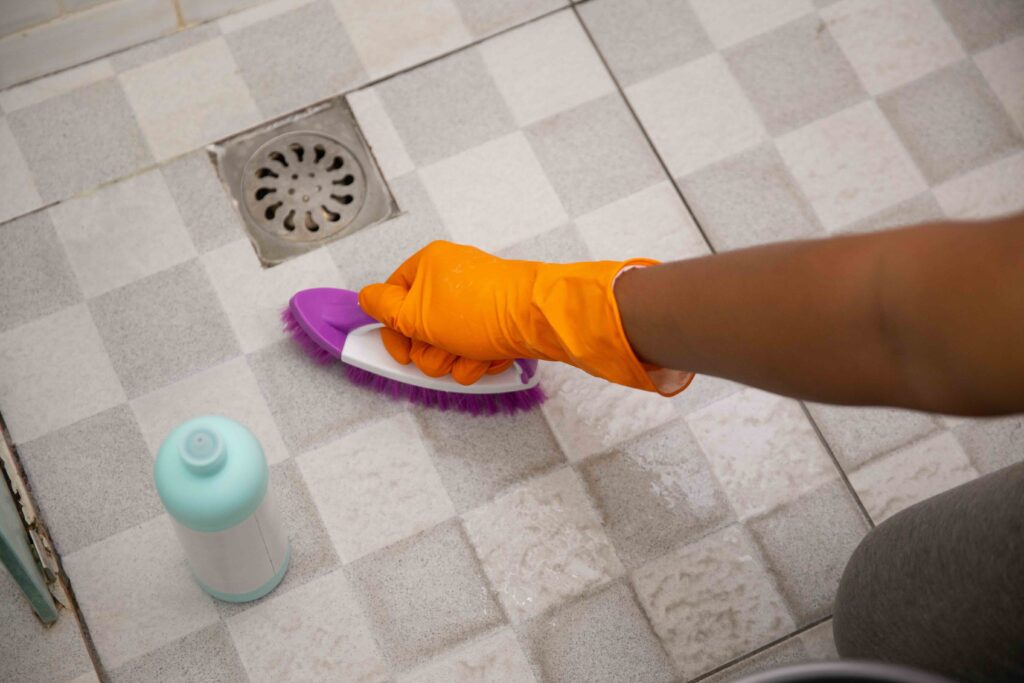
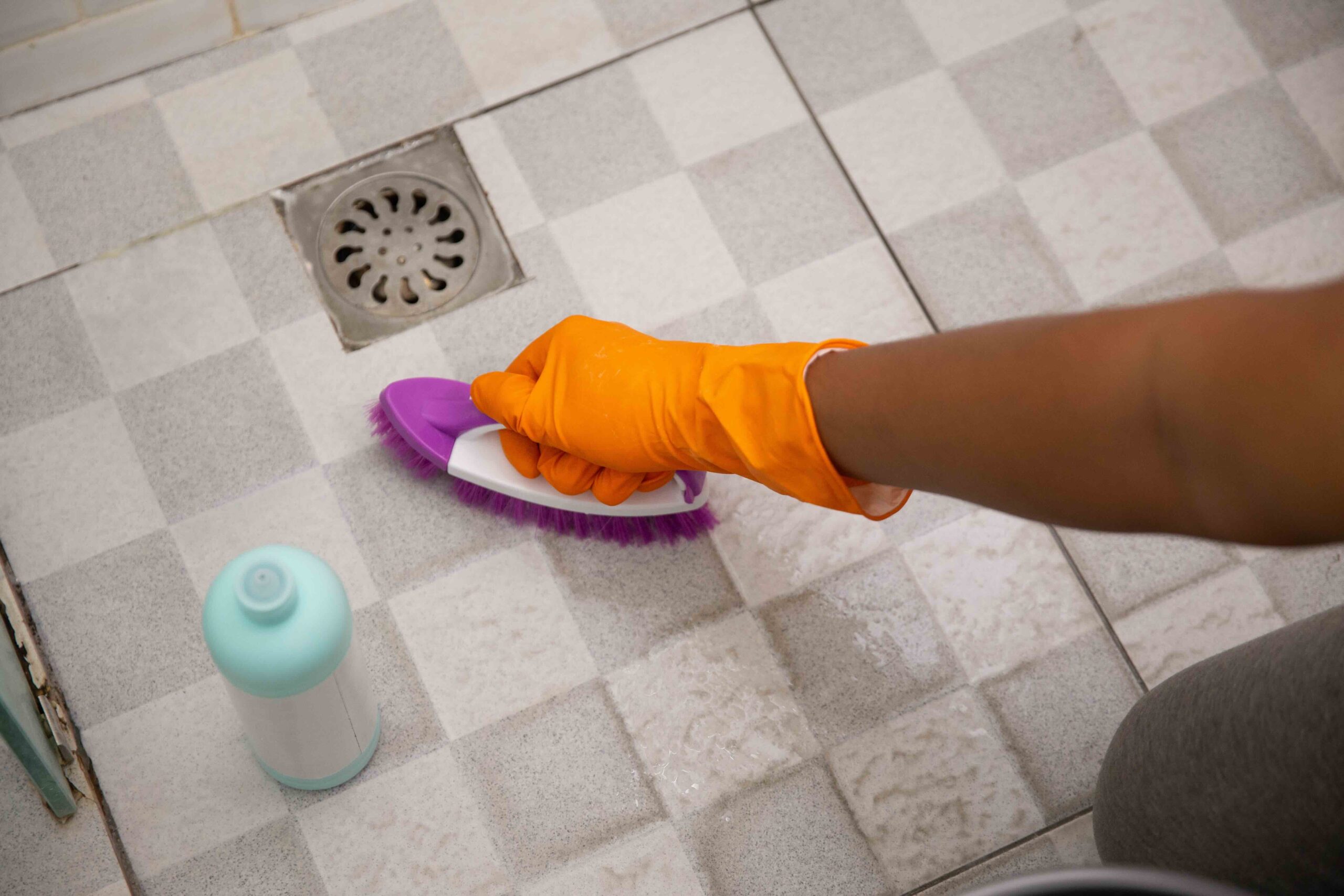
Maintenance for a grout shower floor does not have to be complicated, but it does need to be consistent. Sealing is the single most impactful thing you can do. Use a penetrating sealer designed specifically for shower grout, and apply it according to the manufacturer’s instructions after thoroughly cleaning and drying the surface. For daily upkeep, a squeegee after each shower makes a noticeable difference by reducing the standing moisture that leads to mold. Avoid harsh abrasive cleaners, as they can wear down grout over time. Instead, a pH-neutral cleaner or a diluted solution of dish soap and warm water works well for routine cleaning. For tougher stains or early mold, a paste of baking soda and water applied with a grout brush is effective without being corrosive. Small cracks can often be addressed with a grout repair product before they develop into something larger.
When to Regrout or Repair Your Shower Floor
There is a point where maintenance shifts into repair territory, and recognizing that threshold saves homeowners from much larger expenses down the road. If grout is visibly crumbling, missing in sections, or soft to the touch, it needs to be removed and replaced rather than simply sealed over. Regrouting a shower floor is a manageable DIY project for someone with patience and a willingness to follow directions carefully, but it can also be handled by a tile contractor. The process involves using a grout saw or oscillating tool to remove the old material, cleaning the joints thoroughly, applying new grout, and sealing once cured. If you are noticing tiles that shift or feel hollow when tapped, the issue has likely moved beyond grout and into the adhesive layer beneath — at that stage, professional assessment is the right call.
Grout Shower Floors and Home Warranty Coverage
This is a detail that catches homeowners off guard fairly often. Home warranties are designed to cover the mechanical systems and built-in appliances of a home — things like HVAC units, water heaters, plumbing systems, and electrical components. Grout itself, as a cosmetic or maintenance-related material, typically falls outside the scope of standard home warranty coverage. However, the story does not end there. If a plumbing failure — say, a supply line leak or a drain issue — causes water damage that affects your shower floor, the underlying plumbing component may well be covered. Understanding what your warranty covers and where the lines are drawn helps you plan appropriately, so you are not surprised in either direction when something goes wrong.
Smart Home Investments Start With Understanding What You Have
A grout shower floor is one of those features that gets taken for granted until it becomes a problem. The good news is that it responds well to attention. Regular sealing, consistent cleaning, and prompt repair of small cracks are the habits that keep a tile shower performing well for years — even decades. The cost of a tube of grout sealer and an hour of your time is substantially lower than the cost of addressing water damage in a subfloor. Homeownership rewards that kind of thinking. Knowing your home’s systems, understanding how they age, and staying ahead of wear keeps repair costs manageable and your home in the kind of condition that serves you well whether you are living in it long-term or planning to sell.
Protecting Your Home Beyond the Shower Floor
Your shower floor is one piece of a much larger picture. When something goes wrong with the plumbing system feeding that shower, or the water heater connected to it, or the drain line running beneath it, repair costs can climb quickly. That is exactly the scenario where trusted home warranty coverage for plumbing and bathroom systems earns its value. Armadillo offers straightforward, transparent home warranty plans built around what homeowners actually need — no confusing fine print, no runaround when it is time to file a claim. If you want real protection against the unexpected repair costs that come with owning a home, take a few minutes to get a free home warranty quote for your bathroom and plumbing systems and see what coverage looks like for your specific home. It is the kind of step that makes a lot of sense once you start thinking about all the systems working behind the walls of your shower every single day.

Frequently Asked Questions About Grout Shower Floors
Answers to the questions homeowners ask most often about grout shower floors, maintenance, repairs, and what to expect over time.
How often should I seal my grout shower floor?
For most cement-based grout in a regularly used shower, sealing once every one to two years is a reasonable guideline. Epoxy grout typically does not require sealing. The water droplet test is a simple way to check — if water absorbs into the grout rather than beading on the surface, it is time to reseal.
What causes grout to crack in a shower floor?
Cracking grout is most often caused by minor structural movement in the subfloor, improper installation, insufficient curing time before use, or the natural aging of cement-based material. Heavy foot traffic and temperature fluctuations can also contribute to grout fatigue over time.
Can I regrout over existing grout without removing it?
Applying new grout directly over old grout is generally not recommended and rarely produces lasting results. The new material does not bond reliably to the old surface, and any underlying damage remains unaddressed. Removing the old grout completely before applying fresh material is the correct approach.
Is mold in shower grout a health concern?
Surface mold on grout is primarily a cosmetic and maintenance issue in most cases, but it can become a health concern if it penetrates into the substrate beneath the tile. Keeping grout sealed, the shower well-ventilated, and surfaces dry after use significantly reduces mold growth risk.
How do I know if water has gotten under my shower floor tiles?
Tiles that feel hollow when tapped, shift slightly underfoot, or have begun to loosen at the edges are indicators that water has compromised the adhesive layer beneath. Musty odors or visible water staining on adjacent walls or ceilings can also signal subsurface moisture infiltration.
What is the difference between grout and caulk in a shower?
Grout fills the joints between tiles and is rigid once cured. Caulk is a flexible sealant used at transition points — where the floor meets the wall, around the drain perimeter, or at corners — where slight movement would crack rigid grout. Both play important roles in keeping a shower watertight.
Does a home warranty cover grout repair or replacement?
Standard home warranty plans do not typically cover grout repair or replacement because it is classified as a cosmetic or maintenance item rather than a mechanical system. However, if a covered plumbing failure leads to water damage affecting the shower area, the plumbing component itself may be eligible for coverage.
How long does a grout shower floor typically last?
With proper installation and consistent maintenance, a grout shower floor can last twenty years or more. Epoxy grout tends to outperform cement-based grout in longevity. The primary factors affecting lifespan are sealing frequency, cleaning habits, and the quality of the original installation.
Can I change the color of my existing grout without regrouting?
Yes. Grout colorants and stains are available specifically for this purpose and can refresh or completely change the appearance of existing grout without full removal. The surface must be thoroughly cleaned and free of sealant buildup for the colorant to adhere properly.
What is the best way to clean a grout shower floor without damaging it?
A pH-neutral cleaner or mild dish soap diluted in warm water is effective for routine cleaning and will not erode grout over time. For deeper stains, a baking soda paste applied with a stiff-bristle grout brush works well. Avoid bleach-based or highly acidic cleaners for regular use, as they can degrade grout and strip sealant.