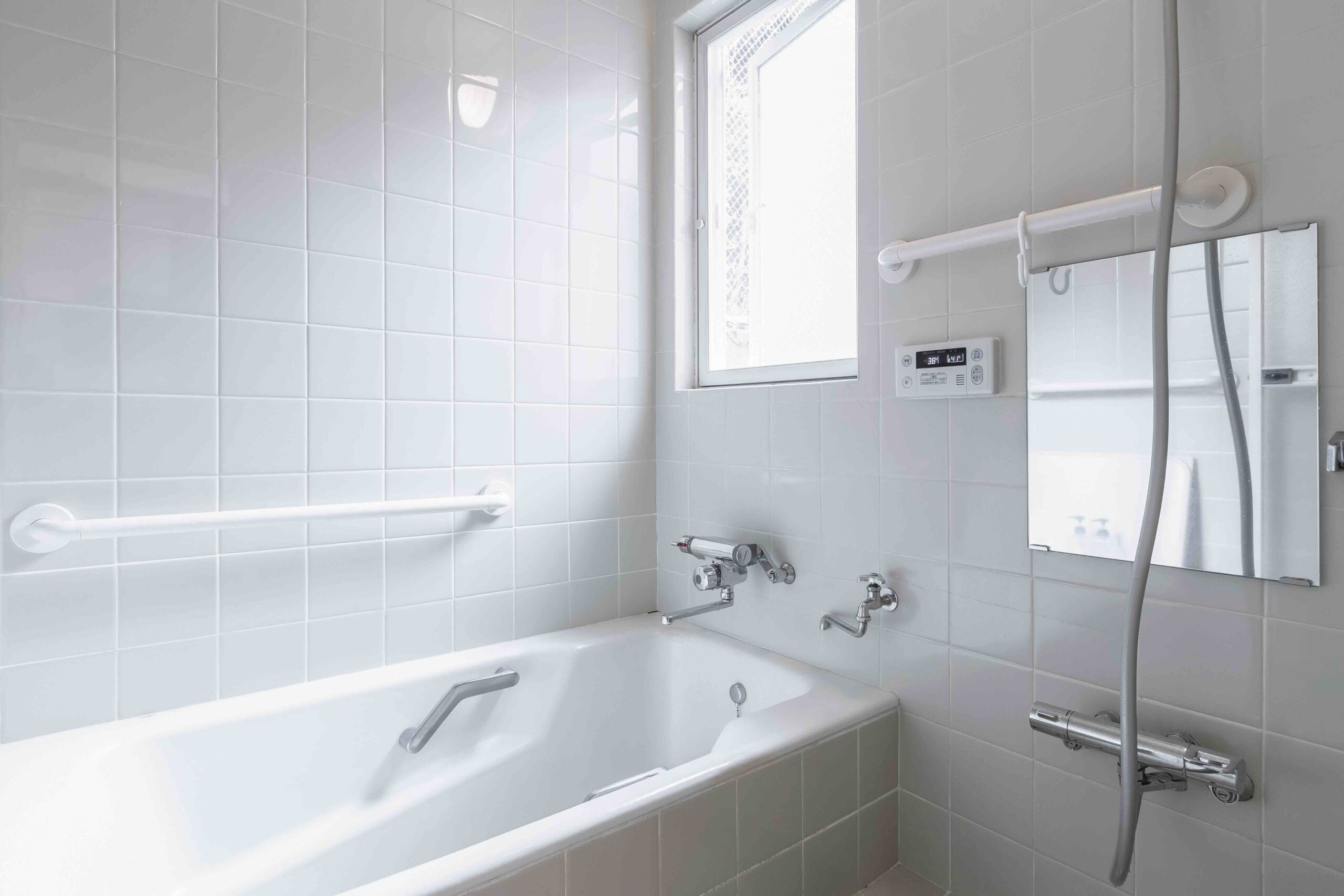
Grout vs. Caulk Around Your Bathtub: What Every Homeowner Needs to Know
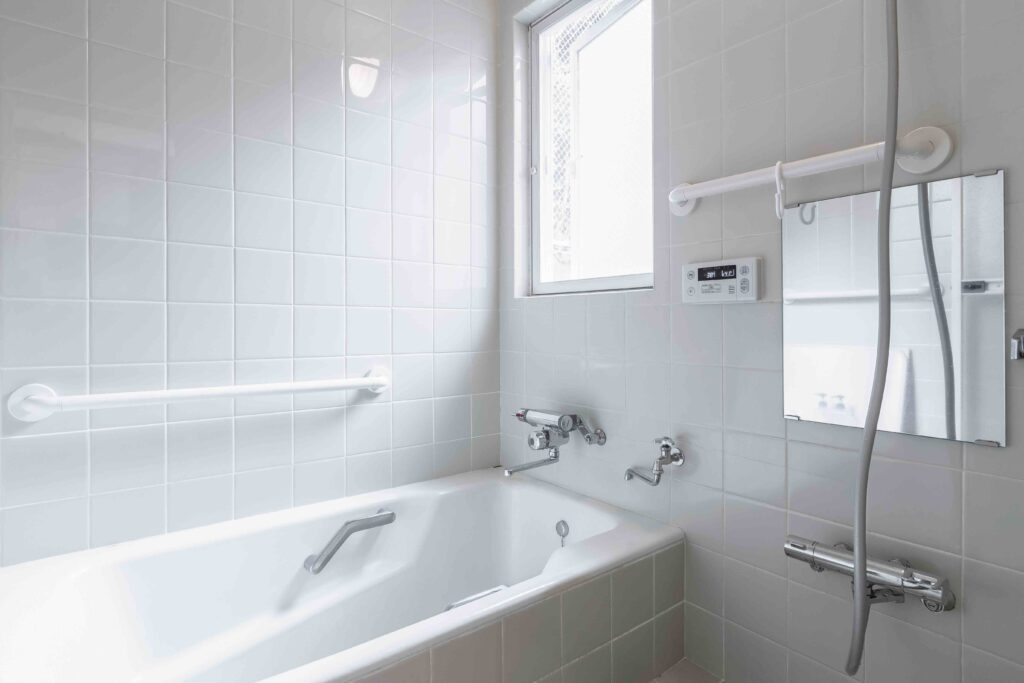
There is a small but surprisingly important detail in every bathroom that most homeowners walk past without a second thought. The thin line of material running along the edges of your bathtub — where it meets the tile, the wall, or the floor — is doing a lot of quiet, unglamorous work. Whether it is grout or caulk, that material is your first line of defense against water damage, mold, and costly repairs. Understanding the difference between the two, knowing when each should be used, and recognizing when it is time to replace them can save you a significant amount of money and stress in the long run.
What Is Bathtub Grout and How Does It Work
Grout is a cement-based filler used to fill the spaces between tiles. It comes in sanded and unsanded varieties, and its rigid composition makes it excellent for tile-to-tile joints. In a bathroom setting, grout holds the tile layout together and creates a sealed, finished appearance. It is durable under normal conditions, but it is not flexible. That last point matters more than most people realize. When a bathtub shifts even slightly — due to the weight of water or natural home settling — rigid grout cannot accommodate that movement. Over time, it cracks. And cracked grout is not just an eyesore; it is an open invitation for moisture to get behind your walls.
What Is Bathtub Caulk and Why It Behaves Differently
Caulk is a flexible sealant, typically made from silicone, latex, or a combination of the two. Unlike grout, it can stretch and compress with movement without cracking. This makes it the correct material for any joint where two different surfaces meet — like where the bathtub basin meets the surrounding tile wall, or where the tub meets the floor. Silicone caulk in particular is highly water-resistant and holds up well in consistently wet environments. Latex caulk is easier to apply and paint over but tends to degrade faster in high-moisture areas. Knowing which type you have — and which type you need — is the first step toward maintaining a watertight bathroom.
Where Grout Belongs and Where Caulk Belongs
This is where a lot of DIY bathroom projects go sideways. Using the wrong material in the wrong location is one of the most common bathroom maintenance mistakes homeowners make. Here is a straightforward way to think about it:
- Use grout between tiles on walls or floors where both surfaces are the same material and movement is minimal.
- Use caulk at all change-of-plane joints, including where the tub deck meets the wall tile, where the tub meets the floor, and around fixtures like faucets and drains.
- Never use grout at the tub-to-wall seam — this is a guaranteed future crack due to differential movement.
- When in doubt at a corner or transition point, caulk is almost always the correct answer.
Signs That Your Grout or Caulk Needs Attention
Most homeowners do not think about grout or caulk until something goes visibly wrong. But by the time you can see the problem clearly, water may have already started working behind the surface. Keep an eye out for discoloration that does not wash away, which often signals mold growth within the material itself. Cracks in grout or gaps in caulk lines are obvious red flags. Caulk that has pulled away from one surface, even slightly, has already lost its seal. Soft drywall or loose tiles near the tub are a sign that moisture has already breached the barrier. Catching these issues early — ideally at the first sign of discoloration or minor cracking — makes the repair significantly easier and less expensive.

The Key Advantages of Properly Maintained Grout and Caulk
It is easy to underestimate how much protective value a thin line of sealant provides. Properly maintained grout and caulk around your bathtub deliver some genuinely important benefits. They prevent water intrusion behind walls, which is the leading cause of bathroom mold and structural damage. They protect the subfloor from long-term moisture exposure that leads to rot and costly renovation work. They keep tile installations stable and intact. And they contribute to the overall cleanliness of the bathroom, since sealed surfaces are far easier to clean than compromised ones. Investing a modest amount of time and money into maintaining these materials is, without question, one of the higher-return maintenance tasks in any home.
Common Drawbacks and Challenges Homeowners Face
Grout and caulk are not without their frustrations. Grout is porous, meaning it absorbs moisture and stains over time unless it is sealed regularly — a step many homeowners skip entirely. Even sealed grout can harbor mildew in bathrooms with poor ventilation. Caulk, on the other hand, does not last forever. Most caulk around a bathtub needs to be replaced every three to five years, sometimes sooner in heavy-use bathrooms. Silicone caulk is notoriously difficult to remove completely, and applying new caulk over old caulk without thorough removal leads to adhesion failure and a poor seal. The work itself is not technically complex, but doing it correctly requires patience and preparation.
How to Recaulk Your Bathtub the Right Way
If you are ready to tackle recaulking your tub yourself, the process is manageable as long as you do not skip steps. Start by removing all of the old caulk using a plastic scraper or a caulk removal tool — avoid metal tools that can scratch the tub surface. Clean the area thoroughly with rubbing alcohol or a dedicated caulk remover solution and allow it to dry completely. Fill the tub with water before applying new caulk so the tub is at its maximum weight and position — this prevents the caulk from cracking when the tub flexes under load. Apply a continuous, even bead of caulk along the joint, smooth it with a wet finger or caulk tool, and let it cure according to the manufacturer’s instructions before using the tub. Skipping the drying step is the most common reason new caulk fails quickly.
When to Call a Professional Instead
There are situations where DIY recaulking is not the right call. If you notice soft spots in the drywall, damaged backer board, or tiles that are loose or hollow-sounding when tapped, the problem has moved beyond surface sealant. Water has likely already penetrated behind the tile, and that requires opening the wall for proper remediation. Similarly, if you are dealing with persistent mold that keeps returning despite regular cleaning and recaulking, the source of moisture may be structural rather than superficial. A licensed tile contractor or bathroom remodeling professional can assess the scope of the damage and recommend the appropriate repair. Catching these situations early — before they escalate into full bathroom renovations — is always the more cost-effective path.
How Home Warranty Coverage Connects to Bathroom Water Damage
Here is something worth knowing. Grout and caulk maintenance falls into the category of homeowner upkeep, which means a standard home warranty policy will not cover damage that results from deferred maintenance. However, if a plumbing failure — like a leaky supply line, a faulty valve, or a failing drain — contributes to moisture damage in or around your bathtub, that is a different conversation. A strong home warranty plan covers many of the plumbing components that, when they fail, can accelerate the kind of water damage that compromised grout and caulk simply cannot hold back. Armadillo home warranty protection plans for bathroom plumbing and key home systems are built around real homeowner needs — not fine print designed to avoid paying claims. If you have been putting off reviewing your coverage, this is a reasonable moment to revisit it. You can get a personalized home warranty quote for bathroom and plumbing coverage in just a few minutes, and find out exactly what is and is not protected before you need to find out the hard way.

Frequently Asked Questions About Bathtub Grout and Caulk
The following questions reflect what homeowners most commonly want to know when researching bathtub grout and caulk maintenance, replacement, and best practices.
What is the difference between grout and caulk around a bathtub?
Grout is a rigid, cement-based filler used between tiles on the same surface plane. Caulk is a flexible sealant used at transition joints where two different surfaces meet, such as where the tub meets the wall. They serve different functions and should not be used interchangeably.
How often should bathtub caulk be replaced?
Bathtub caulk typically needs replacement every three to five years, depending on usage frequency, ventilation quality, and the type of caulk used. Silicone caulk generally lasts longer than latex caulk in wet environments.
Can I apply new caulk over old caulk?
Applying new caulk directly over old caulk is not recommended. The existing caulk must be fully removed to ensure proper adhesion. Layering new over old leads to premature peeling and an ineffective seal.
Why does my bathtub caulk keep getting moldy?
Persistent mold on bathtub caulk is usually caused by inadequate bathroom ventilation, residual moisture from incomplete surface drying, or the use of latex caulk in a high-moisture environment. Switching to a mold-resistant silicone caulk and improving ventilation often resolves the problem.
Is cracked grout around a bathtub a serious problem?
Yes. Cracked grout allows water to penetrate behind tile and into wall substrates, which can lead to mold growth, structural damage, and costly repairs. It should be addressed promptly rather than treated as a cosmetic issue.
How do I know if water has already gotten behind my bathtub tiles?
Signs of water intrusion behind tiles include tiles that sound hollow when tapped, tiles that are loose or moving, soft or discolored drywall near the tub, and persistent musty odors in the bathroom. A professional assessment is recommended if any of these signs are present.
Does a home warranty cover grout or caulk repair?
Standard home warranty plans do not cover grout or caulk repairs, as these are considered routine homeowner maintenance. However, if a covered plumbing component fails and causes related water damage, the plumbing repair itself may be covered depending on the specific plan terms.
What type of caulk is best for bathtubs?
100 percent silicone caulk is generally the most durable and water-resistant option for bathtub applications. It adheres well to both tile and tub surfaces and resists mold more effectively than latex-based alternatives in consistently wet conditions.
How do I remove old silicone caulk from a bathtub?
Old silicone caulk should be removed using a plastic scraper or dedicated caulk removal tool, combined with a chemical caulk remover product to soften the material. Thorough mechanical removal followed by cleaning with rubbing alcohol ensures the best surface for new caulk adhesion.
Should I grout or caulk the corners of my bathtub tile surround?
Caulk is the correct material for all inside corners in a tile surround, including the vertical corners where two tiled walls meet. These corners are subject to movement and require a flexible sealant rather than rigid grout to maintain a long-term watertight seal.