Grout vs Caulk Around the Bathtub: What Homeowners Need to Know
Water is essential in a bathroom, but when it escapes the boundaries of a bathtub, it can quickly become the enemy. That’s why sealing the edges of a bathtub is one of the most important, yet frequently overlooked, maintenance tasks in any home. Homeowners often encounter two materials in this regard—grout and caulk. While both serve as seals, they’re designed for distinctly different purposes. Understanding the difference between grout and caulk around a bathtub, how each works, where each belongs, and how they impact your home can prevent costly damage and improve overall hygiene and aesthetics. This guide explores those distinctions and offers practical insights—grounded in the home warranty industry—for keeping your bathroom safe and sound.
What Is Grout and How Does It Work?
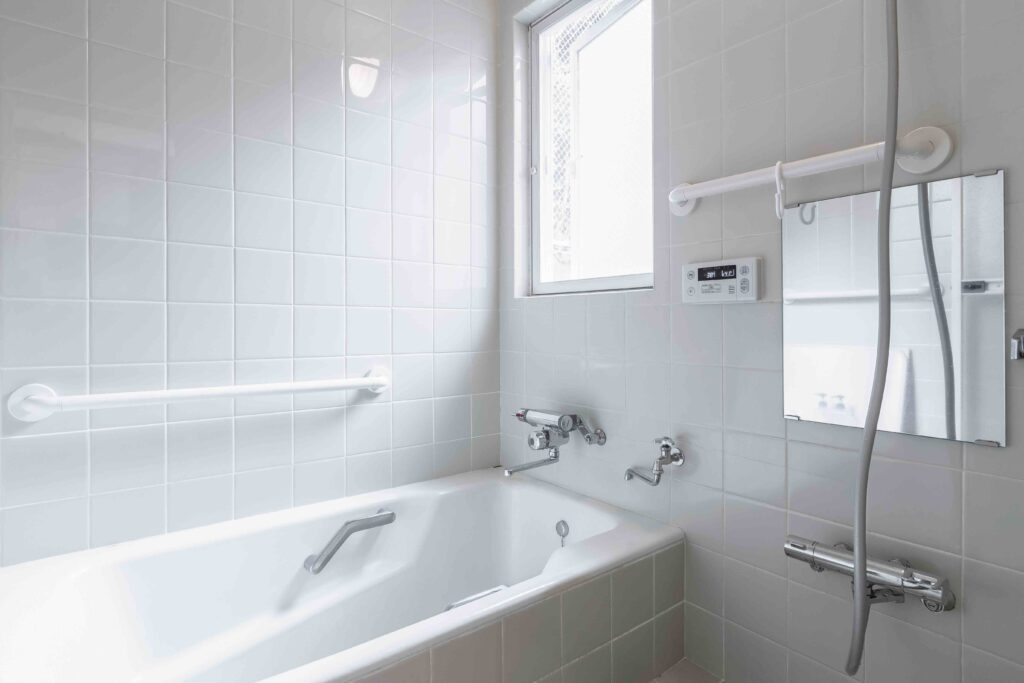
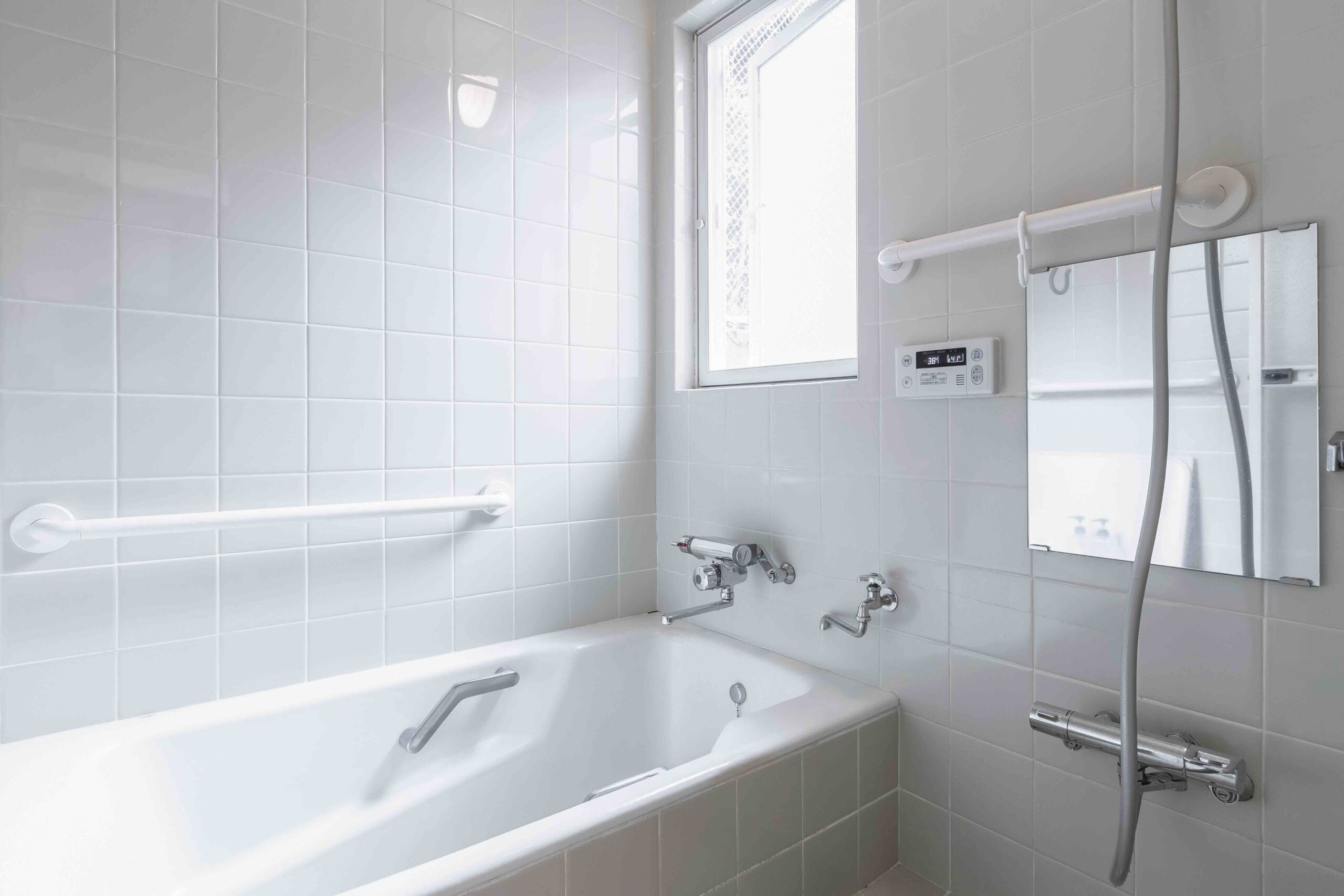
Grout is a cement-like mixture used to fill the gaps between tiles. Formulated with water, cement, and occasionally fine sand, it hardens securely after drying, creating a durable and relatively inflexible surface. In bathrooms, grout is commonly found between wall tiles and on tiled floors because it offers strong coverage that resists chipping and wear over time. However, it is not waterproof—grout is porous unless sealed. This means it can absorb moisture, foster mold growth, and eventually deteriorate if it’s directly exposed to frequent or standing water. Grout is never an appropriate choice for joint seams or connection points that shift or bend, like those between a bathtub and a tiled wall.
What Is Caulk and What Makes It Different?
Caulk, on the other hand, is a flexible sealing compound typically made from silicone, latex, acrylic, or a hybrid blend of these materials. Specifically designed to seal joints and seams subject to movement and moisture, caulk adheres well to both nonporous surfaces (like tubs, sinks, and countertops) and porous ones (like drywall or unsealed tile edges). It stays pliable, which is critical for areas like the edge where your bathtub meets the wall. These surfaces expand and contract with temperature fluctuations, water exposure, and general house settlement. Unlike grout, caulk is water-resistant by nature and deters mold when properly maintained.
Where Should You Use Grout vs. Caulk Around the Bathtub?
Misapplying grout and caulk is more than cosmetic—it can lead to water infiltration that damages subfloors, drywall, and even your plumbing systems. Use grout only between tiles, where movement is minimal and the area remains mostly dry except for surface-level moisture. Around the edge where the bathtub meets tile walls or the floor, caulk is the trusted material. This junction allows for structural flexibility and needs a water-tight, elastic barrier to absorb those subtle shifts. Many homeowners mistake grout for a more permanent solution in these areas, only to find cracks forming within months. Moisture easily seeps through cracked grout, leading to mold inside the wall cavity or damaging underlayment and insulation.
Key Advantages of Caulking Around the Tub
Properly applied caulk offers several benefits for bathtub maintenance and longevity. First, it creates a flexible and water-tight seal that protects surrounding materials. Second, it helps prevent mildew and bacterial buildup in hidden crevices. Many caulk formulations include antimicrobial agents to combat the dampness-prone environment of a bathroom. Another benefit is convenience. Caulking can be a quick project—often requiring just a tube, a caulk gun, and a steady hand. Lastly, a clean bead of caulk improves the finished appearance of a bathroom, making it look fresh, polished, and well maintained. These surface-level finishings matter to both your home’s resale value and your enjoyment as a homeowner.
Common Issues with Poor Caulking or Grouting Practices
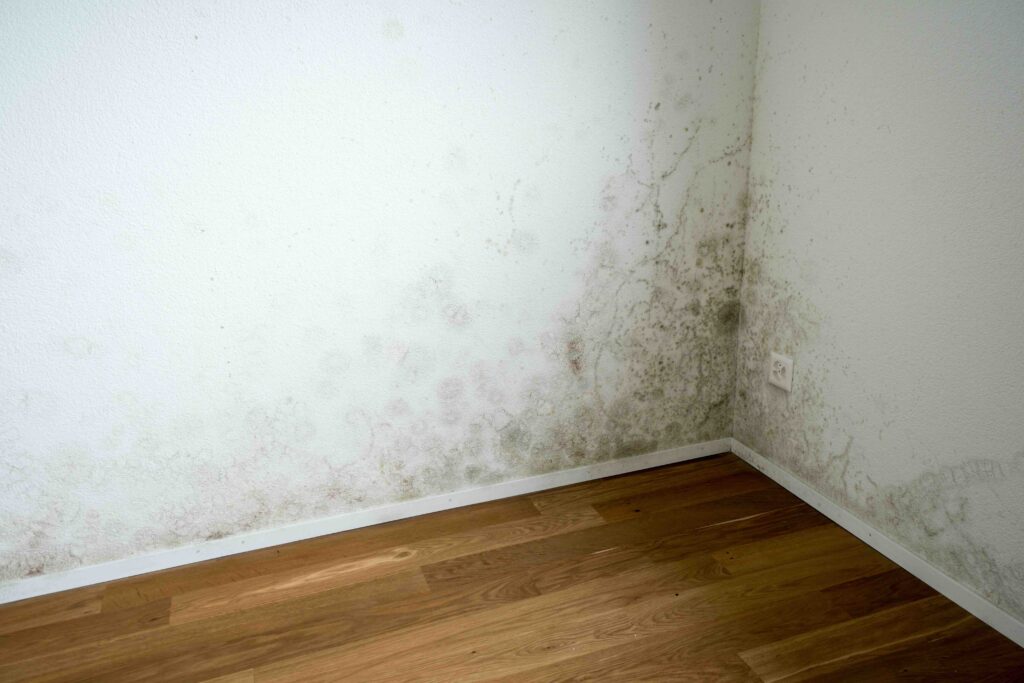
While improperly applying either grout or caulk can create temporary fixes, the long-term consequences can be extensive. One of the most frequent homeowner complaints is water pooling at the base of the tub or leaking into the wall behind it—both often traced back to failed caulking or the use of grout in the wrong area. Cracks, discoloration, or mildew on the seam of the tub usually indicate aged or flawed caulk. Letting these signs linger can lead to thousands of dollars in damage over time, triggering mold remediation or structural restoration not typically covered under home insurance. In contrast, using caulk in place of grout between tiles is equally problematic. It attracts dirt, breaks down quicker, and undermines tile stability since it lacks the compressive strength needed for tile support.
Routine Maintenance and Replacement Timelines
Sealants—particularly caulk—are not meant to last forever. Even the best quality products eventually degrade and require replacement. As a general rule, you should inspect the caulk around your tub every six to twelve months. Look for shrinkage, cracking, dark stains that resist cleaning, or separation from the surface. If any of these are present, it’s likely time to reapply. Removal involves cutting and peeling away the old caulk completely before applying a new bead. For grout, cleanliness and sealant reapplication every two years help preserve its waterproofing properties. Sealed grout is more resistant to stains, although penetration over time is unavoidable. Routine inspection ensures potential problems are caught early—before they escalate into costly repairs often excluded from standard policies.
How This Impacts Your Home Warranty Plan
Most home warranty policies, including those offered by reputable providers like Armadillo, do not cover damage resulting from poor maintenance or water intrusion due to failed sealing materials. Homeowners should take this limitation seriously. When a tub seal fails and water seeps into a wall cavity, etching away at studs and creating pockets of mold, that damage typically falls outside your policy protections. The plumbing system inside the wall may be covered, but not the repair to drywall, tile, or flooring caused by neglected caulking. That’s why remaining consistent with sealing practices isn’t just a preventative measure—it’s a smart move to maximize the value and reliability of your home warranty. By avoiding the preventable, you preserve your coverage for what really matters: essential systems that break due to age or wear.
Protect Your Bathroom and Beyond With Armadillo
Understanding when to use grout versus caulk around the bathtub is one piece of the larger puzzle in effective home maintenance. And while you tackle the visible tasks that keep your home watertight, let Armadillo handle the systems and surprises you can’t always predict. With flexible, tech-forward coverage plans tailored specifically for today’s homeowner, Armadillo makes managing home repairs smarter and simpler. Explore our flexible coverage options at armadillo.one, or start building a home warranty plan customized to your zip code and needs by visiting our plan builder today. Stay on top of the details, and let your warranty do the heavy lifting.