What Is a Grouted Shower Floor and Why Does It Matter?
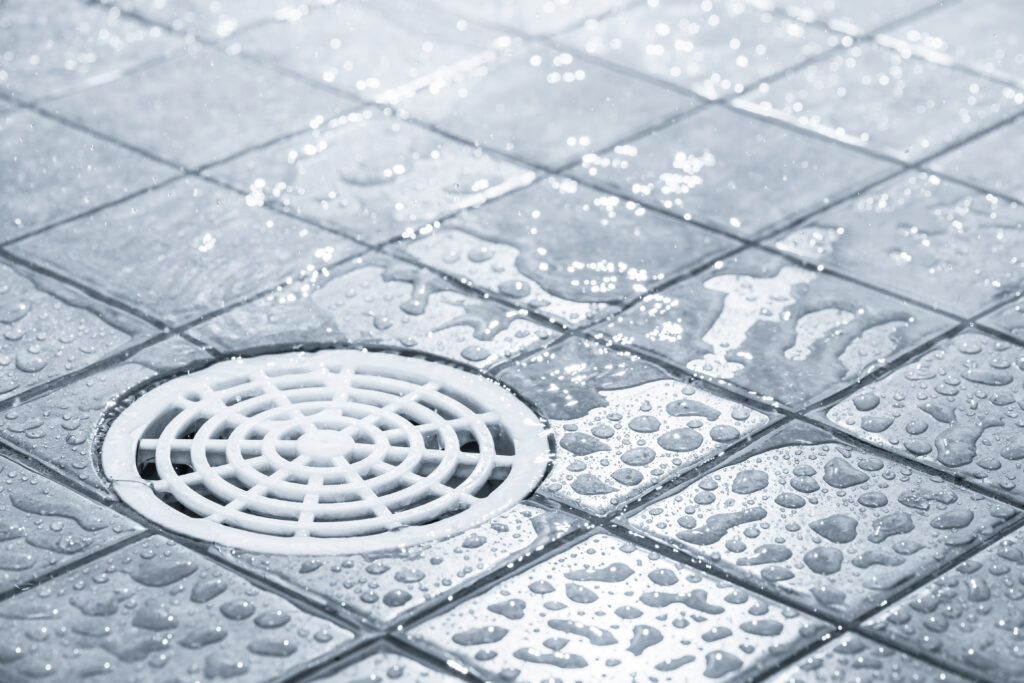
If you have a tiled shower, you have grout. It is that narrow filler material sitting between each tile, holding everything together and keeping water where it belongs. Grouting a shower floor is one of those things homeowners often overlook until something goes wrong — a cracked line here, a stained patch there, and suddenly what was a clean, functional shower starts looking and performing like a problem waiting to escalate. Understanding what grout does, how it works, and how to maintain it properly is genuinely useful knowledge for anyone who owns a home with a tiled shower.
How Shower Floor Grouting Actually Works
Grout is a cement-based or epoxy-based compound that fills the joints between tiles. On shower floors specifically, it serves a structural and waterproofing function. When tiles are laid over a mortar bed or cement board, grout is pressed into the gaps to seal the surface and prevent water from seeping beneath the tile layer. Once cured, it creates a rigid, semi-permeable bond that holds the tile layout in place. The type of grout used matters significantly. Sanded grout is typically used for wider joints, while unsanded grout is applied in tighter seams. Epoxy grout is a third option, known for superior durability and stain resistance, though it is more difficult to work with during installation.
The Role of Grout in Shower Floor Waterproofing
This is where many homeowners get a little surprised. Grout itself is not fully waterproof. Standard cement-based grout is porous, which means water can slowly work its way through it over time. That is why the waterproofing in a properly built shower is actually located beneath the tile and mortar layers — a membrane or liner that catches any water that makes it past the surface. The grout is the first line of defense, but it is not the only one. Keeping grout sealed and in good condition reduces how much moisture reaches those deeper layers, which protects the entire shower assembly from long-term structural damage.

Key Advantages of Properly Grouted Shower Floors
A well-grouted shower floor offers a range of practical benefits that go beyond just looking clean. When done correctly, grouting contributes meaningfully to the longevity and function of the entire bathroom. Here is what homeowners can expect from a properly maintained grouted shower floor:
- Water containment that protects subfloor materials from moisture damage
- A stable tile surface that resists shifting, cracking, and loose tiles
- Improved hygiene when grout is sealed and resistant to mold and mildew
- Aesthetic consistency that keeps the shower looking finished and clean
- Long-term structural integrity that reduces the need for costly repairs
Common Problems Homeowners Encounter With Shower Floor Grout
Grout is tough, but it is not invincible. Shower floors take a lot of daily abuse — standing water, foot traffic, soap residue, temperature changes — and over time, the grout starts to show it. Cracking is one of the most common issues, often caused by settling, improper installation, or the natural movement of the home. Discoloration is another frequent complaint, typically from mold, mildew, or mineral deposits that accumulate in porous grout over time. Grout can also begin to crumble or pull away from tiles, which is a sign that regrouting is overdue. Left unaddressed, these issues allow water to penetrate the subfloor, leading to damage that is far more expensive to fix than the grout itself.
When to Regrout Versus When to Repair
Not every grout problem requires a full regrouting project. Small cracks or isolated stained sections can often be spot-treated with grout repair compounds or refreshed with a grout pen for cosmetic purposes. However, if the damage is widespread — large sections of crumbling grout, persistent mold that will not respond to cleaning, or tiles that have started to shift — a full regrouting is likely the right call. During a regrouting project, old grout is removed using an oscillating tool or grout saw, the joints are thoroughly cleaned, and fresh grout is applied and allowed to cure before sealing. It is a manageable DIY project for some homeowners, though professionals can complete it more efficiently and with less risk of tile damage.
Sealing Shower Floor Grout: What You Need to Know
Sealing grout is one of the most important and most commonly skipped maintenance steps homeowners encounter. A penetrating grout sealer soaks into the porous surface of cement-based grout and creates a barrier against moisture, staining, and mildew growth. Most grout sealers need to be reapplied every one to two years, depending on shower usage and the quality of the product used. The process is straightforward — clean the grout thoroughly, allow it to dry completely, apply the sealer with a brush or applicator, and wipe away any excess before it dries on the tile surface. Epoxy grout does not require sealing, which is one reason it has grown in popularity despite its higher installation cost.
DIY Grouting Versus Hiring a Professional
There is a real conversation to have here about when DIY makes sense and when it does not. Grouting a small section or refreshing existing grout is well within reach for most handy homeowners. Full regrouting of a shower floor, however, involves removing old material without damaging surrounding tiles, mixing grout to the right consistency, applying it evenly across a wet-prone surface, and finishing it cleanly. Mistakes during any of those steps can create bigger problems than the ones being fixed. If the shower floor has underlying waterproofing issues or the tiles themselves are compromised, professional assessment becomes even more important. The cost of hiring a tile professional for a shower regrouting project is typically far less than what it costs to repair water damage from a job done poorly.
How Home Warranty Coverage Connects to Your Shower and Plumbing Systems
Grouting a shower floor is a maintenance task that falls primarily on the homeowner, and most home warranty plans make that distinction clearly. Warranties are designed to cover systems and appliances that fail due to normal wear and tear — not cosmetic issues or deferred maintenance. That said, plumbing systems connected to the shower, including pipes, drains, and related components, are often covered under a solid home warranty plan. If a drain line fails or a plumbing connection behind the wall develops a problem, that is exactly the kind of unexpected expense a warranty is built to absorb. Keeping up with grout maintenance is part of responsible homeownership, while a home warranty handles the bigger mechanical failures you did not see coming.
When it comes to protecting the home systems that work hardest every day, Armadillo home warranty coverage for plumbing and essential home systems offers a straightforward, transparent approach that homeowners actually appreciate. There are no confusing exclusions designed to leave you holding the bill. If you are thinking about what a plan looks like for your home, you can get a personalized home warranty quote for shower plumbing and system coverage in just a few minutes. Armadillo is built for people who want real protection without the runaround.

Frequently Asked Questions About Grouting Shower Floors
Answers to the questions homeowners ask most often about shower floor grout, maintenance, and related home protection topics.
How long does grout last on a shower floor?
With proper maintenance and regular sealing, shower floor grout can last anywhere from 8 to 15 years. High-traffic showers or those exposed to hard water may see degradation sooner, while well-maintained grout with epoxy formulas can last considerably longer.
Can I regrout over existing grout without removing it?
This is not generally recommended. Applying new grout over old grout without removing the deteriorated material results in a weak bond that will fail quickly. Old grout should be removed to a consistent depth before fresh material is applied for a lasting result.
How do I know if my shower floor grout needs to be replaced?
Signs include visible cracking, crumbling or missing sections, persistent discoloration that does not respond to cleaning, soft or spongy tiles underfoot, and musty odors suggesting moisture has penetrated below the surface.
Is grout the same as caulk in a shower?
No. Grout fills the joints between tiles and is rigid once cured. Caulk is a flexible sealant used at corners, edges, and transitions where surfaces meet at an angle or where movement is expected. Both serve important sealing functions but are not interchangeable.
How often should I seal my shower floor grout?
Most penetrating sealers should be reapplied every 12 to 24 months depending on product quality and shower usage frequency. Performing a water bead test — dripping water on the grout to see if it absorbs or beads up — is a simple way to know when resealing is due.
Does a home warranty cover shower floor grout repairs?
Generally, no. Grout maintenance and repair is considered a homeowner maintenance responsibility and is not typically covered under a home warranty plan. However, plumbing components connected to the shower, such as drain lines and supply pipes, may be covered depending on the plan.
What is the best type of grout for a shower floor?
Epoxy grout is widely considered the best option for shower floors due to its water resistance, stain resistance, and durability. It does not require sealing and holds up well under ongoing moisture exposure, though it requires more precision during installation.
Can mold in shower grout be permanently removed?
Surface mold can often be removed with oxygen bleach-based cleaners or commercial grout cleaners. However, if mold has penetrated deep into the grout or reached the substrate beneath the tile, cleaning alone will not resolve the issue and regrouting or professional remediation may be necessary.
How long does new grout take to cure before the shower can be used?
Most cement-based grouts require at least 24 to 72 hours of cure time before water exposure, though full strength is typically reached after 28 days. Epoxy grout cures faster but still requires 24 to 48 hours before the shower should be used.
What causes shower floor grout to crack?
Cracking is most commonly caused by foundation settling, improper mixing or application during installation, insufficient joint depth, or inadequate use of expansion caulk at corners. Minor cracking from normal home movement is common, but widespread cracking typically indicates a deeper installation or structural issue.