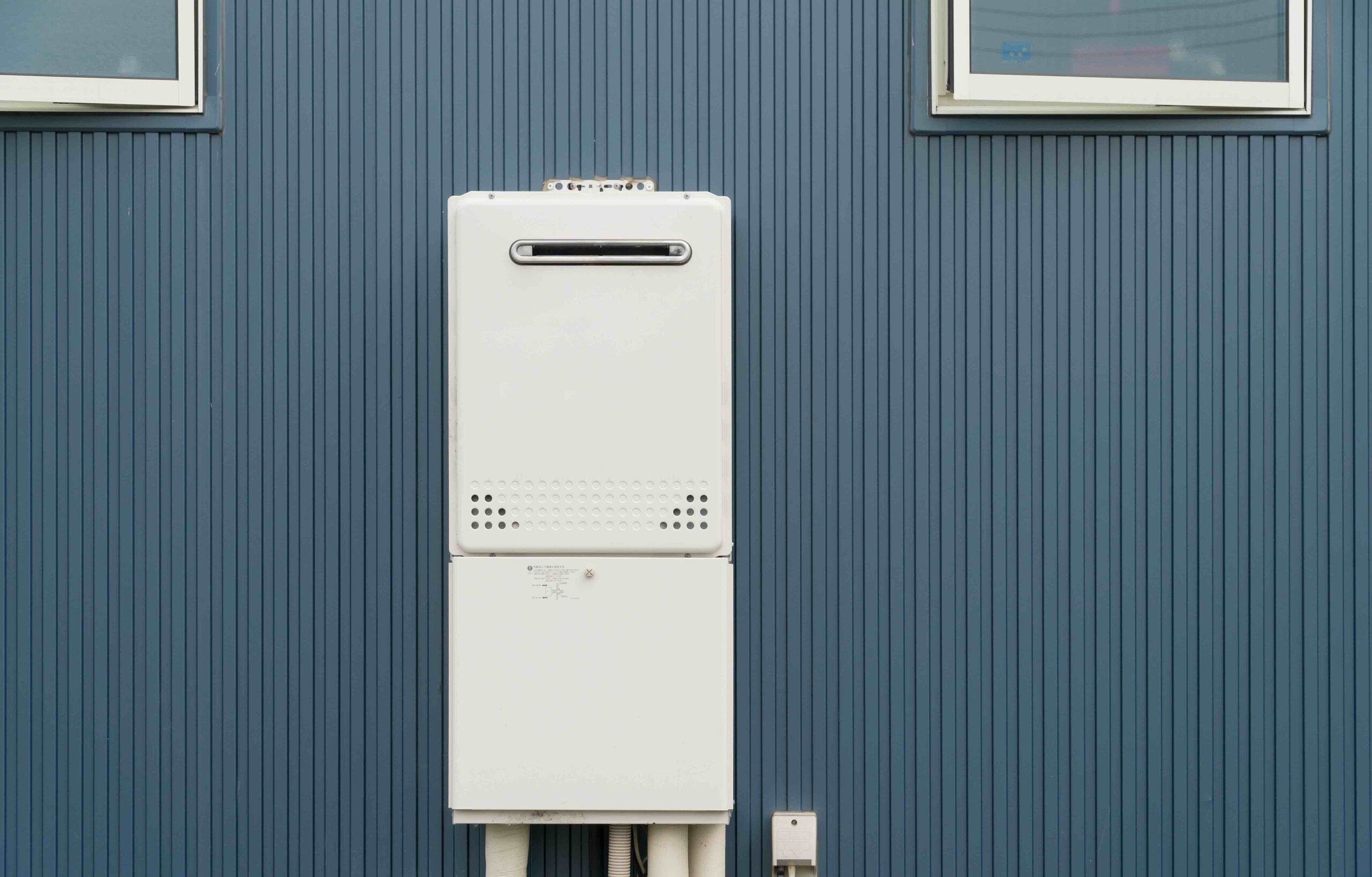
The Comprehensive Guide to Tankless Water Heaters: What Every Homeowner Needs to Know
In the contemporary realm of home systems, the choice to shift from conventional to modern options is increasingly clear, with the tankless water heater emerging as a formidable contender. Homeowners today are keen on solutions that offer efficiency, conserve space, and enhance overall living quality. This guide delves into the world of tankless water heaters, outlining their workings, advantages, potential drawbacks, and practical considerations. Armed with this knowledge, you’ll be well-equipped to make an informed decision that aligns with your home’s unique needs.
What is a Tankless Water Heater?
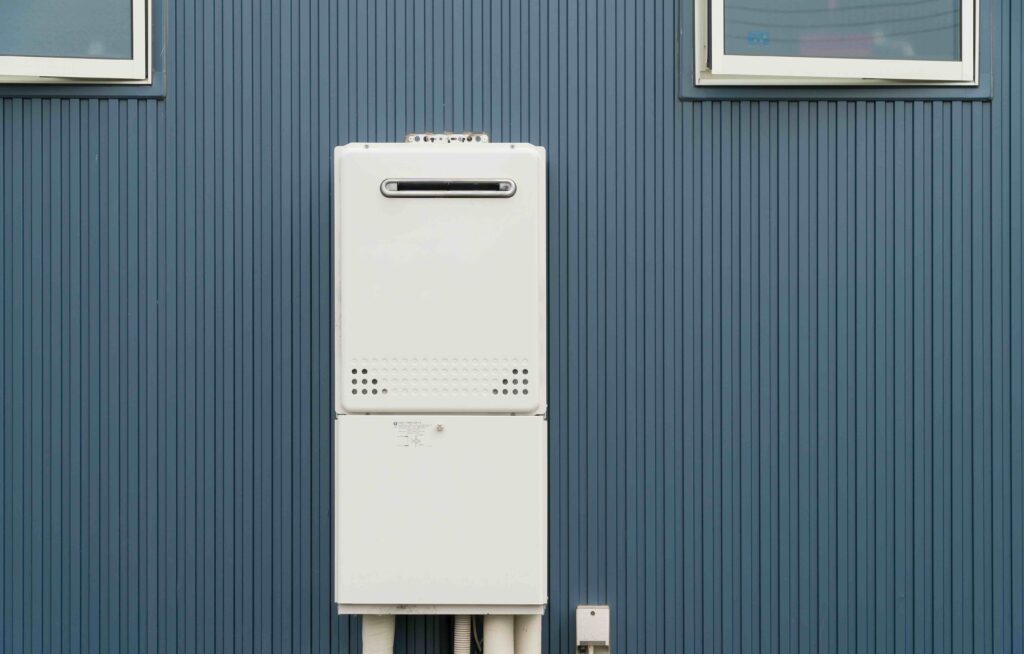
A tankless water heater, also known as an on-demand or instantaneous water heater, is a modern innovation designed to heat water only when it’s required. Unlike traditional water heaters which store and continuously heat 30 to 80 gallons of water, a tankless water heater heats water directly as it moves through the unit. When a hot water tap is turned on, cold water travels through a pipe into the heater where either a gas burner or an electric element heats the water, providing a continuous supply without the wait and without the energy loss associated with constantly warming stored water.
How Does a Tankless Water Heater Work?
The operational beauty of tankless water heaters lies in their design and function. These units activate as soon as you turn on a faucet, powered by advanced flow sensors. Depending on the model, the water is heated using either electric coils or a gas burner, providing almost immediate hot water. This system is more energy-efficient because it eliminates the standby heat losses of conventional tank models, where water is heated continuously, regardless of use. The result is reduced energy consumption, making these systems a sustainable choice for the eco-conscious homeowner.
Top Advantages of Tankless Water Heaters
The primary appeal of tankless water heaters is their energy efficiency and endless supply of hot water. Traditional tanks can run out of hot water if the demand is high, whereas tankless versions keep up with their “on-demand” nature. They are also designed to last longer, often with a lifespan of up to 20 years, compared to the 10-15 years of traditional tanks. Furthermore, because they do not store water, there is minimal risk of water-related damage to your home, such as leaks from a rusting tank. Space savings are another significant advantage; these compact units free up valuable space compared to bulky storage tank systems.
Common Drawbacks of Tankless Water Heaters
While tankless water heaters offer many benefits, potential downsides should be considered. The upfront cost can be substantially higher than traditional models, which may deter some homeowners. Installation can be more complex and costly, depending on your home’s existing plumbing and electrical systems. Some models may struggle to supply multiple demanding appliances simultaneously, which can pose an issue in larger households. Additionally, homeowners must factor in routine maintenance to ensure long-term efficiency, requiring periodic descaling if your home has hard water.
Selecting the Right Tankless Water Heater for Your Home
Choosing the ideal tankless water heater involves several considerations. Key factors include the size of your household, your total budget, and the type of fuel available (natural gas, propane, or electricity). Performing a flow rate calculation is vital; this involves determining the amount of hot water each appliance needs and adding the totals together to ascertain the necessary capacity your home requires. Moreover, evaluate the efficiency ratings and opt for Energy Star-certified models to maximize performance and minimize energy bills.
Installation Considerations and Costs
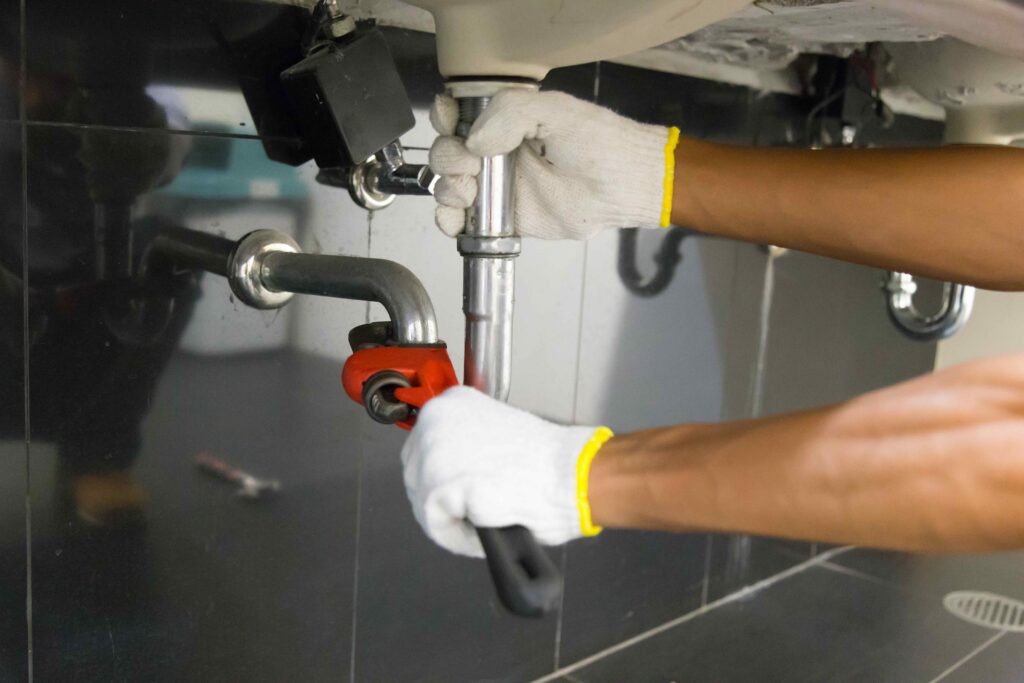
For tankless water heater installation, hiring a professional with experience is essential due to the complex nature of these systems. The overall costs can vary, influenced by factors such as the chosen fuel type, installation complexity, and adjustments needed for gas lines or electrical requirements. Investing in a seasoned professional ensures that your unit operates safely and efficiently from day one. Additionally, rebates and tax incentives may be available, offsetting some of the initial spend.
Maintaining Your Tankless Water Heater
Regular maintenance is crucial for ensuring your tankless water heater remains efficient throughout its lifespan. Annual servicing should include examination of the heating elements for those with electric units or the burners in gas models. For areas with hard water, descaling every six months might be necessary to prevent mineral buildup. Adhering to a maintenance schedule maintains your warranty, optimizes performance, and extends the life of your unit.
Why Choose Armadillo for Your Home Warranty Needs?
Considering investing in a tankless water heater but concerned about protection and longevity? Armadillo offers robust home warranty plans that provide peace of mind by covering potential repairs and maintenance needs. With Armadillo, you can enjoy the benefits of your modern home systems without the stress of unplanned expenses. Visit their homepage at Armadillo to learn more or get started with customizing a plan that suits your needs by visiting their plan-builder page here. Trust in Armadillo to safeguard your home investment with confidence and ease.